
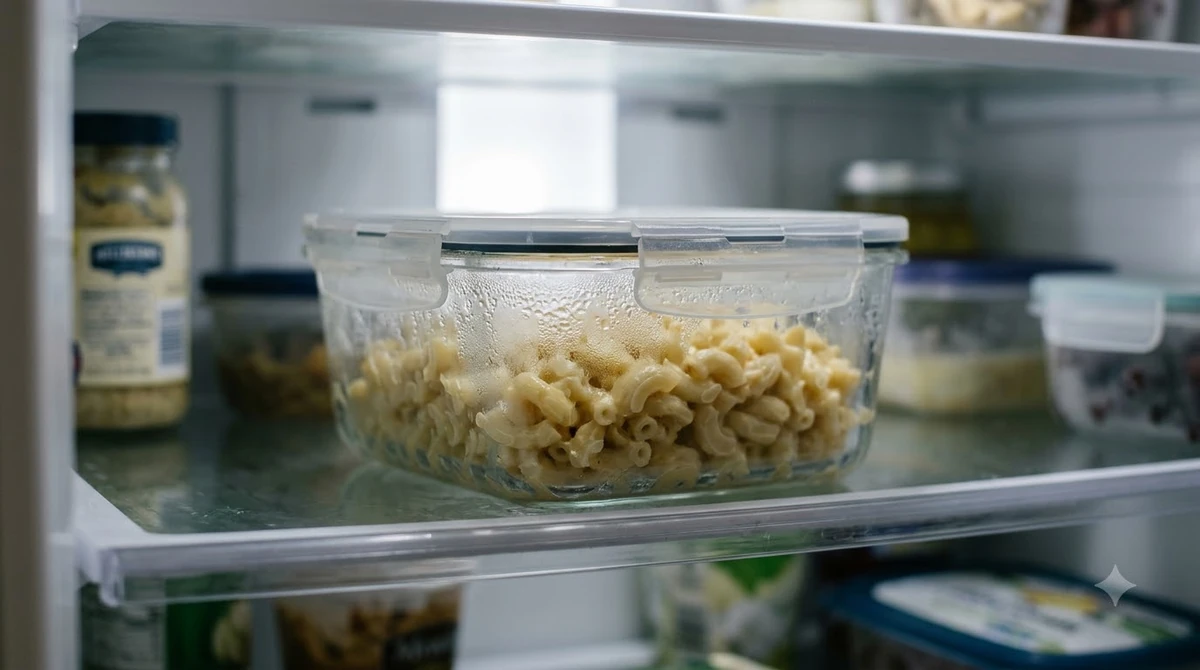

Here is how to store prosciutto: keep it cold, wrap it tightly and eat carved slices within five days. Prosciutto is a dry-cured Italian ham, and once it is cut it is exposed to air, so wrapping matters more than it does for the whole leg.
Sources disagree on how long opened slices keep and whether they can be frozen, so check the package label first. Whole legs need a different approach from sliced packs.
How to store prosciutto in the fridge
Wrap sliced prosciutto tightly in plastic wrap or waxy food paper, then refrigerate it at about 40°F. One editorial storage guide describes this as the standard approach for carved slices, with the aim of keeping the meat from drying out.
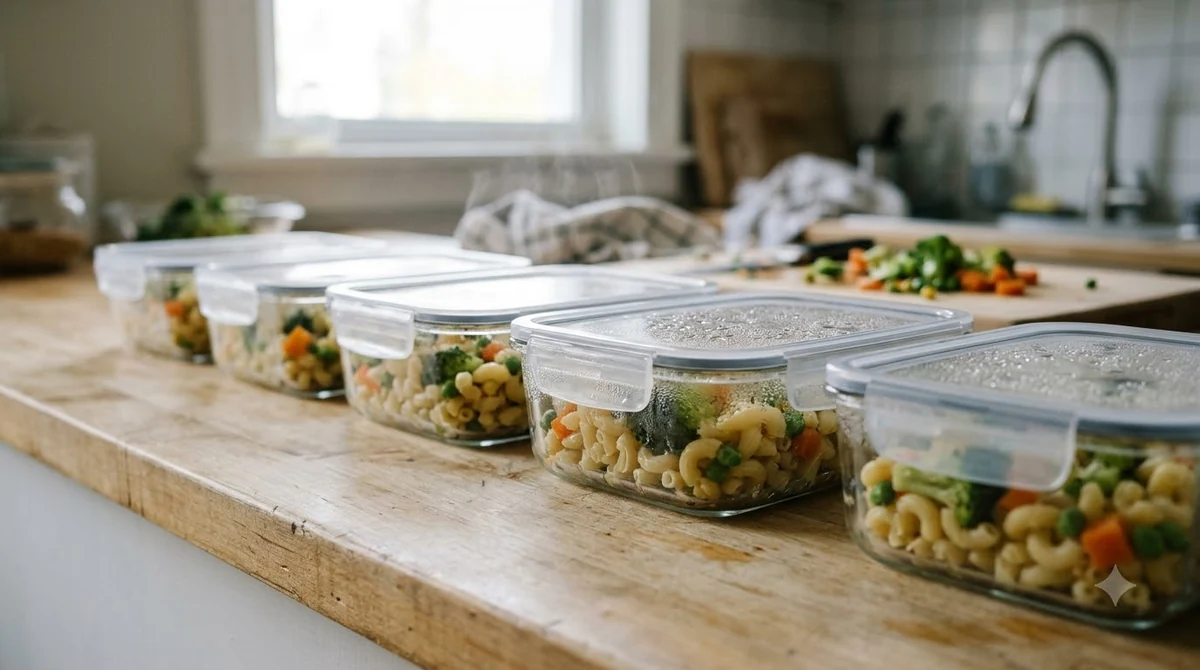
The steps below follow the core of how to store prosciutto at home, and they apply to sliced packs as well as carved slices from the deli counter. Use this sequence each time you put the ham away:
- Lay the slices flat between sheets of plastic so they do not stick together.
- Wrap the stack in waxy food paper, then cover it with plastic wrap.
- Optionally, place the wrapped package in an airtight container for extra protection.
- Set it toward the lower back of the fridge, where the temperature is coldest and most constant.
Tasting Table adds that the plastic sheets and waxy paper already act as a protective barrier, so prosciutto can stay in its original packaging, and it suggests buying modest quantities because the meat will not last long. Keep the fridge at about 40°F, and close the door quickly after each visit. Repeated door openings make the cold spots less stable, so keep the ham in one place rather than moving it around the shelves.
How long prosciutto keeps after opening or slicing
Carved or opened prosciutto keeps a maximum of five days in the fridge according to one editorial guide, while unopened vacuum packs last until the use-by date printed on the package. Timing is the part of how to store prosciutto that readers most often get wrong.
Tasting Table’s guide to how long prosciutto lasts in the fridge says freshly carved or opened vacuum-sealed slices will only keep for a maximum of five days. A US ham producer’s storage guide gives a longer figure, saying a piece carved from a whole prosciutto ham and wrapped tightly in plastic wrap may be kept in the fridge for several weeks. The two sources conflict, so use the shorter time when you are unsure.
| Form | Where | Time in the sources read |
|---|---|---|
| Unopened vacuum-sealed pack | Refrigerator | Until the use-by date on the package |
| Opened or carved slices | Refrigerator, wrapped | Maximum five days (editorial guide); several weeks (producer guide) |
| Slices wrapped for the freezer | Freezer | No time given; sources disagree on freezing |
| Whole leg | Cool storage | No home timeline in the sources read |
Storing a whole prosciutto leg
A whole prosciutto leg has no home-storage timeline in the sources read, so follow the label or the seller’s instructions and keep it cool. A whole leg is a different case from how to store prosciutto once it is sliced. Deli cases can display a leg for weeks because of the way it was cured, but that does not translate into a set period at home.
The Heritage Foods guide to storing whole prosciutto and country hams gives one example from the US. It describes a Kentucky country ham, a dry-cured ham the producer compares with Prosciutto di Parma, San Daniele or Serrano, though it is lightly smoked. The producer says an uncut, uncooked whole ham can hang in a dry place protected from insects, that it should not go into airtight containers such as plastic bags, and that some mold on a whole aged ham is normal and can be removed with vinegar, vinegar and water, or water and a bristle brush.
The producer also says such a ham can be kept whole without refrigeration for three years at most if it is kept dry and protected from insects and rodents.
That advice is for a specific American country ham, not for Italian prosciutto, so do not treat it as a rule for every leg. Follow the label or seller instructions for your own ham. Before you store a whole leg, check these points:
- The use-by or sell-by date printed on the packaging or tag.
- Whether the seller gave written care instructions for a whole leg.
- Whether the leg has already been cut. A cut leg should be handled like sliced prosciutto.
Freezing prosciutto
Freezing is the most debated step in how to store prosciutto. Sources disagree on freezing prosciutto: one editorial guide advises against it, while a US ham producer says tightly wrapped slices can go in the freezer. The editorial guide says the freezer ruins the composition of the meat.
If you decide to freeze slices, the producer’s method is to wrap them tightly in plastic wrap and then wrap that package in foil to prevent freezer burn. The sources read give no freezing time, so check the label before you freeze and do not rely on a fixed number of months.
Signs prosciutto has gone bad
Discard prosciutto that smells rancid, looks darkened, has mold spots, feels slimy or has become extremely dry, according to the same editorial guide. Knowing these signs completes the picture of how to store prosciutto safely, because no storage method can rescue meat that has already turned.
- A rancid or sour smell.
- Darkened color on the cut surface.
- Mold spots on the slices or the wrapping.
- A slimy feel when you touch the meat.
- Extreme dryness that does not improve after you rewrap it.
Common storage mistakes
Most errors in how to store prosciutto come down to air exposure and temperature. One common mistake is wrapping prosciutto in loose plastic bags, because gases build up inside and change the flavor, a producer guide warns. Wrap the slices tightly instead.
- Using loose plastic bags instead of tight wrapping.
- Leaving the fridge door open for long periods, which the editorial guide advises against.
- Storing the slices toward the door, rather than the lower back where the guide says it is coldest.
- Buying a large amount at once, when a smaller pack is easier to finish in time.
Frequently Asked Questions
Can prosciutto be left out of the fridge once sliced?
For sliced ham, how to store prosciutto starts with returning it to the fridge promptly after use. The sources read do not give a room-temperature time, so treat sliced ham as perishable and keep it cold between servings.
Is prosciutto still safe after the use-by date?
Unopened vacuum packs keep until the use-by date printed on the package. After that date, check the smell, color and texture, and discard it if any of the signs listed above appear.
Does foil alone work for storing prosciutto?
The producer guide uses foil as a second layer over plastic wrap, mainly for freezer storage. The sources read do not describe foil alone as the everyday wrap for refrigerated slices. For how to store prosciutto in the fridge, plastic wrap and waxy food paper remain the main layers.
How long does opened prosciutto last?
One editorial guide gives a maximum of five days for carved or opened vacuum-sealed slices. A producer guide says several weeks. Use the shorter time when you are unsure, and follow any date on the package.
Should prosciutto go in an airtight container?
An airtight container can be added around plastic-wrapped slices for extra protection. The sources warn against loose plastic bags, so keep the wrap snug and the container closed.
Where is the best place to keep prosciutto in the fridge?
Keep it toward the lower back of the fridge, where the temperature is coldest and most constant, at about 40°F. Keeping it in that spot is part of how to store prosciutto well between servings. The same guide advises keeping the fridge door closed, since leftovers should go back promptly.
The core of how to store prosciutto is simple: keep it cold and tightly wrapped. The sources disagree on fridge time and freezing, so the package label and the use-by date should decide when to eat or discard it. When in doubt, use the shorter time and buy smaller packs you can finish sooner. A small amount goes a long way in a fig and prosciutto pizza or a prosciutto and arugula pizza, and other cold-stored staples have their own rules, as in our guides on how to store Parmesan cheese and how to store fresh mozzarella.
 9 min readLearnHow to Store Dried Pasta So It Stays Fresh and Pest-FreeUpdated Nov 11, 2026
 9 min readLearnHow to Store Olive Oil So It Stays FreshUpdated Nov 11, 2026
 9 min readLearnHow to Store Parmesan Cheese So It Stays FreshUpdated Nov 11, 2026
 7 min readLearnHow to Reheat Pizza So the Crust Stays CrispUpdated Nov 10, 2026
 9 min readLearnHow to Store Fresh Mozzarella at HomeUpdated Nov 11, 2026
 9 min readLearnHow to Store Fresh Basil: 4 Easy Methods That WorkUpdated Nov 10, 2026