
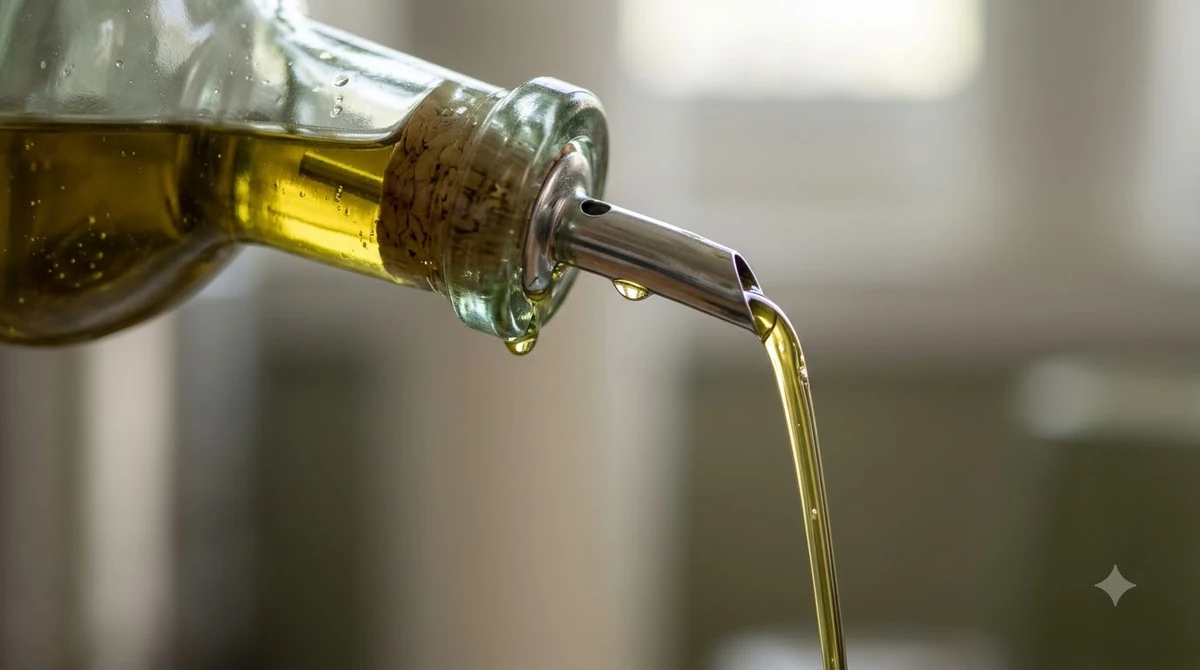

Knowing how to store olive oil comes down to three things: a cool temperature, darkness and as little air as possible. Heat, light and oxygen break the oil down, so a bottle left by a sunny window loses its flavor far faster than one kept in a cupboard.
The same rules apply to extra virgin olive oil and to every other grade. Here is how to store olive oil in practice: where to keep it, how to handle the fridge question, and how long it stays good after opening.
Why Olive Oil Goes Bad Faster Than You Think
Olive oil spoils through oxidation, and the International Olive Council (IOC) names light as its main threat to quality. Understanding that process makes it easier to learn how to store olive oil properly.
The IOC lists heat as the second biggest threat. Oxygen is what drives the oxidation itself, so every time you open the bottle, more air gets in and speeds it up, which dulls the flavor over time. Knowing how to store olive oil means controlling all three factors at once. For most kitchens, that comes down to three habits: a cupboard away from the stove, a dark bottle or foil wrap, and a cap that goes back on tight after every pour.
- Light: sunlight and ultraviolet rays break the oil down over time.
- Air: each pour lets oxygen into the bottle.
- Heat: warmth from an oven, stove or radiator speeds up spoilage.
How to Store Olive Oil in a Cool Spot
The IOC gives a storage range of 13 to 25 °C for olive oil, which suits a cool pantry or a kitchen cabinet away from appliances.
Two sources give slightly different guidance on how to store olive oil, so the table below compares them side by side. Both agree on the core point: avoid warm spots and keep the bottle where the temperature changes least.
| Source | Recommended range | Key advice |
|---|---|---|
| International Olive Council | 13 to 25 °C | Keep away from radiators, burners and windows |
| California Olive Ranch | 60 to 69 °F | Use a dark cupboard away from the stove and oven |
The California Olive Ranch storage guide notes that heat from a nearby stove or oven can damage olive oil. If your kitchen runs warm, a cabinet on the far side of the room is a better choice than a shelf above the cooktop.
When you cannot find a spot that stays cool, a shaded cabinet on an interior wall is usually the next best option. The goal is a steady temperature rather than a perfect number, so avoid moving the bottle between a sunny counter and a cold cupboard.
Keep the Bottle Away From Light
Store olive oil in a dark cupboard, because ultraviolet rays break it down over time and a sunny windowsill speeds that up.
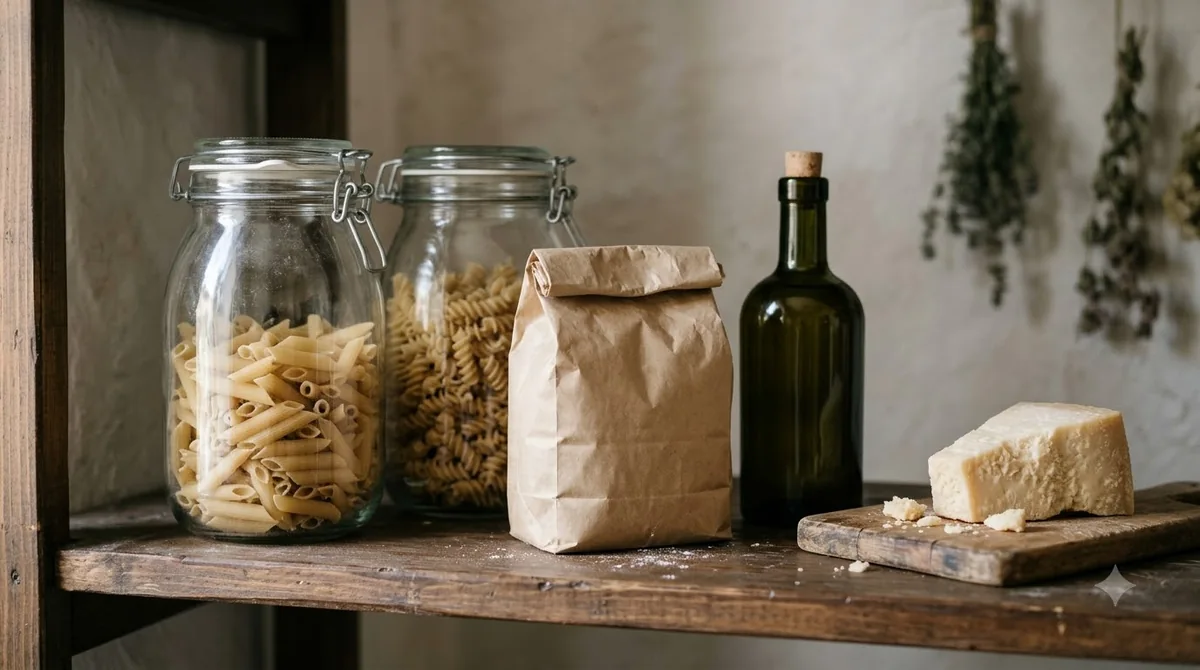
Dark colored glass bottles block much of that light, which is why many producers use them. For most shoppers, a dark bottle is the easiest part of how to store olive oil well. Bag-in-box packaging also blocks light, and its inner bag collapses as the oil comes out, so less air gets in.
If your oil comes in a clear bottle, cover it with aluminum foil or move it into a cupboard. The IOC says this matters most for transparent bottles, so check the label before you buy.
Think of light as a constant enemy. A bottle that sits in a dark cabinet for months is safer than one that spends each morning on a sunlit counter, even at the same temperature. Learning how to store olive oil is largely about choosing where the bottle spends most of its time.
Limit Air After You Open the Bottle
After opening, keep the cap tight and the air space inside the container small, because oxygen speeds oxidation. This is the part of how to store olive oil that most people overlook.
Here is how to store olive oil once it is open, following the IOC’s container advice:
- Close the cap firmly after every pour.
- Buy containers sized for one to three months of use.
- Decant large cans of 3 to 5 liters into smaller food-grade dark glass, ceramic or stainless steel containers.
- Skip iron containers, since iron promotes oxidation.
The IOC also warns against storing oil near paints, detergents, cooking fumes and smoky areas, because olive oil absorbs odors. Sediment at the bottom of the bottle is natural and does not mean the oil is spoiled.
Wipe the bottle lip after each pour so the cap seals properly. A tight seal is the simplest habit that supports good storage, and it takes only a few seconds.
Should You Keep Olive Oil in the Fridge?
UC Davis Olive Center research says a fridge is not harmful, and oil kept at 15 °C lasted longer than oil kept at 25 °C.
The UC Davis Olive Center fact sheet lists refrigerated and frozen storage as a myth and reports that oil kept at freezer temperature held higher quality than oil kept at fridge temperature. The fridge question still has a practical downside, though. California Olive Ranch warns that condensation can form under the lid and drop into the oil, adding oxygen.
The IOC adds that cooling to around 4 °C can help prevent oxidation, and the solid fat that forms when cold is reversible and does not affect quality. For unfiltered oils, it notes that the cold can bring out more suspended particles and reduce polyphenol content. Use these rules to decide:
- Choose a cupboard if you use the oil every week and want to avoid condensation.
- Choose the fridge if your kitchen runs very warm and the bottle will last months.
- If you refrigerate, dry the bottle before you put it away and keep the cap tight.
No matter which spot you pick, the core answer to how to store olive oil stays the same. Keep the bottle out of light, keep the cap tight, and avoid swings in temperature. Those habits matter more than whether the bottle lives in the fridge or the cupboard.
How Long Olive Oil Lasts After Opening
A key part of how to store olive oil is timing: once opened, the IOC advises using olive oil within one to three months, while California Olive Ranch suggests 30 to 60 days.
| Source | Use after opening | Note |
|---|---|---|
| International Olive Council | 1 to 3 months | Buy only as much as you can use in one year |
| California Olive Ranch | 30 to 60 days | Olive oil does not improve with age |
The two windows differ, so the shorter one is the safer plan. If a bottle will not be finished within a month or two, switch to a smaller size next time rather than leaving it on the shelf.
The IOC advice to buy only what you can use in one year is a useful cap on bottle size. A large jug can go stale before the last pour, so match the size to how fast you actually cook. Smaller bottles also mean the oil spends less time with air in the container.
Cloudiness, Sediment and Other False Alarms
A common worry about how to store olive oil is cloudiness, but cloudiness or sediment does not mean olive oil has gone bad, according to the UC Davis Olive Center.
Natural sediment is no cause for concern according to the IOC, although it recommends decanting the oil to keep its quality, and UC Davis notes that cloudiness or sediment may hasten off-flavors. A better signal is your own senses: a stale smell or a flat taste that no longer matches the bottle’s flavor tells you the oil has lost quality.
Good habits for how to store olive oil slow the process but cannot reverse oxidation that has already happened. The IOC guidance was written for olive oils and olive pomace oils, and it says the same rules can be applied to other vegetable oils. For quality questions that are not about storage, see how to tell if olive oil is real and the types of olive oil. That is why buying smaller bottles matters as much as where you keep them.
If a bottle tastes off, note when you opened it and where it sat. That record shows whether the problem was storage or age, and it helps you decide how to store olive oil next time.
Frequently Asked Questions
Can I keep olive oil next to the stove?
No. Heat from a nearby stove or oven can damage olive oil, according to California Olive Ranch. The IOC lists heat as the second biggest threat after light, so a cabinet on the far side of the kitchen works better than a shelf above the cooktop. Learning how to store olive oil away from heat is the simplest fix.
Is a clear bottle fine for olive oil?
It works if you keep it out of light, which is central to how to store olive oil well. The IOC says light is the main threat, and the risk matters most for transparent bottles. Wrap a clear bottle in aluminum foil or move it into a dark cupboard, and check that the cap seals tightly after each use.
How much olive oil should I buy at once?
Buy only as much as you can use within one year, and choose a container sized for one to three months of use, according to IOC guidance. A large can only makes sense if you decant it into smaller containers once opened, which reduces the air inside.
Does bag-in-box packaging keep olive oil fresh?
Yes, bag-in-box packaging blocks light, and the inner bag collapses as the oil comes out. California Olive Ranch says the bag is flushed with nitrogen, so the oil touches little oxygen. Once the bag is opened, the same one to three month window still applies, so the same rules for how to store olive oil still hold.
Are metal cans safe for storing olive oil?
Avoid iron containers, since the IOC says iron promotes oxidation. If you buy oil in a large tin, decant it into food-grade glass, ceramic or stainless steel containers that stay out of light.
Buy the smallest bottle you can finish within a few months, keep it in a dark cupboard away from the stove, and close the cap after every pour. These habits matter more than any special container, and they are the core of how to store olive oil at home. When it is time for a new bottle, our best olive oil guide is a good place to start. If you buy a large supply, decant it into smaller dark containers so the oil does not sit in a half-empty can for months.
 9 min readLearnHow to Store Parmesan Cheese So It Stays FreshUpdated Nov 11, 2026
 9 min readLearnHow to Store Dried Pasta So It Stays Fresh and Pest-FreeUpdated Nov 11, 2026
 8 min readLearnHow to Store Prosciutto So It Stays FreshUpdated Nov 11, 2026
 7 min readLearnHow to Reheat Pizza So the Crust Stays CrispUpdated Nov 10, 2026
 8 min readLearnHow to Tell If Olive Oil Is Real: Label, Grade, and Taste ChecksUpdated Nov 11, 2026
 9 min readLearnHow Long Does Olive Oil Last?Updated Nov 11, 2026