
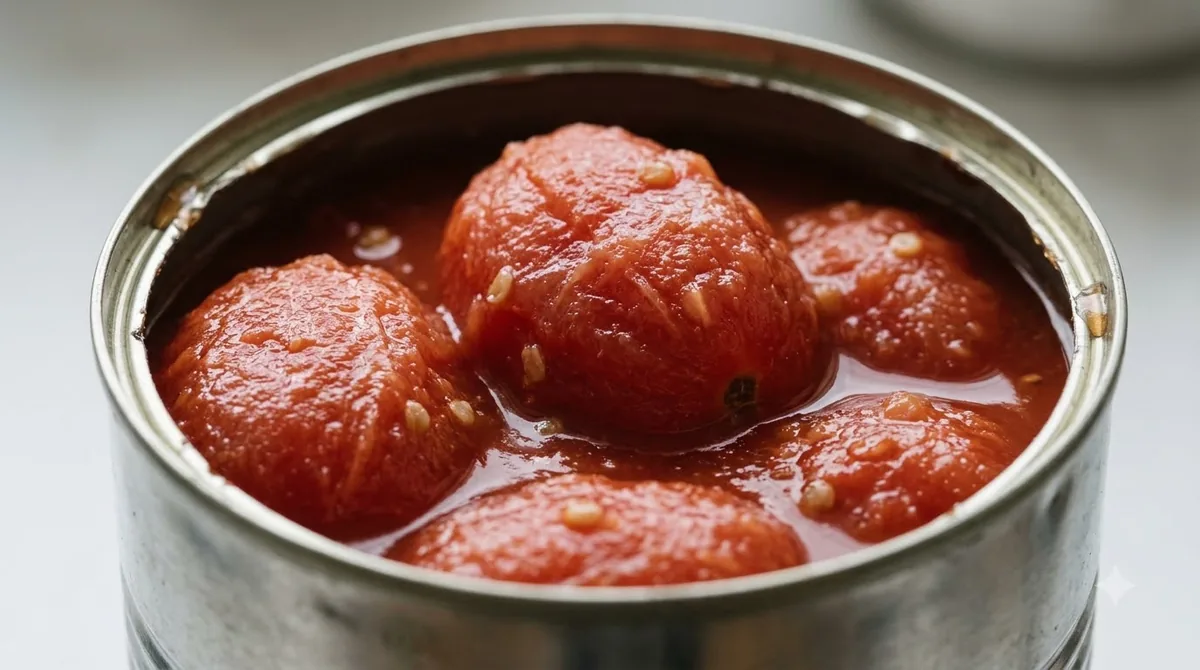

An Italian meatballs recipe mixes ground meat with bread crumbs, grated cheese, eggs, garlic and parsley, then bakes the balls at 400°F until they are lightly browned. The meat is shaped by hand, so the portions stay even and the balls cook at the same pace.
This Italian meatballs recipe follows a baked version from Ina Garten that uses sirloin, pork and veal. The cooked meatballs then simmer in marinara before they are served over pasta or polenta.
Ingredients for an Italian Meatballs Recipe
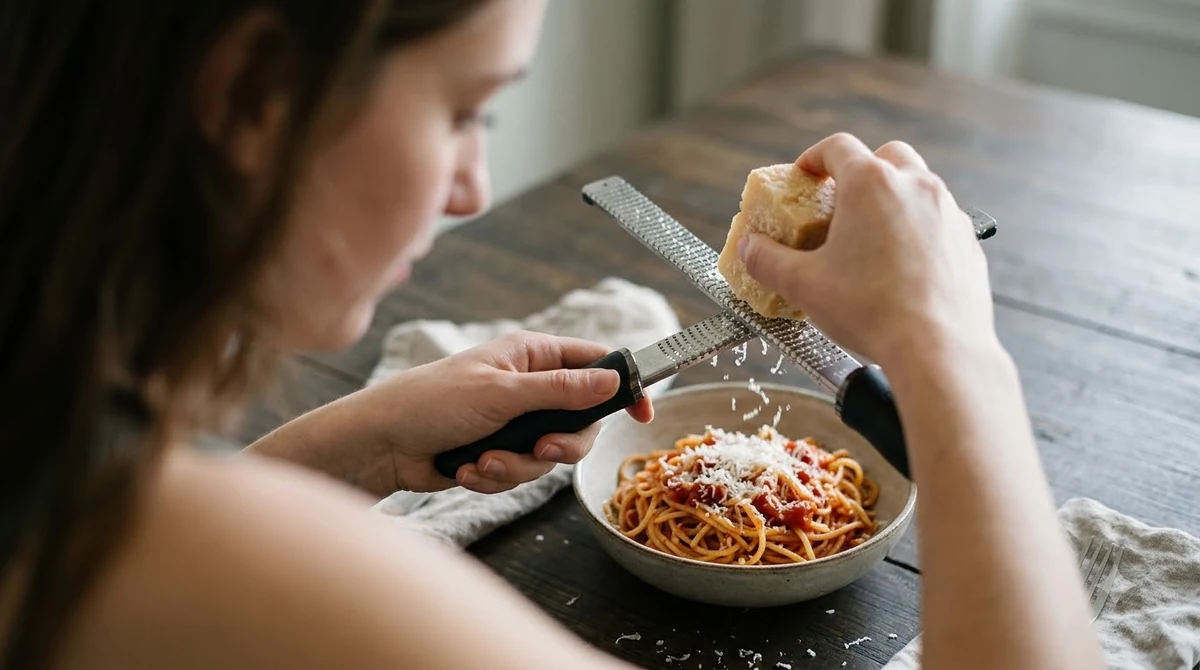
This Italian meatballs recipe makes 30 to 32 meatballs from one pound of sirloin, half a pound each of pork and veal, and 1 3/4 cups of dry seasoned bread crumbs. The full amounts are listed in the table below, as published by Food Network.
| Ingredient | Amount |
|---|---|
| Ground sirloin | 1 pound |
| Ground pork | 1/2 pound |
| Ground veal | 1/2 pound |
| Dry seasoned bread crumbs | 1 3/4 cups |
| Pecorino cheese, freshly ground | 1/2 cup |
| Parmesan cheese, freshly ground | 1/2 cup |
| Extra-large eggs, lightly beaten | 2 |
| Garlic cloves, minced | 2 |
| Fresh parsley leaves, chopped | 2 tablespoons |
| Kosher salt | 2 teaspoons |
| Black pepper, freshly ground | 1/2 teaspoon |
| Dry red wine, such as Chianti | 3/4 cup |
| Water | 3/4 cup |
| Good olive oil, for brushing | 1/4 cup |
| Marinara sauce | Two 32-ounce jars |
This version of the Italian meatballs recipe uses red wine and water rather than milk. Recipes that soak bread crumbs in milk first are a different formula, so their mixing and timing should be checked on their own terms before you substitute anything. Treat any swap as a new formula, not a small tweak.
Choosing the Meat Blend
Half of the two pounds of meat in this Italian meatballs recipe is sirloin, and the other half is equal parts pork and veal. This mix gives a beef-forward flavor with a milder background from the pork and veal.
A USDA Agricultural Research Service article on meatballs describes a study that used ground veal and ground beef. The researchers reported no difference between the two meats in how much E. coli was reduced during cooking, so the safety rule depends on temperature and not on which meat you pick.
A pork-only or all-beef blend follows the same cooking and temperature rules as any other Italian meatballs recipe, although the flavor and fat level will change. The Ina Garten amounts are a starting point, and the fat content of ground meat varies by the butcher or store, so the texture of your first batch may differ.
Mixing and Shaping the Meatballs
Mix the meat, crumbs, cheeses, garlic, parsley, salt and pepper first, then add the eggs, wine and water and mix gently but thoroughly. Gentle mixing keeps the balls tender, and the goal is an even blend with no dry pockets of crumb. Every Italian meatballs recipe depends on this step, because the crumbs, cheese and egg have to be spread evenly through the meat before the balls are shaped.
Portion the mixture into 2-ounce scoops and roll each one lightly into a ball. Two ounces is about 57 grams, which is larger than the 40-gram meatballs used in the USDA study, so the bake times in this article come from the Ina Garten recipe and not from the study.
Packing the balls tightly is a common mistake. Pressing hard squeezes out the texture, and rolling lightly keeps the meatballs loose enough to hold their shape while they bake. A 2-ounce ball is a useful size for an Italian meatballs recipe because it is easy to portion evenly across 30 or more balls, which matches the yield in the source.
Larger balls need a thermometer check rather than trust in the clock. The bake time in this article assumes the 2-ounce size, so if you roll bigger meatballs, check the center of one before pulling the pan.

Baking the Meatballs at 400°F
Bake the shaped Italian meatballs at 400°F for 25 to 30 minutes, until lightly browned, in the Ina Garten recipe on Food Network. The method uses two sheet pans lined with parchment.
- Heat the oven to 400°F and line two sheet pans with parchment.
- Portion the mixture into 2-ounce scoops, roll them lightly, and space them about an inch apart on the pans.
- Brush the meatballs with olive oil.
- Bake for 25 to 30 minutes, until lightly browned.
The recipe gives a baking time but no internal temperature, so the doneness check in a later section is still needed. A good Italian meatballs recipe gives a time as a guide and a temperature as the proof. Brushing with oil helps the surface brown, and the parchment keeps the balls from sticking to the pan.
Simmering in Marinara
After baking, the Ina Garten version simmers the meatballs in marinara for about 10 minutes, until they are heated through. Two 32-ounce jars of marinara are used in a large pot. If you want a jar to buy, see the best marinara sauce picks.
Bring the marinara to a simmer first, then add the baked meatballs and let them warm in the sauce. The recipe serves them over creamy Parmesan polenta or cooked spaghetti, with extra Parmesan on top. For a full pasta dinner, see the spaghetti and meatballs recipe and how to finish pasta in the sauce.
Simmering is optional in an Italian meatballs recipe, so the baked meatballs can stand alone with a salad or a side of vegetables. If you serve the baked meatballs without sauce, skip this step. The recipe does not say how many meatballs one jar of marinara covers, so taste the sauce and adjust the amount for your pot. For a slow-simmered meat sauce, see the Sunday gravy recipe.
Checking Doneness for Safety
Ground beef, pork, veal and lamb reach the USDA safe minimum of 160°F (71.1°C), according to the chart published by UNL Food at the University of Nebraska-Lincoln. The Ina Garten recipe does not give this number, so a thermometer is the only way to confirm it.
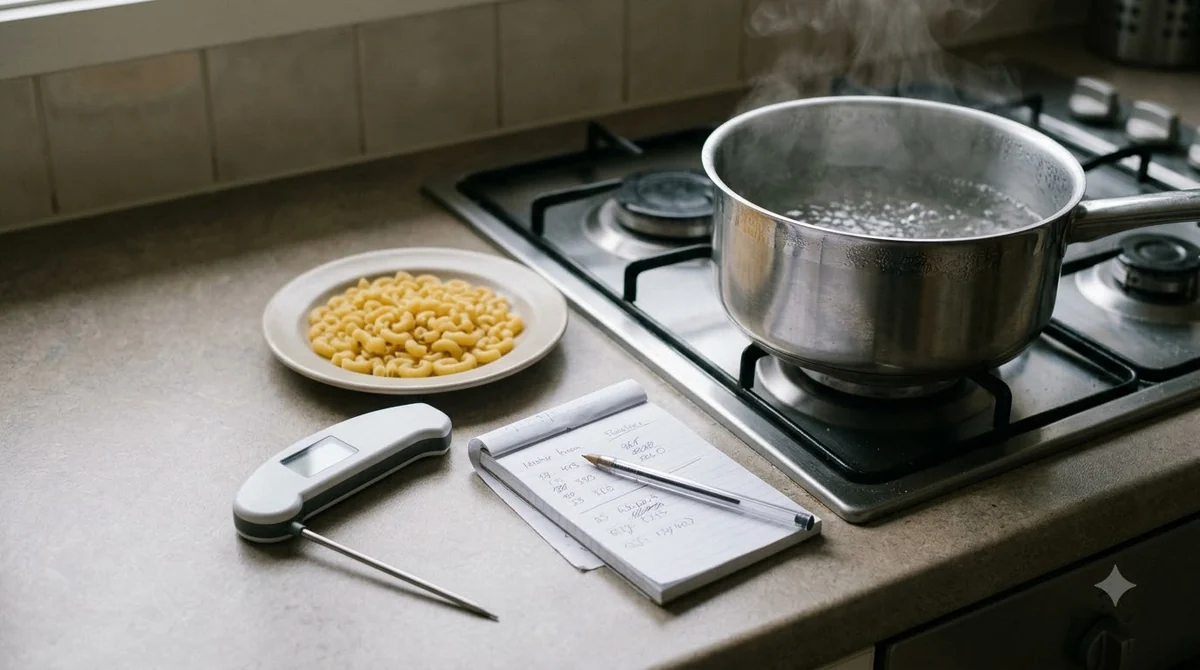
- Ground meat, including beef, pork, veal and lamb: 160°F (71.1°C), with no rest time listed.
- Whole cuts of beef, pork, veal and lamb: 145°F (62.8°C), with a rest of at least 3 minutes.
- Poultry, including ground poultry: 165°F (73.9°C).
For any Italian meatballs recipe, the center is the point to check, not the browned surface, so insert the thermometer into the center of the largest meatball. The USDA Agricultural Research Service notes that many cooks do not check meatballs with a thermometer, and its study was built around that gap by testing time-based methods instead.
Common Mistakes to Avoid
Four problems come up often: overmixing, uneven sizes, crowding the pan and pulling the meatballs out too early. Each one is easy to prevent while you cook, and none needs more than a thermometer and a scale.
- Mixing hard until the meat turns pasty. Mix gently but thoroughly, as the Ina Garten method says.
- Rolling some balls much larger than others. Uneven balls reach doneness at different times.
- Judging doneness by color alone. Use a thermometer in the center of a meatball.
- Crowding the pan. The recipe spaces the balls about an inch apart so the heat reaches all sides.
Frequently Asked Questions
Can I make an Italian meatballs recipe without eggs?
The Ina Garten version binds the mix with two lightly beaten extra-large eggs, so leaving them out changes how the meatballs hold together in any Italian meatballs recipe. The recipe does not give a substitute, so test any change in a small batch before cooking the whole pound of meat.
What internal temperature should Italian meatballs reach?
Ground meat in an Italian meatballs recipe should reach 160°F (71.1°C), according to the USDA chart cited by UNL Food. The Ina Garten recipe gives a bake time but no temperature, so check the center of a meatball with a thermometer before serving.
Should I bake or fry Italian meatballs?
This recipe is baked at 400°F for 25 to 30 minutes. The USDA study tested both an oven at 350°F and deep frying, but its times were for lab samples of 40-gram meatballs, so they do not transfer directly to a home recipe.
Which meat blend works best for Italian meatballs?
The Ina Garten version uses one pound of sirloin with half a pound each of pork and veal. The USDA study found no difference between ground veal and ground beef in E. coli reduction, so choose the blend that suits your taste and budget.
Can I freeze Italian meatballs before cooking?
The USDA study froze its meatballs at -4°F before testing, but that was part of a lab test, not a home instruction. Look up current freezing guidance from a food safety source before freezing a raw meat mixture at home, because the Italian meatballs recipe here does not cover freezing.
How many meatballs does one batch make?
The Ina Garten recipe yields 10 servings, or 30 to 32 meatballs, when each portion is a 2-ounce scoop. Smaller or larger scoops change the count, and the bake time may change with them.
Start with the ingredient list for this Italian meatballs recipe, weigh the meat if you can, and check the center of a meatball with a thermometer before serving. If you want a different binder or a different meat blend, treat it as a new Italian meatballs recipe and check doneness again.
 8 min readLearnItalian Wedding Soup Recipe: Meatballs, Greens and OrzoUpdated Nov 12, 2026
 9 min readLearnSpaghetti and Meatballs Recipe: Classic Italian-American MethodUpdated Nov 10, 2026
 8 min readLearnPasta al Forno Recipe: 6 Easy Steps to Italian Baked PastaUpdated Nov 11, 2026
 8 min readLearnRagu alla Napoletana Recipe: A Slow-Simmered Neapolitan ClassicUpdated Nov 10, 2026
 7 min readLearnMarinara Pizza Recipe: A Simple No-Cheese Pizza at HomeUpdated Nov 10, 2026
 8 min readLearnBaked Spaghetti Recipe: Oven and Skillet VersionsUpdated Nov 12, 2026