
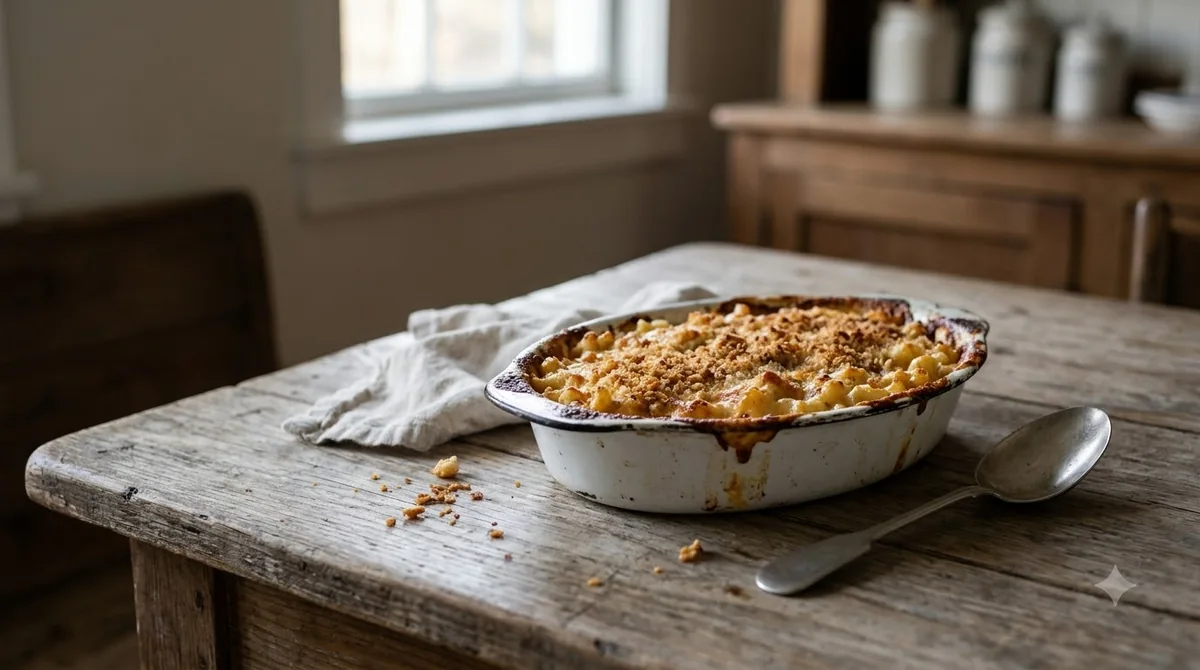

This pasta al forno recipe makes a baked Italian pasta dish in which short tubes of pasta are mixed with meat ragu, creamy bechamel and cheese, then baked until the top is golden. The recipe below serves 4 and takes about 3 hours in total, most of it spent simmering the sauce. Pasta al forno, which means “pasta from the oven,” is a family favorite for Sundays and holidays across Italy.
What Is Pasta Al Forno?
Pasta al forno is a baked pasta dish that is most often made for Sunday lunch or public holidays, especially in southern Italy. Unlike lasagna, where the sheets are layered with sauce, the pasta is mixed with the sauce before it goes into the dish, so every piece is coated and the result is a looser, more scoopable bake.
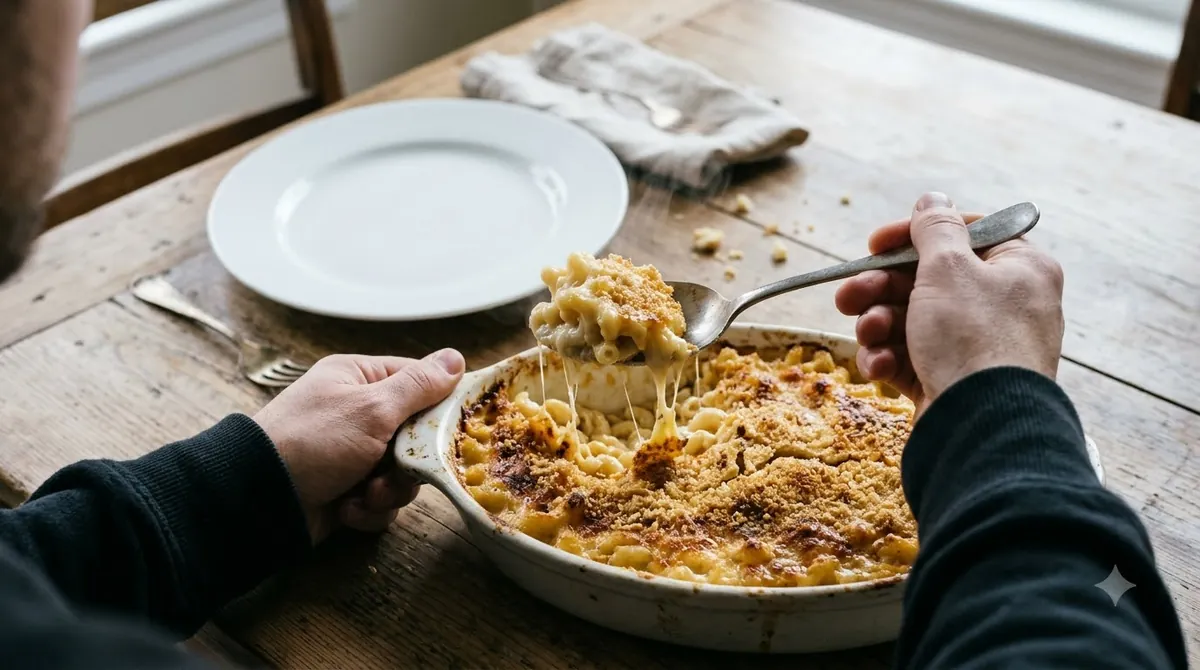
The dish has no single official version. The Pasta Project (pasta al forno guide by The Pasta Project) describes hundreds of different baked pasta recipes, and says the most traditional form uses a meat ragu. Each region has its own way of making ragu, so the flavor of a pasta al forno recipe depends a great deal on where the cook learned it.
Because of that variety, a good starting point is a classic Bolognese-style pasta al forno recipe that you can adjust later. The version below is a pasta al forno recipe that follows one published method from Recipes from Italy, written by Silvana Nava, and adds practical notes on shape, oven timing and serving.
Ingredients for Pasta Al Forno
A classic pasta al forno recipe for 4 servings combines a Bolognese sauce, a milk bechamel, short pasta, diced mozzarella and grated Parmigiano Reggiano. The quantities below come from that published recipe.
Bolognese ragu
- 300 g (10 oz) coarsely ground beef
- 150 g (5 oz) sliced pancetta, or minced pork as a substitute
- 300 g (1 1/4 cups) tomato passata or crushed peeled tomatoes
- 1 small carrot, 1 celery stalk and 1 small onion, finely chopped
- 100 ml (about 1/2 cup) dry white wine
- 100 ml (about 1/2 cup) whole milk
- 300 ml (1 1/4 cups) meat broth
- 3 tablespoons extra virgin olive oil, plus salt and black pepper to taste
Bechamel
- 1 liter (4 cups) fresh whole milk
- 100 g (about 1 stick) unsalted butter
- 100 g (2/3 cup) all-purpose flour
- 1/2 teaspoon salt and freshly grated nutmeg
Pasta and cheese
- 350 g (10 oz) rigatoni, or another short durum wheat pasta
- 200 g (7 oz) fresh mozzarella, diced
- 100 g (1 cup) grated Parmigiano Reggiano
The ragu in this pasta al forno recipe is the part that takes time. The Bolognese in this recipe (compare our Bolognese sauce recipe) is not a quick sauce: the published timing lists about 2 hours 30 minutes for the sauce alone, which is why the total is about 3 hours. The bechamel is quicker (our bechamel sauce recipe covers the basics), and it adds the creamy layer that makes the dish feel rich without a heavy tomato base.
Step-by-Step Pasta Al Forno Recipe
Follow this pasta al forno recipe in order: make the ragu first, then the bechamel, then combine everything and bake. Following that order keeps the pasta from sitting around while the sauce is still hot and thick.
- Chop the carrot, celery and onion finely. Soften them in the olive oil in a heavy pan, then add the pancetta and cook until the fat renders.
- Add the ground beef and brown it, breaking it up as it cooks. Pour in the white wine and let it evaporate.
- Add the milk and let it reduce, then stir in the passata and the broth. Season with salt and pepper and simmer gently until the sauce is thick and rich.
- For the bechamel, melt the butter in a saucepan, stir in the flour, and cook for a minute. Whisk in the warm milk gradually, add the salt and a little grated nutmeg, and simmer until smooth and thick.
- Cook the rigatoni in salted water until just short of al dente, since it will cook again in the oven. Drain it well.
- Toss the pasta with the ragu, half the bechamel, the diced mozzarella and half the Parmigiano. Spoon the mixture into a buttered baking dish, spread the rest of the bechamel on top and sprinkle with the remaining Parmigiano.
- Bake as described in the next section, let the dish rest for about 5 minutes, then cut and serve.
If you want to make this pasta al forno recipe ahead, the ragu can be prepared a day in advance. Reheat it gently, assemble the pasta al forno and bake it just before serving.
Oven Temperature and Timing
Bake the dish at 180 C (356 F) for about 15 minutes, then raise the oven to 200 C (392 F) and bake for about 5 more minutes, until the top is golden and crisp. The second, hotter stage is what gives the cheese its browned edges.
| Stage | Oven setting | What to look for |
|---|---|---|
| First bake | 180 C (356 F), about 15 min | Dish heated through and the cheese starting to melt |
| Finish | 200 C (392 F), about 5 min | Top golden and crisp at the edges |
| Rest | Off the heat, about 5 min | Sauce settles so the slices hold their shape |
The timing in this pasta al forno recipe is a guide. Oven settings vary from one brand and one home oven to another, so use the color of the top as your guide as well as the clock. The pasta’s own cooking time on the box is a separate question: cook it to the firm side because it will soften further in the oven. For the official guidance on your specific pasta, check the package.
Choosing the Right Pasta Shape
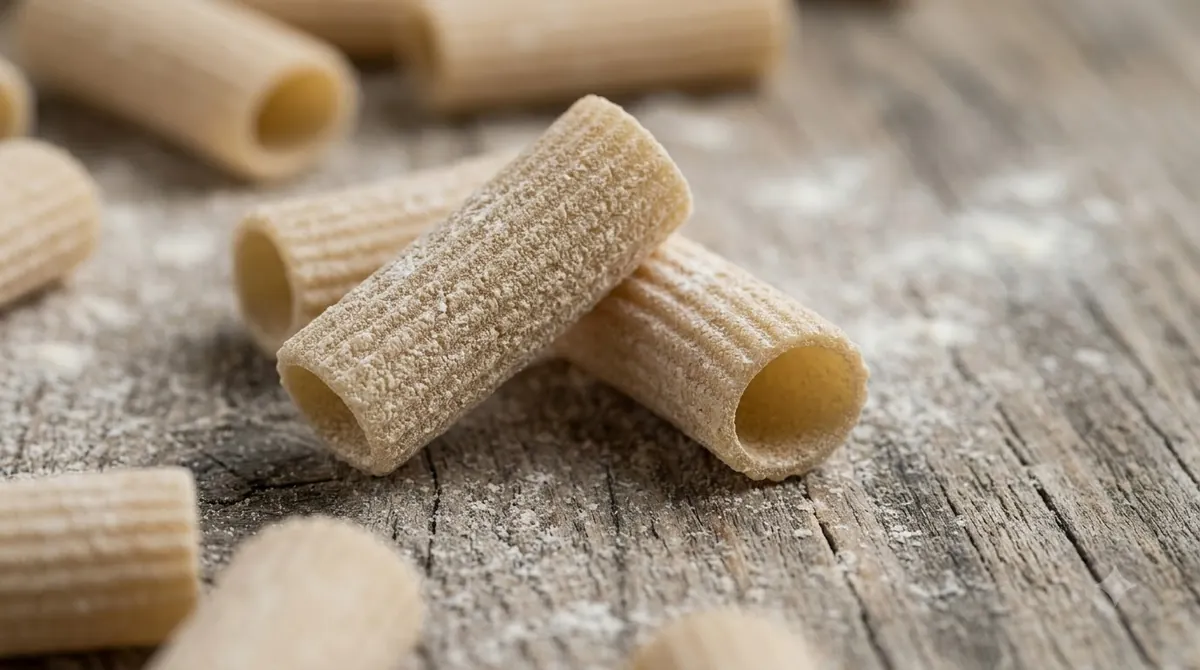
Short, sturdy tubes and shells work best in any pasta al forno recipe, because they trap ragu and bechamel inside and hold their shape when cut. The recipe names rigatoni as the first choice (see our rigatoni pasta guide) and lists penne, mezze maniche and conchiglie as good alternatives.
| Shape | Why it works |
|---|---|
| Rigatoni | Wide tubes with ridges that grip the sauce; the recipe’s first choice |
| Penne | Smooth or ridged tubes that stay hollow and fill with sauce |
| Mezze maniche | Half-length tubes that are easy to scoop and layer |
| Conchiglie | Shells that cup pockets of ragu and bechamel |
Avoid long, thin pastas such as spaghetti. They tangle, do not hold chunky ragu well, and become hard to portion once baked. Fresh pasta is also a poor match, because it softens too much in the oven.
Regional Variations to Try
Pasta al forno varies widely by region, and a similar American dish is covered in our baked ziti recipe. Once you have the basic method down, the easiest way to explore it is to change the cheese, add a traditional filling or swap the meat.
- Sicilian style: The Pasta Project describes a version with tortiglioni, caciocavallo cheese and peas stirred into the sauce about 15 minutes before it is finished.
- Southern Italian style: Hard-boiled eggs, fried meatballs and local cheeses such as provolone or caciocavallo are common additions.
- Cheese swaps: Mozzarella is the most common choice, but scamorza, caciocavallo and provola are also used.
- Vegetarian version: Many home cooks build the dish on a rich tomato sauce with a cheese sauce instead of meat, then finish it with breadcrumbs for crunch.
The sauce is the main way to make a pasta al forno recipe your own. Keep the proportions of pasta, sauce and cheese close to the base recipe, and change the flavors within that structure.
Common Mistakes to Avoid
Most problems with a pasta al forno recipe come from a sauce that is too loose, pasta that is overcooked before it goes in the oven, or a dish cut too soon. Each of these is easy to avoid with a little planning.
- Under-reducing the ragu. A wet sauce makes the bake soupy. Simmer until the sauce coats a spoon and no longer pools.
- Cooking the pasta fully. It keeps cooking in the oven, so drain it while it still has a firm bite.
- Skipping the rest. Cutting straight from the oven spills the sauce. Give it a few minutes.
- Under-seasoning the bechamel. The salt and nutmeg are small amounts, but they balance the richness of the dish.
Frequently Asked Questions
Can I make a pasta al forno recipe ahead of time?
Yes. The ragu can be made a day ahead, and the assembled dish can be baked just before serving. Keep the bechamel and cheese until you assemble, so the top browns properly.
Is pasta al forno the same as lasagna?
No. Lasagna is built in layers of flat sheets, while pasta al forno mixes the pasta with the sauce. For the layered version, see how to make lasagna. The two share many ingredients, including ragu, bechamel and cheese.
Do I have to use bechamel?
Many versions include it, and the classic recipe here does. Some regional recipes leave it out, so you can skip it if you want a lighter bake, but the dish will be drier and less creamy.
Can I make a vegetarian pasta al forno recipe?
Yes. Vegetarian versions use a tomato sauce with a cheese sauce, and some add vegetables. Use the same method for assembly and baking.
How should I store leftovers?
Refrigerate leftovers promptly in a sealed container. For how long they stay safe and the correct reheating temperature, check current USDA food safety guidance, because the exact times are set by that agency rather than by a recipe.
A pasta al forno recipe rewards patience more than skill. Start with the classic ragu and bechamel from this pasta al forno recipe, use a short tube pasta, and bake in two steps so the top turns golden. Once that works, change the cheese or add a regional touch to make the dish your own.
 9 min readLearnThin Crust Pizza Dough Recipe: 6 Easy StepsUpdated Nov 6, 2026
 8 min readLearnPasta al Pomodoro Recipe: Simple Italian Tomato Pasta at HomeUpdated Nov 10, 2026
 8 min readLearnItalian Meatballs Recipe: Baked at 400°F and Simmered in MarinaraUpdated Nov 12, 2026
 7 min readLearnItalian Pasta Salad Recipe: Ingredients, Steps and StorageUpdated Nov 11, 2026
 8 min readLearnCheese Pizza Recipe: 2 Doughs and Easy Bake StepsUpdated Nov 10, 2026
 8 min readLearnTiramisu Recipe: 7 Easy Steps for a Classic DessertUpdated Nov 12, 2026