
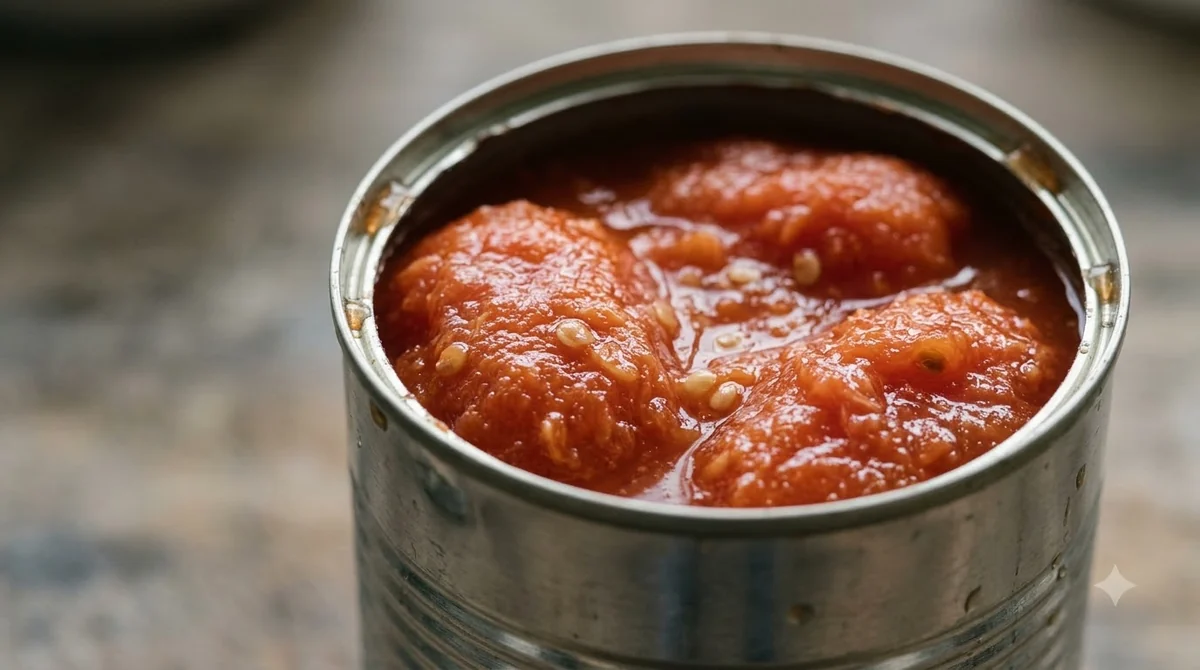

The best marinara sauce is usually the jar with tomatoes listed first and a short, readable ingredient list. Marinara is a simple tomato sauce made from tomatoes, garlic, onions and herbs, so the label tells you most of what you need. Start with the tomato, then check sugar, salt and oil before you pick a style for your dish.
| Pick | Best for | Key check |
|---|---|---|
| Plain tomato and basil | Everyday pasta | Tomatoes listed first, short ingredient list |
| Italian style with olive oil and oregano | Classic Italian pasta dishes | Olive oil and herbs appear on the label |
| Meat style (ragu or Bolognese style) | Baked dishes and hearty pasta | Meat content and fat on the label |
| Passata (uncooked tomato puree) | Building your own sauce | One ingredient, tomatoes only |
| No sugar added | Low-sugar cooking | Sugar line on the nutrition panel |
The jars below are widely sold options for the best marinara sauce on a weeknight. Compare the ingredient order and the sugar and sodium lines on each label before you choose, because the same brand can sell several styles.

Rao's Homemade Marinara Sauce, 24 oz
Pros & ConsViewHide
Reasons to buy
- 24 oz jar of marinara made with Italian tomatoes
- Short ingredient list that avoids tomato puree and citric acid, per Tasting Table
- 4.7-star average on Amazon
Reasons to avoid
- Listing shows few ratings compared with big supermarket sauces
- Price per jar can vary a lot between sellers and multi-packs

Pros & ConsViewHide
Reasons to buy
- Organic marinara at a budget price
- Large 25 oz jar
- Rated 4.6 stars across more than 8K Amazon ratings
Reasons to avoid
- Store brand, so recipe can change
- Less distinctive flavor than premium jars

Bertolli Traditional Marinara sauce
Pros & ConsViewHide
Reasons to buy
- Traditional marinara in 24 oz jars
- Pack of 6 lowers the cost per jar
- Rated 4.7 stars on Amazon
Reasons to avoid
- Six jars is a lot to store if you cook pasta occasionally
- Sold as a multi-pack only

Colavita Marinara Sauce, 13.76 oz
Pros & ConsViewHide
Reasons to buy
- Italian-style marinara from a well-known Italian brand
- Rated 4.7 stars on Amazon
- 13.76 oz jar suits a pound of pasta
Reasons to avoid
- Check the listing for pack size and price per jar
- Only a few hundred ratings
What Marinara Sauce Is
Marinara is a tomato sauce usually made with tomatoes, garlic, onions and herbs, and the Italian version often leans on basil, olive oil and oregano.
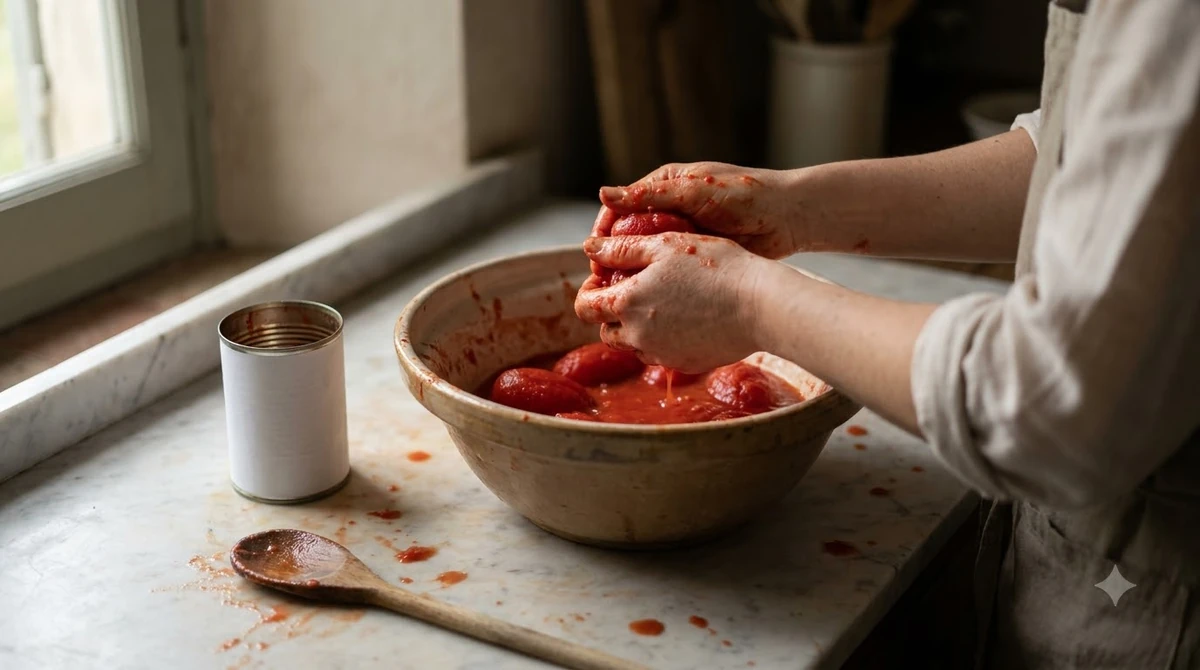
Wikipedia’s marinara entry lists optional capers, olives, spices and a dash of wine as common variations. The Italian-American version often includes onions, while the Italian original is named “alla marinara,” or “sailor’s style.”
Knowing where the sauce comes from helps you judge the best marinara sauce on a shelf. The earliest documented Italian tomato sauce appears in Antonio Latini’s cookbook Lo Scalco alla Moderna, published in two volumes in 1692 and 1694. That early version was closer to a fresh salsa than to the cooked sauce you buy in a jar today. Pomodoro and marinara also differ in texture and simmer time, as the pomodoro vs marinara comparison explains.
The word also causes confusion. In Australia, New Zealand, Spain and South Africa, spaghetti marinara mixes a tomato sauce with fresh seafood. In Italy, a seafood pasta like that is more commonly called “alla pescatora.”
Why San Marzano and DOP Labels Matter
Authentic San Marzano tomatoes come from the Sarno Valley in Italy, and qualifying cans can carry the EU protected designation of origin (PDO) emblem.
Wikipedia’s San Marzano entry explains that canned San Marzanos qualify when grown in the Valle del Sarno in line with Italian law. A qualifying can may read “pomodoro di San Marzano dell’agro sarnese-nocerino” alongside the EU PDO emblem.
- Shape: thinner and more pointed than a Roma, with thicker flesh and fewer seeds.
- Taste: described as stronger, sweeter and less acidic than a Roma.
- Label: look for the full protected name and the emblem, not just the words “San Marzano” on the front.
Labels matter because mislabeled cans have been a real problem. In November 2010, Italian Carabinieri seized 1,470 tonnes of improperly labeled canned tomatoes, worth 1.2 million euros.
If you want the best marinara sauce with a San Marzano base, look for the full protected name. A PDO label tells you where the tomato grew, not how the finished sauce was seasoned. Read the ingredient list too, because a PDO tomato in a heavily salted or sugared sauce may not suit your cooking.
Passata, Puree, or Marinara?
Passata is uncooked tomato puree strained of seeds and skins, while tomato puree is cooked and strained, and marinara is a finished, seasoned sauce.
| Product | What it is | Best use |
|---|---|---|
| Passata | Uncooked tomato puree, strained of seeds and skins | A base for a sauce you season yourself |
| Tomato puree | Cooked and strained, thicker and deeper in flavor than sauce | Adding body to soups and stews |
| Marinara | Finished sauce with garlic, herbs and often onions | Serving straight over pasta |
Wikipedia’s passata entry notes that tomato puree generally lacks the additives common to a complete tomato sauce. That means a jar of marinara usually carries more seasoning than a plain puree, so check the label before you assume it is a simple base. Shoppers who want the best marinara sauce for pasta should read the ingredient list, not just the product name, because a jar labeled as a base may already be seasoned.
How to Choose the Best Marinara Sauce from the Label
Read the ingredient list from the top: tomatoes should come first, followed by a short list of ingredients you recognize.
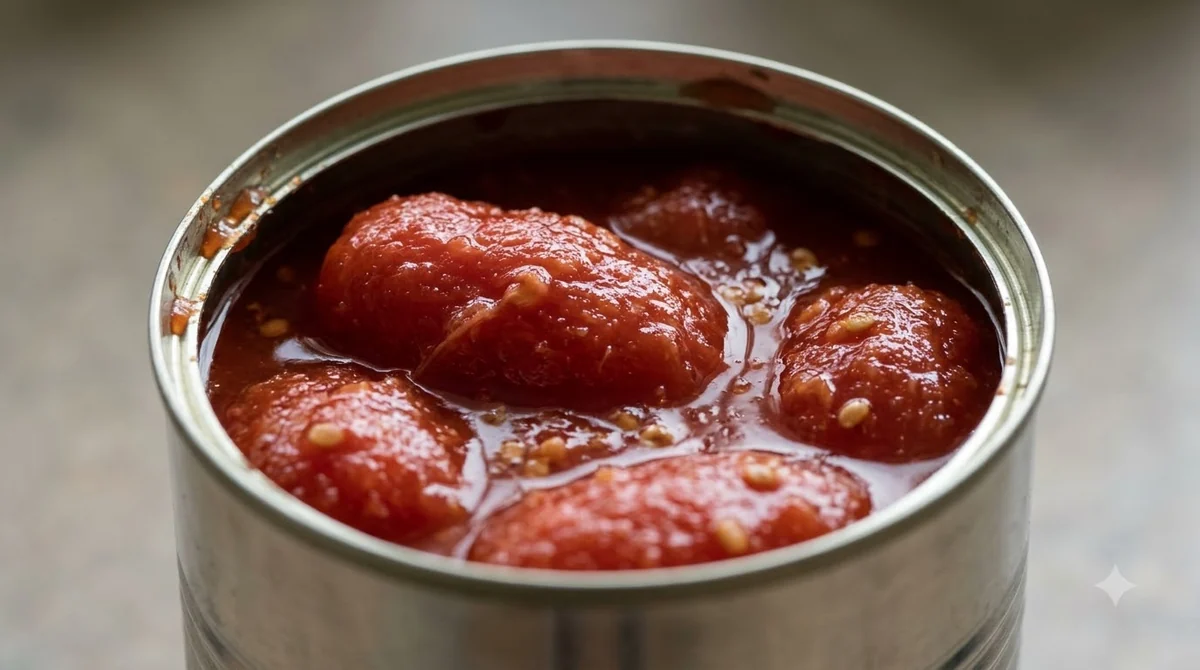
After tomatoes, check garlic, herbs and oil. Sugar and salt vary the most between jars, so compare the nutrition panel for jars with similar serving sizes. Exact amounts differ by brand, so check the package rather than relying on a general rule. Use these checks together, because the best marinara sauce on the shelf is the one whose label matches the way you cook.
- Tomatoes first, with no thickeners listed ahead of them.
- Olive oil and herbs appear after the tomatoes, not at the top.
- Sugar, if listed, sits low in the ingredient order.
- Sodium on the nutrition panel is lower in the jar you pick for everyday use.
- Meat or cheese listed means the sauce is a meat or dairy style.
- The jar is sealed and within its date, with storage instructions for after opening.

Choosing by Style
Choose a style that matches the dish: a plain tomato and basil marinara for everyday pasta, a meat-based sauce for baked dishes, and a richer style for special meals. Matching the style is the simplest way to find the best marinara sauce for a specific meal.
A plain marinara is the most flexible option. It works with spaghetti, meatballs and baked pasta, and you can add cheese or olive oil at the table. Meat-style sauces hold up better under cheese in baked dishes.
| Style | Good for | Watch for |
|---|---|---|
| Plain tomato and basil | Spaghetti and quick weeknight pasta | Acidity; taste before adding salt |
| Italian style with olive oil and oregano | Classic pasta and bruschetta toppings | Oil separation; stir before use |
| Meat style | Lasagna and baked pasta | Fat and meat content on the label |
| Vodka or cream style | Rich, creamy pasta | Dairy and cream; less suited to thin pizza bases |
A jar that works well on pasta may be too thick or too seasoned for a pizza base. Check the texture and seasoning against the dish you plan to make before you buy a large jar.
Jarred or Homemade?
A homemade sauce from good canned tomatoes gives you the most control, while a well-labeled jar saves time on busy nights.
Homemade sauce lets you set the salt, sugar, oil and thickness, and a homemade batch can rival the best marinara sauce from a jar when you start with good tomatoes. A jar wins on time and consistency, and a good one can match a simple homemade sauce when tomatoes come first on the label.
- Control: you pick the oil, salt and herbs when you cook at home.
- Time: a jar is ready to heat, while a homemade sauce needs a simmer. Follow your recipe for the exact time.
- Consistency: a jar tastes the same from one batch to the next.
If you cook for a crowd, a larger jar can cut prep time, but check the serving size on the package. Serving size sets the sugar and sodium numbers you compare, so a bigger jar is only a better deal when the label still looks right.
Common Mistakes at the Store
The most common mistake when hunting for the best marinara sauce is buying by brand name or jar design instead of reading the first ingredient and the nutrition panel.
- Buying a jar that says “San Marzano” without the full PDO label.
- Comparing jars without checking the sugar and salt lines.
- Choosing a thick meat style for a thin pizza base.
- Assuming a jar with basil is an Italian-style sauce.
- Skipping the storage instructions for after the jar is opened.
Frequently Asked Questions
What is the best marinara sauce for everyday pasta?
The best marinara sauce for everyday pasta is a plain tomato and basil jar with tomatoes listed first. It suits spaghetti, penne and quick weeknight meals, and you can add olive oil or cheese at the table.
Is San Marzano marinara worth the price?
A jar with the full San Marzano PDO label confirms where the tomatoes grew, but it does not guarantee the seasoning suits you. Compare the ingredient list and nutrition panel before you decide whether the extra cost makes sense. The Rao’s vs Carbone marinara comparison shows how two premium jars differ.
Does marinara sauce contain sugar?
Some jars include sugar and others do not. Check the ingredient list and nutrition panel on the package, because the amount varies by brand, and pick the best marinara sauce for your taste.
Can I use passata instead of marinara?
Yes, but passata is uncooked and plain, so you will need to add garlic, herbs, oil and salt, and simmer it before serving. Use it as a base when you want full control over the seasoning, and it can become the best marinara sauce you have made at home.
Is homemade marinara better than jarred?
Homemade sauce gives you more control over salt, sugar and texture, while a good jar saves time and gives you the best marinara sauce for a busy week. Either can work well when the tomatoes come first and the seasoning suits the dish.
For everyday pasta, the best marinara sauce is usually a plain jar with tomatoes listed first, and you should save a richer style for dishes that call for it. Compare the sugar and salt lines before you choose, and check the package for storage once it is open. Reading the label is the surest way to find the best marinara sauce for your kitchen.
 8 min readGear & PantryCarbone Marinara Sauce Review: Ingredients, Price and Who Should Buy ItUpdated Nov 16, 2026
 10 min readGear & PantryRao’s Marinara Sauce Review: Ingredients, Sizes and Who It SuitsUpdated Nov 16, 2026
 9 min readGear & PantryHow to Make Marinara Sauce at Home: A Simple Step-by-Step GuideUpdated Nov 10, 2026
 8 min readGear & PantryBest Jarred Pasta Sauce: How to Pick a Good JarUpdated Nov 17, 2026
 9 min readGear & PantryBest Jarred Alfredo Sauce: What to Look For in 2026Updated Nov 13, 2026
 7 min readGear & PantryRao’s vs Carbone Marinara: Price, Ingredients and Which to BuyUpdated Nov 15, 2026