
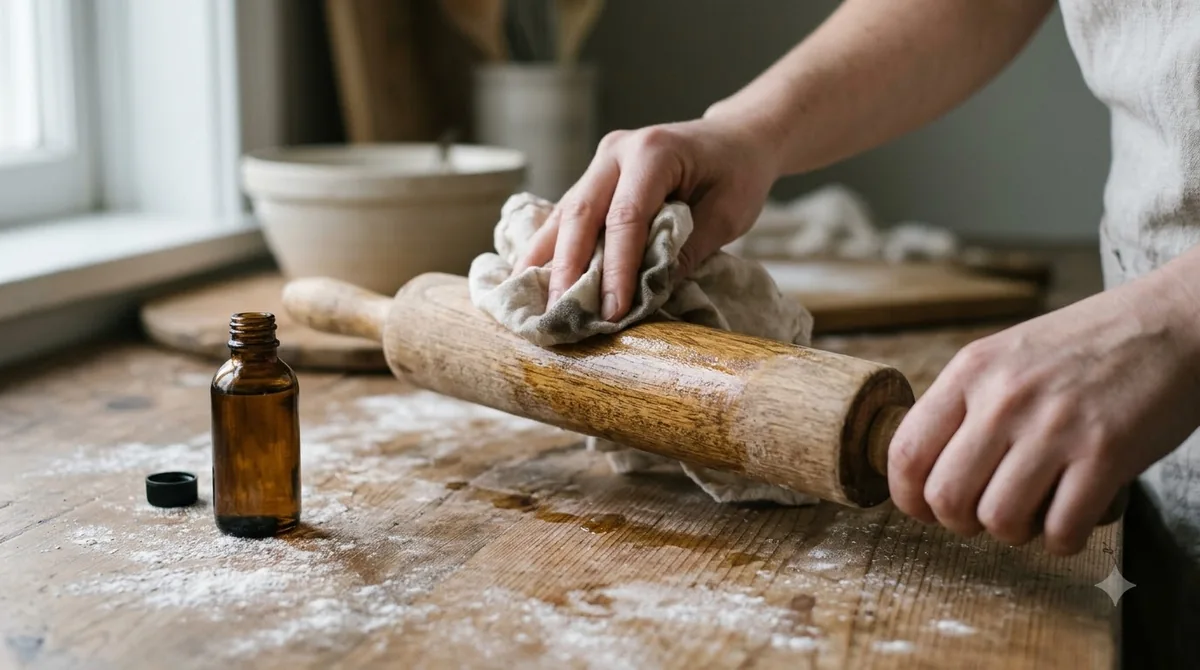

A pizza dough roller is any tool that flattens, shapes or pierces pizza dough, and the term covers rolling pins, dough dockers and commercial sheeters. Pick the type by the job: shaping dough at home, docking the base, or flattening dough at pizzeria volume. Each one affects the crust in a different way.
Most home cooks choose a pizza dough roller that is either a rolling pin or a docker, and the two affect the crust differently. This guide explains each type, shows what the sources confirm, and lists what you still need to check on a product page.
What a Pizza Dough Roller Is
A pizza dough roller is a general term for a tool that flattens, shapes or pierces dough before it goes into the oven. The name covers three main types, and they do different jobs.
The most common pizza dough roller is the rolling pin, which many cooks also use for bread and pastry. A docker is a spiked roller that makes small holes in the dough, and it is designed to pierce rather than flatten. A commercial dough sheeter is an electric machine that flattens dough through motor-driven rollers, and retailers sell them mainly to pizzerias and bakeries.
Shoppers often see these tools in the same category, so check what a listing does before you compare prices. A docker and a rolling pin are not interchangeable, and a sheeter is a different class of equipment altogether.
Rolling Pins, Dockers and Sheeters: How They Differ
Each pizza dough roller does a different job: rolling pins flatten dough by hand, dockers pierce it, and commercial sheeters flatten it through powered rollers at higher volume. The table below shows the main differences.
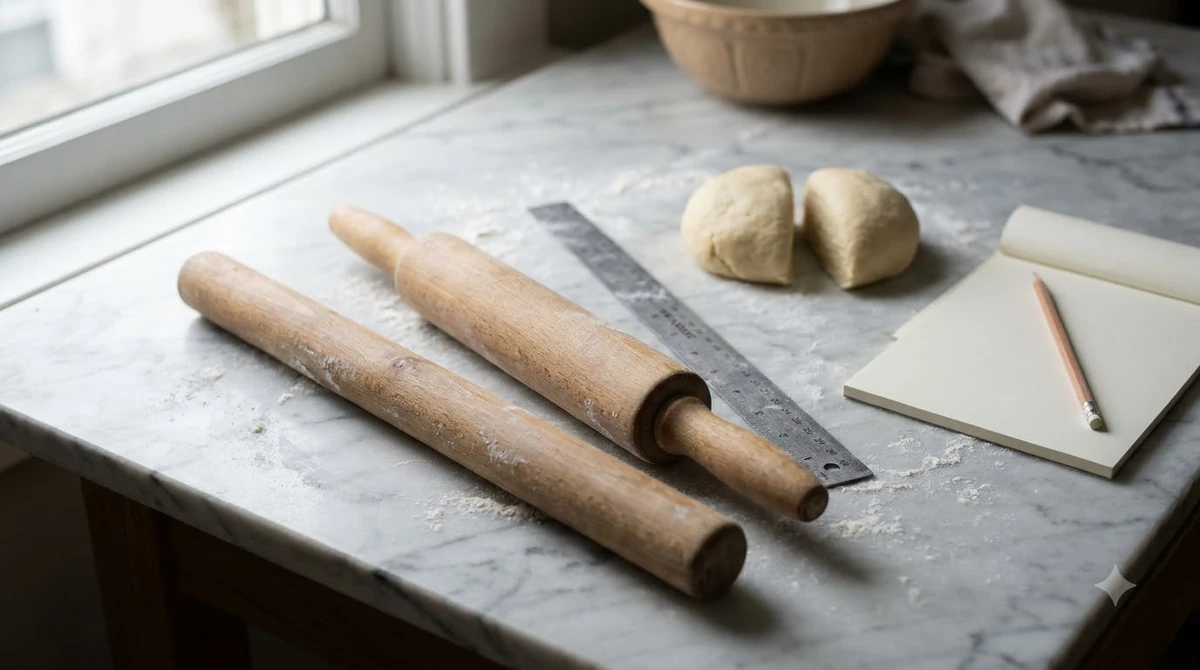
According to Wikipedia’s entry on the rolling pin, the pin comes in two main shapes. A rod or straight pin is usually about 1 to 2 inches across and is rolled with the palm. A roller pin is about 3 to 4 inches across, with handles that extend through the cylinder, and you push it by those handles.
The same article lists hybrid pins with tapered ends, textured pins that imprint patterns, and materials that include wood, marble, stainless steel and silicone. It gives details only for wood and marble, so compare the material on the product listing rather than relying on a general ranking.
| Type | What it does | Best for | Watch for |
|---|---|---|---|
| Rod rolling pin | Flattens dough with the palm | Small, controlled shaping | Can press out gas pockets |
| Roller rolling pin | Pushed across dough by its handles | Larger flat sheets | Same flattening risk |
| Pizza docker | Pierces small holes with spines | Docking the base before toppings | Spine length and pattern |
| Commercial sheeter | Electric rollers flatten dough | Pizzeria volume | Voltage, size and cost |
A pizza dough roller of the sheeter kind is sold mostly to restaurants. Listings quote roller widths in millimeters and show different plug types by country, so check the voltage and size on the label before you buy.
Why a Rolling Pin Can Deflate Pizza Dough
A rolling pin pressed across a risen dough ball can push out the gas pockets that give pizza crust its airy texture.
Yeast produces gas inside the dough, and those pockets are part of what makes a crust light and chewy, so a pizza dough roller that presses too hard can undo that work. Food writers and home bakers often warn that a pin crushes them, which leaves a denser base. These are opinion pieces and forum posts rather than controlled tests, so treat the claim as a common view and not a measured result.
A patent for a rocking pizza shell roller (US 5,004,350) describes the same problem from the engineering side. Its background says earlier methods flattened and ruptured the gas pockets, which produced a dense shell. The patented design uses small pressing balls to make dimples in the dough, and it is rocked over the dough rather than flattened. The patent states the goal is to form the shell “without compressing the dough.”
Food writers also say a pin tends to flatten the raised rim of the crust, known as the cornicione. That point is also opinion, but it explains why many cooks prefer to stretch the edge by hand.
What a Pizza Docker Does to Dough
A pizza docker is a spiked roller or hand tool that pierces small holes in raw dough before baking, so steam can escape instead of lifting the surface. It is a finishing step rather than a shaping tool, so it does not replace a rolling pin or sheeter.
The patent history, spine types and buying checks for dockers sit in their own guide. Read our pizza dough docker guide for the hand, roller and industrial types, and use this page to choose the tool that flattens the dough.
Choosing a Pizza Dough Roller: Material, Size and Spines
Choose a pizza dough roller by its job, and check the spine length on a docker, because the sources give no general ranking of materials.
- Material: wood, marble, stainless steel, silicone and plastic all appear for rolling pins, but no source here names one as the best for pizza.
- Shape: a rod gives palm control over small areas, while a roller with handles presses larger sheets more evenly.
- Spines: on a docker, the spines must reach through the dough to the surface beneath it.
- Care: check the care label before you buy, because the sources do not agree on cleaning instructions for every model.
Size matters as much as shape. A small rod pizza dough roller suits a single base, and a longer roller helps when you want to open a larger round in fewer passes.
How to Use a Dough Roller Without Losing Air
Shape most of the dough by hand first, then use a pizza dough roller only to finish or to dock, because that keeps more of the gas the dough has built up.
- Let the dough rest and proof until it relaxes (see how long to proof pizza dough). Wikipedia’s article on pizza notes that the dough is left to proof before it is shaped.
- Press the dough out from the center with your fingertips, then stretch it by hand, as our guide on how to stretch pizza dough shows. The same article shows dough being tossed to stretch it.
- If you use a pin, roll gently from the center outward and keep the pressure light, so that you press out as little gas as possible. If the dough keeps springing back, read why pizza dough shrinks back.
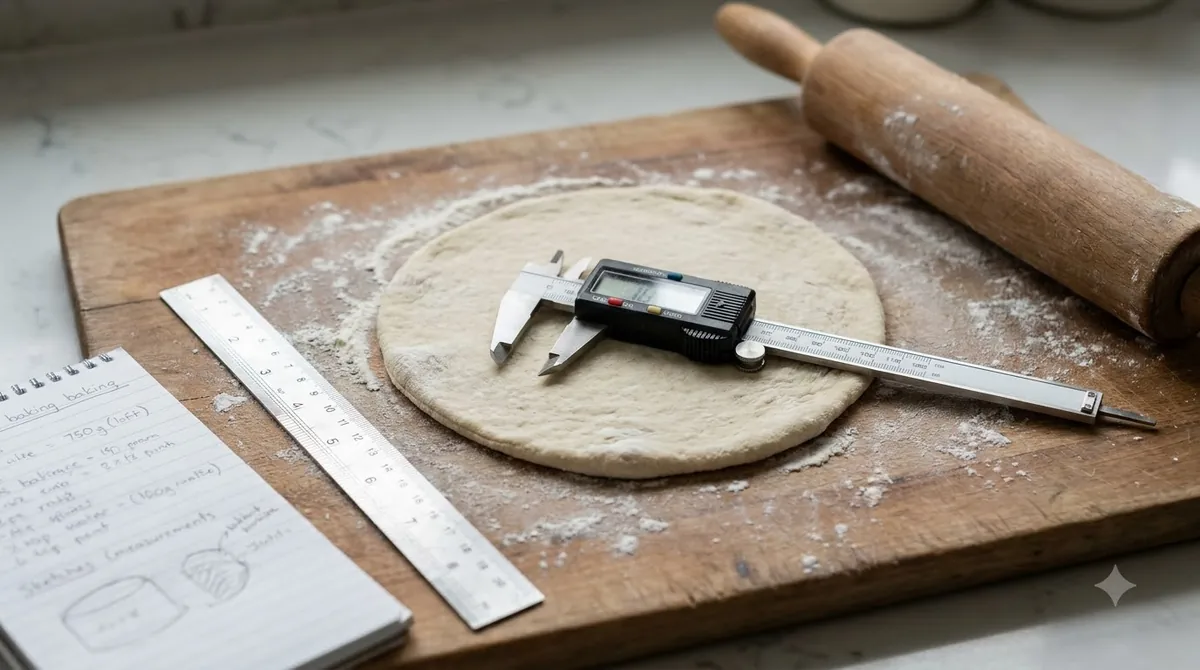
- Check the thickness with a ruler or caliper before you add toppings.
- If you use a docker, pierce the base before adding sauce and toppings, and make sure the spines reach the surface.
These steps are general practice, and they reflect the sources above rather than a test of any product.
What This Guide Could Not Confirm
Model dimensions, retail prices and a controlled test of each pizza dough roller type were not confirmed in this research, so check the product page and manual before you buy.
Most search results were retailer pages and listicles. They quoted sheeter throughput, roller widths and prices, but those figures are product claims, and this guide does not repeat them.
- Model size and weight: check the manufacturer’s spec sheet.
- Price and stock: check the current retailer listing, since prices change often.
- Whether a docker prevents bubbles: look for a manufacturer test or try it on your own dough.
- Sheeter voltage: check the voltage and plug type on the label before you buy.
Frequently Asked Questions
What is a pizza dough roller?
A pizza dough roller is a general term for a rolling pin, a dough docker or a commercial sheeter. Each does a different job, so choose by what you need the tool to do before you compare models.
Can you use a rolling pin on pizza dough?
You can, but food writers warn that a pin can press out the gas pockets and flatten the rim. Hand stretching usually keeps more air in the crust. This is opinion rather than a tested result.
Does a pizza docker stop the crust from puffing?
Home cooks say it limits air pockets, and the patent describes the machine as perforating raw dough before cooking. A controlled test was not found in this research, so the effect remains a user claim.
Do you need a commercial dough sheeter at home?
Usually not. A pizza dough roller of the sheeter kind is an electric machine sold mainly to pizzerias and bakeries, and it needs the right voltage and counter space. A rolling pin or hand stretching works well for most home ovens.
Which pizza dough roller is best?
The sources here do not rank models, so the best pizza dough roller depends on your dough and your oven. Check the spec sheet, the material and the spine length before you decide.
Start with the job, because each pizza dough roller suits a different one: a rolling pin for shaping, a docker for piercing, and a sheeter only for high volume. Check the product page for size, materials and voltage, since those details change from model to model.
 9 min readGear & PantryHow to Use a Pizza Dough RollerUpdated Nov 11, 2026
 8 min readGear & PantryPizza Dough Docker: What It Does and What to Check Before You BuyUpdated Nov 17, 2026
 9 min readGear & PantryBest Ninja Artisan Pizza Oven Covers: What to Check Before You BuyUpdated Nov 11, 2026
 8 min readGear & PantryDough Scraper: Types, Uses and What to Look ForUpdated Nov 16, 2026
 11 min readGear & PantryBest Yeast for Pizza Dough: How to Choose the Right TypeUpdated Nov 16, 2026
 8 min readGear & PantrySpiral Mixer for Pizza Dough: Best Types and Picks for 2026Updated Nov 10, 2026