
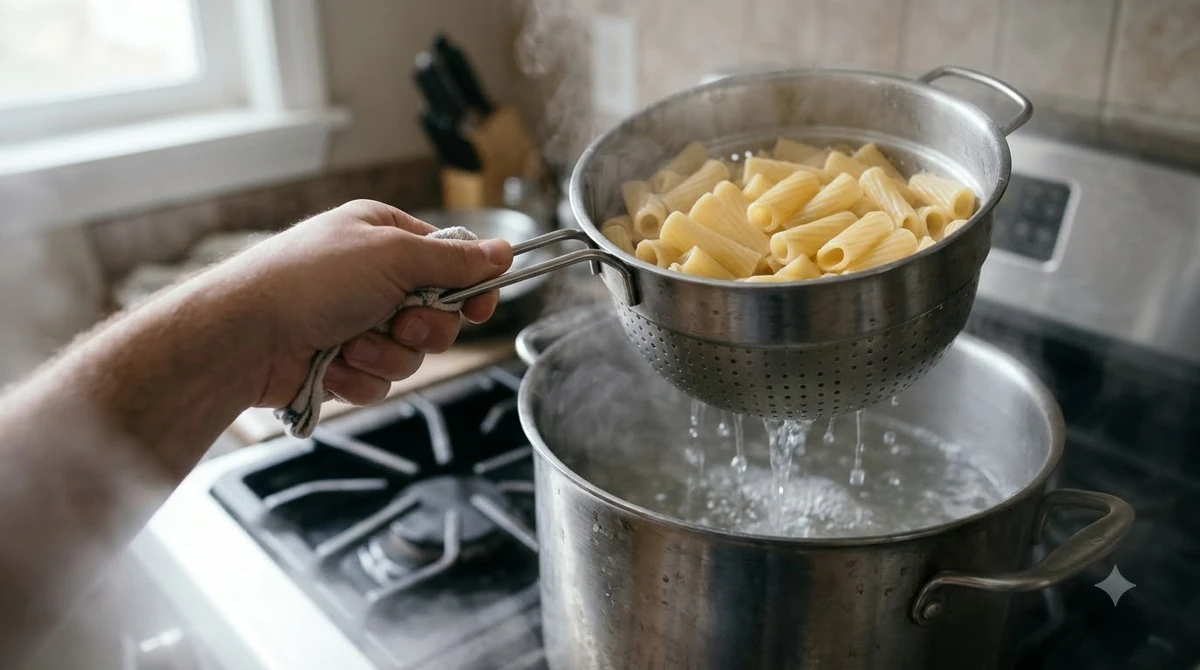

Lorighittas pasta is a handmade ring pasta from Morgongiori, a village in Sardinia, made from durum semolina, water and salt. The name is usually translated as “small rings,” and each piece is braided by hand rather than extruded through a die.
The hand-braided shape of lorighittas pasta takes hours per kilo, which explains why dried lorighittas cost more than ordinary dried pasta. The pasta is best understood as a regional specialty, so the sauces, the festival and the shaping method all matter as much as the dough itself.
Where Lorighittas Pasta Comes From
Lorighittas pasta comes from Morgongiori, a small village about 30 kilometers from Oristano in Sardinia. According to Sardinia’s regional tourism site, the village has about 800 residents and is known for this pasta.
The village sits at the foot of Monte Arci, and the pasta is closely tied to it. The Pasta Project notes that the pasta has been made in Sardinia since the 16th century.
The name is less settled. Wikipedia translates lorighittas as “small rings” in Sardinian. Dissapore gives two explanations: one links the shape to lorigas, circular earrings, while the other links it to sa loriga, the ring once used to tie donkeys and horses.
What Lorighittas Are Made From and How
Lorighittas pasta is made from durum wheat semolina, water and salt, shaped by hand into closed rings. Dissapore lists only these three ingredients for the traditional dough.
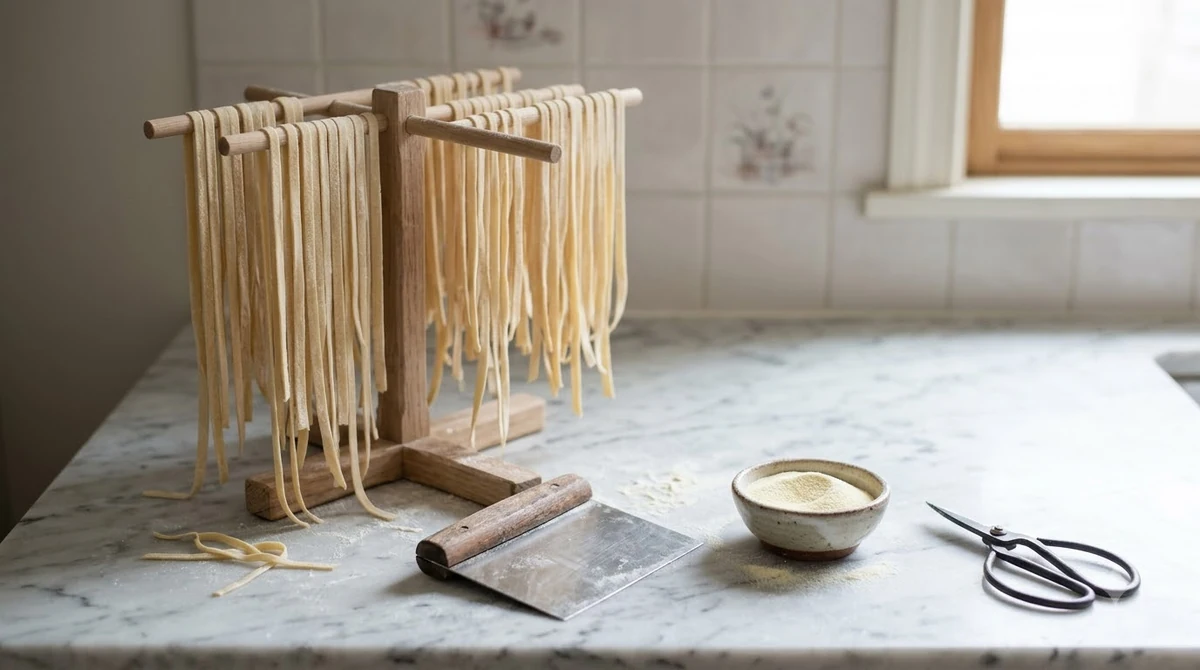
The shaping is the hard part. Wikipedia describes twisting a double strand of dough between the fingers into a closed braid that forms a ring. Dissapore describes the result as a large ring made of two intertwined threads. In both descriptions, every piece is shaped by hand, and Dissapore states that no machine can replicate the technique.
Time is the main reason for the price. Wikipedia estimates that one person needs three to four hours to make 1 kg of lorighittas pasta. The Pasta Project adds that even dried lorighittas are made by hand, so they are not cheap.
Italy recognizes lorighittas as a traditional food product and gives them the P.A.T. label, according to Wikipedia.
How to Cook Lorighittas
Cook lorighittas pasta in boiling salted water until al dente, following the time printed on the package. The Pasta Project’s Sardinian prawn recipe uses the same basic approach, with a few practical checks along the way.
- Bring a large pot of water to the boil, and add salt once it starts to boil.
- Add the lorighittas pasta and cook until al dente, following the package time.
- Taste early if you are cooking fresh pasta, because fresh pasta cooks faster than dried.
- Before draining, save a ladle of the cooking water.
- If the sauce looks dry, add some of the saved water and toss again.
The recipe calls for 320 g of pasta, and its author notes that linguine or spaghetti work as substitutes. Homemade rings vary in size, so test a piece before you drain the whole pot.
Classic Sauces for Lorighittas
Lorighittas pasta is most often served with a chicken or rooster ragu, a simple tomato sauce or a seafood sauce.
- Rooster or chicken ragu: Dissapore describes a stew-like ghisau of young rooster or wild boar, while Wikipedia mentions free-range chicken.
- Simple tomato sauce: named by both Wikipedia and Dissapore as a basic everyday choice.
- Seafood: Dissapore lists fish and shellfish as a common pairing.
- Prawns and scampi: The Pasta Project pairs the pasta with a prawn and scampi sauce.
- Black sheep ragu: Trattoria Margherita in Arborea serves it with black sheep ragu from Arbus and Mustia ricotta.
Restaurants that serve lorighittas need to order the pasta well in advance, according to Giacomo Cossu of Trattoria Margherita. Plan ahead if you want to eat them at a restaurant rather than cook them at home. If you are building a Sardinian menu, culurgiones pasta is another regional filled pasta worth reading about.
Making Lorighittas at Home
A home version of lorighittas pasta uses 300 g of durum flour and 180 g of water, followed by a 15-minute rest before shaping. The Food Republic recipe is a simplified version and is not the same as the semolina dough used in Sardinia. For everyday dough basics, see our fresh pasta dough recipe.
| Element | Traditional Sardinian dough | Home version (Food Republic) |
|---|---|---|
| Flour | Durum wheat semolina | 300 g durum flour |
| Water | Water with salt | 180 g water |
| Rest before shaping | Not stated in the sources | 15 minutes |
Shape the dough in these steps, as the Food Republic recipe describes it.
- Mound the flour on a clean surface and press a cup into the center to make a well.
- Pour in the water gradually, mix with a fork, then knead until the dough feels sticky and looks rough.
- Wrap the dough and let it rest for 15 minutes.
- Pinch off a piece about the size of your thumb and roll it into a rope, tapering one end.
- Wrap the thinner end around two fingers twice, then separate it from the rest of the dough.
- Twist the two layers around each other to form a braided ring, then repeat with the remaining dough.
Dissapore notes that the technique has traditionally been passed from mother to daughter, so hands-on practice matters more than a written recipe. Other hand-shaped pastas such as pici pasta and orecchiette pasta are good places to build that skill first. The Food Republic recipe says to boil the pasta for two minutes, but The Pasta Project’s advice to taste before draining is the safer guide for homemade rings.
Lorighittas Festival and Tradition
The Sagra delle Lorighittas takes place in Morgongiori in early August, usually in the first week. Sardinia’s regional tourism site describes the festival as an eagerly awaited August event for the village.
Lorighittas pasta began as a dish for All Saints’ Day, according to Wikipedia. Dissapore adds that its use later spread to Easter, Christmas and weddings.
The city administration has run the festival for more than ten years, with free tastings held in the first week of August, according to Wikipedia. Folklore also has a warning for children. Dissapore reports that parents tell them about Maria Pungi Pungi, a witch who pokes the bellies of children who eat too many lorighittas.
Buying Dried Lorighittas
Dried lorighittas pasta is sold online and in specialty shops in Sardinia, and the price reflects the hand labor. If you are unsure whether dried is worth it, our fresh pasta vs dried pasta comparison explains the trade-off. A 2024 Dissapore article put dried packs at about EUR 18 to EUR 20 for half a kilo, but prices change, so check current listings before you buy.
If you cannot find dried lorighittas pasta locally, check that a seller describes the product as made by hand before you order.
Frequently Asked Questions
What does lorighittas mean?
The word lorighittas means “small rings” in Sardinian; the name describes the shape, according to Wikipedia. Dissapore gives two explanations for the name, one pointing to circular earrings and the other to a ring once used to tie animals. Either way, the name matches the braided ring shape.
Are lorighittas made by machine?
No. According to Dissapore, the shaping is entirely manual, and no machine can replicate it. The Pasta Project adds that even the dried version is made by hand, which is part of why the pasta is not cheap.
How long does it take to make lorighittas?
Wikipedia estimates that one person needs three to four hours to make 1 kg of lorighittas by hand. That estimate covers the shaping only. The sources do not give a drying time, so plan for it separately if you make your own.
Can you replace lorighittas with another pasta?
Yes, for cooking. The Pasta Project says linguine or spaghetti work as substitutes, and it also mentions fusilli and malloreddus as options. Use the same method, cook to al dente, and taste for doneness rather than trusting the time alone.
Where can you buy dried lorighittas?
Dissapore says dried packs can be bought online or in specialty shops in Sardinia. Check the current price and seller before you order, because prices change. Restaurants in Sardinia may serve the pasta fresh, but they often need advance orders, according to Trattoria Margherita.
Choose dried lorighittas pasta if you want the regional version without hours of shaping by hand. Try the home dough if you want to learn the braid, and expect the first rings to take practice before they look right.