
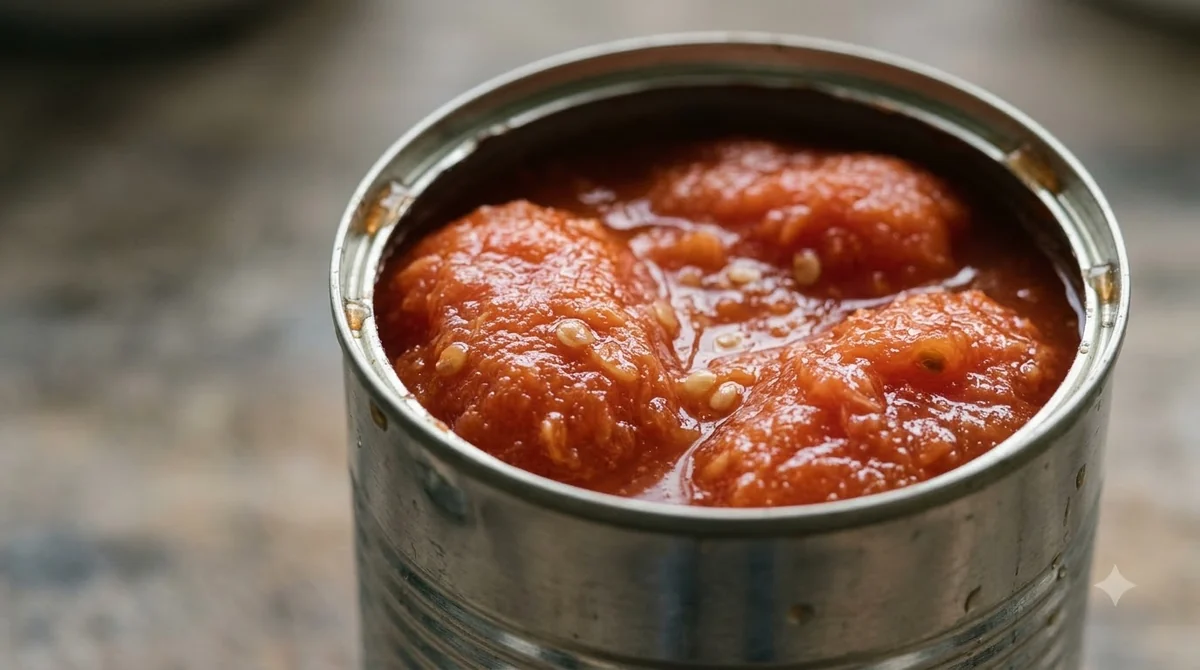

This Mutti passata review finds a smooth Italian tomato base with a short ingredient list, made by a family company near Parma. The label on the sample reviewed lists only tomatoes and salt, which is the main reason editorial reviewers rate it well.
In this Mutti passata review, reviewers praise its aroma and flavor, while some online buyers report bottles broken in shipping. Check the label and the seal before you buy.
Mutti passata review: what it is and who makes it
Mutti passata is sieved tomato, a smooth tomato base sold in jars or bottles for sauces, soups and other dishes. The product comes from Mutti, a private, family-owned Italian company founded in 1899 in Piazza di Basilicanova, a district of Montechiarugolo in the province of Parma. Wikipedia’s entry on Mutti records the founding place and the family ownership.
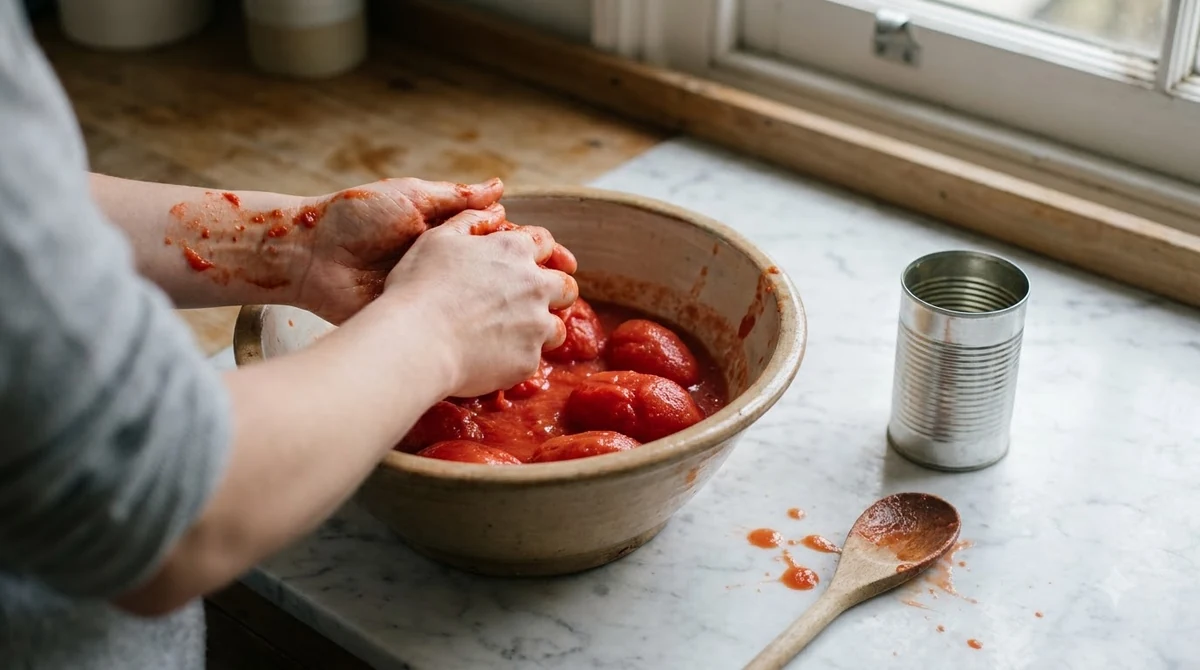
Francesco Mutti has been chief executive since 1994, and the company is still run by the family. The wider range covers tomato sauce, tomato pulp, tomato paste, tomato puree, peeled tomatoes and ketchup. Tomato vinegar followed in 2004 and ready-made sauces in 2007.
For a buyer, the useful point is that passata is a plain product. You are buying tomato rather than a seasoned sauce, so the cook decides what goes in the pan. That is the key point for buyers, because the flavor comes mostly from the tomato. It also means the quality of the tomato and the processing matter more than added herbs or sugar.
What is on the label: tomatoes and salt
The reviewed Mutti passata lists only tomatoes and a small amount of salt, according to an Italian-food review that quotes the label. A Mutti passata review should always start with that label. That review says the ingredients are “simply tomatoes and a hint of salt.”
The same review notes that Mutti uses salt rather than citric acid, which the reviewer says most supermarket brands use. The reviewer links this choice to a more natural flavor, which is their view rather than a measured result.
Labels change by market and by size. One retailer listing in our search shows tomatoes at 99.5 percent with salt, but that is a single seller’s label. Read the jar or bottle you receive, because the ingredient list is the only reliable source for your pack. In this Mutti passata review, the label is the one fact a buyer can check at home.
- Find the ingredient list on the front or back of the pack.
- Confirm that tomatoes come first and that salt is the only other item.
- Note the pack size and compare it with the price per 100 g at your store.
How it tastes and what reviewers say
Editorial reviewers describe Mutti passata as aromatic, bright in color and tomato-forward, and one comparison of seven passata brands gave it its Editor’s Choice and top rating.
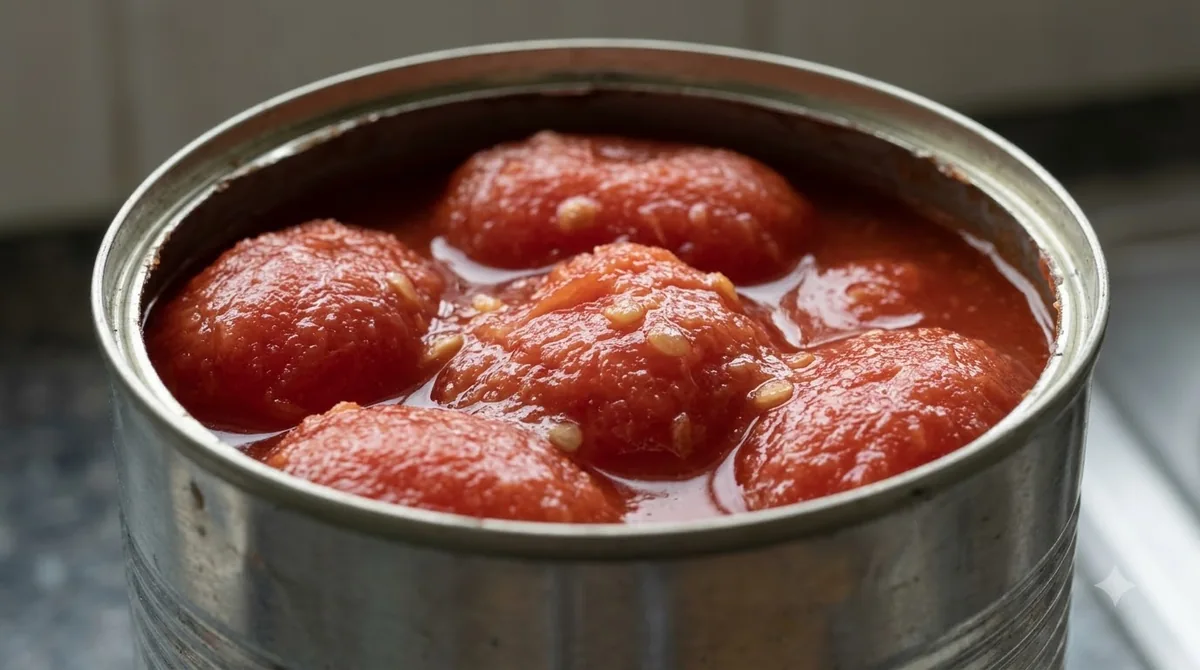
That comparison put Mutti next to Casar, Spinelli, Sainsbury’s Italian, Cirio Rustica, Waitrose Organic and Napolina sieved tomatoes. The reviewer gives each brand a star rating in its own verdict, which makes the comparison a useful reference point for this Mutti passata review. Its closing verdict reads: “A flavoursome passata straight from the vines of Italy, with a rich texture that could easily stand alone.” That is one reviewer’s judgment from a single comparison, not a laboratory test, and it does not set a standard for every batch. Treat it as a starting point for your own tasting, not the final word.
The retail listings read for this Mutti passata review show mostly positive buyer feedback. Some buyers describe the flavor as rich and say it works well in pasta sauces, soups and bolognese. These are buyer reports, so treat them as signals of what people like, not as measured results.
Where it fits in your cooking
Passata suits recipes where you want a smooth tomato base with no peel or seeds, such as quick pasta sauces and soups. A useful Mutti passata review matches the product to the dish rather than to the brand name. Its plain profile gives you room to season the dish yourself.
- Quick pasta sauce: heat with olive oil, garlic and basil, then add pasta. Use the same Mutti passata for each batch so you can compare results, or follow a simple marinara sauce method.
- Bolognese base: a smooth tomato element that keeps the meat sauce even in texture.
- Soup base: thin with stock and season to taste.
- Pizza base: spread thinly, because a smooth passata can run if it is too wet.
If you prefer a chunky sauce or a thick tomato paste for color and body, passata will not replace them. Choose the product by the texture you want in the finished dish.
Mutti’s wider range includes tomato paste and peeled tomatoes, so a home cook can keep one jar of passata for smooth sauces and a different product for chunky or concentrated dishes. Mutti’s whole tomatoes are covered in this Mutti San Marzano tomatoes guide, and a California alternative in this Bianco DiNapoli tomatoes review. This Mutti passata review focuses only on the passata itself, not the other products.
What this review could not confirm in our search: a current US shelf price, the exact pack sizes sold in your market, and independent laboratory results on taste or sugar content. Check those points on the jar or the seller’s listing before you buy.
Is it worth the price
The UK review judged the price fair for the quality at the time it was written, but that figure is dated and shelf prices change. As of 2026-11-07, this Mutti passata review did not confirm a current price in the United States, so check your local store before you buy.
The same review estimates that one jar lasts about a week with regular use, which is a reviewer’s estimate and not a standard serving. Value depends on how much you cook with it. A larger bottle usually lowers the cost per 100 g, but only if you use it before it spoils once opened. Compare the price per 100 g rather than the sticker price, since value only becomes clear when you compare like with like.
Pros, cons and buyer feedback
Buyers mostly describe Mutti passata positively, but the most common complaint in the listings we read is bottles broken in shipping. Those points come from buyer reports, not from tests. This Mutti passata review treats delivery damage as a separate issue from taste.
| Pros | Cons |
|---|---|
| Short ingredient list: tomatoes and salt on the reviewed label | Some online buyers report broken bottles on arrival |
| Editorial reviewers praise its aroma and color | One buyer report says the seller did not answer a complaint |
| Family-owned Italian maker with a long history | Price varies by market and pack size, so value needs checking |
How to choose a pack and where to buy
Choose the pack size by how often you cook with passata, since a Mutti passata review should also consider how fast you will use an opened bottle. A small bottle suits occasional use, while a larger one suits frequent sauce-making, provided you can use it before it spoils once opened.
- Check the seal and bottle when the parcel arrives, and photograph any damage.
- Report damage to the seller as soon as you notice it, and keep the packing materials.
- Buy from a seller with clear return terms, and check the listing’s pack size and country of sale.
Mutti passata is sold through supermarkets, online grocers and marketplaces. Pack sizes differ by market, so the same name can come in different jar and bottle sizes in different stores.
Frequently Asked Questions
Is Mutti passata good?
Editorial reviewers and most buyer reports are positive about taste, so it is a sound choice for simple tomato sauces. This Mutti passata review finds the same pattern in the sources it could read. Its short ingredient list is the main reason reviewers rate it, but judge it against your own cooking needs.
What is passata made from?
Passata is sieved tomato with no peel or seeds. The bottle in this Mutti passata review lists tomatoes and salt, so the taste depends mainly on the tomato.
Does Mutti passata contain citric acid?
An Italian-food review says Mutti uses salt rather than citric acid. Read the label on your own jar or bottle, because ingredients can differ by market and pack.
Who makes Mutti passata?
Mutti is a private, family-owned Italian company founded in 1899 in Montechiarugolo, near Parma. Francesco Mutti has been chief executive since 1994, which gives useful context for a Mutti passata review.
Why do some buyers report damaged bottles?
Some online buyers say bottles arrived broken, which is a packaging and delivery issue rather than a taste issue, and it should not decide a Mutti passata review on its own. Check the seal and bottle on arrival and report damage to the seller quickly.
Is Mutti passata worth the price?
One UK review judged the price fair for the quality at the time it was written, which is the last price point we could check. Prices change, so compare the price per 100 g at your local store before you decide.
If you cook sauce often and like a smooth, tomato-forward base, Mutti passata is worth testing in one small pack first. A Mutti passata review like this one can point you in the right direction, but your own kitchen gives the final answer. If you want seasoned sauce or chunks, choose a different style of product, such as the jarred sauces compared in Rao’s vs Carbone marinara. More pantry picks are in the gear and pantry guides.
 8 min readGear & PantryCarbone Marinara Sauce Review: Ingredients, Price and Who Should Buy ItUpdated Nov 16, 2026
 10 min readGear & PantryRao’s Marinara Sauce Review: Ingredients, Sizes and Who It SuitsUpdated Nov 16, 2026
 10 min readGear & PantryIs De Cecco Pasta Good? A Review of Taste, Texture and QualityUpdated Nov 10, 2026
 9 min readGear & PantryMutti San Marzano Tomatoes Amazon: What You Are BuyingUpdated Nov 10, 2026
 8 min readGear & PantryBest Tomato Passata: How to Pick a Smooth, Pure JarUpdated Nov 17, 2026
 7 min readGear & PantryRao’s vs Carbone Marinara: Price, Ingredients and Which to BuyUpdated Nov 15, 2026