
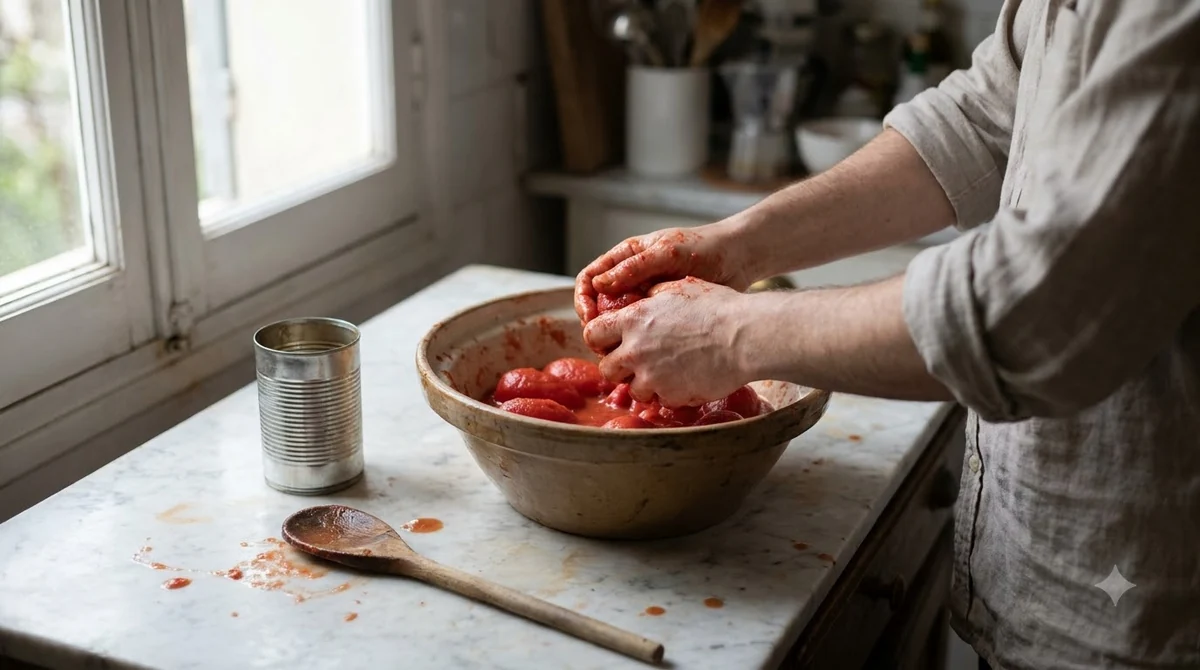

The best tomato passata is a smooth, strained tomato purée with a short ingredient list, usually just ripe tomatoes and salt. Check the label for the origin of the tomatoes and the type of packaging before you buy, because those details tell you more than the brand name.
Passata is not the same as tomato purée or crushed tomatoes, so the comparison table below helps you decide before you swap one for another.

Cento Tomato Passata, 100% Italian Sieved Puree
Pros & ConsViewHide
Reasons to buy
- Cento 24 oz passata, the jar size Cento lists for its traditional passata
- Described as a 100% Italian sieved puree
- 4.3-star average on Amazon
- Six-jar pack suits regular sauce makers
Reasons to avoid
- Pack of 6 means a bigger upfront buy
- Check the label on your jar for ingredients and storage steps

Mutti Tomato Passata Puree 24.5oz | 2 Pack
Pros & ConsViewHide
Reasons to buy
- Two 24.5 oz jars of smooth tomato passata
- Mutti is a widely sold Italian brand, with about 1,790 Amazon ratings
- 4.3-star average on Amazon
Reasons to avoid
- Two-pack only, so the per-jar price depends on the listing
- Check the label for origin and ingredients before you buy

Sanniti Passata di Pomodoro | Strained Tomatoes
Pros & ConsViewHide
Reasons to buy
- Glass jars of strained Italian tomatoes, listed with no additives or preservatives
- 4.7-star average on Amazon
- Pack of 2 at a lower listed price than the larger packs here
Reasons to avoid
- Fewer than 150 ratings, a shorter track record than older brands
- Check the label for the jar size you receive
What passata is and why it matters
Passata is sieved tomato purée made from ripe tomatoes with the skins and seeds removed, and it is a common base for Italian sauces. Cento describes it as a smooth, sieved purée made from ripe Italian tomatoes, sold as a base to season and simmer rather than as a finished sauce. You can read more in Cento’s passata guide.
A plain best tomato passata has very few ingredients. Cento’s Traditional Passata contains only Italian tomatoes and sea salt, with no added sugar, herbs or seasoning. That leaves you free to build the flavour with your own garlic, olive oil and herbs, which matters if you want to control the salt in a recipe.
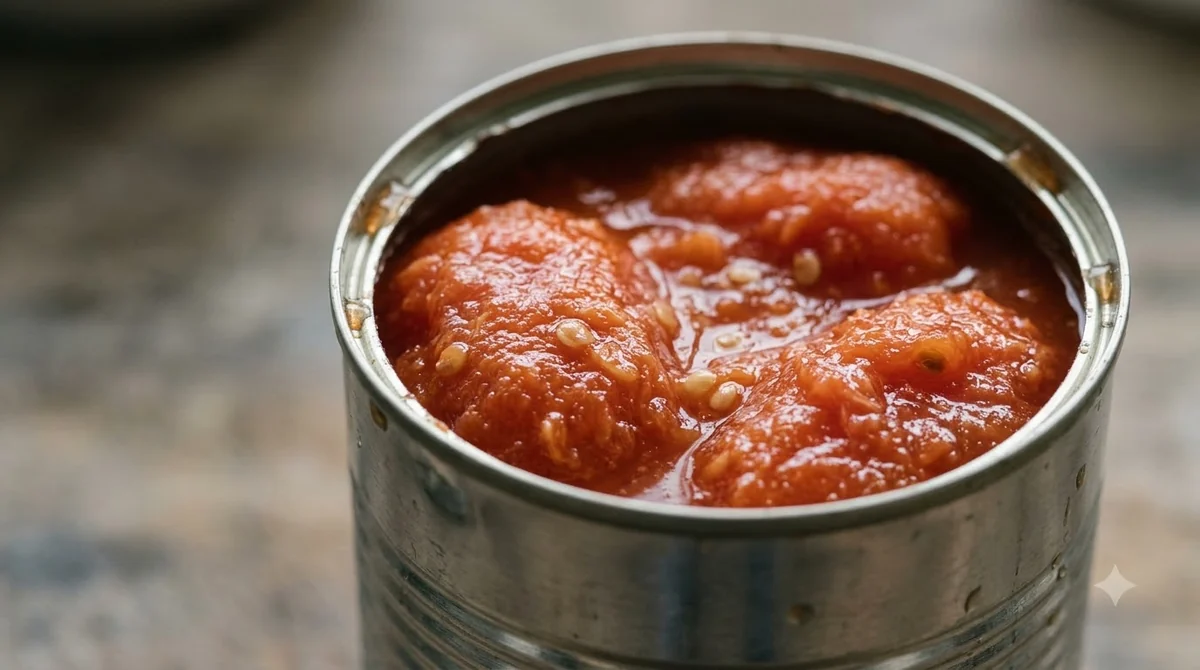
Because a plain jar has no seasoning, the best tomato passata for your kitchen is one whose flavour you can build on. Read the ingredient list before you compare prices, since two jars with the same name can taste different when one contains extra additions. Reading the label this way helps you judge the best tomato passata on the shelf, whatever its brand name suggests.
How passata is made, and how to make it at home
Commercial passata is made by sorting, crushing, straining and hot filling ripe tomatoes into jars. Cento lists five steps for its process, although its page gives no temperatures or cooking times.
- Ripe tomatoes are selected and sorted, and fruit that fails quality standards is removed.
- The tomatoes are washed and briefly heated.
- The tomatoes are crushed and passed through a sieve to remove skins and seeds.
- The purée is heated and filled into glass jars while still hot.
- The jars are sealed and cooled.
DeLallo describes a similar route. Its tomatoes are smashed, puréed and strained to remove all seeds and skins, and an evaporator then concentrates the liquid to the desired consistency. The company says its passata is made with 100% Italian-grown tomatoes, picked from mid-July to mid-October, and that processing temperatures stay low so the natural properties of the tomato remain intact.
Home cooks can follow the same basic path. Vincenzo’s Plate recommends ripened Roma or San Marzano tomatoes for a homemade batch. Its method boils halved tomatoes for 20 to 25 minutes, stirring every 5 minutes, then passes the pulp through a food mill. The author says to discard the watery liquid that drains off first, because it carries the bitter part of the tomato.
The same guide sterilizes the bottles, fills them to just over three-quarters full and boils the sealed bottles for 20 minutes. The author also advises checking current tomato-canning guidance for your area before you store homemade jars. A homemade batch gives you full control over the tomatoes, but the simmering and sealing steps add time compared with opening a jar.
Passata vs tomato purée vs crushed tomatoes
Passata is smooth and strained, tomato purée is usually cooked and reduced to a thicker texture, and crushed tomatoes are chunkier with pieces of tomato in lighter juice. When you shop for the best tomato passata, keep these differences in mind, because each one suits a different kind of sauce.
| Product | Texture | Cooking | Best use |
|---|---|---|---|
| Passata | Smooth, no seeds or skins | Heated briefly, then strained | Smooth sauces, soups and braises |
| Tomato purée | Thicker | Usually cooked and reduced before straining | Sauces that need a thicker base |
| Crushed tomatoes | Chunky pieces in lighter juice | Cooked during canning | Chunky sauces and stews |
When you swap a different product for the best tomato passata you normally buy, expect a different result. Because puree is thicker, replacing it with passata gives a thinner sauce, so simmer it longer to reduce. Going the other way, puree can make a sauce heavier than the recipe intends. Cento also notes that tomato sauce is cooked and may be seasoned, while tomato paste is a very thick concentrate that must be diluted before use. If you want a ready-made sauce instead, compare the best jarred pizza sauce options.
Labels do not always match the product name. DeLallo notes that passata is sometimes labelled tomato purée or strained tomatoes, so read the ingredient list instead of relying on the name on the front of the jar.
What to check when you choose the best tomato passata
When you shop for the best tomato passata, start with the ingredient list, then check the origin, the packaging and the jar size. A short list with only tomatoes and salt is the simplest sign of a plain passata.
- Ingredients: Cento’s traditional jar lists only Italian tomatoes and sea salt, a clear model of a simple label.
- Origin: DeLallo says its tomatoes are 100% Italian-grown and that the product has no additives or preservatives.
- Packaging: DeLallo says passata is typically sold in glass bottles or cartons. Cento’s traditional jar is 24 oz.
- Name: passata may also appear as tomato purée or strained tomatoes, so check the ingredients.
- Nutrition: Cento’s page did not show nutrition figures, so check the panel on the jar for solids, sodium and calories.
Choose the jar size of the best tomato passata you buy by how much you cook. An opened jar needs refrigeration, so a smaller size suits a household that uses passata only now and then. For a brand-level look at one popular jar, read the Mutti passata review.

How to use the best tomato passata in everyday cooking
The best tomato passata works best when you want a smooth tomato base without chunks, such as a simple sauce, a soup or a braise. The same jar can serve several dishes if you adjust the seasoning each time.
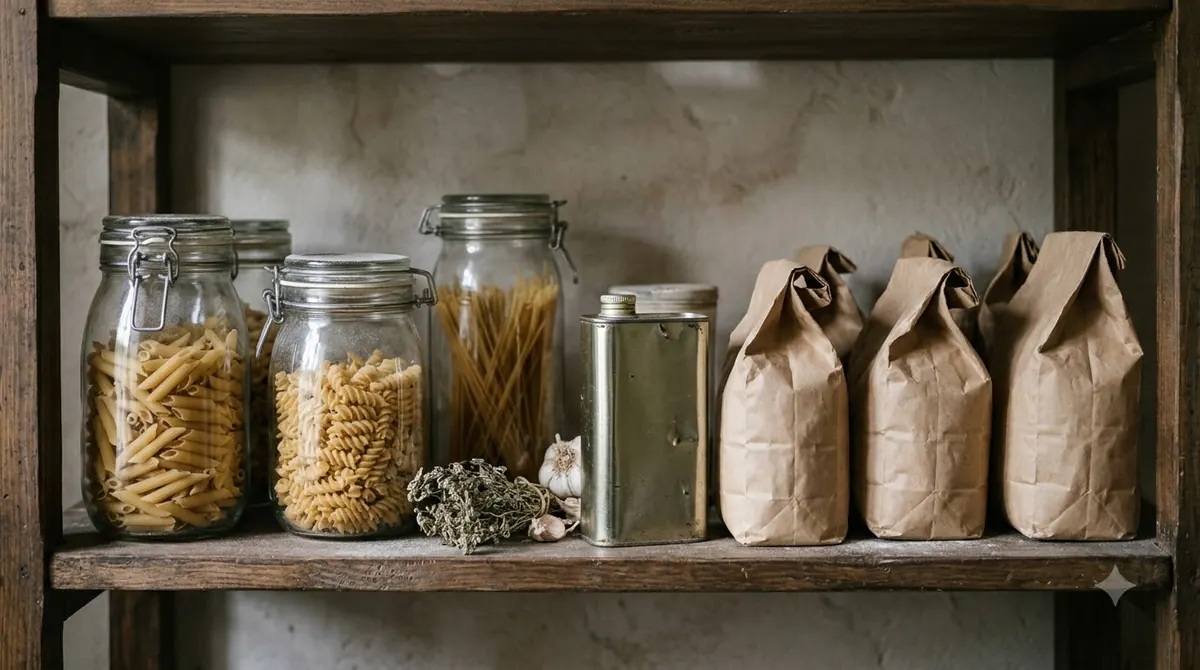
- Simple sauce: warm olive oil with garlic, add the passata, season with salt and simmer until it reaches the thickness you want; how to make marinara sauce gives a full method.
- Soups and braises: a smooth base gives an even colour and texture across the dish.
- Thicker sauces: use tomato purée instead, because passata will stay looser.
- Chunky dishes: choose crushed tomatoes if you want visible pieces of tomato.
Taste the best tomato passata before you add salt. A plain passata such as Cento’s has only sea salt in it, so the seasoning level depends on what you add.
Storage, shelf life and freezing
Storage matters for the best tomato passata as much as the label does. Keep an unopened jar in a cool, dry place away from sunlight, and refrigerate it covered once opened. Cento gives these storage steps, and they apply to most jars.
- Store the unopened jar in a cool, dry place away from direct sunlight and excessive heat, and check the best-by date on the label.
- After opening, refrigerate it covered in the original jar or a clean, food-safe container, and use it within the timeframe on the label.
- To freeze leftovers, divide the passata into small portions in airtight, freezer-safe containers, then thaw them in the refrigerator before use.
DeLallo says passata can be stored in the pantry for months but gives no guidance on refrigeration after opening, so follow the label on your own jar. Vincenzo’s Plate gives no month figure for homemade bottles and suggests checking current canning guidance instead.
Frequently Asked Questions
What is the difference between passata and tomato purée?
Passata is strained and smooth, while tomato purée is usually cooked and reduced to a thicker texture. DeLallo says purée is cooked and reduced a bit before straining, so expect a thinner sauce when you use passata in its place.
Is passata the same as crushed tomatoes?
No. Crushed tomatoes are chunkier, with pieces of tomato in lighter juice, and they are cooked during canning. Passata is strained smooth, so choose crushed tomatoes if you want texture in the finished sauce.
Can you freeze passata?
Yes. Cento advises dividing leftovers into small portions in airtight, freezer-safe containers and thawing them in the refrigerator before use. Freezing in small portions makes the best tomato passata easier to use in measured amounts.
How long does passata last after opening?
Refrigerate it covered and use it within the timeframe printed on the label. Cento’s page does not give a set number of days, so the label on your jar is the most reliable guide for any best tomato passata.
What should you look for on a passata label?
Look for a short ingredient list, the origin of the tomatoes and the packaging type. Cento’s traditional jar lists only Italian tomatoes and sea salt, which shows what a plain label looks like.
Can you make passata at home?
Yes. Vincenzo’s Plate suggests Roma or San Marzano tomatoes, a 20 to 25 minute simmer and a food mill to remove skins and seeds. Follow current canning guidance for your area when you seal jars.
Choose the best tomato passata by its ingredients first, then by origin and jar size. Keep a simple jar for everyday cooking, and read the storage instructions before you open it.
 8 min readGear & PantryBest Tomato Paste: Which Tube, Can or Jar to BuyUpdated Nov 13, 2026
 8 min readGear & PantryMutti Passata Review: Ingredients, Taste and ValueUpdated Nov 8, 2026
 8 min readGear & PantryBest Jarred Pasta Sauce: How to Pick a Good JarUpdated Nov 17, 2026
 9 min readGear & PantryBest Marinara Sauce: What to Look for in a JarUpdated Nov 17, 2026
 8 min readGear & PantryBest Pesto: How to Choose a Jar That Fits Your PastaUpdated Nov 16, 2026
 9 min readGear & PantryBest Hot Honey: How to Choose the Right Jar for Your KitchenUpdated Nov 16, 2026