
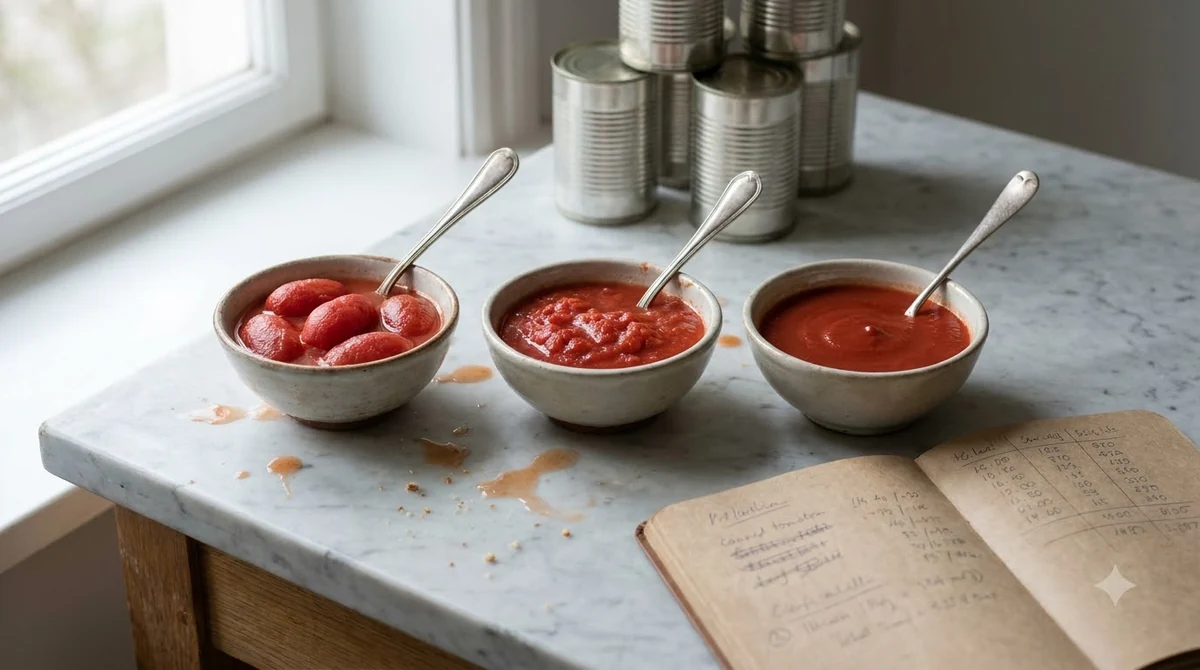

This Rao’s marinara sauce review finds a jarred sauce made from Italian whole peeled tomatoes, olive oil and herbs. The brand’s product page lists eight ingredients, 0 g of added sugars per half cup, and jar sizes from 15.5 oz to 40 oz, as of November 7, 2026.
The main trade-off is sodium and price per ounce compared with a homemade sauce. This jar suits cooks who want a ready base for weeknight dinners.

Rao's Homemade Marinara Sauce, 24 oz
Pros & ConsViewHide
Reasons to buy
- 24 oz jar of marinara made with Italian tomatoes
- Short ingredient list that avoids tomato puree and citric acid, per Tasting Table
- 4.7-star average on Amazon
Reasons to avoid
- Listing shows few ratings compared with big supermarket sauces
- Price per jar can vary a lot between sellers and multi-packs
What Goes Into Rao’s Marinara Sauce
The ingredient list on the brand product page names eight items, starting with Italian whole peeled tomatoes and ending with oregano.
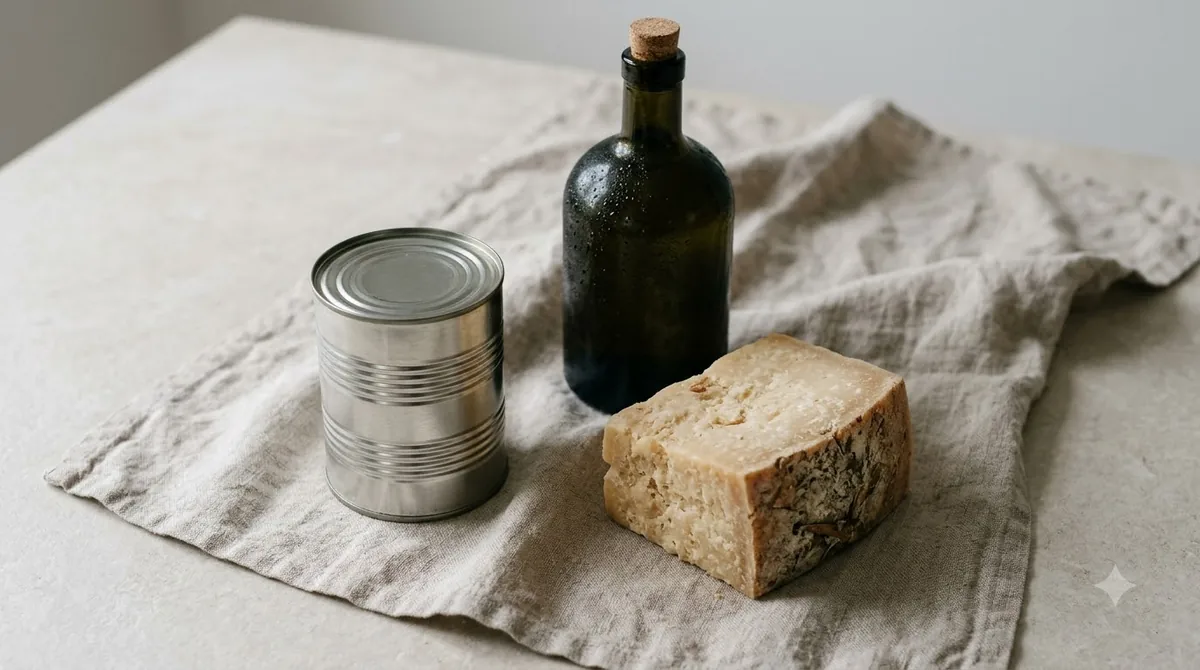
In this Rao’s marinara sauce review, each item is a common pantry ingredient, and the list has no cream, cheese or added sugar. That makes the sauce a base you can build on, rather than a finished dish with extra flavors added at the factory.
- Italian whole peeled tomatoes
- Olive oil
- Onions
- Salt
- Garlic
- Basil
- Black pepper
- Oregano
The page describes the tomatoes as sweet Italian plum tomatoes. Brands can change recipes between production runs, so the jar label is the place to confirm the current ingredient list before you buy.
Because the listed ingredients contain no meat, dairy or cheese, the sauce is built only from plant ingredients and salt as written on the page. Vegetarians and people avoiding dairy still need to check the jar label, since a recipe change would show up there first.
For a cook, that short list means flavor comes from the tomatoes and herbs, with the olive oil giving body. Adding your own fat, such as a little butter or extra oil, changes the texture more than the taste, so start small and adjust.
Nutrition Facts Per Serving
One half cup (125 g) of Rao’s marinara sauce contains 100 calories, 420 mg of sodium and 4 g of total sugars, with 0 g of added sugars.
| Nutrient | Per 1/2 cup (125 g) |
|---|---|
| Calories | 100 |
| Sodium | 420 mg |
| Total sugars | 4 g |
| Added sugars | 0 g |
The brand’s nutrition panel, which this Rao’s marinara sauce review relies on, uses a 1/2 cup serving and lists about five servings per container for the size shown. Other sizes list different counts, so check the panel on your jar rather than relying on one number.
Sodium is the figure to watch in any Rao’s marinara sauce review. At 420 mg per serving, a cook who adds cheese, cured meat or salted pasta water should count the total against their own daily limit.
Total sugars and added sugars are separate lines on the label. The 4 g of total sugars includes sugar that occurs naturally in the tomatoes and onions, while the 0 g added sugars line shows that the brand did not add sweetener on top of that. Reading both lines is the simplest way to tell a plain sauce from a sweetened one.
Calories are low at 100 per half cup, which is one reason many shoppers look at this jar in any Rao’s marinara sauce review. Most of the energy in a finished pasta dish will come from the pasta and any cheese or oil you add, so the sauce itself is rarely the largest calorie source on the plate.
Jar Sizes and Pack Options
The brand page lists single jars in 15.5, 24, 32 and 40 oz, plus two-packs in 22, 28 and 31.7 oz.
- Single jars: 15.5 oz, 24 oz, 32 oz, 40 oz
- Two-packs: 22 oz, 28 oz, 31.7 oz
A Rao’s marinara sauce review should compare the unit price on the shelf label rather than the jar price, since sizes and pack counts differ between stores. If you cook pasta only once a week, the smallest jar limits waste, because the sauce needs to be used within a few days of opening.
A household that cooks marinara several times a week may find a larger jar more practical, provided it can finish the opened sauce within the 5 to 7 day refrigerator window. A single person or a couple who cook pasta once or twice a week will usually waste less with a smaller jar or a single serving plan.
Multi-packs can look cheaper per jar, and a practical Rao’s marinara sauce review should always include the cost per ounce, but they only save money if you use every jar before the best by date. Buy the pack size you can finish, not the one with the lowest sticker price.
How It Works as a Base Sauce
Rao’s marinara works best as a base for quick pasta, pizza or baked dishes, because garlic, basil and oregano are already in the jar.
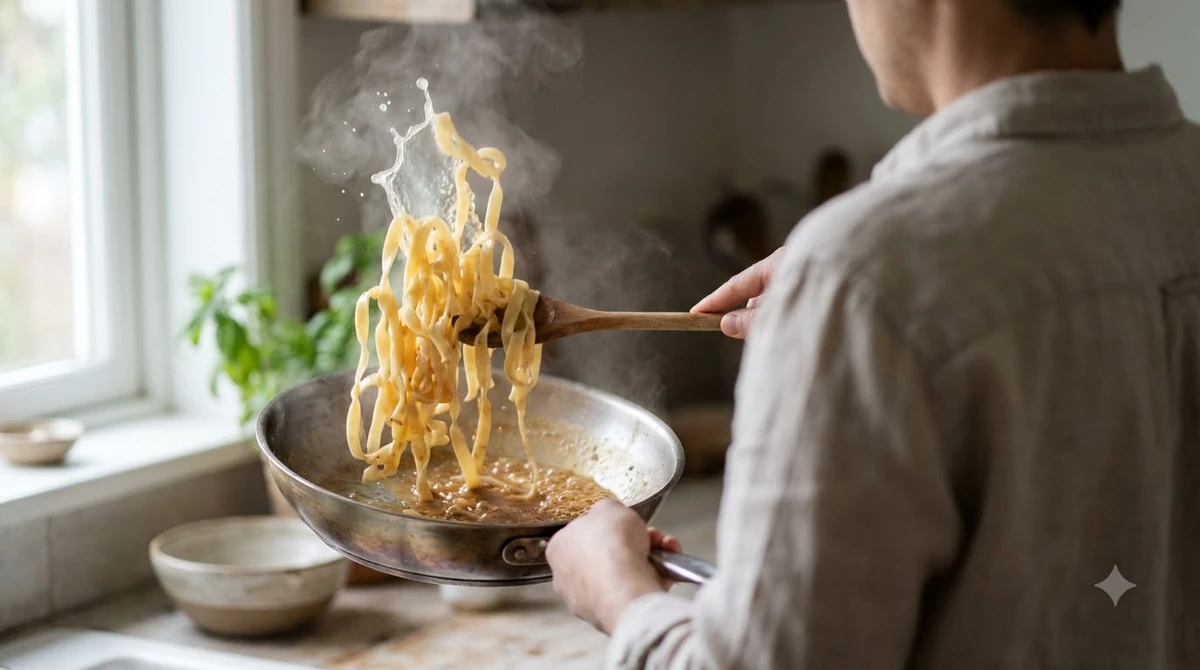
Since the list includes olive oil, onions, garlic, basil and oregano, the sauce already carries a classic marinara flavor. Cooks who want a thicker result can simmer it for a few minutes to reduce, and those who want heat can add dried chili flakes at the stove.
- Toss with dried pasta and a splash of starchy pasta water
- Spread a thin layer on pizza dough as the sauce base
- Use as the tomato layer in baked dishes such as eggplant parmesan
- Stir in butter or grated cheese for a richer finish
The brand page does not give cooking instructions, so the serving ideas in this Rao’s marinara sauce review are general kitchen practice rather than brand guidance. Our marinara pizza recipe and our guide to how to make marinara sauce cover the cooking side.
For a quick weeknight plan, warm the sauce in a wide pan, add cooked pasta with a splash of its water, and finish with grated cheese off the heat. This keeps the sauce glossy and stops the cheese from clumping.
For pizza, this Rao’s marinara sauce review recommends a thin layer, which leaves room for cheese and toppings to cook through, while a heavy layer can make the center wet. Test one pizza before you commit to a full batch of dough.
Storage Before and After Opening
Store an unopened jar at room temperature until the best by date, then refrigerate the leftover sauce and use it within 5 to 7 days.
The brand page gives both rules, and this Rao’s marinara sauce review repeats them as written. Keep the jar at room temperature until the best by date printed on it. After opening, move leftovers to a clean, sealed container in the refrigerator and use them within that window.
Common Mistakes With a Jarred Marinara
The most common mistake is serving the sauce straight from the jar without tasting and adjusting, since every cook uses different amounts of pasta, water and cheese.
- Salting before tasting, when the sauce already contains salt
- Skipping the pasta water that helps the sauce cling to the noodles
- Reheating the same leftovers more than once
Taste first, then season, because no Rao’s marinara sauce review can tell you how salty your pasta water is. Heat only the portion you plan to serve so the rest of the opened jar stays cold until next time.
How to Compare It With Other Jarred Marinaras
Use the same five checks on any jar when you read a Rao’s marinara sauce review or any other jarred sauce review: ingredient list, sodium per serving, added sugars, jar size and unit price, and the storage rule after opening. Rao’s marinara gives you the first three on its product page, so a comparison is easy to run. For a direct head-to-head, read our Rao’s vs Carbone marinara comparison, or see our Mutti passata review for a plainer tomato base.
- Read the ingredient list and count the items, since a shorter list usually means fewer additives.
- Check sodium per serving against the serving size on that jar, not against another brand’s serving.
- Look for added sugars as a separate line and note whether it reads 0 g.
- Compare unit price per ounce, using the shelf label.
- Find the opened-jar storage rule so you know how long leftovers last.
This Rao’s marinara sauce review uses those same checks, so the numbers on the page can be compared directly with the labels you see at the store.
Rao’s Marinara Sauce Review: Who Should Buy It and Who Should Skip It
Rao’s marinara suits cooks who want a short ingredient list and a ready jar, and it is a weaker fit for anyone who needs a printed gluten-free claim or a low-sodium sauce.
Buy it, according to this Rao’s marinara sauce review, if you want a plain tomato base with no added sugar and no artificial colors, as the brand states. It also suits busy weeknights when you do not want to peel and cook tomatoes from scratch.
- Cooks who want a short, recognizable ingredient list
- Households that avoid added sugar in pantry sauces
- Busy cooks who need a ready base for pasta and pizza
Skip it if you need a gluten-free claim printed on the jar, a low-sodium sauce, or a cream- or cheese-based sauce. For the full ingredient and nutrition details behind this review, check the Rao’s marinara sauce product page.

Frequently Asked Questions
Can you use Rao’s marinara sauce on pizza?
Yes, this Rao’s marinara sauce review finds the sauce can be spread on pizza dough as a base because its ingredients are tomato-based and already seasoned. The brand page does not give pizza instructions, so spread a thin layer to keep the center of the crust from getting soggy.
Does Rao’s marinara sauce contain added sugar?
No. In this Rao’s marinara sauce review, the brand nutrition panel lists 0 g of added sugars per 1/2 cup serving, with 4 g of total sugars. The ingredient list does not include sugar as an item.
How long does Rao’s marinara sauce last after opening?
The brand says to refrigerate the sauce after opening and use it within 5 to 7 days. Keep it in a clean, sealed container and check the best by date on the jar before you open it.
Is Rao’s marinara sauce gluten-free?
This Rao’s marinara sauce review found no gluten-free claim on the product page. Check the label on the jar you buy, because packaging can differ by size and production run.
Is Rao’s marinara sauce high in sodium?
For this Rao’s marinara sauce review, a 1/2 cup serving contains 420 mg of sodium according to the brand nutrition panel. Weigh that number against your daily goal, especially if you add cheese or salted pasta water.
Is Rao’s marinara sauce made in Italy?
The product page used for this Rao’s marinara sauce review names Italian tomatoes but does not say where the jar is made. Check the country of origin on the label if that matters to you.
Does Rao’s marinara sauce have a long ingredient list?
No. The page lists eight items: Italian whole peeled tomatoes, olive oil, onions, salt, garlic, basil, black pepper and oregano. A short list like this is easy to scan and makes the sauce simple to combine with other pantry items.
Is Rao’s marinara sauce suitable for vegetarians?
The listed ingredients contain no meat or dairy, so the ingredient list fits a vegetarian pattern. Check the jar label on the size you buy, since the listed recipe is the only source for that claim on the brand page.
If the short ingredient list and the sodium count fit your cooking, this Rao’s marinara sauce review points to a practical jar for quick dinners. If you need a gluten-free claim or a lower sodium level, compare labels with other jarred marinaras and check the current price per ounce at your store before you buy. Our roundup of the best marinara sauce makes that comparison for you.
 8 min readGear & PantryCarbone Marinara Sauce Review: Ingredients, Price and Who Should Buy ItUpdated Nov 16, 2026
 7 min readGear & PantryRao’s vs Carbone Marinara: Price, Ingredients and Which to BuyUpdated Nov 15, 2026
 9 min readGear & PantryCobram Estate Olive Oil Review: Origin, Range and Who It SuitsUpdated Nov 10, 2026
 8 min readGear & PantryIs King Arthur 00 Flour Good? Specs, Results and Who It SuitsUpdated Nov 8, 2026
 9 min readGear & PantryBest Marinara Sauce: What to Look for in a JarUpdated Nov 17, 2026
 9 min readGear & PantryHow to Make Marinara Sauce at Home: A Simple Step-by-Step GuideUpdated Nov 10, 2026