
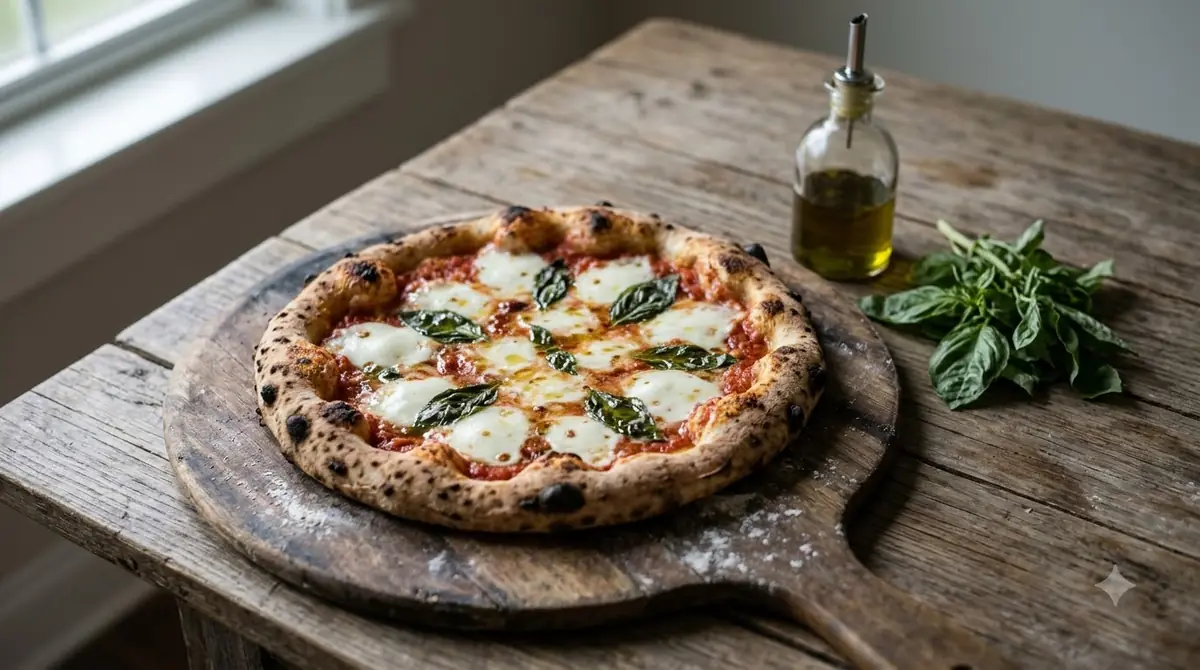

This nduja pizza recipe uses a 63% hydration dough, San Marzano tomato sauce and spreadable Calabrian salami, baked on a pizza oven stone at 450 °C (842 °F) for 60 to 90 seconds. The dough rests for about 24 hours in total. Nduja is rich and hot, so the topping is kept light.
That heat needs a dedicated pizza oven, because a standard kitchen oven tops out far lower, so the bake section below shows how to adapt. A milder bolognese version with less nduja is also included.
What Nduja Is and How It Tastes
Nduja is a soft, spreadable pork salami from Calabria, in southern Italy, made with fatback, offal and sun-dried chilies. It is smoked and then aged for three to six months.
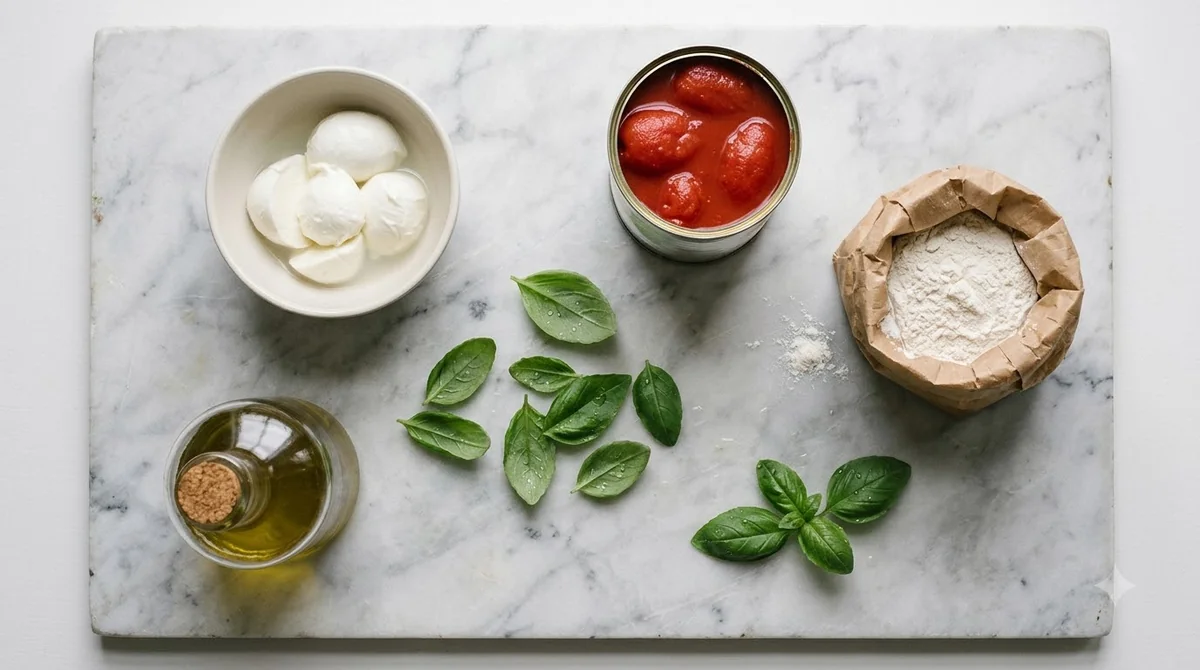
According to Wikipedia’s entry on nduja, the mixture is scooped out as needed. The chilies give it a fiery taste, and the page gives no specific heat level.
Wikipedia notes that nduja is mainly served with slices of bread or ripe cheese, but it works in many other dishes as well. On pizza, it adds fat, heat and a savory pork flavor that tomato and mozzarella alone do not provide.
Because it is fatty, a little goes a long way in any nduja pizza recipe. Spoon it on in small amounts and let the cheese and tomato carry the rest of the pie. If you want a closer look at the ingredient itself, read what nduja is and how it is used.
Dough Quantities for This Nduja Pizza Recipe
For this nduja pizza recipe, a dough of 434 g Tipo 00 flour, 273 g water and 13 g salt makes three 11-inch pizzas at 63% hydration. The recipe uses a little instant dried yeast and a long room-temperature rest.
| Ingredient | Metric | US |
|---|---|---|
| Tipo 00 flour | 434 g | 3 3/4 cups (15.3 oz) |
| Water | 273 g | 1 1/8 cups (9.6 oz) |
| Salt | 13 g | 2 1/2 teaspoons (0.5 oz) |
| Instant dried yeast | 0.17 g | 1/16 teaspoon |
Weigh the yeast if you can, because a pinch is hard to measure accurately. Follow these steps for the dough, which come from the Cotswold Flour nduja pizza recipe:
- Mix the flour and yeast in a large bowl, then add 95% of the water gradually and mix into a rough ball.
- Cover and rest for 20 minutes so the flour absorbs the water.
- Dissolve the salt in the remaining 5% of water, add it to the dough, and mix briefly.
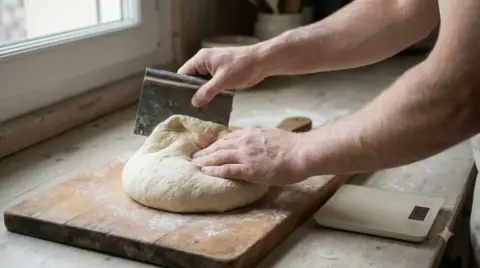
- Knead for 10 to 12 minutes. The dough is wet at first and firms up as it absorbs the liquid.
- Rest for 10 minutes, shape into a ball, and ferment at room temperature for 20 hours in an airtight container.
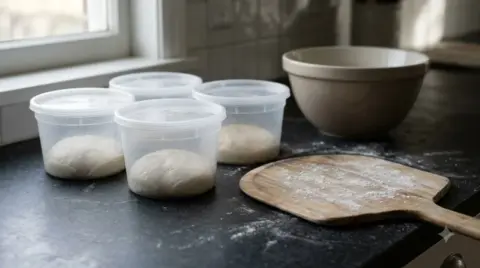
- Divide into three equal balls, oil your hands if the dough sticks, and rest them in lightly oiled containers for 3 to 4 hours.
Hydration is simply the water weight divided by the flour weight. In this recipe, 273 g of water on 434 g of flour gives 63%, so a higher percentage means a wetter, stickier dough.
The Gozney nduja bolognese recipe gives a similar picture from a different angle. It suggests proofing the portioned dough at room temperature for two to four hours, at about 23 °C (70 °F), and recommends a bulk ferment of about 24 hours. It also says the dough can be refrigerated for another 12 to 24 hours before baking, so the timing can be split across two days.
Plan the day before you bake. The dough needs a full day of fermenting, so mixing it the night before makes a nduja pizza recipe easier to fit into a normal evening.
The long ferment is what gives a nduja pizza recipe crust its flavor. If your kitchen is warm, the dough will rise faster, so check it at the 20-hour mark instead of trusting the clock alone.
Tomato Sauce and Toppings
Use one 14 oz tin of San Marzano tomatoes with 1 teaspoon of salt for a sauce in this nduja pizza recipe that stays bright under the heat of the nduja. Blend in four or five short pulses only, because over-blending the seeds can make the sauce taste bitter.
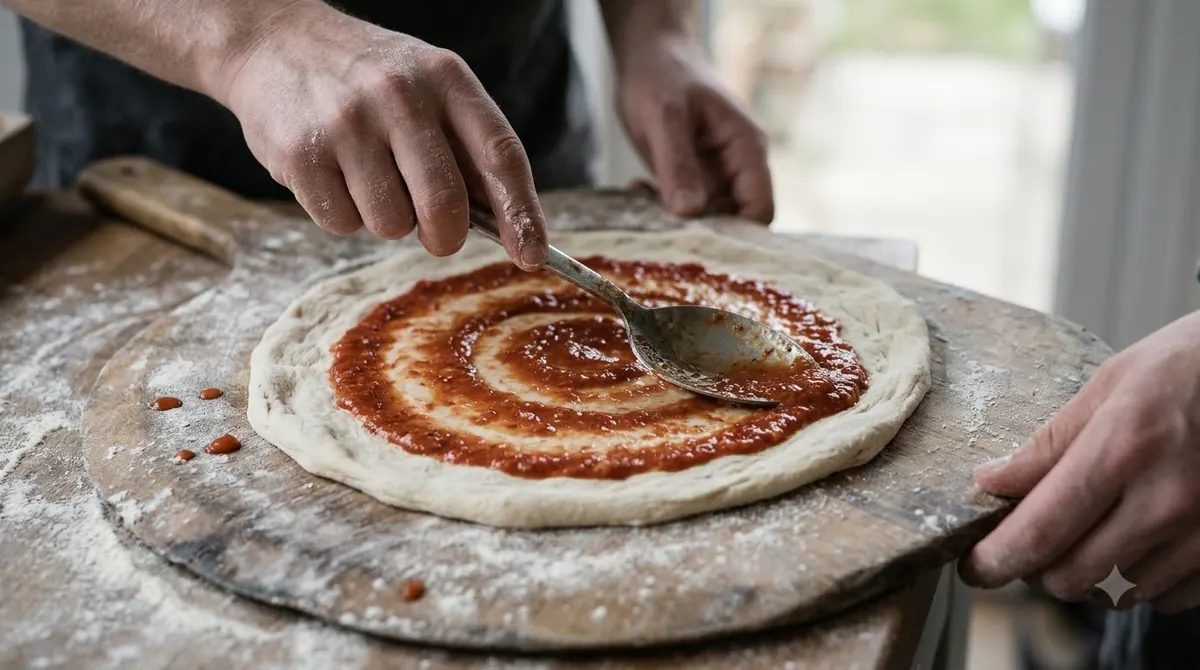
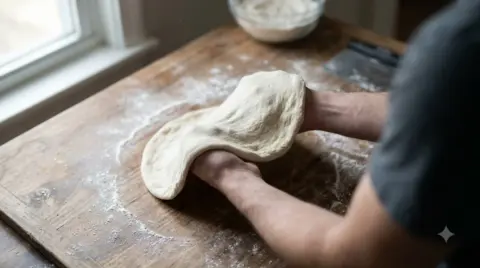
Stretch each ball by hand to about 11 inches, leaving a one-inch rim, and turn it 90 degrees between stretches so it stays even. The Cotswold recipe transfers the stretched base to a floured peel before topping it. Then layer the toppings for this nduja pizza recipe in this order:
- A thin layer of tomato sauce, leaving the rim bare.
- Grated Grana Padano for salt and savoriness.
- Buffalo mozzarella or fior di latte, torn into pieces.
- Small spoonfuls of nduja, spread apart so each bite gets some heat.
- A drizzle of extra virgin olive oil and basil that has been soaked in salted water.
When you build a nduja pizza recipe with fresh mozzarella, pat it dry with paper towels before it goes on the dough. That helps keep the center from turning soggy in the oven.
Bake It Hot: Oven Temperature and Timing
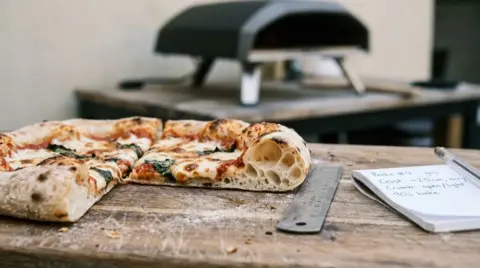
Bake a nduja pizza recipe in a pizza oven with the stone at 450 °C for 60 to 90 seconds, turning the pizza regularly so the crust cooks evenly. The Cotswold recipe says to fire up the pizza oven and aim for that stone temperature before launching the first pizza.
The Gozney recipe for its own oven says to bake on high for about 90 seconds or less, then rest the pizza about 30 seconds before cutting it into four to six slices.
| Setup | Surface temperature | Bake time |
|---|---|---|
| Stone in a pizza oven (Cotswold method) | 450 °C | 60 to 90 seconds |
| Gozney Roccbox floor (brand guidance) | 425 to 455 °C (800 to 850 °F) | About 90 seconds or less |
The Gozney nduja bolognese recipe advises turning the pizza 90 degrees about every 20 seconds in that oven. Let the stone or floor reach the target temperature before the first bake, since that surface temperature is the number that matters here. For context on how hot dedicated ovens run, see how hot a pizza oven gets.
A standard kitchen oven cannot reach 450 °C. For reference, King Arthur Baking advises 550°F (about 290 °C) with a stone or steel inside for home-oven pizza. At that heat the nduja pizza recipe needs several minutes instead of 60 to 90 seconds, so judge it by crust color and bubbling cheese, and keep the nduja light so it does not scorch during the longer bake.
Nduja Bolognese Variation
A bolognese base for a nduja pizza recipe, made with 225 g of nduja and minced beef, gives a richer, savory pizza with more depth. Reduce the nduja and replace the rest with minced beef for a milder version that still tastes of the pork and chili.
The Gozney recipe behind the nduja pizza recipe variation uses 1,000 g Type 00 flour, 650 g ice-cold water, 4 g yeast and 50 g salt for six dough portions of 275 g each. Its bolognese takes about three hours of cooking, and the recipe lists 30 minutes of prep, so make the bolognese sauce a day ahead. The Gozney method advises preparing the dough and bolognese in advance, then serving the pizza piping hot. The recipe also calls for 100 ml of dry red wine, 100 g of tomato sauce and 1 liter of beef stock, added in stages as the sauce reduces.
- Brown the beef and nduja together before adding the vegetables.
- Add the stock in roughly 125 ml portions, letting each one evaporate before adding the next.
- Top each slice with fior di latte, shallot, basil and a little Pecorino Romano.
Common Mistakes With Nduja Pizza
The most common mistake with any nduja pizza recipe is using too much nduja, which makes the pizza greasy and hides the tomato. Start with a few spoonfuls and add more on the next pizza if you want extra heat.
- Blending the tomatoes too long, which can make the sauce bitter.
- Skipping the long rest, which leaves the dough tight and hard to stretch.
- Loading small pieces of nduja directly on the edge, where they can scorch on a very hot stone.
- Baking on a cool stone, which leaves the cheese pale and the crust pale.
Frequently Asked Questions
Is nduja spicy?
Yes. Nduja gets its heat from sun-dried Calabrian chilies, so a nduja pizza recipe can be as hot as the amount you add. The sources read for this recipe do not give a heat level, so start with a small amount and adjust on the next pizza.
Can I use fresh mozzarella instead?
Yes. The Cotswold recipe allows buffalo mozzarella or fior di latte. Pat fresh mozzarella dry with paper towels before it goes on the dough so the base does not get soggy.
Can I make the dough ahead?
For a nduja pizza recipe, the dough can be made ahead and cold fermented. The Gozney recipe describes bulk fermentation for 24 hours followed by refrigeration, so plan the timing around your bake day. Let the dough come to room temperature before shaping it.
How long does opened nduja last?
The sources read for this article do not give a shelf life for opened nduja. Check the label on the jar or pack, and keep it refrigerated after opening.
Can I bake this in a home oven?
The Cotswold recipe is written for a pizza oven with a 450 °C stone, which a standard kitchen oven cannot reach. In a home oven, preheat a stone or steel at your oven’s top setting (King Arthur suggests 550°F) and bake for longer than 60 to 90 seconds. The sources read do not give exact home-oven times for this recipe, so go by crust color.
For your first nduja pizza recipe attempt, try the milder bolognese version if you are new to nduja, then move to the classic tomato version when you want a sharper heat. Keep the dough rest and the stone temperature the same either way, because they decide the crust. For another spicy salami pizza, see the diavola pizza recipe.
 8 min readLearnSupreme Pizza Recipe: Toppings, Dough and Bake StepsUpdated Nov 11, 2026
 8 min readLearnSicilian Pizza Recipe: Dough, Toppings and Bake StepsUpdated Nov 10, 2026
 10 min readLearnSheet Pan Pizza Recipe: Three Doughs, Exact Amounts and Bake TimesUpdated Nov 11, 2026
 8 min readLearnCalzone Recipe: Dough, Filling and Bake Times for Home and Pizza OvensUpdated Nov 10, 2026
 8 min readLearnStromboli Recipe: Dough, Fillings and Bake Times for Home OvensUpdated Nov 10, 2026
 8 min readLearnVegan Pizza Recipe: Dough, Cheese and Toppings That WorkUpdated Nov 12, 2026