

If you are asking what is nduja, the short answer is a soft, spicy, spreadable pork salami from Spilinga in Calabria, southern Italy. It is rich, smoky and hot, and it stays soft instead of firming up like most salami.
Its heat comes from sun-dried Calabrian chilies and its spreadable texture comes from a high share of fat. A small amount goes a long way on toast, pizza or pasta.
What is nduja made of?
Nduja is made from pork trimmings, offal and fatback, seasoned with sun-dried Calabrian chilies. The fat keeps the texture soft, and the chilies give both the heat and the red color.
A good way to understand what is nduja is to look at its ingredients. According to Wikipedia’s entry on nduja, the base is trimmings from several cuts of pork, plus offal and fatback. The meat is minced before it is stuffed.
Recipes vary from maker to maker. Pastaevangelists describes versions that also use lard, finely chopped pancetta, guanciale (cured pork cheek), and dried or fresh herbs. That same source says no dyes or preservatives are needed, so the color comes from the chilies.
- Pork trimmings from several cuts
- Offal and fatback
- Sun-dried Calabrian chilies for heat and color
- Lard, pancetta and guanciale, in some recipes
- Dried or fresh herbs
Because the mix changes between producers, read the label before you buy. Check the package if you need to avoid pork or want a specific style of chili. For the chili side, see this guide to Calabrian chili paste.
Knowing what is nduja made of also helps you read a label. If the list includes dyes or preservatives, the product differs from the recipe Pastaevangelists describes, where neither is needed.
Where nduja comes from
Nduja comes from Spilinga, a town in Calabria in southern Italy. If you are learning what is nduja for the first time, start with its home region. The sausage is also called ‘nduja di Spilinga, which ties its name to that town.
Pastaevangelists reports that production reportedly began in the early 1800s, when pig farmers used less prized offal. The same source says Calabrians who emigrated in the mid-20th century helped spread it internationally.
The name is often linked to the French andouille. America’s Test Kitchen says it is thought to be named this way because it resembles andouille. Pastaevangelists connects the name to French troops in Calabria in 1807, but presents that as one theory, not a settled fact.
Interest in what is nduja grew in the United States and United Kingdom around 2015 and 2016, when restaurants in New York City and London began to feature it on their menus. Wikipedia cites a December 2016 report in The Independent on that trend.
How nduja is made and why it stays soft
Nduja is minced, stuffed into large casings, then smoked and aged for three to six months. The high fat content keeps it soft, so it never firms up the way typical salami does.
Wikipedia describes the sausage as smoked and aged over that period. Pastaevangelists gives the same curing range of three to six months and says it is lightly smoked with aromatic herbs and olive, oak or acacia wood before curing.
The sources disagree on one step. America’s Test Kitchen describes the mixture as slow-fermented, which gives nduja a tangy note. Wikipedia’s entry does not describe a fermentation step. If that detail matters to you, ask the producer how the sausage is made.
The soft texture is what sets nduja apart from firm salami. You can scoop it from the casing and spread it, so once you see what is nduja as a spread rather than a sliced meat, its uses make more sense.
How hot is nduja and how does it taste?
If you are new to what is nduja, the heat is the first thing you will notice. For anyone asking what is nduja in terms of taste, it is meaty and smoky, with a clear chili heat. No reliable source used for this guide gives a numeric heat rating, so judge the heat by taste rather than by a number.
Pastaevangelists calls it delightfully spicy, with meaty, umami flavors, and says the Calabrian chilies give it its red color. America’s Test Kitchen says it has plenty of heat from the peppers.
Because the heat builds as you eat, start with a small spoonful. You can always add more to a sauce or a sandwich, but you cannot take heat back out once it is mixed in.
Heat is a matter of personal tolerance. If you usually avoid very hot food, stir a small amount into a pot of sauce first, taste it, and then decide whether to add more. A spicy tomato sauce like this arrabbiata sauce recipe is one place to try it.
How to use nduja
What is nduja best used for? Nduja is safe to eat straight from the package, and it works best spread on bread, crostini or crackers. According to America’s Test Kitchen’s guide to nduja, it can be served with cheese or added to sandwiches as well.
Here are the most common ways to use it at home:
- Spread it on toasted bread or crostini
- Serve it with ripe cheese on a board
- Stir a little into tomato sauce for savory depth
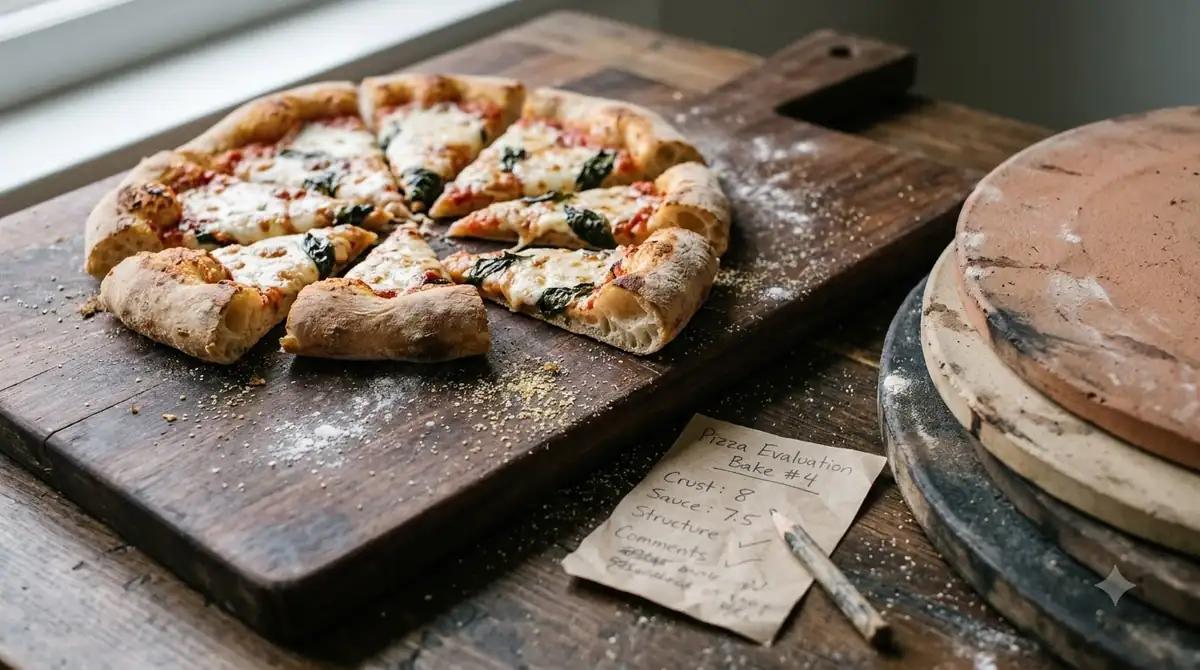
- Mix it with ricotta and spread it on pizza, since the ricotta softens the heat
- Stir it into pasta or a creamy sauce
- Use it as a filling for ravioli or tortelloni
The pizza method is a good example of what is nduja meant to do in a dish. America’s Test Kitchen describes ricotta tempering the heat and saltiness, so the creamy pockets contrast with the tomato sauce rather than overpowering it.
Pastaevangelists also shows nduja in pasta with creamy partners: burrata with sage butter in tortelloni, lemon and mascarpone with tagliatelle, and taleggio with butter and Parmesan in ravioli. The creamy ingredient gives the heat something soft to sit against, which is the simplest way to plan a dish around nduja. For the pasta itself, see this homemade ravioli guide.

Nduja vs other salami
Nduja is soft and spreadable, while typical salami is firm enough to slice. The table below compares what is nduja with a typical firm salami on the points that affect cooking and serving.
| Feature | Nduja | Typical firm salami |
|---|---|---|
| Texture | Soft and spreadable | Firm, sliced |
| Heat | Clear chili heat from Calabrian chilies | Depends on the recipe |
| Typical use | Spread on bread, stirred into sauce | Sliced on a board or in sandwiches |
| Firmness over time | Stays soft, does not firm like salami | Firm |
Choose nduja when you want a spicy spread that melts into a sauce or sits on bread. Choose a firm salami when you want slices for a board, a sandwich or a topping like the one in this pepperoni pizza recipe. The two products do different jobs, so decide which one the dish needs before you buy.
How to store and buy nduja
Refrigerate nduja after opening, and check the package label for storage and ingredient details. The sources reviewed for this guide give no other storage advice. For anyone asking what is nduja and how to keep it, the answer is cold storage after opening, because it is a soft, high-fat sausage.
- Keep it in the refrigerator once the package is open
- Read the label for the exact ingredients and the date
- Look for a label that names Calabrian chilies if you want that flavor
Availability depends on where you live, so if you are asking what is nduja and where to find it, check Italian specialty grocers or online sellers. Compare the ingredient list, not just the price, because recipes differ between makers.
Frequently Asked Questions
Is nduja spicy?
Yes. Calabrian chilies give nduja a clear heat, so anyone asking what is nduja should expect a kick, and America’s Test Kitchen describes it as having plenty of heat. No reliable source used here gives a numeric rating, so start with a small amount and add more only if you want it.
Do you need to cook nduja?
No. America’s Test Kitchen says it is safe to eat straight from the package, so you can spread it on bread without cooking. Many cooks also stir it into sauces to add depth.
Can you use nduja in pasta?
Yes. Pastaevangelists says you can stir it into pasta or a creamy sauce, and it works as a ravioli filling. Start with a small spoonful, because a little goes a long way in a sauce.
What can you use instead of nduja?
No source reviewed here gives a tested substitute or a ratio. A spicy cured salami is the closest general type to try, but check its heat level and texture before you swap it in.
How long does nduja last?
Refrigerate it after opening, then follow the date and storage advice on the package. The sources reviewed for this guide do not give a set number of days.
Does nduja contain preservatives?
Pastaevangelists says no dyes or preservatives are needed in its traditional recipe. Products vary, so read the ingredient list on the package before you buy, especially if you are avoiding additives.
Is nduja a type of salami?
Yes, in a broad sense. It is a cured pork sausage and an Italian salume, but its soft texture makes it behave more like a spread than most salami. That difference explains why people often ask what is nduja when they see it next to firm salami.
Once you know what is nduja, treat it as a seasoning as much as a spread. Start with a spoonful on toast or in a tomato sauce, then decide whether you want more heat next time.
 10 min readLearnCalabrese Pizza Recipe: Spicy Salami and Calabrian Chile PasteUpdated Nov 11, 2026
 8 min readLearnNduja Pizza Recipe: Dough Quantities, Toppings and Bake TimesUpdated Nov 11, 2026
 9 min readLearnWhat Is Finocchiona? A Tuscan Fennel Salami ExplainedUpdated Nov 11, 2026
 8 min readLearnWhat Is Calabrian Chili? Origin, Heat and How to Use ItUpdated Nov 10, 2026
 8 min readLearnWhat Is Fileja Pasta? A Calabrian Shape ExplainedUpdated Nov 11, 2026
 9 min readLearnArrabbiata Sauce Recipe: How to Make Spicy Roman Tomato SauceUpdated Nov 10, 2026