
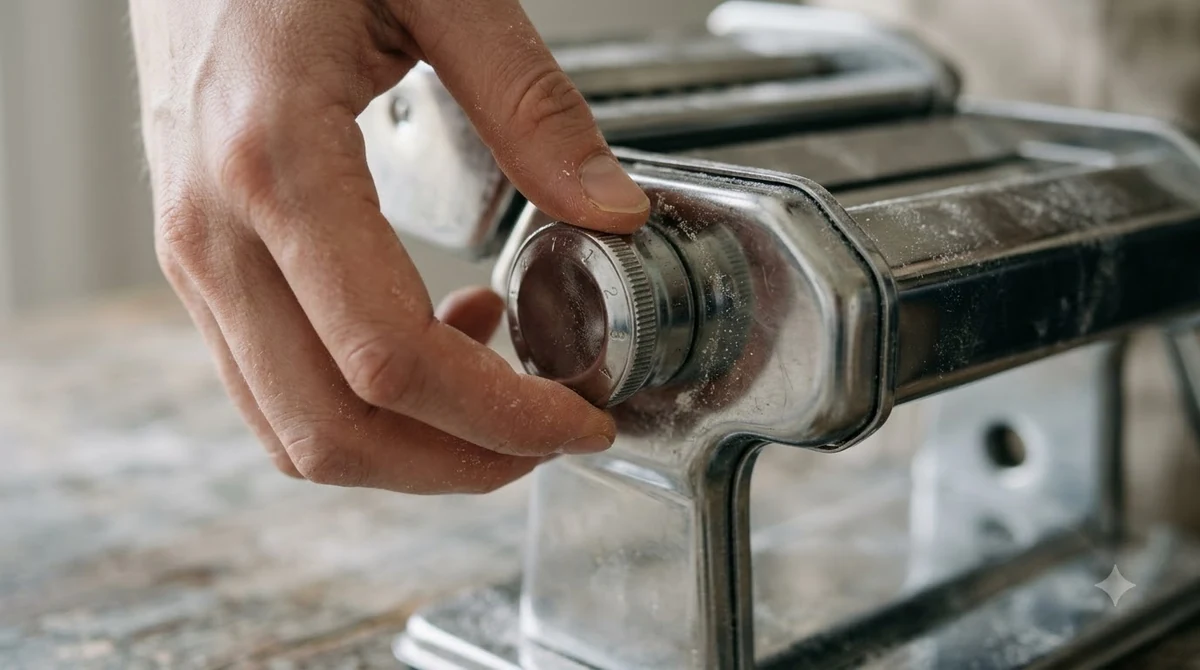

Pasta dough usually cracks because it is too dry, has not rested long enough, or is being stretched too thin and too fast. Check the texture first, let the dough rest at room temperature, and roll it in gradual passes. Adding oil is a common mistake that makes the cracking worse.
Cracks along the edges or a sheet that splits in the machine are almost always a sign that the dough needs one small correction. Most of the time the fix is simple, and the dough can be saved without starting again.
Why Does Pasta Dough Crack When You Roll It?
Cracking happens when the gluten network cannot stretch evenly, which usually comes from dough with too little moisture or dough that has been handled before it was ready.
Chowhound’s guide to fresh pasta mistakes notes that dry dough is crumbly and tough to knead, and that it can get stuck or tear in the machine. A dough that looks fine in the bowl can still crack once it is flattened and stretched.
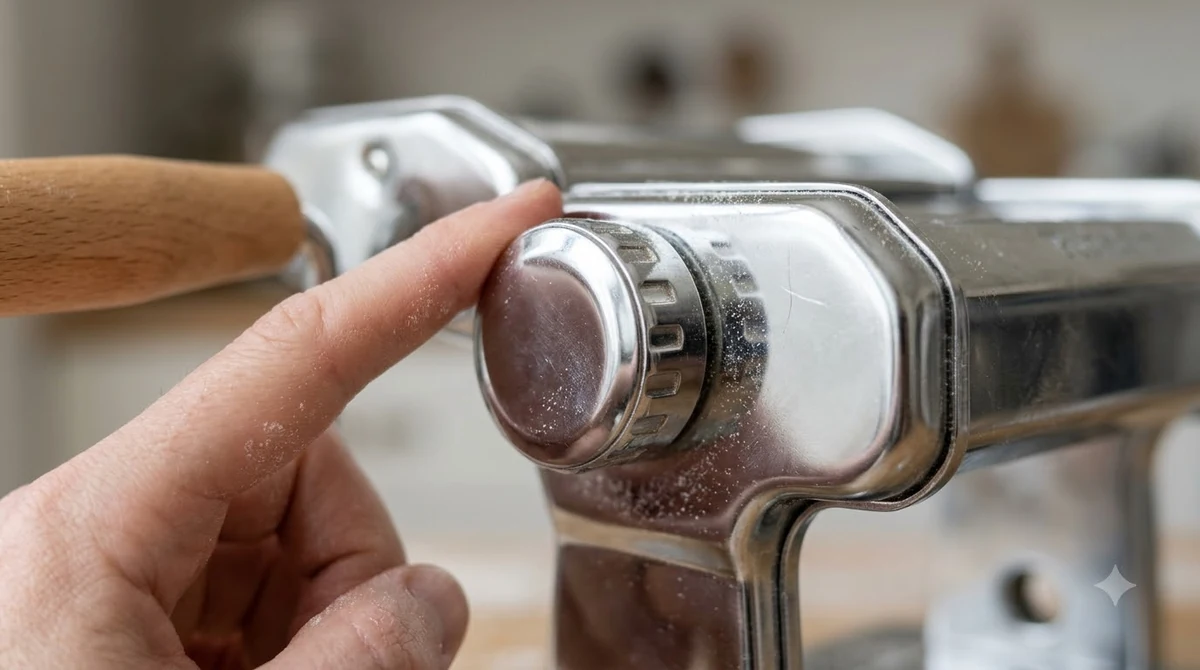
Rolling too thin can also cause holes and tears, even in dough with good hydration. Thin sheets have less structure, so they split more easily when they are pulled.
How Do You Check the Hydration?
Dough that cracks is often too dry, so the first step is to check how it feels after kneading.
Dough that is crumbly, dry at the edges, or breaks apart when pinched needs a little more moisture. Chowhound suggests adding water sparingly, about a teaspoon at a time, while kneading until the dough becomes cohesive and pliable. Avoid adding a large splash at once, because that can make the dough sticky and harder to handle.
Dough that is sticky on the rollers needs the opposite fix. Add flour in small amounts until it stops sticking to your hands and the machine.
Why Resting Matters
Resting relaxes the gluten, which makes the dough far less likely to tear when you stretch it.
Chowhound suggests a rest of 30 to 60 minutes, and Pasta Evangelists recommends at least one hour at room temperature. Keep the dough wrapped so the surface does not dry out, and let it rest somewhere at room temperature rather than in the fridge before rolling.
- Knead until the dough is smooth and pliable.
- Wrap it tightly in plastic wrap or a clean cloth.
- Rest it at room temperature for at least 30 minutes, longer if you can.
- Cut the dough into pieces only when you are ready to roll.
How Should You Roll the Dough?
Roll gradually. Start on the widest setting, then move down one step at a time rather than pulling the dough to the thinnest setting in one pass.
Fold the sheet in thirds between passes if the edges start to crack. Lightly dust the sheet with flour, not so much that it becomes dry, and keep the unused dough covered while you work.
If a sheet splits, press the two sides back together with a little water, then roll it again on a wider setting. Dough that tears badly is usually better rerolled into a fresh ball than patched.
Should You Add Oil to the Dough?
Oil is not needed for a classic egg pasta dough, and it often causes the problem it is meant to prevent.
Chowhound warns that oil makes the dough more brittle and much more prone to cracking as it rests. Eggs, flour and a careful amount of water give enough structure for most shapes. If you want a silkier dough, use an extra yolk rather than oil, and check the hydration before rolling.
Does Room Temperature Affect the Dough?
Yes. A cold kitchen makes dough stiffer and less willing to stretch, while a very warm kitchen can make it soft and sticky. Both extremes can lead to cracks, because the gluten reacts differently to each.
If your kitchen is cold, let the dough sit a little longer before rolling and keep it wrapped. If it is hot, work in smaller batches and dust the surface lightly so the dough does not stick and tear as you pull it.
What to Do When a Sheet Keeps Tearing
If the same spot keeps tearing, look at the sheet before you look at the machine. A thin patch or an uneven edge will always split first, so trim the ragged edges and fold the sheet in thirds before the next pass.
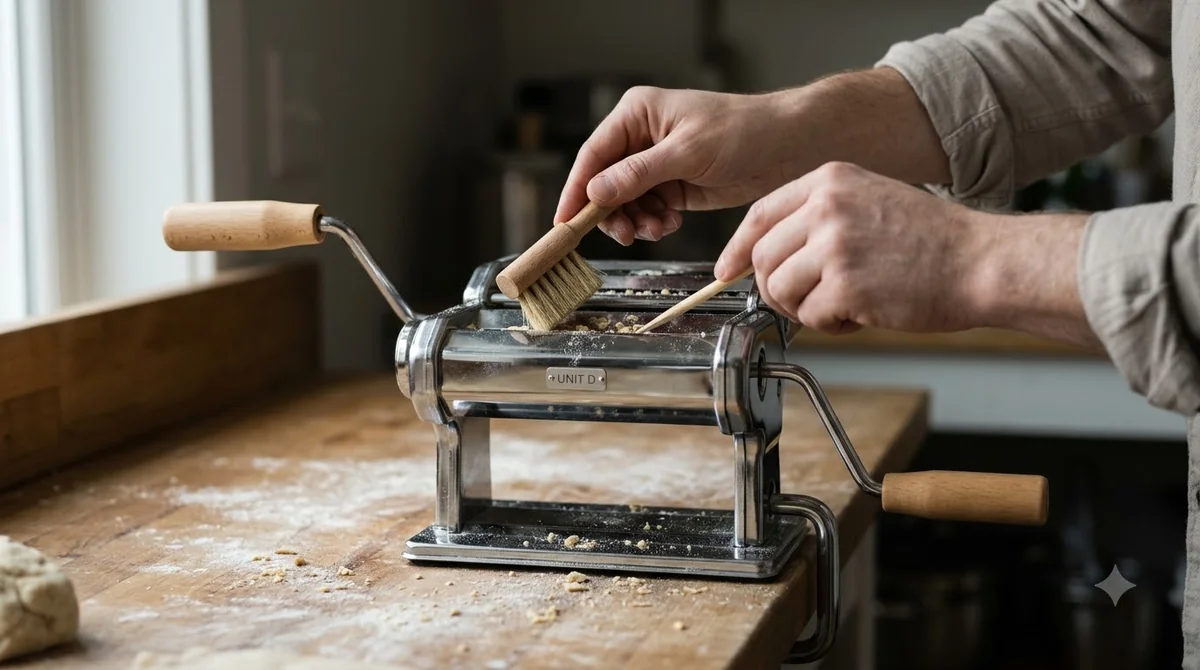
Check the rollers as well. Dried dough stuck on the rollers can leave marks and tears on every sheet that follows. Brush them clean and wipe them dry before continuing, since this is often the hidden cause of a problem that seems to be in the dough.
When a dough has been overworked and the gluten is tight, the best option is often to let it rest for an extra 15 to 20 minutes. Return to rolling with a fresh, relaxed piece rather than forcing a sheet that is already fighting back.
Frequently Asked Questions
Can I fix cracked pasta dough after it has rested?
Often yes. Knead in a teaspoon of water or a light dusting of flour to bring the texture back, then rest it again before rolling.
Why does my pasta dough crack only at the edges?
Edge cracks usually come from the outside drying faster than the centre. Keep the dough covered between passes and trim the ragged edges before the next roll.
Does the type of flour affect cracking?
Yes. Flours with higher protein can absorb more water and feel firmer, so you may need a slightly different amount of egg or water. Adjust by feel rather than following a fixed ratio.
Should I refrigerate dough that is cracking?
It is better to rest it at room temperature. Chowhound advises against the fridge for resting, so bring the dough to room temperature before rolling if it has been chilled.
Most cracking comes down to moisture, rest and a gentle roll. Check the dough before you start, add water or flour in small amounts, and give it time to relax. With those habits, the sheets will stretch smoothly and cook into tender, even pasta.
 9 min readLearnPizza Dough Not Rising? Causes and Fixes That WorkUpdated Nov 10, 2026
 9 min readLearnPizza Dough Too Sticky? Causes and Fixes That WorkUpdated Nov 10, 2026
 6 min readLearnWhy Is My Pasta Dough Crumbly? Causes and Easy FixesUpdated Nov 13, 2026
 9 min readLearnWhy Is My Pizza Dough Tough? Causes and Easy FixesUpdated Nov 12, 2026
 7 min readLearnPizza Dough Tearing: Causes and Simple FixesUpdated Nov 10, 2026
 6 min readLearnWhy Is My Fresh Pasta Gummy? Causes and Easy FixesUpdated Nov 13, 2026