
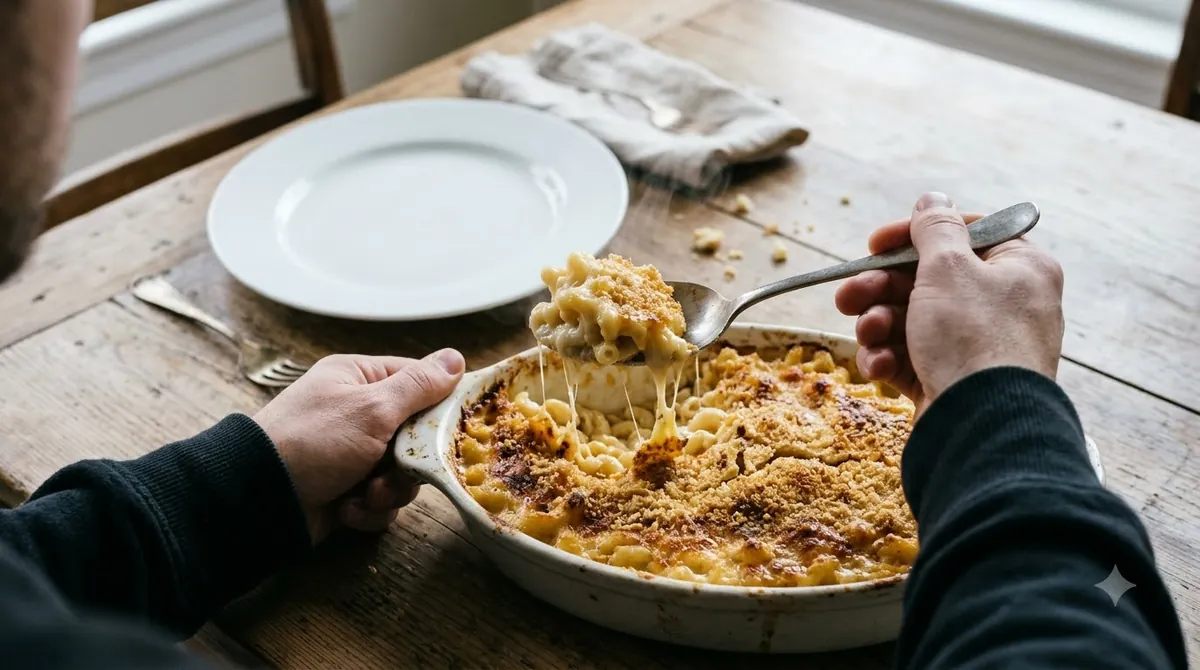

Cannelloni pasta is a large, cylindrical egg pasta that is wrapped around a filling and baked in sauce. The name means “large reeds” in Italian, and the dish is most often filled with spinach and ricotta or minced beef. Fresh cannelloni pasta is rolled from sheets, while dried tubes work too but need more sauce.
What Cannelloni Pasta Looks Like and How It Differs from Manicotti
Cannelloni pasta are smooth, cylindrical egg tubes made by wrapping a pasta sheet around a filling, while manicotti are extruded tubes filled from one end.
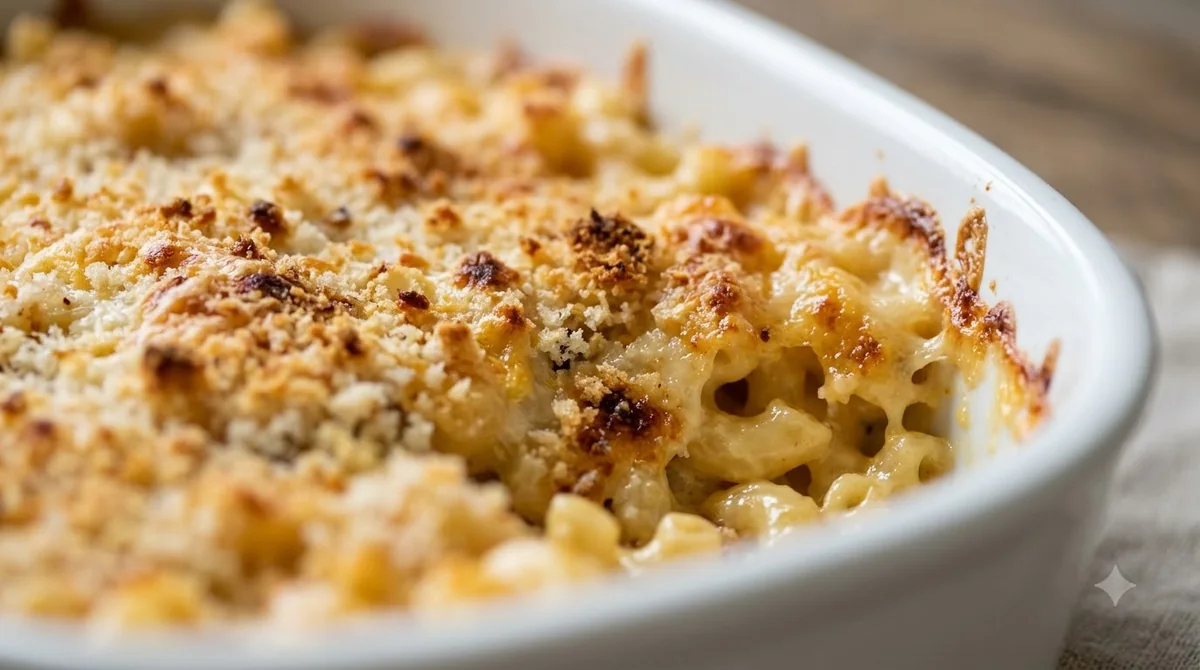
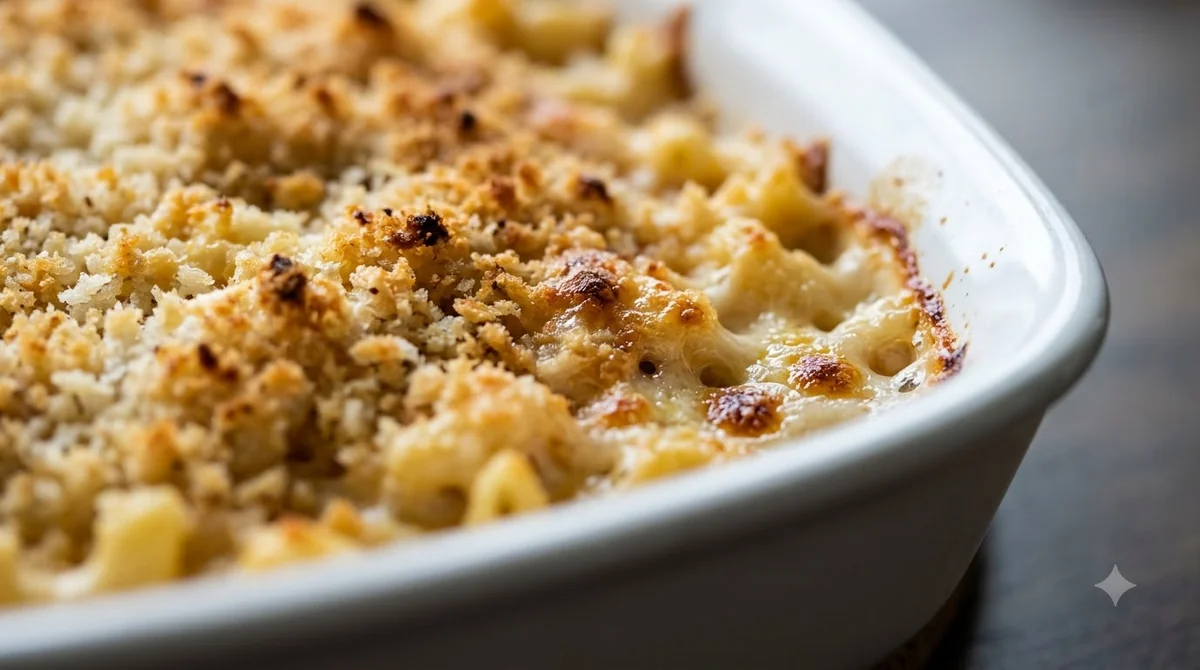
Cannelloni pasta is described as a cylindrical, egg-based stuffed pasta that is usually baked with a filling and covered in sauce, according to Wikipedia’s entry on cannelloni. The tubes are made from pasta sheets wrapped around the filling, not from dough pushed through a die. Large lumaconi shells are a related option when you prefer a shell to a tube.
Manicotti is the name that causes the most confusion. Manicotti are machine-extruded cylinders filled from one end, so the two shapes are made differently even when they look alike on the plate. In the US, the name manicotti is often used for dry egg tubes, so check the product name and label before you buy. Older Italian-American cooks sometimes made the dish with crespelle, which are Italian crêpes, instead of pasta tubes.
The history is less certain. Sources date early references to stuffed pasta called maccheroni ripieni to 1770, and the word cannelloni appears to date from around the turn of the 20th century.
| Attribute | Cannelloni | Manicotti |
|---|---|---|
| How it is made | Pasta sheet wrapped around the filling | Machine-extruded cylinder |
| How it is filled | Filling laid on the sheet, then rolled | Filled from one end |
| Typical filling | Spinach and ricotta, or minced beef | Ricotta with chopped parsley, possibly ground veal |
| Usual sauce | Tomato sauce | Tomato sauce |

Classic Fillings for Cannelloni Pasta
The most common cannelloni pasta fillings are spinach and ricotta or minced beef, and each Italian region has its own version of the dish.
Regional recipes change the filling, the sauce or both. According to a Tasting Table regional guide, these are the most often cited versions.
- Emilia-Romagna: ragù alla Bolognese (see our bolognese sauce recipe), baked with béchamel and tomato sauce.
- Naples and the Amalfi Coast: mozzarella, ricotta, Parmesan, meat sauce and chopped ham, baked in tomato sauce.
- Florence: spinach, ricotta and Parmesan, baked in tomato sauce.
- Umbria: a meat-sauce filling, baked in béchamel instead of tomato.
- Coast and mountains: seafood fillings are more likely by the sea, while mushroom and ricotta suit mountain areas.
One Abruzzo recipe for cannelloni pasta uses 400 g of mixed beef, pork and lamb mince with 100 g of grated Pecorino Romano, 4 large eggs and a teaspoon of nutmeg. The recipe card lists six servings, and its notes say the batch makes a starter for six or a main course for four.
How to Shape and Fill Homemade Cannelloni
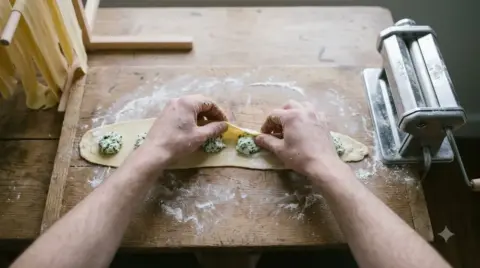
Cut fresh dough into 15 cm squares, roll it to a thin setting, and place the filling along the centre before rolling the sheet into a tube.
The Pasta Project recipe explains that traditional cannelloni use square sheets, not the rectangles used for lasagne (see our how to make lasagna guide). Use this order when you shape the tubes by hand or with a machine:
- Roll the dough through a machine to the second or third thinnest setting.
- If you roll by hand, the sheet should be thin enough that you can see your fingers through it.
- Cut the sheet into 15 cm squares.
- Place the filling along the centre of each square.
- For the tomato-sauce method, brush one end with egg yolk, then roll the square closed.
Shaping fresh sheets takes the most time, and our fresh pasta dough recipe covers the dough itself. Dried tubes skip the rolling step entirely, but they still need the sauce adjustment described below.
Spread the filling in a thin, even line down the middle of each square rather than a heap, so the sheet closes without the filling spilling out. Work with one or two sheets at a time, because fresh dough dries and cracks when it sits uncovered on the bench. For another baked stuffed pasta, see our stuffed shells recipe.
Dried, No-Boil and Fresh Tubes: Which to Choose
Dried cannelloni or manicotti can replace fresh sheets, but they need more sauce because they cook inside the dish rather than in boiling water.
The Pasta Project states that none of its tomato-sauce versions need parboiling if there is enough sauce, since the pasta cooks in the sauce. It also recommends adding a little more sauce when using dried pasta tubes. Once dried tubes are parboiled they are hard to fill, so the butter-and-cinnamon method is not practical with them.
- Fresh sheets: the traditional choice, rolled and cut into 15 cm squares.
- Dried tubes: usable in place of fresh sheets, with extra sauce so the pasta can cook in the oven.
- No-boil tubes: follow the package, because cooking needs vary by brand.
- Parboiled dried tubes: harder to fill, so avoid pre-cooking them before stuffing.
Packaging instructions for dried or no-boil tubes are the best guide for boil times, because brands differ. Use the package as your starting point, then adjust the sauce amount for your dish. Our guide on how to make marinara sauce covers a simple tomato sauce for baking.
Baking Cannelloni: Temperatures and Times
One tomato-sauce recipe bakes cannelloni at 175 °C (about 347 °F) for about 25 minutes, while a butter-and-cinnamon version bakes at 160 °C (about 320 °F) for about 20 minutes.
| Method | Oven temperature | Bake time | Key detail |
|---|---|---|---|
| Tomato sauce | 175 °C (about 347 °F) | About 25 minutes | Passata with garlic and basil, topped with Parmigiano Reggiano |
| Butter and cinnamon | 160 °C (about 320 °F) | About 20 minutes | Works with fresh tubes, not with dried ones |
For the tomato version, the recipe simmers passata with garlic for about 15 minutes, removes the garlic, adds basil and cooks for 5 more minutes on low heat. The Pasta Project’s Abruzzo cannelloni recipe gives its oven temperatures in Celsius only, so the Fahrenheit values above are conversions.
These timings come from a single recipe. Your oven, the thickness of your sheets and the sauce depth can all change the result, so check that the filling is hot all the way through before serving.
Common Mistakes When Making Cannelloni
The most frequent error is using too little sauce, which leaves dried tubes dry because they need liquid to cook in the oven.
- Skimping on sauce with dried tubes, since they cook inside the dish.
- Rolling the sheets too thick, when the recipe advises the second or third thinnest setting.
- Skipping the seal, so the tube opens during baking. The tomato-sauce method brushes one end with egg yolk.
- Overfilling the tubes, which makes them harder to roll and more likely to split.
These points apply to baked cannelloni. No-boil packages may have their own instructions, so follow those where they differ.
Frequently Asked Questions
Is cannelloni pasta the same as manicotti?
Not exactly. Cannelloni are sheets wrapped around a filling, while manicotti are extruded cylinders filled from one end. In the US the name manicotti is often used for dry egg tubes, so read the label before you buy.
Can I use dried cannelloni pasta?
Yes. Dried cannelloni or manicotti can replace fresh sheets, but add more sauce because the tubes need liquid to cook in the oven. Avoid parboiling them before filling, since they become hard to stuff.
Do I need to boil cannelloni pasta before baking?
Not if there is enough sauce. The Pasta Project says none of its tomato-sauce versions need parboiling, because the pasta cooks in the sauce. For dried or no-boil tubes, follow the instructions on the package.
What fillings work best for cannelloni pasta?
Spinach and ricotta, and minced beef, are the two fillings sources name most often. Regional versions include ragù alla Bolognese in Emilia-Romagna and spinach, ricotta and Parmesan in Florence.
What temperature should I bake cannelloni pasta at?
One tomato-sauce recipe bakes preheated cannelloni at 175 °C (about 347 °F) for about 25 minutes. A butter-and-cinnamon version uses 160 °C (about 320 °F) for about 20 minutes. Check your own oven and filling before you rely on either time.
How big should the sheets be for homemade cannelloni pasta?
One recipe cuts the dough into 15 cm squares. It notes that traditional cannelloni use square sheets rather than the rectangles used for lasagne.
If you are new to cannelloni pasta, start with fresh sheets or a dried-tube recipe that states its own sauce amount, and keep the tubes well covered in sauce. Choose the filling that suits your guests, and check the package of any dried or no-boil tubes before baking.
 9 min readLearnTortelli Pasta: Shapes, Fillings and How to Serve ThemUpdated Nov 10, 2026
 8 min readLearnCaramelle Pasta: Shape, Fillings and How to Cook ItUpdated Nov 10, 2026
 8 min readLearnTortellini Pasta: Shape, Filling and How to Make It at HomeUpdated Nov 6, 2026
 8 min readLearnStromboli Recipe: Dough, Fillings and Bake Times for Home OvensUpdated Nov 10, 2026
 8 min readLearnCalzone Recipe: Dough, Filling and Bake Times for Home and Pizza OvensUpdated Nov 10, 2026
 8 min readLearnCappelletti vs Tortellini: Shape, Filling and How They Are ServedUpdated Nov 6, 2026