

Jumbo shells pasta, called conchiglioni in Italian, is the large shell-shaped pasta made for stuffed dishes. It is a bigger version of standard conchiglie, and its open cup holds fillings and sauce well. This guide explains what it is, how many shells come in a box, and how to cook and stuff them at home.
What Are Jumbo Shells Pasta?
Jumbo shells pasta is the large form of conchiglie, a shell-shaped pasta whose name comes from the Italian word for seashell, conchiglia. According to Wikipedia’s entry on conchiglie, the larger variation is known as conchiglioni, and a miniature version is called conchigliette.
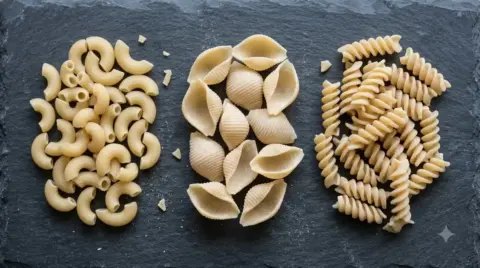
The shape is the reason jumbo shells pasta is popular. The cup of each shell catches sauce and holds a spoonful of filling, so the pasta works in both a simple tomato sauce and a baked casserole. Standard conchiglie are the smaller size, while the jumbo size is the one DeLallo describes as meant for stuffing. The snail-shaped lumaconi pasta is another large shell for stuffing and baking.
Jumbo shells are usually sold as dry pasta made from durum wheat, the same base used for most Italian dried pasta. You will find them in the dry pasta aisle beside other shapes. Standard-size conchiglie pasta has the same shape with a smaller cup.
How Many Shells Come in a Box?
A standard box of jumbo shells pasta is 12 oz, and DeLallo states that there are around 35 shells in a 12 oz box. That count is useful when you plan a pan, because it tells you roughly how many shells you can fill, with a few spare for any that tear.
| Item | What to know |
|---|---|
| Box size | 12 oz (DeLallo) |
| Shells per box | Around 35 (DeLallo) |
| Cook time to al dente | About 8 minutes (DeLallo) |
| Best use | Stuffed and baked dishes |
Because the count can change between brands and box sizes, check the label before you shop. If you are cooking for a crowd, buy two boxes so you have spare shells for any that tear.
How to Cook Jumbo Shells Before Stuffing
Cook jumbo shells pasta in a large pot of salted water until they reach al dente, which DeLallo gives as about 8 minutes. Al dente means the pasta is tender but still firm at the center, so it holds its shape when you fill it. The general method is covered in how to cook pasta al dente.
- Bring a large pot of salted water to a full boil. Use enough water that the shells move freely, and read whether to salt pasta water if you are unsure about the salt.
- Add the shells and stir once in the first minute so they do not stick to each other or the bottom.
- Start testing at the 8 minute mark from DeLallo’s guidance, then taste a shell and cut into it to check the center.
- Drain the shells and spread them on a sheet or tray in a single layer so they cool enough to handle without sticking together.
Cooking time on the box may differ from this figure. Follow the package directions and taste the pasta, because brands and shell thickness vary.
How to Stuff and Bake Jumbo Shells
Fill each cooked shell with a thick filling so it stays in the cup during baking. DeLallo describes jumbo shells as meant to be stuffed with fillings such as herbed ricotta cheese, Italian sausage and ground beef, and those three are the most common choices for a reason. Manicotti is another pasta made for filling, and what manicotti is explains how that tube differs from a shell.
A simple method works for most jumbo shells pasta recipes, and a tested stuffed shells recipe gives full quantities. Spread a thin layer of sauce in the baking dish, fill the shells, set them open side up or seam side down, then cover them with more sauce and cheese before baking.
- Ricotta and herbs: mix ricotta with egg, grated cheese and chopped parsley for a classic vegetarian filling.
- Italian sausage or ground beef: cook and drain the meat first so the filling is not greasy.
- Spinach: squeeze out as much water as you can before mixing it into the cheese.
Assembly is the slowest part of the job, so plan for it. Filling every shell with a spoon and then lining them up in a single layer keeps the process steady. If you make the dish ahead, keep the filled shells covered in the fridge until you are ready to bake, and let the dish sit at room temperature only for the time your recipe allows. Jumbo shells pasta holds its filling best when the shells are cool enough to handle but still warm when they go into the oven.
Use a tomato or marinara sauce in the bottom of the dish so the shells do not dry out. Cover the dish for most of the bake and uncover at the end to brown the cheese. Follow the time and temperature in your recipe, because stuffed pasta needs longer than plain pasta to heat through.
Jumbo shells pasta is forgiving, but a few habits make a noticeable difference. Keep the sauce layer thin but present, use a spoon or piping bag to fill each cup, and rest the baked dish for a few minutes before serving so the filling sets and does not run out of the shells.

Common Mistakes With Jumbo Shells Pasta
Most problems with jumbo shells pasta come from overcooking, a filling that is too wet, or handling the shells too roughly. Each one has a simple fix.
- Torn shells: the pasta was overcooked. Pull the shells at the first al dente bite and handle them gently.
- Watery filling: drain ricotta and squeeze spinach before mixing. A wet filling makes the shells soggy.
- Dry bake: the dish needed more sauce underneath. Keep a layer of sauce in the pan so the shells steam as they bake.
- Underfilled cups: pack the filling in so it sits level with the rim, which keeps the cheese from sliding off.
How to Choose Jumbo Shells Pasta
Choosing jumbo shells pasta starts with a shell that has a sturdy cup holding its shape after cooking, and check the package for the cooking time and shell count.
Wheat source is the main point to check. Wikipedia notes that conchiglie are usually sold in the plain durum wheat variety, so a durum product is the typical starting point. Pick a box that lists its ingredients clearly and that matches the size you need for your recipe.
Unverified details to check on the box
Some sources describe the length of jumbo shells as about two inches and give different baking times for boil-first and no-boil recipes. We did not confirm those figures on a source page, so use the length and cook time printed on your box and the directions in your recipe.
Frequently Asked Questions
How many jumbo shells are in a 12 oz box?
DeLallo states that a 12 oz box holds around 35 jumbo shells. The exact count can vary by brand, so check your package.
Do I need to boil jumbo shells before stuffing?
Most stuffed-shell recipes boil the pasta first until al dente, which makes the shells easier to fill. Some recipes are written for no-boil shells, so follow the method in the recipe you use.
What fillings work best for jumbo shells pasta?
Ricotta with herbs and cheese is the classic filling. DeLallo also lists meats such as Italian sausage and ground beef as common choices, and spinach is a common vegetable option in home recipes.
Why do my jumbo shells tear when I cook them?
Overcooking is the most common cause. Pull the shells when they are al dente, drain them gently and spread them out so they do not stick and tear as they cool.
Are jumbo shells the same as conchiglioni?
Yes. Jumbo shells pasta is the same shape as conchiglioni, which is the Italian name for the larger shell, and Wikipedia describes it as the larger variation of conchiglie.
Jumbo shells pasta is a simple base for a filled dish. Cook to al dente, fill the cups firmly, keep a layer of sauce under the shells and follow the box and recipe times for the best result.
 8 min readLearnShells Pasta: What They Are and How to Cook ThemUpdated Nov 7, 2026
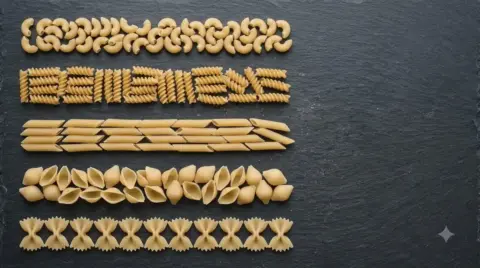 7 min readLearnRicciolini Pasta: What the Little Curls Are and How to Cook ThemUpdated Nov 11, 2026
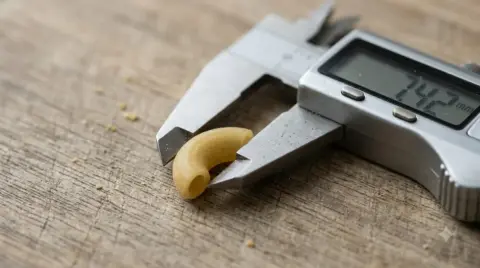 8 min readLearnTubetti vs Ditalini: Are They Really Different?Updated Nov 10, 2026
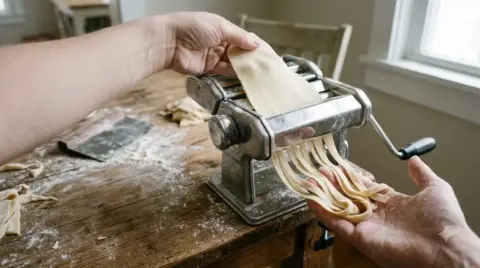 8 min readLearnCappelletti vs Tortellini: Shape, Filling and How They Are ServedUpdated Nov 6, 2026
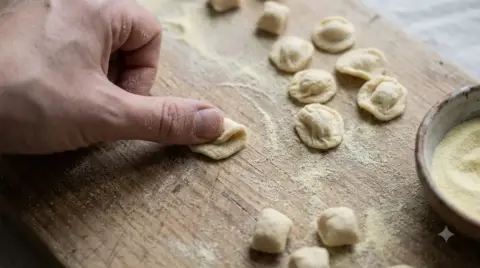 8 min readLearnWhat Is Gnocchi? Ingredients, Types and How They Are CookedUpdated Nov 6, 2026
 8 min readLearnStuffed Shells Recipe: How to Make Them at HomeUpdated Nov 10, 2026