

The pesto alla trapanese recipe is a raw Sicilian pesto made with almonds, ripe tomatoes, basil, garlic, pecorino and olive oil, with considerably less basil than pesto genovese. It comes from Trapani in western Sicily, and it is pounded or blended rather than cooked. Most versions take only a few steps once the almonds are toasted.
Published versions of the pesto alla trapanese recipe disagree on amounts and storage time, so this guide shows both versions side by side and explains how to choose between them.
Where pesto alla trapanese comes from
Pesto alla trapanese comes from Trapani in western Sicily, and Wikipedia says it began as a Ligurian garlic and walnut sauce that local sailors later remade with tomatoes and almonds. That history explains why the pesto alla trapanese recipe uses tomatoes at all.
According to English Wikipedia, Genoese ships that stopped at Trapani brought a sauce called agliata, a garlic and walnut pesto. Trapani sailors then adapted it with the produce of their land, notably tomato and almonds. Most of this origin story comes from secondary food writing rather than primary historical records, so treat the details as plausible rather than proven. For a related pasta sauce built on walnuts, see our walnut sauce for pasta recipe.
The sauce differs from pesto genovese in one clear way: it uses considerably less basil. Wikipedia also notes that it is sometimes called pesto rosso, or red pesto, because of the tomatoes. Some recipe sites write the name as pesto trapanese, with the same meaning.
The Italian Ministry of Agricultural, Food and Forestry Policies lists busiati with pesto trapanese as a traditional agri-food product (PAT). According to Wikipedia, that recognition followed a 2014 decree published in the Gazzetta Ufficiale, which is a useful sign that the dish is considered part of local food tradition. Any pesto alla trapanese recipe you try will usually follow one of the two versions below.
What goes into pesto alla trapanese
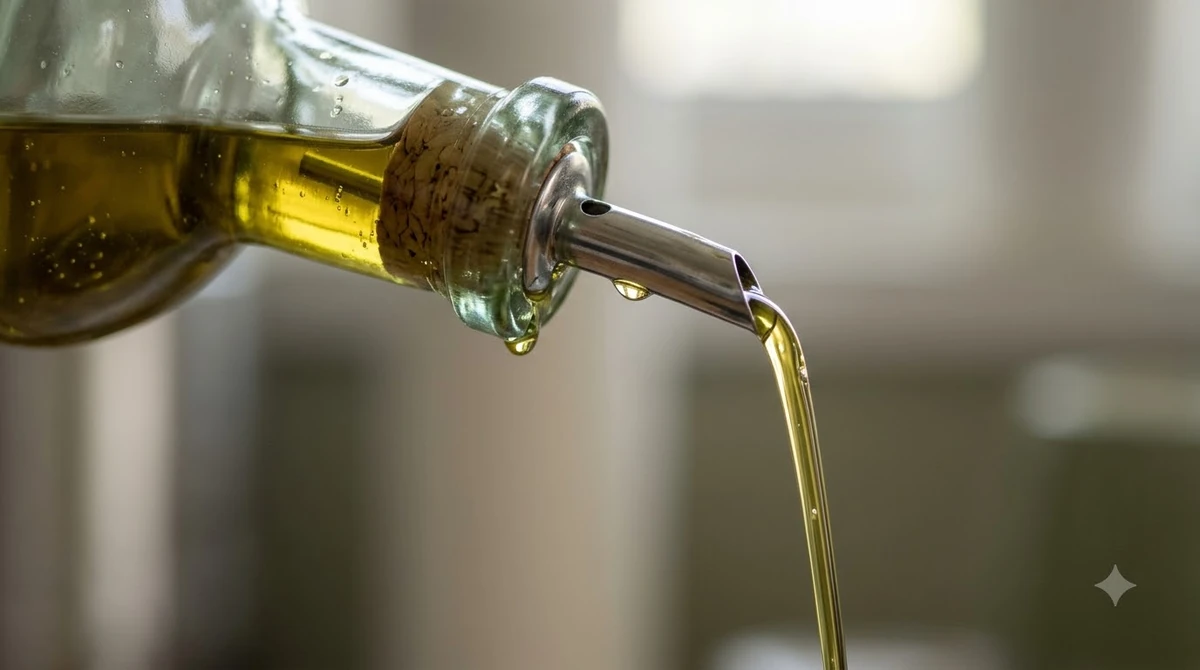
The core list for any pesto alla trapanese recipe is almonds, ripe tomatoes, basil, garlic, pecorino siciliano and extra virgin olive oil, finished with salt and black pepper. Recipe A calls for only half a clove of garlic and Recipe B for one small clove, so garlic should stay a background note.
Recipes differ mainly in amounts. The two versions of the pesto alla trapanese recipe used in this guide follow the same structure, but they are not interchangeable without adjustment. The table below compares them ingredient by ingredient.
| Ingredient | Recipe A (Great Italian Chefs) | Recipe B (Pasta Evangelists) |
|---|---|---|
| Almonds | 40 g blanched, toasted first | 1/2 cup blanched, crushed in a mortar |
| Tomatoes | 2 vine tomatoes | 400 g ripe tomatoes, blanched and peeled |
| Basil | 1 handful of leaves | 1 cup, cleaned and chopped |
| Garlic | Half a clove | 1 small clove, minced |
| Cheese | 40 g pecorino, finely grated | 1/3 cup grated hard Italian cheese (optional for vegan) |
| Olive oil | 3 tbsp | 3 tbsp extra virgin olive oil |
| Extras | Optional mint, lemon juice, black pepper, salt | Salt; serves 4 |
| Storage | Up to 3 days in the fridge | Up to one week in clean jars |
Recipe A adds an optional handful of mint and a squeeze of lemon juice, which Recipe B does not use. Recipe B uses far more tomato (400 g against 2 vine tomatoes), so it is the closer match to the tomato-rich style Wikipedia describes. If you want a shorter shopping list, start with Recipe A.
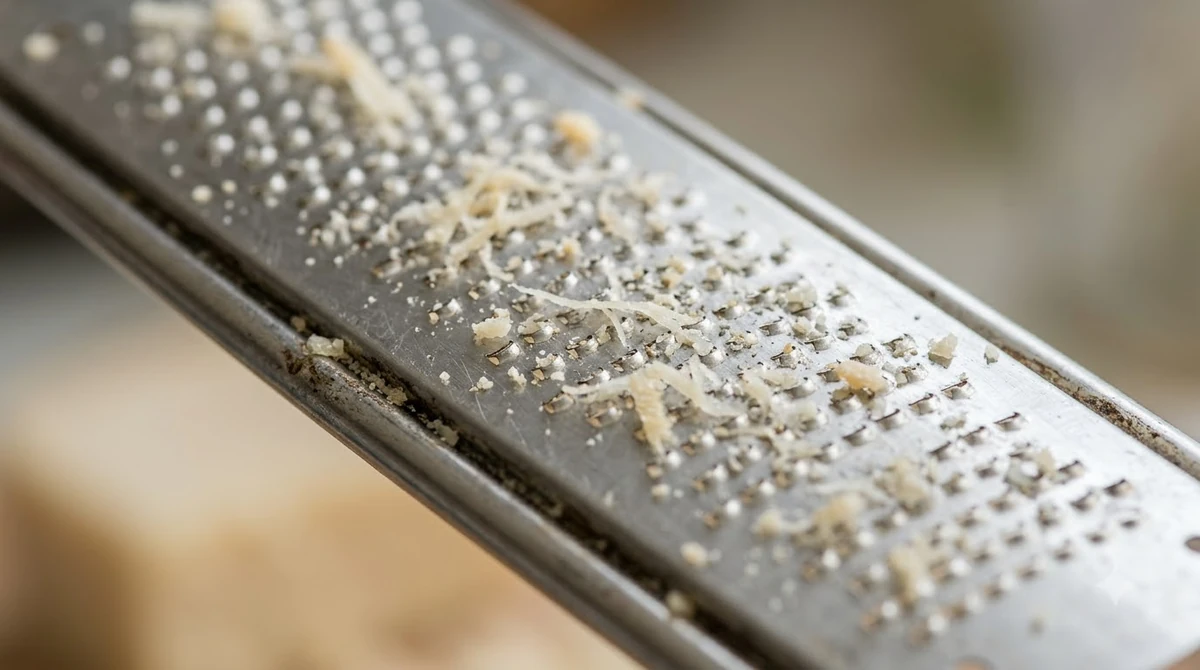
Wikipedia names pecorino siciliano as the traditional cheese. Where it is hard to find, a finely grated hard Italian cheese fills the same role, as Recipe B allows. Choose a block you can grate finely, because the cheese should blend evenly into the sauce.
Pesto alla trapanese recipe, step by step
Every pesto alla trapanese recipe follows the same logic. Toast the almonds, break down the tomatoes, basil, garlic and cheese, then loosen the sauce with olive oil until it clings to the pasta.
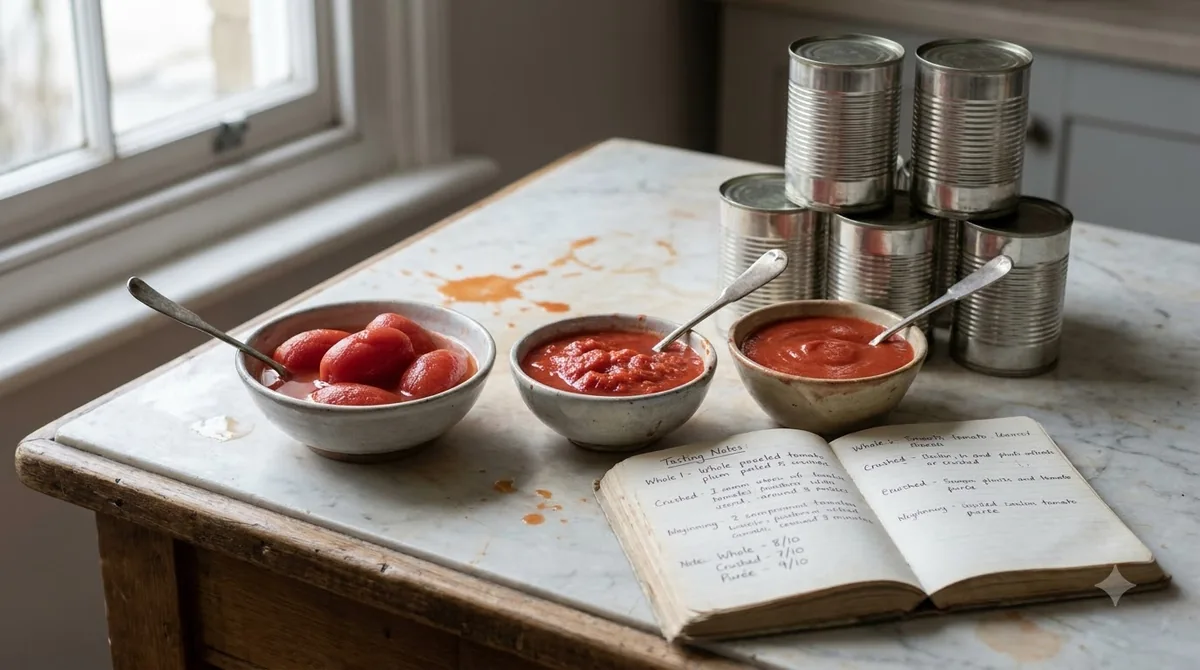
Here is the first pesto alla trapanese recipe, Recipe A, which Great Italian Chefs publishes with a food processor as the main tool:
- Toast the blanched almonds in a hot, dry pan until lightly golden and glossy with oil. Stir often so they do not burn.
- Let the almonds cool, then add them to a food processor with the tomatoes, garlic, pecorino, olive oil, basil and mint if you use it.
- Blend to a chunky texture or a smooth paste, depending on your preference. A pestle and mortar also works.
- Season with lemon juice, black pepper and a small pinch of salt, tasting as you go.
The second pesto alla trapanese recipe, Recipe B from Pasta Evangelists, follows a more traditional route. Score a cross on each tomato, blanch them for about 20 seconds, move them to ice water, then peel them. Crush the almonds and garlic in a mortar into a coarse paste. Grind the basil with the salt until creamy, then add the cheese and the almond paste. Work in the peeled tomatoes until they break down, and drizzle in the olive oil until the paste is loose but still rustic.
Mortar or food processor?
For this pesto alla trapanese recipe, a mortar gives a rustic texture that clings well to pasta. A food processor is faster and gives a smoother sauce. Italian Wikipedia describes the sauce as pounded in a mortar, so the mortar is the closer traditional method. Do not over-grind in either case, because a slightly coarse texture is what most cooks aim for.
Whichever tool you use, add the oil last and in a slow stream. The sauce should be spoonable but not watery, and you can adjust salt and lemon juice at the end.
Both recipes point to the same three mistakes. The first is burning the almonds, so stir them often in the pan until they are only lightly golden. The second is over-grinding, which turns the pesto alla trapanese recipe pasty instead of rustic. The third is adding oil all at once, which makes it harder to control how loose the sauce becomes. Work slowly, taste, and stop when the sauce clings to a spoon.

How to serve pesto alla trapanese with pasta
Busiate is the traditional pairing for any pesto alla trapanese recipe, and fresh tagliatelle or bucatini are the substitutes the recipe sources suggest.
Busiate pasta is a fresh twisted pasta from western Sicily, traditionally wound around a stem of busa or a dried rush called iuncu. Italian Wikipedia also lists gnoccoli, a hand-shaped pasta about 15 cm long, as a suitable shape, and it names bucatini and linguine as acceptable alternatives.
The sources give these pasta options:
- Busiate, the traditional choice in western Sicily.
- Fresh tagliatelle, which Recipe B suggests.
- Bucatini or linguine, which Italian Wikipedia lists as acceptable.
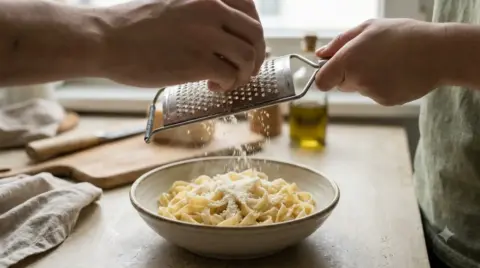
Italian Wikipedia also notes that the sauce is served with fried eggplant or potatoes, and with some fried fish. Because the sauce is raw, it is best to toss it with pasta just before serving. For a Ligurian pesto pairing, see our trofie al pesto recipe.
How to store pesto alla trapanese
Keep your pesto alla trapanese recipe in the fridge for up to three days, or up to one week in clean jars, depending on which recipe you follow.
Recipe A, from Great Italian Chefs, says the sauce keeps for up to three days and is best served fresh. Recipe B, from Pasta Evangelists, says leftovers keep for up to one week in clean mason jars. Italian Wikipedia notes that the sauce keeps a few days when fully covered with olive oil.
Because the sources disagree, use the shorter window as your guide. Make the amount you need, cover any leftovers with a layer of olive oil, and eat them within a few days.
Frequently Asked Questions
Can I make pesto alla trapanese without a mortar?
Yes. Every pesto alla trapanese recipe here has a non-mortar option. Recipe A uses a food processor, and Recipe B says a processor can stand in for a mortar. A mortar gives a more rustic texture, while a processor gives a smoother sauce that is quicker to make.
Is pesto alla trapanese vegan?
Not as written. Both recipes include a grated hard cheese. Recipe B notes that the cheese can be omitted for a vegan version.
How long does pesto alla trapanese keep?
The published pesto alla trapanese recipes give up to three days in one case and up to one week in another. Cover leftovers with olive oil and use the shorter window to be safe.
What pasta goes best with pesto alla trapanese?
Busiate is the traditional choice. Fresh tagliatelle and bucatini are the substitutes the recipe sources suggest, and linguine is also listed as acceptable.
How is pesto alla trapanese different from pesto genovese?
It uses considerably less basil, adds almonds and tomatoes, and is often called pesto rosso, or red pesto, according to Wikipedia.
If you are new to this pesto alla trapanese recipe, start with Recipe A for the shorter ingredient list, then adjust the tomato and basil to taste. Serve it fresh with busiate or fresh tagliatelle, and eat leftovers within a few days. Taste the sauce before you serve it, because the balance of salt, lemon and cheese varies between recipes.
 7 min readLearnPasta alla Genovese Recipe with Trofie, Pesto and PotatoesUpdated Nov 11, 2026
 7 min readLearnPasta alla Zozzona Recipe: Rome’s Dirty Rigatoni ExplainedUpdated Nov 11, 2026
 8 min readLearnPasta alla Checca Recipe: Raw Tomato Pasta From RomeUpdated Nov 11, 2026
 7 min readLearnGnocchi Alla Sorrentina Recipe: Baked Gnocchi With Tomato and MozzarellaUpdated Nov 11, 2026
 8 min readLearnPasta alla Norma Recipe: Fried Eggplant, Tomato and Ricotta SalataUpdated Nov 10, 2026
 6 min readLearnBest Sauce for Fusilli: Meat, Tomato, Cream and PestoUpdated Nov 13, 2026