

The walnut sauce for pasta recipe makes a creamy, nut-based sauce from Liguria, in northwest Italy. Walnuts, soaked bread, milk, garlic and Parmigiano are blended into a paste, then loosened with pasta water. It is traditionally served with pansotti, a Ligurian ravioli.
Two versions of this walnut sauce for pasta recipe are common. One uses a milk and bread base, which is closer to the Ligurian tradition. The other adds heavy cream for a richer coat.
Where Walnut Sauce for Pasta Comes From
This walnut sauce for pasta recipe comes from Liguria, the coastal region of northwest Italy that is also home to pesto Genovese. The walnut version uses nuts where pesto uses basil, and it is less famous than its green cousin.
The Pasta Project describes this walnut sauce for pasta recipe as a traditional dish from Liguria and a Ligurian pesto, though it is less famous than pesto Genovese. The page gives no further history of the sauce, so the regional link is the firmest fact available.
Traditionally, the sauce is served with pansotti, a type of Ligurian ravioli. The same source recommends short pasta or ravioli, and says spaghetti also works. Cream instead of milk is not the traditional choice, according to the same recipe.
Walnut Sauce for Pasta Recipe: Ingredients and Steps
A classic walnut sauce for pasta recipe uses 200 g of walnuts, 200 ml of milk, two slices of stale country bread, one garlic clove and 40 to 50 g of grated Parmigiano Reggiano. It serves four, with 20 minutes of prep and 15 minutes of cooking, according to The Pasta Project’s Ligurian walnut recipe.
- 200 g shelled walnuts
- 200 ml milk
- 2 medium slices almost stale country bread
- 1 garlic clove, peeled
- 25 g pine nuts
- 40 to 50 g Parmigiano Reggiano, grated
- 4 to 5 tablespoons extra virgin olive oil
- 360 g trofie or another short pasta
Blending the Sauce
Start by simmering the walnuts in water for 3 to 4 minutes, then drain and rinse them. You can rub off the skins with a clean cloth and pat them dry, though this step is optional. Soak the bread in the milk until it is fully wet, then squeeze it out by hand and save the milk.
- Pulse the drained bread, walnuts and garlic until the walnuts are fairly small.
- Add the cheese, pine nuts and two pinches of salt. Pulse for about 20 seconds until fairly smooth.
- With the blender running, add the olive oil a little at a time, plus reserved milk as needed, until the sauce is thick and creamy.
- Refrigerate the sauce in a sealed container until you need it.
Finishing the Pasta
Bring a large pot of water to a boil and add salt. America’s Test Kitchen uses 1 tablespoon of salt for 4 quarts of water in its version. Cook the pasta to the package directions. The Pasta Project’s author found that fresh trofie took 9 minutes.
Before draining, loosen the sauce in a large pan with about half a ladle of pasta water until it turns creamy. Add the drained pasta, a few walnut pieces, black pepper, marjoram and a little more Parmigiano. Toss well to finish the pasta in the sauce and serve right away.
Walnut Cream Versions Compared
Each walnut sauce for pasta recipe in this comparison splits mainly on dairy. One uses milk only, while two others add heavy cream and toast the walnuts first. The table below compares the three versions side by side.
| Recipe | Walnuts | Dairy | Pasta | Time |
|---|---|---|---|---|
| The Pasta Project | 200 g, simmered 3 to 4 minutes | 200 ml milk | 360 g trofie | 20 min prep, 15 min cook |
| Tasting Table | 2 cups, toasted 8 min at 350 F | 3/4 cup whole milk and 1/2 cup heavy cream | 12 oz trofie | 30 min total |
| America’s Test Kitchen | 1 1/2 cups, toasted | 1 1/4 cups heavy cream | 1 lb trenette | 50 min total, serves 6 to 8 |
Cream makes the sauce heavier, while milk keeps it lighter. The Pasta Project notes that adding cream instead of milk is not traditional. Tasting Table uses both, which is a middle path between the two styles.
Choosing a walnut sauce for pasta recipe starts with one decision: traditional texture or a richer coat. The milk version is lighter and follows the Ligurian method. The cream version coats the pasta more heavily. The Pasta Project recipe serves four, while America’s Test Kitchen serves 6 to 8, so scale the quantities to your table.
Toasting is another choice. America’s Test Kitchen’s walnut pasta notes say toasting gave its sauce greater depth. Another recipe says there is no need to toast the walnuts first, so either method works for this walnut sauce for pasta recipe.
Which Pasta Works Best With Walnut Sauce
Pansotti is the traditional partner for this walnut sauce for pasta recipe. The recipes in the sources most often use trofie or trenette, and short pasta, fettuccine and linguine also work.
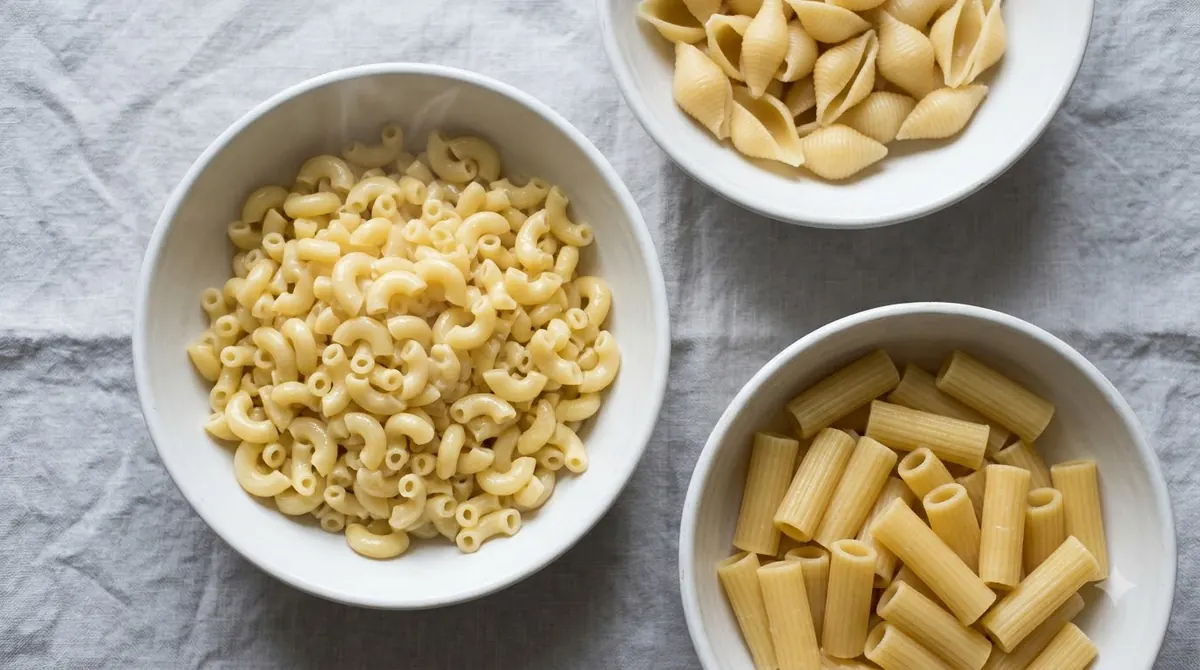
- Trofie: short, thin, twisted Ligurian pasta, about 2 to 3 cm long, traditionally served with pesto.
- Pansotti: Ligurian ravioli, the traditional partner for walnut sauce.
- Short pasta or ravioli: recommended by The Pasta Project as a good match.
- Trenette: a long Ligurian pasta used in America’s Test Kitchen’s version.
- Fettuccine, linguine or tagliatelle: substitutes that work when trenette is unavailable.
America’s Test Kitchen says fresh pasta is preferred for its version, but dried pasta works too. Pick a shape with ridges or twists when you can, because the sauce has more surfaces to cling to.
Trofie comes from Liguria and is believed to have started in Sori, a town in the province of Genoa. Trofie di Sori received a municipal designation in 2019 that ties it to its home area.Wikipedia’s trofie entry has more on its origin.
Common Mistakes When Making Walnut Sauce
The most common mistake with a walnut sauce for pasta recipe is draining the pasta without reserving pasta water, so the sauce stays stiff and does not coat the noodles. Keep about a cup of the cooking water before you drain.
- Draining without reserving water: the starchy water is what loosens the sauce into a creamy coat.
- Using cream by default: The Pasta Project says cream is not traditional, so start with milk if you want the classic texture.
- Skipping the bread: soaking bread in milk gives the sauce its body, so do not replace it with walnuts alone.
- Toasting too long: Tasting Table toasts walnuts for 8 minutes at 350 F until they darken, so check the color rather than the clock alone.
- Skipping salt in the pasta water: America’s Test Kitchen uses 1 tablespoon of salt for 4 quarts of water.
How to Store Walnut Sauce
A walnut sauce for pasta recipe keeps up to 3 days in the refrigerator and up to 1 month in the freezer, according to one recipe source. Those durations come from a recipe site, not a food safety agency, so check current food safety guidance from your local authority before storing.
Keep the sauce in a sealed container in the refrigerator until you need it, as the Pasta Project recipe advises. Label the container with the date, so you can tell when your walnut sauce for pasta recipe batch was made. Freezing is the option for longer storage, and the same recipe source gives the 1-month limit for it.
Frequently Asked Questions
Is walnut sauce the same as pesto?
Not exactly. Both come from Liguria and use garlic, cheese and olive oil. The walnut sauce for pasta recipe replaces the basil in pesto with walnuts, and the classic version also includes bread soaked in milk, which gives it a creamier body.
What is the best pasta for walnut sauce?
Pansotti, a Ligurian ravioli, is the traditional choice. The Pasta Project also recommends short pasta or ravioli, and its recipe uses trofie. Trenette, fettuccine and linguine work well when you want a longer shape.
Can I use heavy cream instead of milk?
Yes, and many recipes do. The Pasta Project notes that cream is not the traditional choice, while Tasting Table uses both milk and cream. Cream makes the sauce richer and heavier, so start with less and add more pasta water if it gets too thick.
Do I need to toast the walnuts?
Toasting is optional. America’s Test Kitchen says toasting gave its sauce more depth, while another recipe says it is not necessary. If you toast them, watch the color, since Tasting Table toasts its walnuts for 8 minutes at 350 F until they darken.
How long does walnut sauce keep?
Recipe guidance says the walnut sauce for pasta recipe keeps up to 3 days in the refrigerator and up to 1 month in the freezer. Keep it in a sealed container, and check local food safety guidance for your own kitchen before storing it.
Start with the milk version of this walnut sauce for pasta recipe if you want the traditional texture, and add a splash of cream only if you want a richer sauce. Keep a cup of pasta water on hand, since that is what loosens the sauce in every version above.
 8 min readLearnPansoti Pasta: The Ligurian Triangles Served With Walnut SauceUpdated Nov 6, 2026
 8 min readLearnPink Sauce Recipe: How to Make Creamy Tomato Pasta Sauce at HomeUpdated Nov 11, 2026
 10 min readLearnVodka Sauce Recipe: How to Make Creamy Pasta Sauce at HomeUpdated Nov 10, 2026
 5 min readLearnBest Sauce for Ravioli: Brown Butter, Walnut and Cream OptionsUpdated Nov 13, 2026
 9 min readLearnAlfredo Sauce Recipe: How to Make Creamy Alfredo at HomeUpdated Nov 10, 2026
 8 min readLearnCacio e Pepe Recipe: Simple Method for a Creamy SauceUpdated Nov 10, 2026