

A pesto genovese recipe is the classic sauce from Genoa in Liguria, made by pounding fresh basil with garlic, pine nuts, hard cheese, coarse salt and olive oil into a smooth green paste. The method is simple, but the details matter: the basil, the cheese mix and how you add the oil. This guide covers the ingredients, two ways to make it, storage, and the points the sources do not settle.
What Makes Pesto Genovese Different
Pesto genovese comes from Genoa and takes its name from the Genoese verb pestâ, meaning to pound or crush. Wikipedia notes that “pesto” by itself usually means pesto alla genovese, so when a recipe simply says pesto, this is the sauce it means.
The sauce is built around Genovese basil, also called sweet basil. Wikipedia lists it among the most commonly used Mediterranean basil cultivars. Basil is sensitive to cold and grows best in hot, dry conditions, so the leaves you buy should look fresh and bright, not dark or limp.
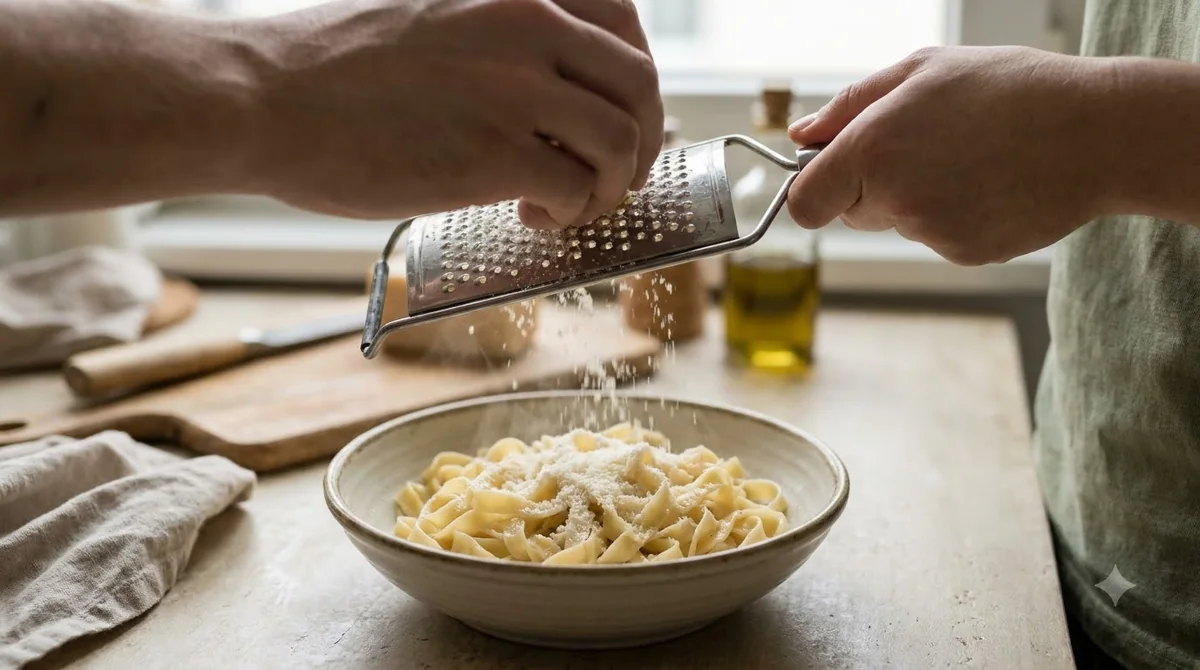
Traditionally, pesto is used to dress pasta. That is the core of any pesto genovese recipe: a thick sauce that clings to the pasta rather than a thin liquid poured over the top.
Ingredients for a Classic Pesto Genovese Recipe
A classic pesto genovese uses Genovese basil, garlic, pine nuts, a hard cheese such as Parmesan or Grana Padano, pecorino, coarse salt and Ligurian extra virgin olive oil (what extra virgin olive oil is). Wikipedia names Taggiasco as a Ligurian olive oil variety and describes the nuts as European pine nuts, which are sometimes toasted.
Wikipedia gives the ingredient list but no quantities. For a pesto genovese recipe, a US basil pesto from Gozney gives weights that you can use as a starting point. For a second pesto genovese recipe reference, Taste of Home’s classic pesto makes 1-1/4 cups in 10 minutes from 2 cups of loosely packed basil, 1/2 cup of grated Parmesan, 2 garlic cloves, 1/4 teaspoon of salt, 1/2 cup of toasted pine nuts and 1/2 cup of olive oil. Weighing each ingredient, as Gozney does, keeps the proportions repeatable from one batch to the next. It is one brand’s recipe, not a Genoese standard, but it shows the scale of each ingredient.
| Ingredient | Traditional description | Gozney weight (US recipe) |
|---|---|---|
| Basil | Genovese basil leaves | 50 g leaves |
| Garlic | Garlic, pounded with the nuts | 2 small cloves |
| Hard cheese | Parmesan or Grana Padano | 70 g Parmigiano Reggiano |
| Pecorino | Pecorino sardo or pecorino romano | 30 g Pecorino Romano |
| Pine nuts | European pine nuts, sometimes toasted | 30 g (no toasting step) |
| Olive oil | Ligurian extra virgin olive oil | Added gradually, no quantity given |
| Salt | Coarse salt | To taste |
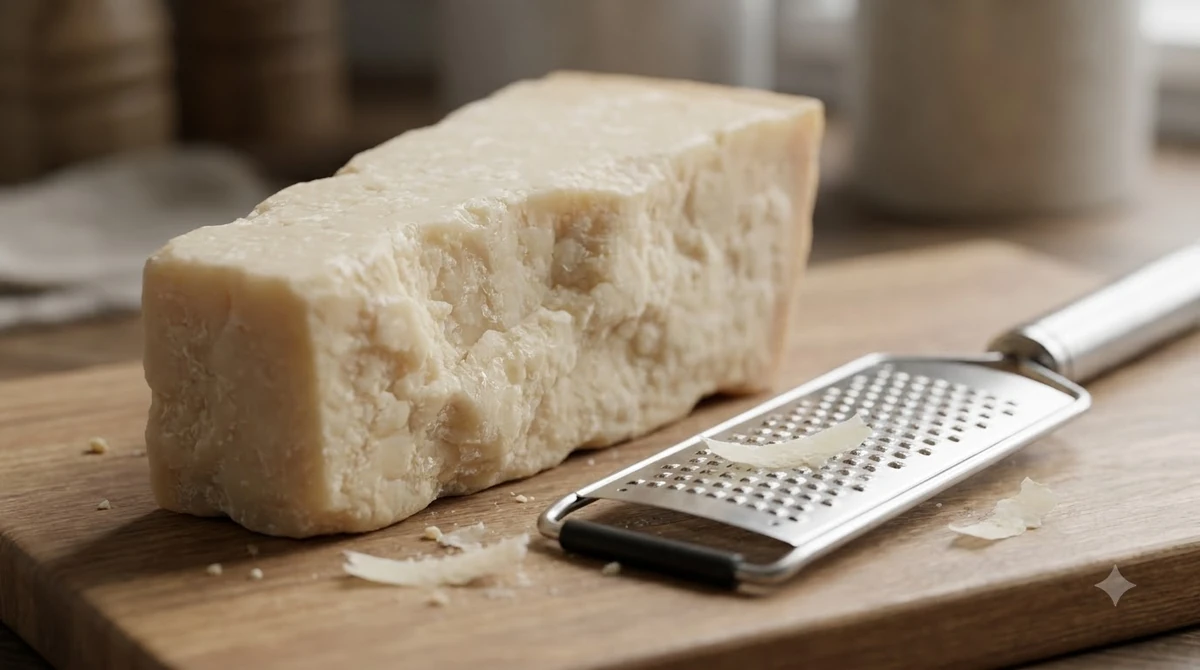
The cheese mix is where recipes differ most. Gozney uses more than twice as much hard cheese as pecorino by weight, Taste of Home uses Parmesan alone, and Wikipedia’s pesto entry simply names both cheeses. For the sharper cheese, see what pecorino romano is and Parmigiano Reggiano vs pecorino romano. Taste a small spoonful before you commit to a ratio, and adjust toward the sharper pecorino only if you like a bolder finish.
How to Make a Pesto Genovese Recipe Step by Step
Pound the garlic and pine nuts into a cream first, then add the basil and coarse salt, and finish with the cheese and a little olive oil. This order follows the traditional method for a pesto genovese recipe described on Wikipedia.
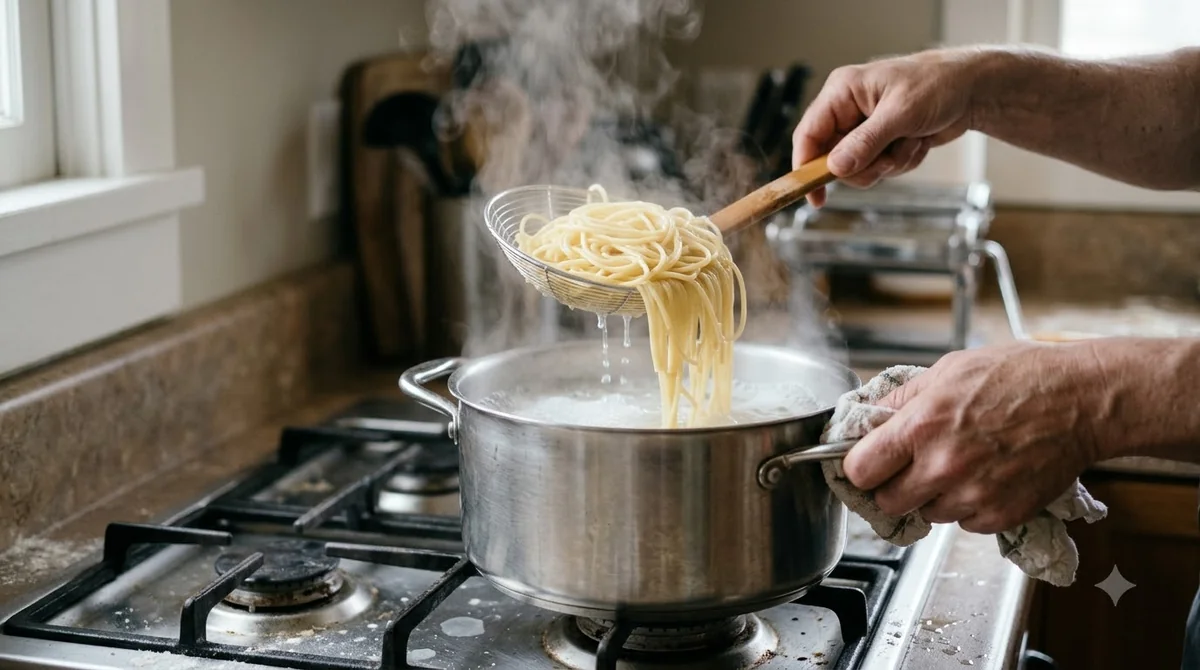
- Wash the basil and let it air-dry on a clean cloth before you start, as the Gozney recipe advises. If you buy it in advance, how to store fresh basil keeps the leaves fresh.
- In a mortar, pound the garlic and pine nuts until they form a cream.
- Add the basil leaves and a pinch of coarse salt. Grind with a circular motion until the mixture is creamy and no large leaf pieces remain.
- Stir in the grated Parmesan or Grana Padano and the pecorino, with a little extra virgin olive oil to help the cheese blend in.
- Add more olive oil slowly, a little at a time, and taste for salt. Stop when the pesto reaches a spreadable consistency that coats a spoon.
The steps above describe the mortar method. In the Gozney version, you combine the basil, garlic, both cheeses and the nuts in a food processor with a small amount of oil, then add the rest of the oil gradually while the machine runs. Both routes end with the same test: a smooth paste that holds its shape.

Mortar, Pestle or Food Processor
The traditional method uses a marble mortar and wooden pestle, while the Gozney recipe allows a food processor or blender. Both can produce a good pesto genovese recipe, but they produce different textures.
With a mortar, the work is done by hand in a circular motion. Wikipedia describes grinding the basil to a creamy consistency this way. It takes more effort and time, but you can see and control each stage.
A food processor is faster and gives a smoother result in fewer minutes. Work in short bursts, stop to scrape down the bowl, and add the oil slowly so the sauce does not separate or overheat. If you want to keep the texture closer to the mortar version, process less and mix by hand at the end.
Storing Pesto Genovese Safely
Keep a finished pesto genovese recipe in an airtight jar under a layer of olive oil for up to one week in the refrigerator, or freeze it for up to 2 to 3 months. Wikipedia and the Gozney recipe agree on the one-week refrigerator limit, while Taste of Home says five days in the refrigerator and up to one year in the freezer, so treat the shorter fridge time as the safer one.
The olive oil layer matters in any pesto genovese recipe because it limits contact with air. Pour a thin film over the top before you seal the jar, and press a sheet of plastic wrap onto the surface if you want extra protection. Label the jar with the date so you know when it was made.
Freezing works well for batches. Spoon the pesto into an ice cube tray or small containers, freeze, and then move the portions to a sealed bag. Wikipedia notes that pesto can be frozen, and pine nuts are often frozen to preserve their flavor, so the nuts and the sauce both handle the freezer.
Common Mistakes When Making Pesto Genovese
The most common mistakes in a pesto genovese recipe are using old pine nuts, skipping the drying step for basil and adding all the oil at once. Each one affects flavor or texture, and each is easy to avoid.
- Using old pine nuts. Wikipedia’s pine nut entry warns that shelled nuts can become rancid within a few weeks or even days in warm, humid conditions, and that some sold shelled nuts may already be rancid at purchase. Buy from a source with a high turnover and smell the nuts before you grind them.
- Blending wet basil. The Gozney recipe says to air-dry the leaves on a clean cloth first, so they are dry before they go into the sauce.
- Adding all the oil at once. The Gozney recipe adds more oil gradually, which lets you stop at the right consistency. Wikipedia uses only a little oil to help the cheese blend in.
- Leaving the surface exposed. Keep a layer of olive oil over the pesto in storage, as Wikipedia recommends.
What the Sources Do Not Settle
The sources read for this guide do not confirm several details that home cooks often ask about in a pesto genovese recipe. Treat the points below as open questions, not settled rules.
- Traditional proportions. Wikipedia gives no quantities, and the Gozney weights come from one brand. For a Genoese ratio, check a Ligurian cookbook or a recipe written by a Genoese cook.
- Toasting the pine nuts. Wikipedia says they are sometimes toasted, while the Gozney recipe uses them raw. Make one batch each way and compare the flavor.
- The cheese ratio. The two sources do not agree on how much hard cheese to use compared with pecorino, so taste and adjust.
- Oil quantity. Gozney gives no oil amount, while Taste of Home uses 1/2 cup of olive oil with 2 cups of basil, so add it gradually until the texture is right.
Frequently Asked Questions
Is pesto genovese the same as regular pesto?
Yes, in most cases. Wikipedia says “pesto” by itself usually means pesto alla genovese, so a pesto genovese recipe is the standard version of the sauce. Other pestos use different herbs or nuts.
Can I use walnuts instead of pine nuts?
The sources read here list pine nuts for the traditional pesto genovese recipe and do not discuss substitutes. If you try walnuts or another nut, check a Ligurian or trusted cookbook first, and taste a small test batch before you make a full jar.
How long does pesto genovese last in the fridge?
Up to one week, when a pesto genovese recipe is kept in an airtight jar under a layer of olive oil. Wikipedia and the Gozney recipe both give this limit.
Can you freeze pesto genovese?
Yes. A pesto genovese recipe keeps in the freezer for up to 2 to 3 months, according to the Gozney recipe, and Wikipedia confirms that pesto can be frozen. Freeze in small portions so you thaw only what you need.
What pasta goes with pesto genovese?
Wikipedia says pesto is used to dress pasta. The sources read here do not name a specific shape, so choose a pasta that holds a thick sauce. Check the package for the cooking time, which varies by shape and brand.
If you would rather buy a jar, the best pesto brands are compared separately. Otherwise start with a brand ratio like the Gozney weights, weigh your ingredients, and taste as you go. Keep the sauce covered with olive oil in the fridge, and freeze extra portions in small containers so a good pesto genovese recipe is always ready when you need it.
 7 min readLearnPasta alla Genovese Recipe with Trofie, Pesto and PotatoesUpdated Nov 11, 2026
 8 min readLearnCarbonara Recipe: Ingredients, Steps and How to Avoid Scrambled EggsUpdated Nov 10, 2026
 8 min readLearnTortellini Soup Recipe: Ingredients, Steps and Leftover TipsUpdated Nov 11, 2026
 7 min readLearnItalian Pasta Salad Recipe: Ingredients, Steps and StorageUpdated Nov 11, 2026
 9 min readLearnCauliflower Pizza Crust Recipe: Ingredients, Steps and Baking TipsUpdated Nov 12, 2026
 8 min readLearnCaprese Salad Recipe: Ingredients, Steps and TipsUpdated Nov 12, 2026