
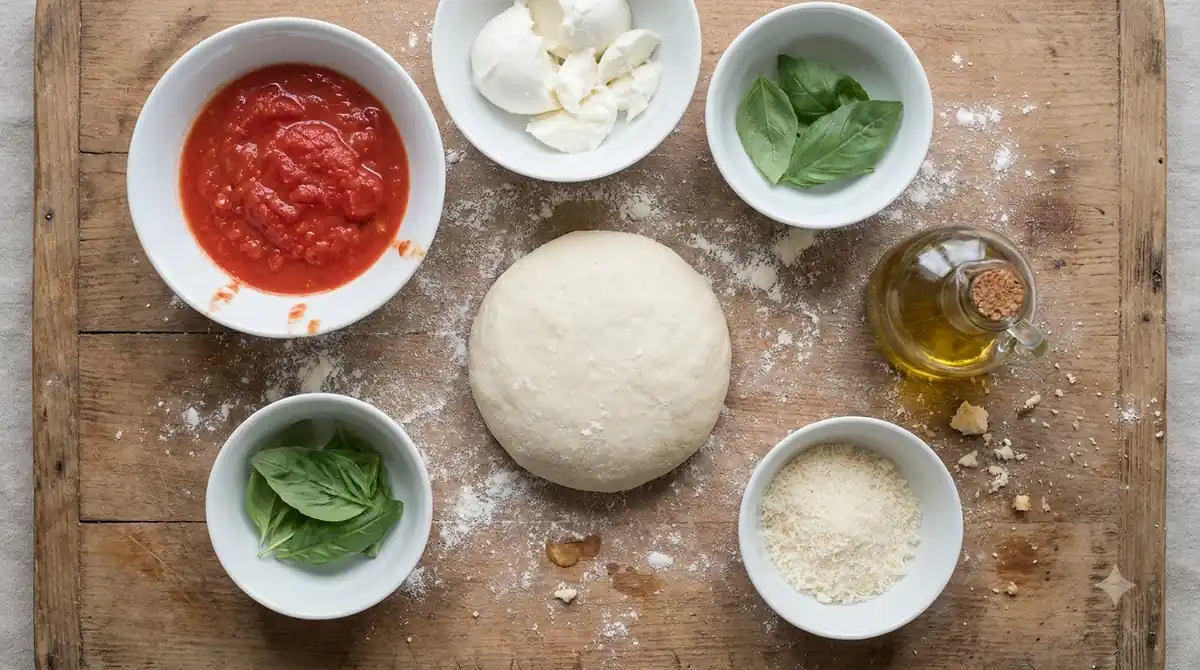

The pizza toppings order that gives the best result is sauce first, then cheese, then meats and vegetables, with the items that need the most heat placed highest. Toppings need the most cooking and direct heat, while sauce and cheese only need enough heat to warm through. Getting the sequence right helps the base stay crisp and keeps dense ingredients from finishing undercooked.
Why the pizza toppings order changes the result
The pizza toppings order controls how much heat each layer receives, and that is why it changes both the texture of the crust and how thoroughly each ingredient cooks.
An oven maker’s guide describes the classic arrangement as crust, then sauce, then cheese, with toppings on top. The same guide notes that you can arrange a pizza any way you like, but the classic stack is a sensible default for home cooking. The reason is heat: toppings need the most cooking and direct heat, while sauce and cheese need only enough heat to warm through, so the top layer gets the most heat.
Moisture is the second factor. Water from wet ingredients turns to steam while the pizza bakes, so the pizza toppings order also decides whether the base stays firm or turns soft. Keep both heat and moisture in mind as you read each step of the pizza toppings order below, because most of its rules come from those two ideas.

Start with a thin layer of sauce
Spread a thin layer of sauce first, directly on the stretched dough, so the base has a firm surface to bake on and the rest of the stack has something to sit on.
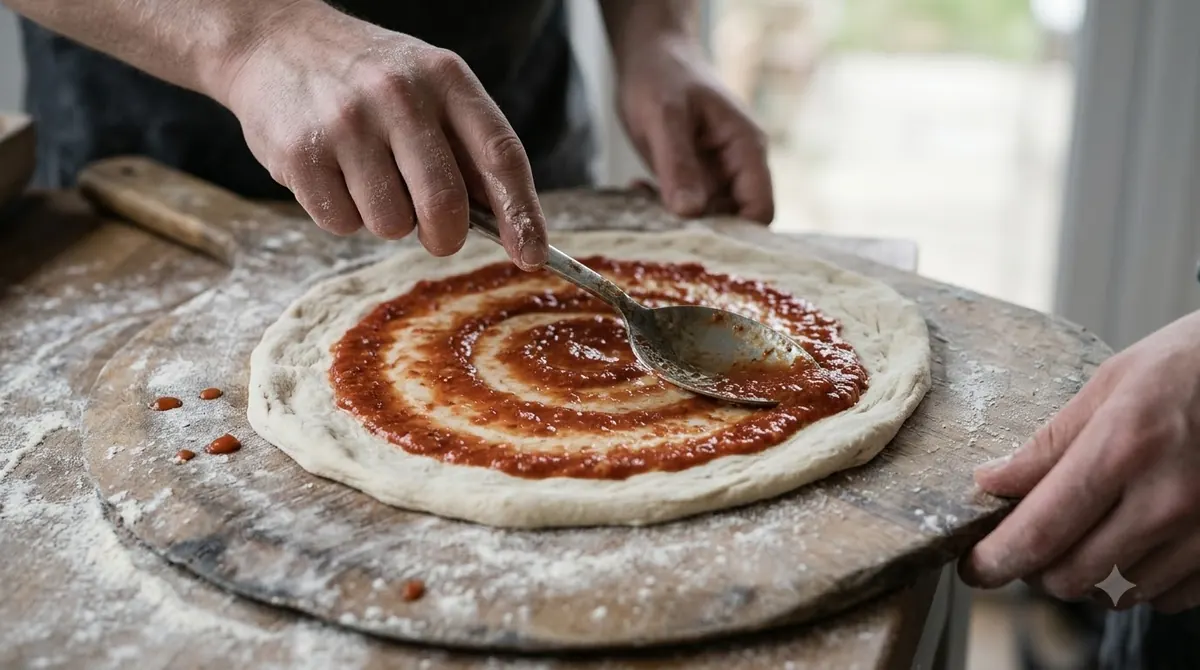
The sources we read all start the pizza toppings order with sauce on the crust. The BakingHow layering guide lists red sauce, alfredo and pesto as workable sauce bases, so the same layering logic applies whichever one you choose. A heavy sauce adds a lot of moisture that the base has to absorb, and that is the main reason to keep the first layer light. Our homemade pizza sauce recipe makes a sauce that spreads thin, and the best jarred pizza sauce guide covers ready-made options.
In the pizza toppings order, if you use a thick, chunky sauce, spread it thinner than you think you need and let the cheese and toppings do the rest of the work. A thin sauce layer also leaves room for the cheese to melt into the gaps instead of floating on top of a pool of liquid.
Add cheese before the toppings
Place cheese over the sauce and under the toppings, so it melts into the base and the toppings sit on a stable surface.
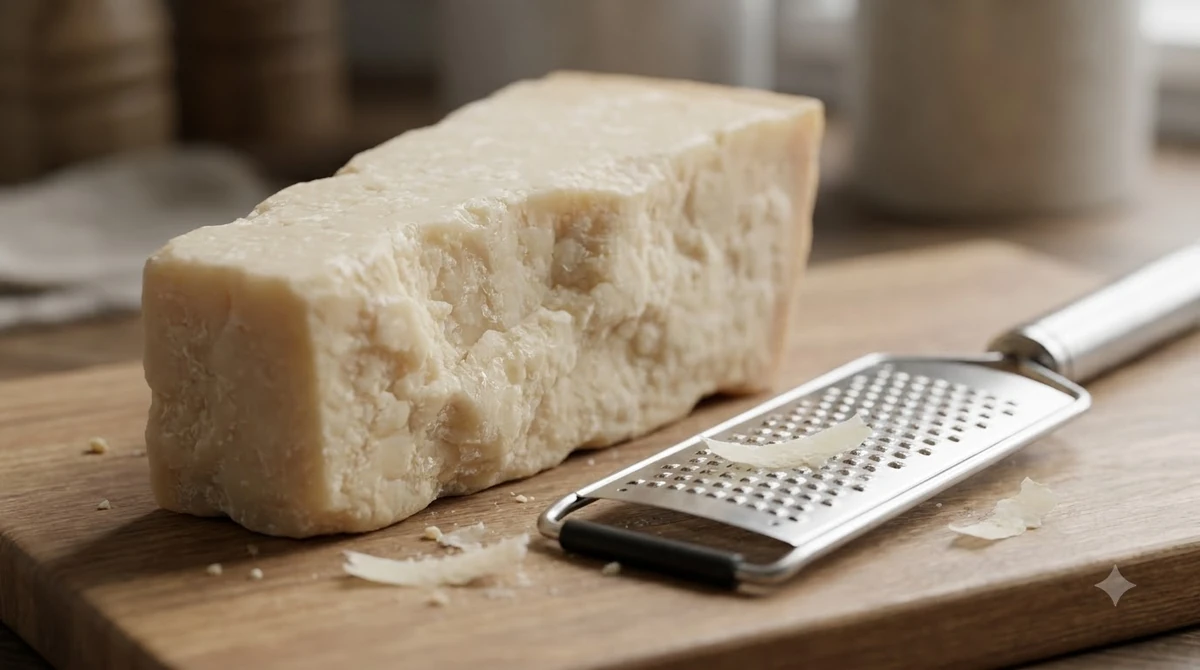
Cheese goes after the sauce in the pizza toppings order the sources describe. The BakingHow guide names mozzarella, cheddar, Romano and Parmesan as cheeses to use, so the choice of cheese is yours. The oven maker’s guide gives a practical rule for the stack: sauce and cheese should almost always go on the bottom, and melty ingredients should sit below the top topping layer, because they could stop other toppings from cooking fully.
Guides differ on whether a second layer of cheese belongs on top of the toppings. We did not confirm that point on a page we read, so if you want to try it, follow a tested recipe for your oven and watch the first pizza closely. The main point stays the same: keep the cheese in the lower part of the stack, not on the very top where it can scorch before the toppings are done.
Layer meats from thin to thick
Put thin meats such as pepperoni, prosciutto and bacon before thick meats such as meatballs and chicken, because thick meats take longer to heat through.
The BakingHow guide sets the order as thin meats first, then thick meats, and places the meat ahead of the vegetables. That fits the heat rule behind the pizza toppings order from the first section: the meats need more heat than the sauce and cheese, and the vegetables that need the least time go on last. Thin cuts such as pepperoni are quick to heat, so they can sit on the cheese without slowing the bake.
Three safety and prep points come from the same guide and apply to every meat on the pizza:
- Pre-cook chicken, beef and pork before they go on the pizza, for health and safety.
- Do not stack toppings on top of each other, because stacked toppings do not cook well.
- Cut meat into pieces that lie flat, so the heat reaches the middle of each piece and the layer stays even.
Place vegetables by moisture and cooking time
In the pizza toppings order, low-moisture vegetables go on before high-moisture vegetables, and slow-cooking vegetables such as onions and mushrooms go on early so they have time to soften.
The BakingHow guide puts bell peppers, broccoli and onions in the low-moisture group and tomato, zucchini and cucumber last, because moisture evaporates during cooking. The Active Weekender guide adds a timing rule: slow-cooking onions and mushrooms go on early, while quicker vegetables such as bell peppers and spinach go on later. Both guides agree that the vegetable order follows how much water the ingredient releases and how long it needs to cook.
| Group | Examples named in the guides | Where it goes | Reason given |
|---|---|---|---|
| Thin meats | Pepperoni, prosciutto, bacon | Early, on top of the cheese | They are thin and heat quickly |
| Thick meats | Meatballs, pre-cooked chicken | After the thin meats | They take longer to heat up |
| Slow-cooking vegetables | Onions, mushrooms | Early in the stack | They need more time to cook |
| Low-moisture vegetables | Bell peppers, broccoli, onions | Middle of the stack | They release less water |
| High-moisture vegetables | Tomato, zucchini, cucumber | Last, on top | Their moisture evaporates while cooking |
Two cautions come from the sources. First, pre-cook high-moisture vegetables so their water does not work against the crust. Second, avoid placing thick vegetables directly on the sauce, because they can end up undercooked or mushy. Thick slices belong higher in the stack, where they receive more direct heat. For a vegetable-led example, see our mushroom pizza recipe.
Add fresh herbs and greens after baking
Fresh basil, arugula, salad greens and fresh garlic go on after the pizza leaves the oven, not before the pizza toppings order is finished.
The BakingHow guide says these garnishes should not be baked, because heat harms their flavour and texture. Active Weekender also places fresh herbs and greens at the very end, after cooking. A good example is a prosciutto and arugula pizza, where the arugula goes on after the bake. The practical result is simple: bake the pizza with the sturdy toppings, then add the soft herbs and leaves as the last step, while the cheese is still hot enough to hold them.
The same guide advises waiting five to ten minutes before slicing so the toppings can set. Use that time to add the fresh finishing touches and to check that the cheese has stopped bubbling.
Common mistakes with topping order
Most problems with the pizza toppings order come from putting the right ingredient in the wrong layer, so check this list before you assemble the pizza.
- Placing thick vegetables directly on the sauce, where they can end up undercooked or mushy.
- Adding high-moisture vegetables early, when their water can soften the base.
- Stacking toppings, which leaves the middle of the pizza undercooked.
- Baking fresh basil or arugula, which loses flavour and texture in the oven.
- Adding raw chicken, beef or pork without pre-cooking it first.
If the crust comes out wet in the middle, look at the layers first. Too much sauce and high-moisture toppings placed early are the two most common causes described in the sources, so adjust the pizza toppings order first and revisit the dough only if the problem persists. If the base still turns out soft, read why a pizza crust turns gummy.
Chicago deep dish and other exceptions
Chicago deep dish reverses the usual order, with sausage and cheese under the sauce, so the pizza toppings order for that style is different from the rest of this guide.
The oven maker’s guide describes Chicago deep dish as layering sausage and cheese under a final layer of sauce, and says this style does not produce the crisp, crunchy texture of Neapolitan-style pizza. Active Weekender describes the same reversal, with sausage and cheese going down first, then sauce, and everything baking together. For a deep-dish pan, follow the reversed order; for a thin home pizza on a stone or steel, use the classic stack from the first section.
What we did not verify: oven temperatures, bake times and quantities of sauce or cheese. None of the pages we read stated those numbers, so check your oven manual and a tested recipe for them rather than relying on general rules of thumb.
Frequently Asked Questions
Should cheese go before or after the toppings?
In the pizza toppings order, cheese goes after the sauce and before the toppings in the sources we read. The oven maker’s guide advises keeping melty ingredients below the top topping layer, because they could stop other toppings from cooking fully.
Which pizza toppings should go on first?
In the pizza toppings order, thin meats such as pepperoni, prosciutto and bacon go on early, followed by thick meats and slow-cooking vegetables such as onions and mushrooms. High-moisture vegetables such as tomato, zucchini and cucumber go last.
Should I bake fresh basil on pizza?
No. The BakingHow guide says fresh basil, arugula and fresh garlic should be added after baking, because heat harms their flavour and texture.
Do I need to pre-cook meat before adding it to a pizza?
Yes, according to the BakingHow guide, which advises pre-cooking chicken, beef and pork for health and safety reasons.
Does the topping order change for Chicago deep dish?
Yes. In Chicago deep dish the pizza toppings order is reversed: sausage and cheese go under the sauce and everything bakes together, a reversal that the oven maker’s guide and Active Weekender both describe.
How long should I wait before slicing?
The BakingHow guide advises waiting five to ten minutes before slicing so the toppings can set. The sources we read did not give a different number.
The pizza toppings order is easy to remember: sauce, cheese, meats from thin to thick, then vegetables by moisture and cooking time. Add basil and other soft herbs after baking, and check your oven manual for temperatures and timings, since none of the pages we read gave those numbers.
 8 min readLearnVegan Pizza Recipe: Dough, Cheese and Toppings That WorkUpdated Nov 12, 2026
 9 min readLearnBest Wine to Pair with Pizza: Matches by Sauce and ToppingUpdated Nov 12, 2026
 8 min readLearnHow Many Pizzas to Order Per Person for Your PartyUpdated Nov 12, 2026
 8 min readLearnSicilian Pizza Recipe: Dough, Toppings and Bake StepsUpdated Nov 10, 2026
 8 min readLearnQuattro Stagioni Pizza Recipe: Four Toppings, One PieUpdated Nov 11, 2026
 8 min readLearnSupreme Pizza Recipe: Toppings, Dough and Bake StepsUpdated Nov 11, 2026