
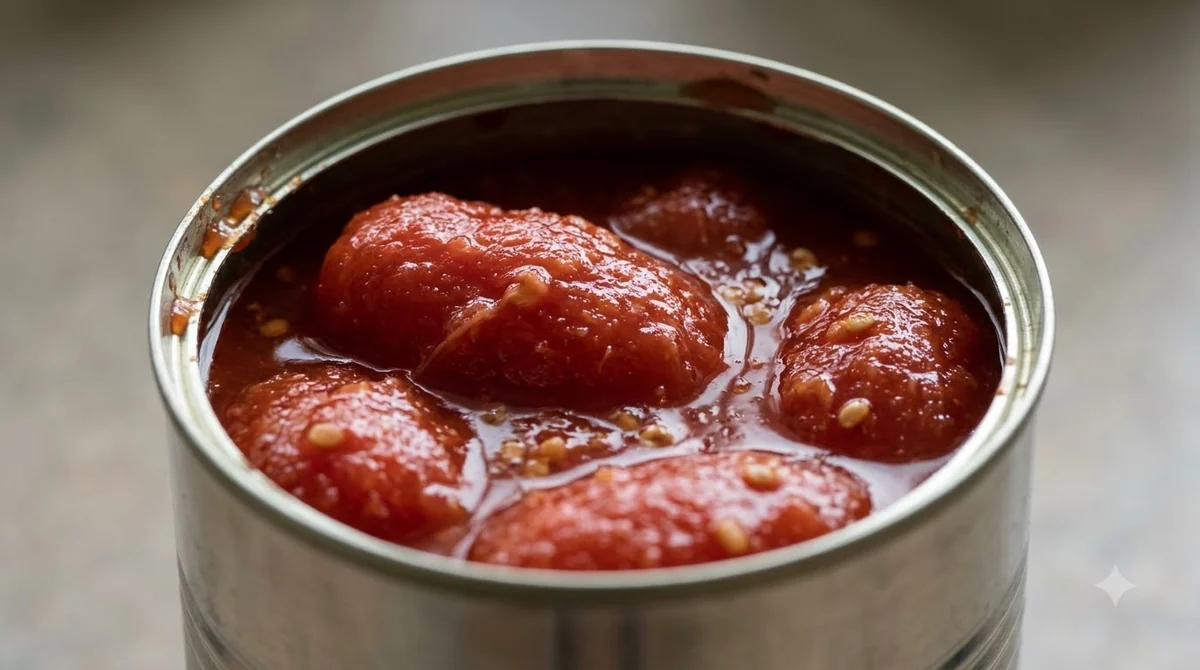

The best jarred pizza sauce starts with good tomatoes and a short ingredient list. Look for a sauce that tastes bright and tomato-forward, not sweet or heavily seasoned. A clear origin claim and a readable label matter more than a fancy jar.
Check three things before you buy: the tomato origin, the sodium per serving, and whether the ingredients are simple. Those details tell you more than front-of-jar marketing does. The rest of this guide explains how to check each one.
The product box below shows one jarred tomato sauce sold on Amazon, Rao’s Homemade Marinara. It is listed as an all-purpose tomato sauce rather than a dedicated pizza sauce, and this guide has not tested it, so check its label against the steps that follow.

Rao's Homemade Marinara Sauce, 24 oz
Pros & ConsViewHide
Reasons to buy
- 24 oz jar of marinara made with Italian tomatoes
- Short ingredient list that avoids tomato puree and citric acid, per Tasting Table
- 4.7-star average on Amazon
Reasons to avoid
- Listing shows few ratings compared with big supermarket sauces
- Price per jar can vary a lot between sellers and multi-packs
What Makes the Best Jarred Pizza Sauce Worth Buying
The best jarred pizza sauce is mostly tomato, with salt and sometimes a little basil or oregano. The tomato variety and how the sauce is processed shape most of the flavor you taste on the pizza.
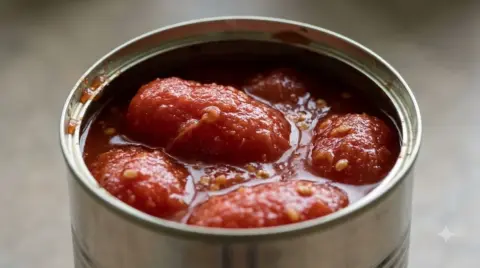
Italian San Marzano tomatoes are the variety most often named for pizza sauce. According to the San Marzano tomato entry on Wikipedia, the variety comes from San Marzano sul Sarno in the province of Salerno, near Naples, and grows in volcanic soil near Mount Vesuvius. The fruit is a plum tomato with thicker flesh and fewer seeds than a Roma. For one brand read closely, see our Strianese San Marzano tomatoes review.
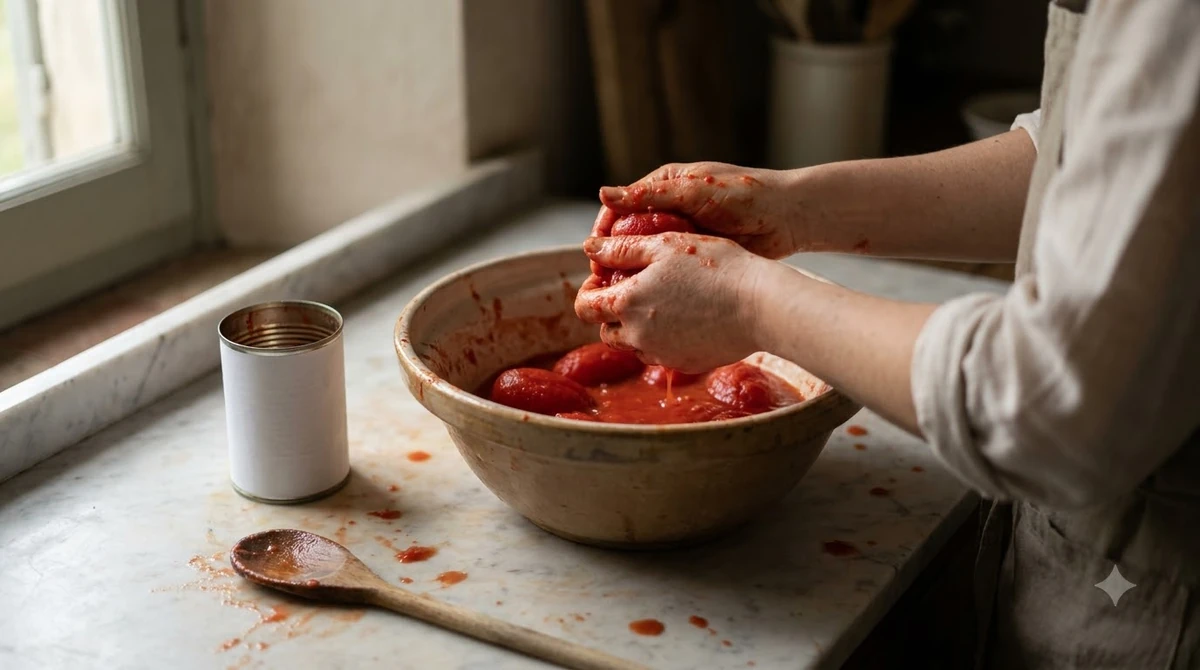
Not every can that says San Marzano is protected. The protected version carries the EU protected designation of origin (PDO) seal. The PDO system was created in 1992, and the PDO logo is compulsory for products that use the protected name. Canned tomatoes from the Sarno valley may be labelled “pomodoro di San Marzano dell’agro sarnese-nocerino” with the PDO emblem.
Because the price is high, mislabelling is a real risk. In November 2010, Italian Carabinieri seized 1,470 tonnes of improperly labelled canned tomatoes worth €1.2 million, according to the same Wikipedia entry. That is one reason to read the seal and not rely on the words “San Marzano style” alone, as our Cento San Marzano tomatoes review also shows for a single can.
Passata, Puree, or Sauce: Which Do You Need?
Passata is an uncooked tomato purée, strained to remove seeds and skins, so it keeps a fresh, raw-tomato taste. Standard purée is cooked before it is strained, which gives a deeper flavor and a thicker texture.
When you shop for the best jarred pizza sauce, passata is sieved raw, while standard purée is cooked first, according to the passata entry on Wikipedia. That difference matters on a pizza, because the sauce cooks again in the oven.
No best jarred pizza sauce follows a single standard. Some products are closer to passata, with only tomatoes and salt. Others add herbs, sugar, or thickeners and taste more like a pasta sauce. The label is the only reliable guide, so read the ingredient list instead of the front of the jar. If you want a sauce for pasta night instead, see our guide to the best jarred pasta sauce.
When you compare two jars, look at how thick the sauce is and how much water sits on top. A very thin sauce can soak into the dough and make the crust soggy. A very thick sauce can taste pasty and hide the tomato flavor.
Read the Label Before You Buy
Start with the ingredient list of any best jarred pizza sauce contender. Ingredients are listed by weight, so the first one should be tomatoes, and the list should stay short. Long lists with several thickeners or flavor boosters often mean the sauce is built to taste the same in every jar.
Use the table below as a quick check on any jar you consider for the best jarred pizza sauce.
| Label item | What to look for | Why it matters |
|---|---|---|
| Ingredients | Tomatoes, salt, and maybe basil or oregano | A short list usually means less processing |
| Origin | A DOP seal or the full PDO name | Confirms the protected origin claim |
| Sodium | 5% Daily Value or less per serving is low | Helps you compare jars on equal terms |
| Sugar | Added sugar listed in the ingredients | Sweetness can hide weak tomato flavor |
| Serving size | The amount the sodium figure is based on | Your portion may be bigger than one serving |
Sodium needs the closest look. The FDA guidance on sodium says 5% Daily Value or less per serving is low, and 20% DV or more is high. The Daily Value for sodium is less than 2,300 milligrams per day, and the agency advises comparing products with the Nutrition Facts label while checking the serving size.
When you pick the best jarred pizza sauce, do not assume a jar is low in sodium because it tastes plain. Two sauces can taste similar and still differ a lot on the label. Compare the per-serving figure, then decide how many servings you will actually use on one pizza.
How to Use the Best Jarred Pizza Sauce on Pizza
Use a light coat of sauce, and season the finished pizza instead of the jar for the cleanest flavor. Pizza maker Anthony Mangieri, owner of Una Pizza Napoletana in New York, says he adds no salt to his sauce and seasons the assembled pizza instead, according to a Tasting Table interview with him.
His method suits any jar that already contains salt, including a best jarred pizza sauce pick with a seasoned recipe. It also helps you control the total salt on the pizza, which is useful when you add salty cheese or cured meat. If you would rather cook your own base, see how to make marinara sauce. For a simple pizza at home with a jar, follow these steps, or compare them with a marinara pizza recipe:
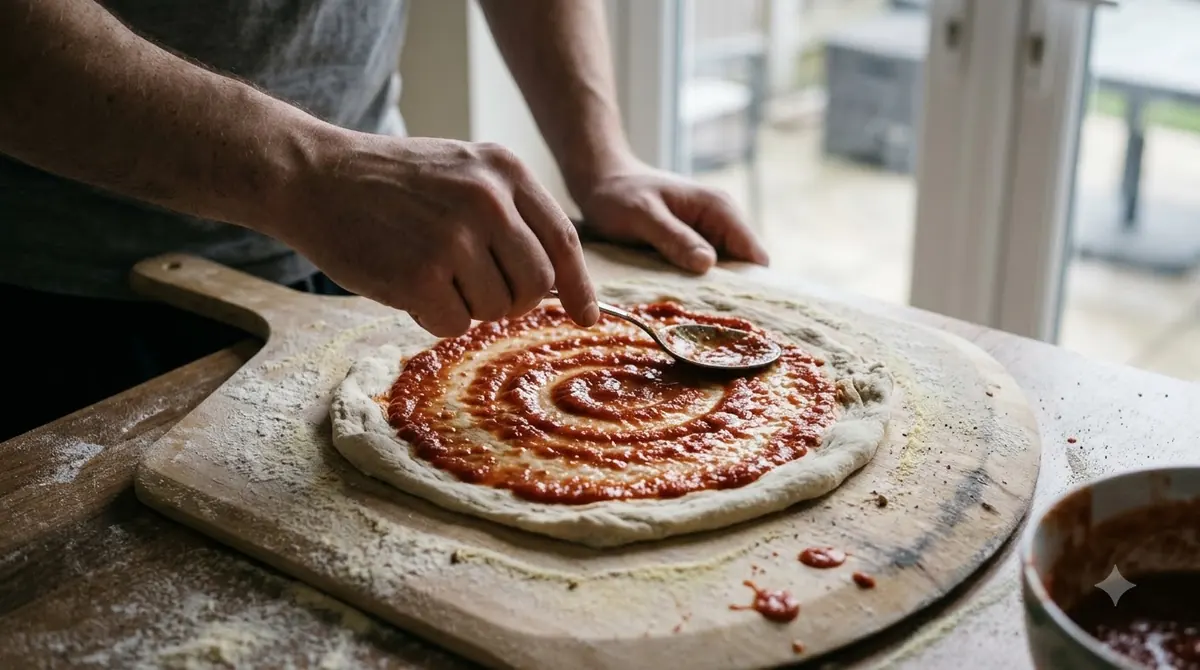
- Spoon the sauce into a bowl and stir it so the tomato and liquid mix evenly.
- Spread a thin layer over the dough, and leave a clean border around the edge.
- Add cheese and toppings, using a little more sauce only if you skip the cheese.
- Season the assembled pizza with salt, oregano, or olive oil, then bake until the crust is set and the cheese has melted.
Mangieri also advises against cooking the sauce before it goes on the pizza, because heat dulls its bright flavor. Most jarred sauce has already been cooked during processing, so this advice applies mainly to any extra cooking you do at home.
Why Tomato Quality Changes From Year to Year
Tomato quality shifts from season to season, so the best jarred pizza sauce of last year may taste different now. Mangieri says he tastes a range of brands rather than committing to one, because quality changes from year to year.
That is good advice for a home cook too. To find the best jarred pizza sauce for your own kitchen, buy two or three jars that meet the origin and sodium checks, then taste each one plain before you commit to a bigger pack. A plain taste shows the tomato and the acidity more clearly than a sauce loaded with herbs.
Acidity is part of the balance in the best jarred pizza sauce. Mangieri says San Marzano has more natural acidity, which helps the sauce cut through cheese and olive oil, and he considers California tomatoes a weaker choice for pizza sauce. A sauce that tastes flat on a spoon may still work on a pizza, but a sauce that tastes balanced on a spoon usually performs better after baking.
Common Mistakes When Choosing the Best Jarred Pizza Sauce
The most common mistake is trusting the front label. A “San Marzano style” can does not carry the protected status, so the seal on the can is the thing to check.
- Buying on the front label alone, without reading the ingredient list or looking for the DOP seal.
- Adding salt to a sauce that is already salted, then over-seasoning the pizza.
- Spreading too much sauce, which can leave the center wet and the crust soft.
- Cooking the sauce separately before it goes on the dough, which dulls the fresh tomato flavor.
Another mistake is picking the best jarred pizza sauce based on a single recommendation. Some home cooks on forums report that one brand is the best, but those reports are personal experience, not a test. Treat them as a starting point and taste the sauce yourself, or read Rao’s vs Carbone marinara for a head-to-head of two popular jars.
What This Guide Does Not Confirm
The guide does not name one best jarred pizza sauce. Brand quality and prices change, and the sources available for this article did not confirm a current ranking that you can rely on.
Specific brand claims from recipe blogs and retailer pages were not verified, so they are left out. Prices, sodium figures, and ingredient lists for each best jarred pizza sauce candidate also change, so check the current label on the jar before you buy.
The facts in this guide cover the tomato origin, the passata and purée definitions, and the FDA sodium thresholds. The advice on using sauce comes from one pizza maker, so it reflects his method rather than a universal rule. Your own taste test is the final check.
Frequently Asked Questions
Is San Marzano pizza sauce always better?
Not always. San Marzano tomatoes have a distinctive flavor, and many cooks prefer it, but the best jarred pizza sauce is the one that tastes right to you. Confirm the DOP seal first, then taste the sauce plain.
What does DOP mean on a can of tomatoes?
DOP stands for denominazione di origine protetta, the EU protected designation of origin. It links a product to a specific area and its traditional methods, and the PDO logo is compulsory for products that use the name.
Is passata the same as pizza sauce?
No. Passata is an uncooked tomato purée strained of seeds and skins. Pizza sauce is a broader term, and some jarred pizza sauces are closer to passata while others add herbs, sugar, or thickeners.
How much sodium should the best jarred pizza sauce have?
The FDA describes 20% Daily Value or more per serving as high sodium, and it advises keeping total daily sodium under 100% DV. Check the serving size on the label, because the figure applies to one serving only.
Choose the best jarred pizza sauce by its short ingredient list, a clear origin claim, and a sodium figure that fits your day. Taste it plain before you commit, and season the finished pizza rather than the jar. For a wider shortlist, our guide to the best pizza sauce for homemade pies covers options beyond jars.
 8 min readGear & PantryBest Balsamic Glaze: How to Choose One That Tastes RightUpdated Nov 13, 2026
 8 min readGear & PantryBest Jarred Pasta Sauce: How to Pick a Good JarUpdated Nov 17, 2026
 9 min readGear & PantryBest Jarred Alfredo Sauce: What to Look For in 2026Updated Nov 13, 2026
 8 min readGear & PantryBest Pecorino Romano: How to Pick a Wedge That Tastes RightUpdated Nov 12, 2026
 5 min readGear & PantryBest Mozzarella for Pizza: Low-Moisture or Fresh at HomeUpdated Nov 13, 2026
 9 min readGear & PantryBest Pizza Sauce: What to Buy and How to ChooseUpdated Nov 17, 2026