

The short answer to why is my pizza crust gummy: the middle has not baked through, so moisture stays trapped in the dough. Oven heat, dough hydration and proofing are the usual causes, and each one leaves a different sign on the plate.
A gummy crust is dense, sticky or rubbery in the middle, while a hard pizza crust is dry and firm. If you are asking why is my pizza crust gummy, check the texture of the inside first, since that points you to the cause worth testing.
Why Is My Pizza Crust Gummy in the Middle
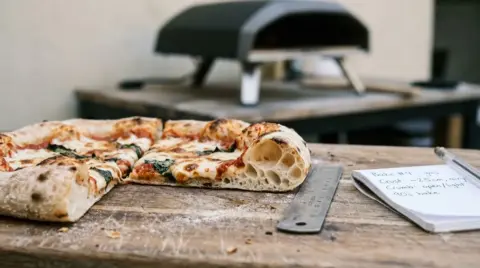
A gummy middle usually means the dough did not set and dry out during the bake, so water stays in the crumb. Pizza crust gummy problems most often come from a short or cool bake, a wet dough, or toppings that add extra water.
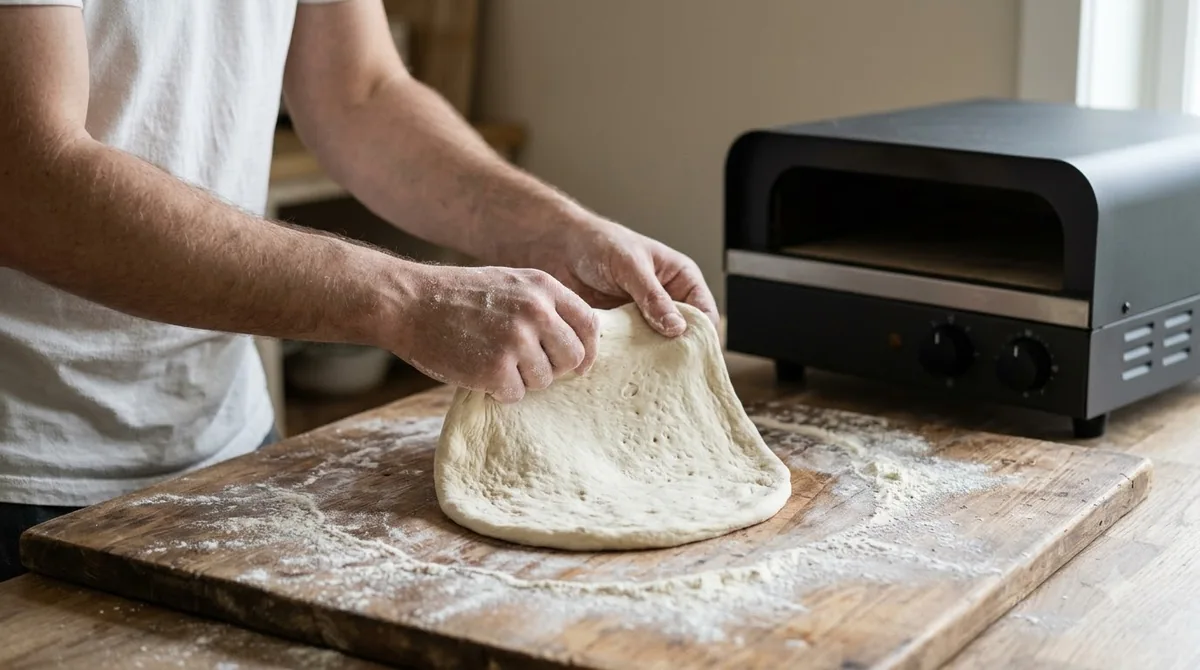
Dough is mostly flour, water and gluten. Heat has to set the outside of the dough while the inside finishes cooking. If the base stays cool or the bake is cut short, the center can remain moist and sticky. That is the texture many people describe when they ask why is my pizza crust gummy after pulling a pie that looks done on top.
The sources checked here do not give one temperature that prevents a gummy center in every home oven. They do give a baseline. Wikipedia’s overview of pizza describes the traditional style as baked at a high temperature, often in a wood-fired oven, and that high heat is what sets the crust quickly.

Oven Heat and Bake Time
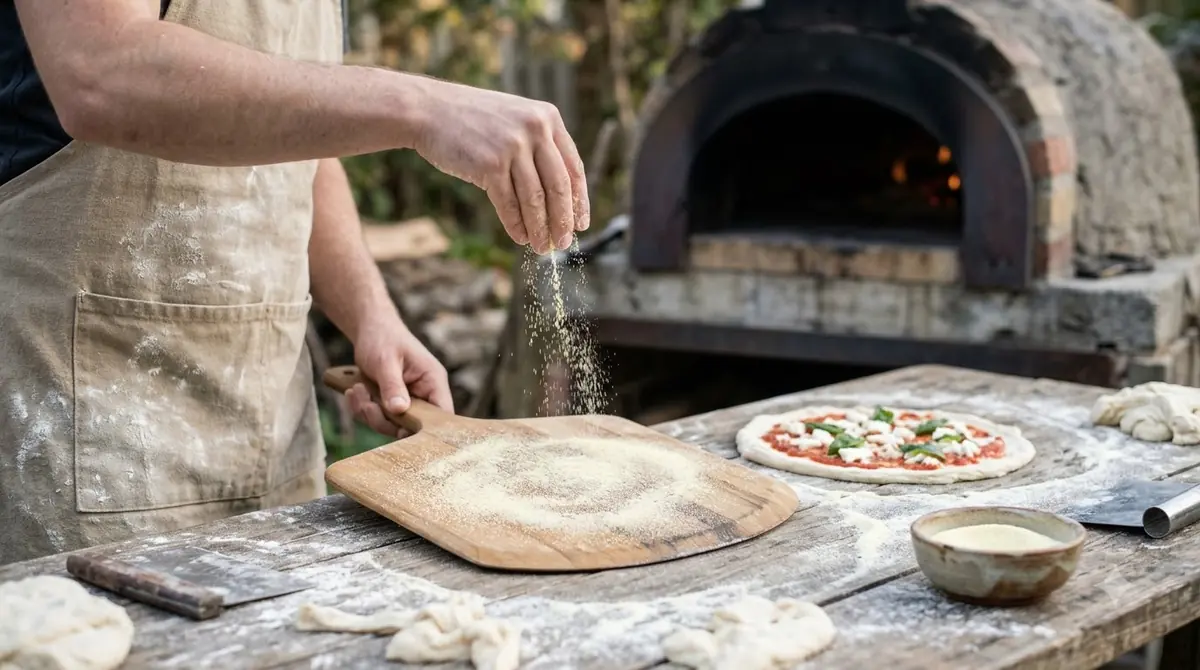
Oven heat is the first place to look when you ask why is my pizza crust gummy, because a base that does not get enough heat stays wet in the middle. The King Arthur Neapolitan-style recipe preheats a steel or stone to 500°F to 550°F for at least 30 minutes before baking.
Preheating matters as much as the dial setting. The recipe asks for the stone or steel to sit in the oven for at least 30 minutes, so the surface is hot when the dough touches it. A cold surface pulls heat out of the base and leaves a pale, moist bottom, which is one common route to a gummy crust.
When the middle still feels sticky, bake time is the next thing to check. Bake time should match the heat. In the King Arthur recipe, the pie bakes about 6 minutes on a steel or 7 minutes on a stone, then 2 to 3 minutes under the broiler to finish the top. If your oven runs cooler, the same pie needs more time, so judge the bake by the center texture rather than by the clock alone.
If your oven cannot reach that range, the sources checked here give no substitute temperature. Check the manual for the maximum setting and the recommended preheat time, then change one thing at a time. Our guide on what temperature to bake pizza in a home oven lists typical home oven ranges, and how long to preheat a pizza stone covers the stone step.
Dough Hydration and Sticky Dough
A wetter dough holds more water inside the crumb, which is one answer to why is my pizza crust gummy even after a full bake. The King Arthur recipe lists 170 g of water for 232 g of flour, which works out to about 73 percent hydration by weight, calculated from those listed weights.
Hydration is the ratio of water to flour by weight, and it is a common reason why is my pizza crust gummy in home kitchens. The recipe uses 00 flour and water at 105°F to 115°F, and it yields roughly 200 g per dough ball. The source presents these weights as one working example, not as a target for every dough, so treat the percentage as a reference point.
If a dough feels wet in the bowl, King Arthur advises a generous dusting of flour on top, and says to use more flour if the dough is at all sticky. Surface flour helps you handle the dough, but it does not remove water already inside. A dough that is too wet can give a gummy center even in a hot oven, so the fix often belongs at the mixing stage. If the dough is hard to handle, see how to fix pizza dough that is too sticky.
Change one thing at a time. Reduce the water a little, bake the pie the same way, and compare the crumb. The sources checked here do not give a safe hydration range for home ovens, so keep each change small.
Proofing and Dough Handling
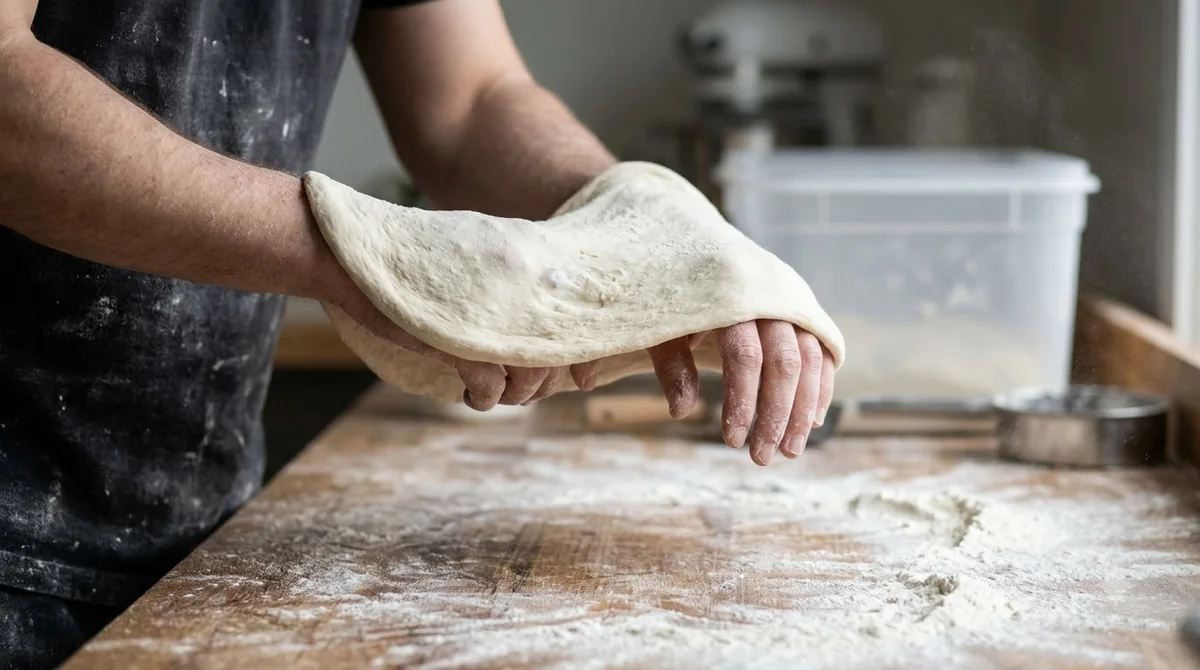
Dough that is under-proofed can explain why is my pizza crust gummy, because it bakes dense and sticky inside when the structure has not developed fully. King Arthur suggests letting the dough rest 5 to 10 minutes on a floured surface when it is hard to stretch.
Resting relaxes the gluten so the dough shapes without tearing. Pressing harder on tight dough pushes gas out and leaves a heavier, denser crumb, which is why a rushed shape can look fine and still bake gummy. The sources checked here do not give a proofing time for this effect, so judge the dough by how it stretches. Our page on underproofed pizza dough shows what the signs look like.
If the dough feels dense after a quick rise, the King Arthur recipe also gives an alternative that trades yeast for time. It uses 1/2 teaspoon of yeast and a rise of at least 8 hours. A slower rise gives the dough more time to develop, which can help if your usual dough feels dense.
Shape gently, and leave the outer edge untouched. King Arthur notes that an untouched edge gives a bubbly outer crust after baking, while heavy pressing across the whole disk works against that rise.
Toppings, Sauce and Cutting Too Soon
Wet toppings and a pie that sits covered both add moisture after the bake, so they can answer why is my pizza crust gummy even when the oven was hot. Spread sauce thinly, pat wet toppings dry, and let the pie rest uncovered before you cut it.
Sauce and cheese add water to the top of the dough. A thick layer of sauce, or vegetables that release liquid, can soak into the center while the base is still pale. That is one way why is my pizza crust gummy shows up with a pie that looks finished on top.
Cutting or boxing too soon traps steam, which is another reason why is my pizza crust gummy once the pie leaves the oven. A closed box or a lid holds moisture against the crust, which softens the surface and the rim. Let the pizza rest on a rack or board, uncovered, before you cut it. The sources checked here do not give a set resting time, so wait until the crust feels firm to the touch.
Symptoms and Fixes at a Glance
Use this table to match what you see on the plate with a likely cause for why is my pizza crust gummy. Each row points back to a section above.
| Symptom | Likely cause | Fix |
|---|---|---|
| Browned top with a sticky middle | Oven or stone not hot enough, or bake too short | Preheat the stone or steel at least 30 minutes, then bake until the center feels set |
| Pale, wet base with a runny center | Dough too wet, or sauce applied too heavily | Reduce water in small steps and spread the sauce thinly |
| Dense, heavy crumb | Dough under-proofed, or pressed too hard during shaping | Rest 5 to 10 minutes before shaping and shape gently |
| Sticky bottom after the bake | Pizza closed in a box or covered while hot | Rest uncovered on a rack or board before cutting |
| Gummy in one spot only | Uneven toppings or uneven oven heat | Spread toppings evenly and rotate the pie during the bake |
Step by Step Fix for a Gummy Crust
If you keep asking why is my pizza crust gummy, start with the oven, then the dough, then the toppings, and change one variable per bake. That order follows where the sources checked here give the most detail.
- Preheat the stone or steel for at least 30 minutes at the highest setting your oven allows, up to 500°F to 550°F.
- Bake until the top browns and the center feels set rather than sticky, using the King Arthur times of about 6 minutes on steel or 7 on stone as a starting point.
- Reduce the water a little if the dough is sticky, and use flour on the surface rather than working it into the dough.
- Rest the dough 5 to 10 minutes before shaping, and shape it gently without pressing out the air.
- Spread the sauce thinly, pat wet toppings dry, and cool the pie uncovered before cutting.
Frequently Asked Questions
Why is my pizza crust gummy even when the top is brown?
The top can brown before the center has finished cooking, especially if the base is cool. A brown top does not prove the middle is set. Check the texture in the center, and if it still feels sticky, bake a little longer or hotter on the next pie.
Does a hotter oven fix a gummy crust?
Usually it helps with why is my pizza crust gummy, because a hotter base sets faster. The King Arthur recipe uses 500°F to 550°F with a preheated steel or stone. If your oven stops lower, the sources checked here give no replacement setting, so check the manual and test one change at a time.
Is adding flour a fix for sticky dough?
Flour on the surface helps you handle the dough, and King Arthur advises more flour when the dough is sticky. Adding a lot of flour does not fix a recipe that is too wet, though, so change the water amount as well if the dough is the cause of why is my pizza crust gummy.
Can I cut the pizza right away?
If why is my pizza crust gummy is the problem, it is better to wait briefly. Cutting straight away and boxing the pie while hot both trap steam against the crust. Rest it uncovered on a rack or board, then cut, so the base stays firm and the answer to why is my pizza crust gummy is one less problem.
Is my dough too wet or is my oven too cool?
Look at the base and the center together. A pale, wet base with a runny middle points to dough or sauce, while a browned top with a sticky middle points to heat or bake time. Test one change at a time so you know which fix worked, and you will soon know why is my pizza crust gummy in your own kitchen.
Keep a short note of the oven setting, the dough weights and the bake time for each pie. That log shows which change fixed why is my pizza crust gummy in your kitchen, and it is more useful than changing everything at once.
 6 min readLearnWhy Is My Fresh Pasta Gummy? Causes and Easy FixesUpdated Nov 13, 2026
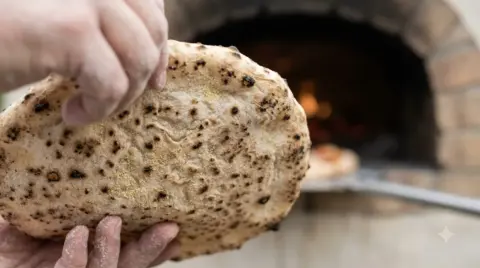 8 min readLearnWhy Is My Pizza Crust Hard? Causes and FixesUpdated Nov 10, 2026
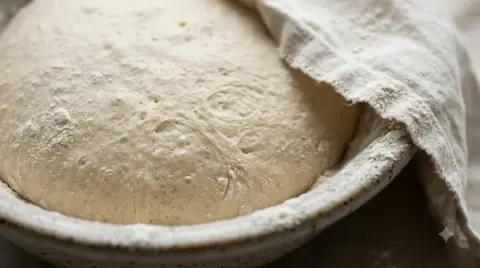 9 min readLearnWhy Is My Pizza Dough Tough? Causes and Easy FixesUpdated Nov 12, 2026
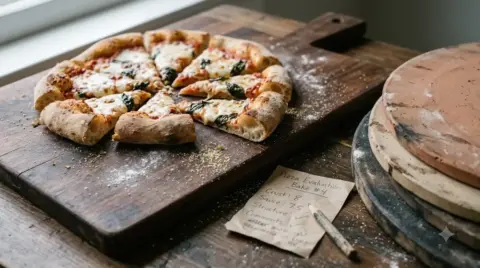 6 min readLearnWhy Is My Pizza Greasy? Causes and Easy FixesUpdated Nov 13, 2026
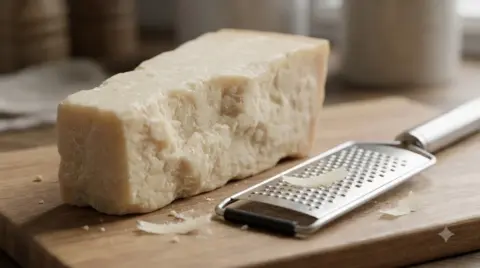 5 min readLearnWhy Is My Pizza Cheese Rubbery? Causes and FixesUpdated Nov 13, 2026
 6 min readLearnWhy Is My Pizza Soggy in the Middle? Causes and FixesUpdated Nov 13, 2026