
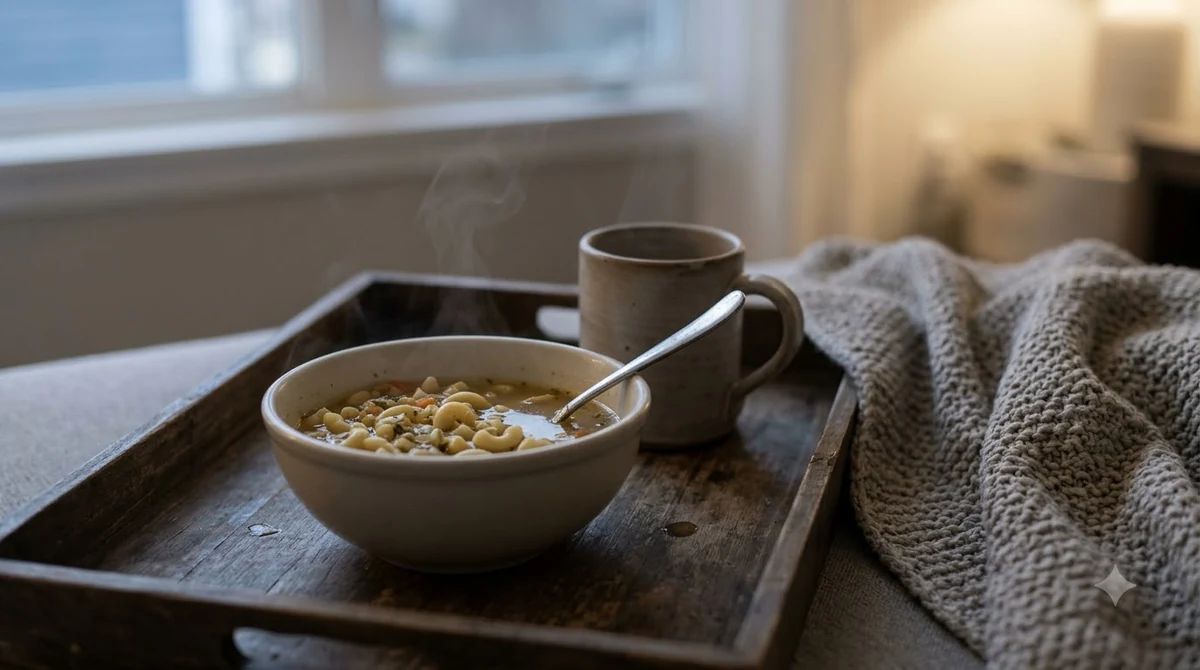

Quadrucci pasta is a small square egg pasta, traditionally cooked in broth. The name comes from “quadro,” the Italian word for square. It belongs to the wider family of tiny pasta shapes that Italians serve in soup.
Cooks usually add it to light broths, where it gives the soup body. Choose it for brothy dishes, and use a similar small shape when you cannot find it.
What Is Quadrucci Pasta?
Quadrucci pasta is a tiny pasta cut into squares, and sometimes cubes, that is usually made with egg.
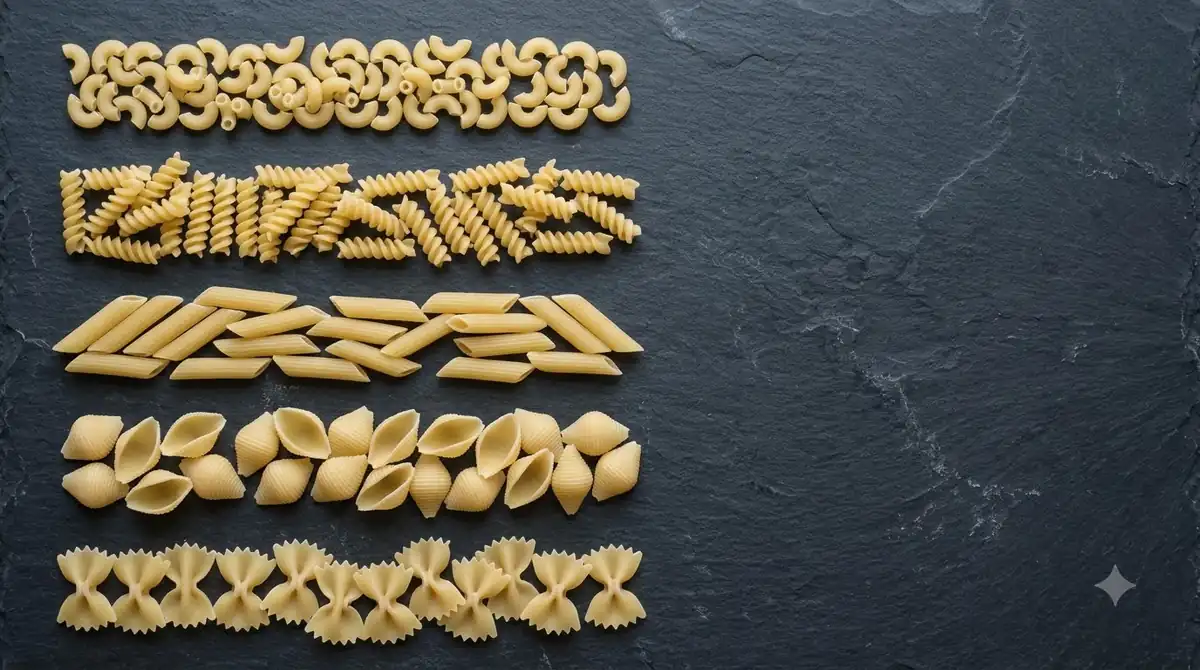
The Glorious Food glossary describes quadrucci as tiny squares and cubes of pasta. It notes that they can be fresh or dried and are usually made with egg.
Because the pieces are so small, they suit soups and broths better than sauces. Quadrucci works best in a clear broth, where each square stays visible and the soup stays light. In a thick stew the pieces disappear, so a larger shape is the better choice for that job. Their main job is to add substance to a clear broth without weighing it down, which is why quadrucci appears so often in soup recipes.
Regional names for quadrucci
The same shape goes by several names. Quadretti is a common alternative name, and the glossary gives the pronunciation of quadrucci as “kwah-droo-chee.” Wikipedia’s list of pasta groups quadrucci and quadretti under quadrettini, which it describes as small flat squares, and lists regional names such as squadrucchetti in Umbria and quaternei in Emilia-Romagna.
Italian menus and food shops may use any of these names, so a shopper who only knows the English term can miss the product. Look for the square cut in the photo or description, and check the ingredient list for egg.
If a label or recipe uses one of these names, read the description rather than the name alone. Small square pasta can differ in thickness and egg content from maker to maker.
Where Quadrucci Pasta Comes From
Quadrucci pasta is most often linked to central Italy, particularly Umbria and Marche, where it was traditionally made at home.
The name points to the cut. The Italian word quadro means square, and the symmetrical shape was designed to make the pasta easy to prepare by hand. That is why quadrucci has long been a home kitchen staple rather than only a factory product.
Spaghetti e Mandolino’s guide to lesser-known shapes describes the pasta as known for its versatility in the kitchen. It gives a traditional soup made with meat or vegetable broth as one example, often finished with vegetables and grated cheese. For a filled-pasta take on broth soup, see our tortellini soup recipe.
How Quadrucci Pasta Compares With Pastina
Quadrucci is a square, usually egg-based pasta, while pastina is a broader group of tiny shapes that are typically round and about 2 mm across.
Wikipedia’s entry on pastina describes it as the smallest type of pasta produced, made from wheat flour and sometimes egg, and used as an ingredient of soup. The table below shows where the two differ.
| Attribute | Quadrucci pasta | Pastina |
|---|---|---|
| Shape | Small squares, sometimes cubes | Tiny pieces, typically round |
| Typical size | Small, sized by the maker | About 2 mm in diameter |
| Typical ingredients | Wheat flour and egg, usually egg | Wheat flour, egg optional |
| Common use | Broths and light soups | Soups, plus desserts and infant food |
Shape is the main difference you will see on the plate. Quadrucci gives each spoonful a few square pieces with a clean edge, while pastina gives a finer, more even texture. Neither is wrong, and the choice usually comes down to the recipe and what your family already likes.
Pick quadrucci if you want the egg flavor and the square shape that the traditional broth recipes call for. Pick pastina if you want an even, round shape or a very small bite for young children.
How to Cook Quadrucci Pasta
Cook quadrucci pasta directly in simmering broth until it is tender, using the time printed on the package.
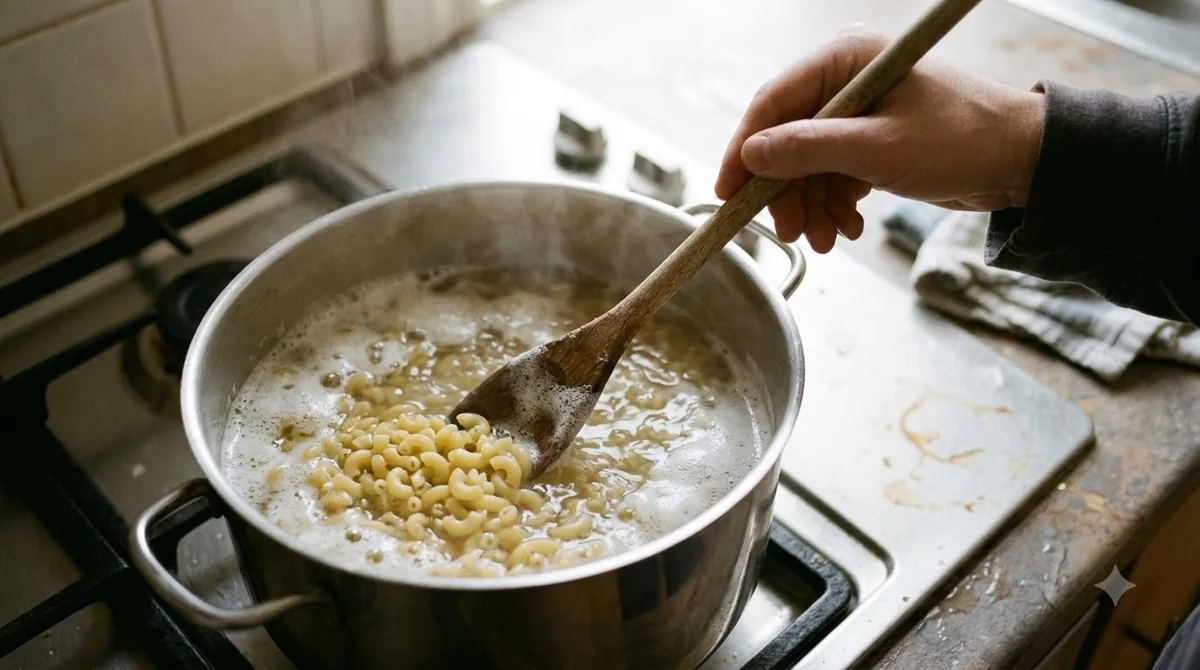
None of the sources checked for this guide gives one universal cooking time for quadrucci. Homemade and dried versions can differ in thickness, so the package is the reference. Taste a piece near the end of the suggested time to check it.
- Bring the broth to a steady simmer in a wide pot.
- Add the quadrucci pasta in a thin stream and stir so the pieces do not clump.
- Simmer for the time on the package, stirring now and then.
- Taste a piece near the end. It should be tender, not chalky in the center.
- Stir in vegetables or grated cheese if your recipe calls for them, then serve.
A practical habit is to taste the broth before serving and adjust the salt only at the end. The pasta and any grated cheese add their own seasoning, so a broth that tastes right at the start can turn salty by the time you serve it.
Serve the soup soon after cooking. Small pasta keeps soaking up broth as it sits, so leftovers thicken and need a splash of hot broth before reheating.
What Can You Substitute for Quadrucci Pasta?
Other tiny soup pastas are the closest substitutes for quadrucci pasta, and the best choice depends on whether the recipe depends on egg flavor or only on the small shape.
| Substitute | Why it works | Check before you buy |
|---|---|---|
| Pastina | Tiny pieces made for soup | Egg content, since egg is optional |
| Acini di pepe | Small round beads that stay separate in broth | Cooking time on the package |
| Ditalini | Short tubes that fit a spoon | Size, since larger tubes need longer cooking |
When you shop, compare the ingredient list first and then the package directions. The cooking time printed by the maker is the most reliable guide for that specific product, even when a general guide gives a different range.
If the recipe names quadrucci pasta for its egg flavor, choose a fresh or egg-enriched shape. If it only needs small pieces for body, a dried substitute works well. Check the package in either case, since no single cooking time applies to every brand.
A quick rule helps when you are stuck. If the soup is clear and delicate, choose a small shape such as quadrucci. If the soup is hearty, like pasta e fagioli or another thick soup, a larger pasta holds its place better and gives each spoonful more to bite into.
Dried pasta labels usually show the shape name, the ingredient list and the cooking directions. Start with those three details when a shape is unfamiliar, because the name alone does not tell you whether the pasta contains egg or how long it takes to cook.
Frequently Asked Questions
Is quadrucci pasta the same as quadretti?
Yes, the glossary lists quadretti as another name for quadrucci, which it says is pronounced “kwah-droo-chee.” Both names describe the same small squares.
Does quadrucci pasta always contain egg?
Not always, but egg is common. The Glorious Food glossary says they are usually made with egg, so read the ingredient list on any dried product before you buy.
Is quadrucci pasta the same as pastina?
Not exactly. Pastina is the broad term for tiny pasta used in soup, while quadrucci is defined by its square cut and is usually egg-based.
Can you use quadrucci pasta outside soup?
Its traditional use is in broth, where it adds body to light soups. For other dishes, check the package for guidance and test a small batch before you serve it to a group.
Is quadrucci pasta gluten-free?
Most quadrucci is made from wheat flour, so it is not gluten-free unless the label says so. Check the package for a gluten-free certification before buying for anyone with a gluten sensitivity.
What do you serve with quadrucci soup?
Traditional bowls pair the pasta with vegetables and grated cheese, as the Spaghetti e Mandolino guide describes. Crusty bread is a simple companion that suits a light broth and keeps the meal easy.
Choose quadrucci for traditional broth-based soups, where its square shape and egg flavor suit the dish. For a lighter bowl or a pantry substitute, pastina and other tiny shapes work well. Always follow the cooking time on the package, since makers and shapes vary.
 8 min readLearnWhat Is Spaghetti alla Chitarra? The Square Egg Pasta of AbruzzoUpdated Nov 6, 2026
 6 min readLearnTubetti Substitute: Ditali, Pennette and Other Small Tube PastaUpdated Nov 13, 2026
 9 min readLearnPasta e Fagioli Recipe: A Simple Italian Bean and Pasta SoupUpdated Nov 10, 2026
 8 min readLearnWhat Is Bocconcini? Small Fresh Mozzarella Balls ExplainedUpdated Nov 11, 2026
 8 min readLearnChicago Tavern Style Pizza Recipe: Thin, Crisp and Cut in SquaresUpdated Nov 11, 2026
 6 min readLearnHow to Shape Ravioli: Square, Round and Half-MoonUpdated Nov 13, 2026