
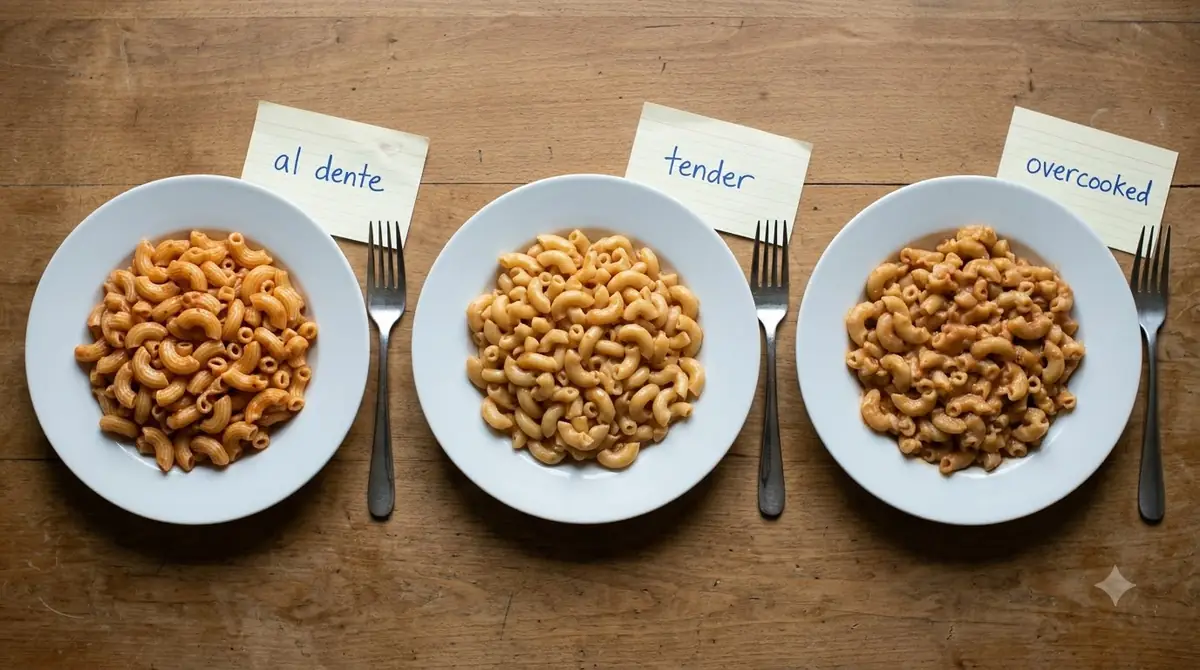

The best radiatori substitute is a short, ridged shape such as rotini, fusilli or cavatappi, because these hold sauce in grooves much as radiatori does. Penne, rigatoni and campanelle are also reliable swaps, depending on how thick the sauce is. Each shape handles texture a little differently, so cook the substitute to its own packet time.
Radiatori is a ruffled, radiator-shaped pasta that most brands cook in about nine to twelve minutes. It is not always in the cupboard, and some recipes depend on its folds to carry sauce. The sources we read agree on a short list of close matches.
Why Radiatori Is Hard to Replace
Radiatori is hard to replace because its folds catch thick sauce and small chunks together, so any substitute should offer a similar mix of grooves, ridges or pockets.
A smooth tube or a flat ribbon carries sauce on its surface, but it will not trap diced vegetables or crumbled meat in the same way. Look for a shape with ridges or spirals whenever texture matters in the dish.
Recipes built around radiatori usually rely on a thick sauce, so the best swap keeps that balance. A thin sauce will not behave the same way on any shape, radiatori included.
Rotini and Fusilli
Rotini and fusilli are the closest substitutes for most radiatori recipes, because their spiral grooves hold sauce well.
The Texas Real Food guide to radiatori substitutes lists rotini first, describing its corkscrew grooves as similar to radiatori and noting that it holds sauce well. Fusilli, with its tight spirals, is another common swap that clings to ragù and pesto.
For a cold pasta salad or a tray bake, rotini is usually the easier choice because it is sturdy. Cook it to the packet time and taste it a minute early so it does not turn soft.
Cavatappi and Campanelle
Cavatappi and campanelle are good choices when you want a shape with a bit more presence and a thick sauce to match it.
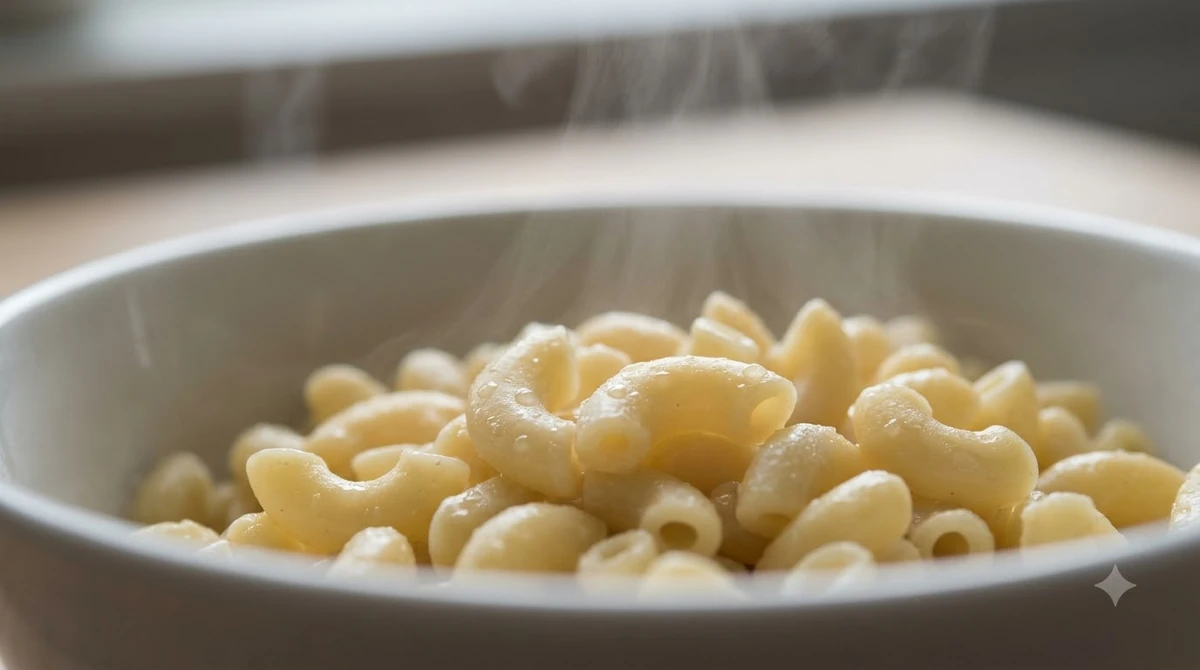
Cavatappi has a corkscrew shape whose grooves catch sauce, while campanelle has fluted edges and a cone-like form that scoops up chunky sauce. Texas Real Food lists both as options for a radiatori recipe.
Campanelle works best with smaller, chunkier sauces, because the cone fills with pieces of vegetable or sausage. A very smooth sauce will sit in the bowl rather than in the cone.
Penne and Rigatoni
Penne and rigatoni are the easiest swaps to find in most shops, and both suit thicker sauces such as ragù and baked dishes.
Penne has angled cuts and a tube that holds thick sauce, and the Pastasphere radiatori guide lists it alongside rotini, gemelli, rigatoni and ziti as a similar shape. Rigatoni is larger and ridged, with a comparable ability to hold sauce.
Use penne for ragù and thick tomato sauce, and rigatoni when the dish goes into the oven. The wider tube suits baked dishes with plenty of meat and cheese.
Radiatori Substitutes at a Glance
The table below sets out the six substitutes covered in this guide, with the reason each one works and the sauce it suits best.
| Substitute | Why it works | Best sauce |
|---|---|---|
| Rotini | Corkscrew grooves hold sauce | Ragù, pesto |
| Fusilli | Tight spirals catch small pieces | Pesto, chunky tomato |
| Cavatappi | Grooves hold onto sauce | Cheese, tomato |
| Campanelle | Fluted cone scoops up sauce | Chunky vegetable sauce |
| Penne | Angled tube holds thick sauce | Thick tomato, ragù |
| Rigatoni | Large ridged tube for heavy sauce | Baked ragù |
Macaroni for Baked Dishes
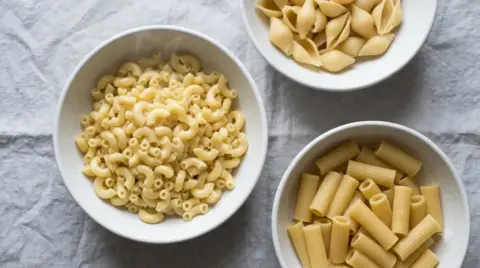
For baked dishes, macaroni is a reasonable substitute, because it holds cheese sauce well and keeps its shape in the oven.
Texas Real Food suggests macaroni for baked pasta dishes and notes its good ratio of cheese sauce to pasta. Elbow macaroni is smaller than radiatori, so check the top of the dish a little earlier than the recipe says.
How to Adjust Cooking When You Swap
Follow the packet time for the substitute rather than the radiatori time, and taste early, since shapes differ in thickness.
Texas Real Food gives a simple starting ratio of one quart, or four cups, of water for each serving, with about one tablespoon of coarse sea salt per quart. Use that as the base and adjust for your pot.
- Check the packet time for the substitute and taste a piece a minute early.
- Reserve some cooking water before draining, for loosening the sauce.
- Match the sauce thickness to the shape, with thick sauce for ridged shapes.
- Keep the pasta slightly firm if it will bake or sit in a salad.
When a Substitute Will Not Work
A long strand or a smooth ribbon does not suit a recipe written for radiatori, because the sauce will not sit on the pasta in the same way.
Texas Real Food also lists non-pasta swaps such as brown rice pasta or zucchini noodles for specific dishes. Those change the texture and cooking method, so treat them as a last resort and cook them according to their own instructions.
Frequently Asked Questions
What is the closest substitute for radiatori?
Rotini and fusilli are the closest, because both have grooves or ridges that hold sauce. Cavatappi is another close match with a similar corkscrew texture.
Can you use penne instead of radiatori?
Yes. Penne works well with thick sauces and ragù. It has less surface in its folds, so small pieces of vegetable will not sit in the pockets quite as well.
Is fusilli the same as radiatori?
No, but it is a reasonable substitute. Fusilli has tight spiral grooves, while radiatori has ruffled folds, so the sauce sits a little differently. Choose a thick sauce either way.
How much water do you need to cook a radiatori substitute?
Texas Real Food suggests about one quart, or four cups, of water for each serving of pasta, with roughly one tablespoon of coarse sea salt per quart. Use the packet time for the substitute you choose.
Pick a ridged or spiral shape that matches the thickness of your sauce, cook it to its own packet time, and check the texture before draining. With rotini, fusilli or penne on hand, most radiatori recipes work without a special trip to the shop.
 6 min readLearnBest Sauce for Farfalle: Pairings That Hold the SauceUpdated Nov 13, 2026
 5 min readLearnRigatoni Substitute: 4 Pasta Shapes That Work Just as WellUpdated Nov 13, 2026
 6 min readLearnPenne Substitute: 5 Pasta Shapes That Work WellUpdated Nov 13, 2026
 6 min readLearnMacaroni Substitute: Best Pasta Shapes That WorkUpdated Nov 13, 2026
 6 min readLearnSpaghetti Substitute: 4 Easy Options That Work With Any SauceUpdated Nov 13, 2026
 6 min readLearnCampanelle Substitute: Best Shapes and SaucesUpdated Nov 13, 2026