
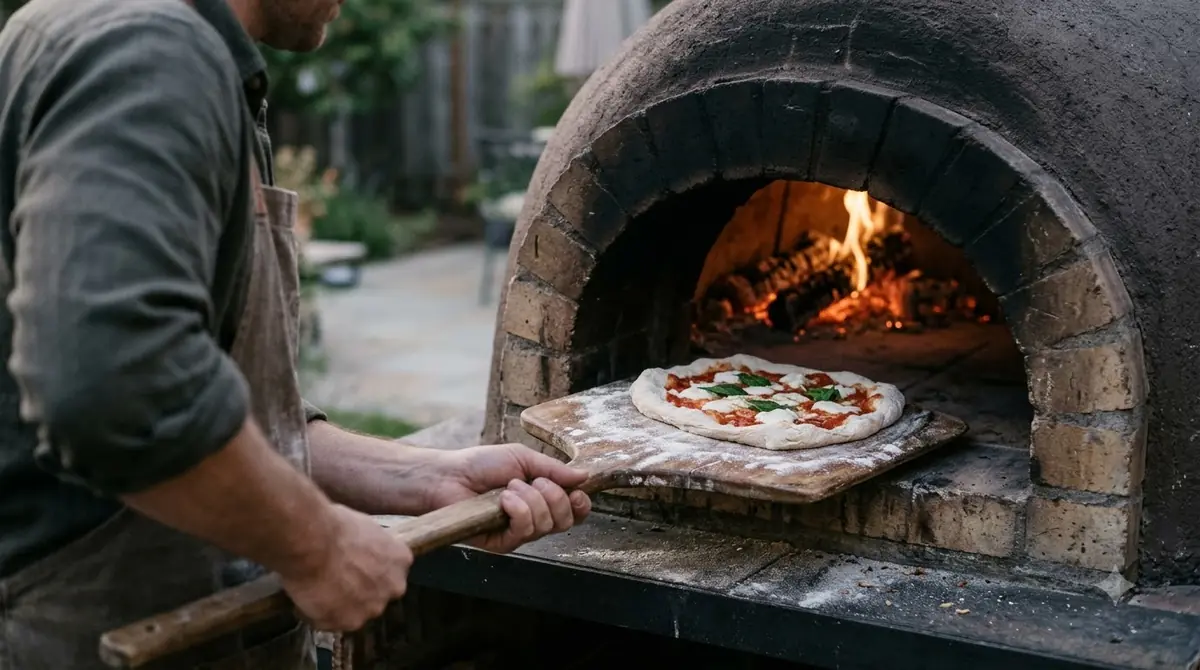

Solo Stove Pi recipes start with two official dough formulas, a New York style and a Neapolitan style, both baked on a stone heated to 650°F. The maker lists exact flour and water weights, twelve named topping combinations and firm safety limits for the oven. The right choice depends on how much time you have before dinner. For the propane-only model, see the separate guide to Solo Stove Pi Prime recipes.
Among Solo Stove Pi recipes, the New York dough rests for 30 minutes before shaping. The Neapolitan dough rests for 2 hours, then needs a full 24 hours at room temperature before you stretch it.
The Two Official Dough Formulas
The two official Solo Stove Pi recipes use different flours and rest times, so each produces a different crust. Both make pizzas that bake in about 2 minutes on a stone at 650°F. Pick the dough that fits your schedule and the crust style you like.
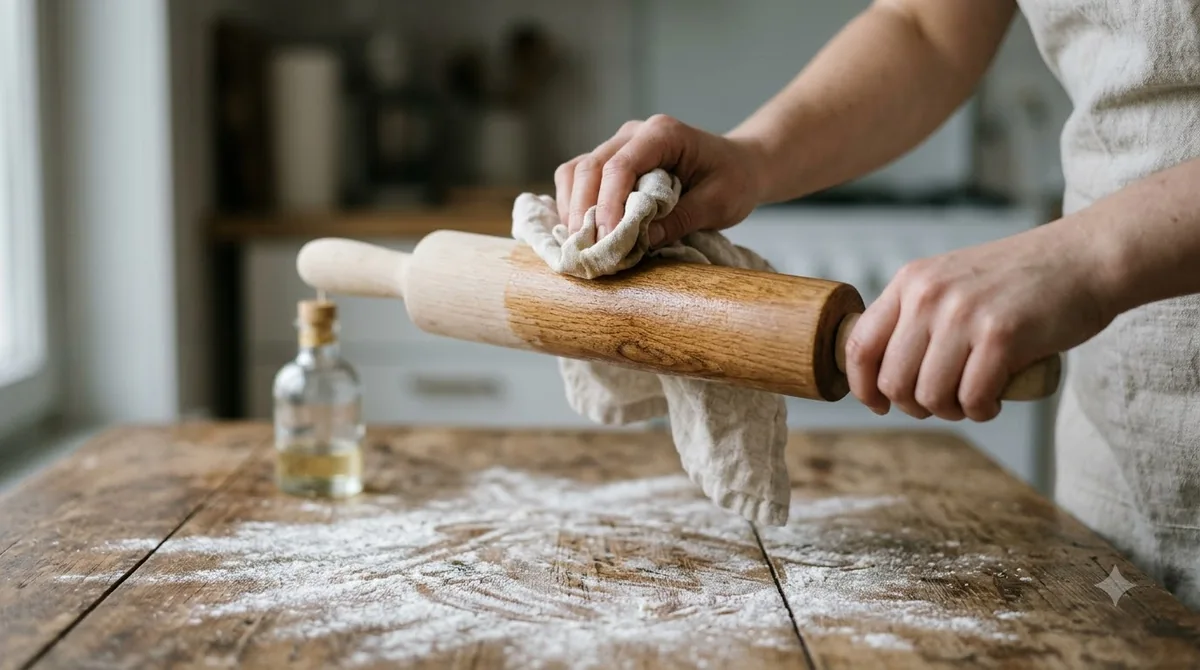
The New York dough used in Solo Stove Pi recipes uses 720 g of all-purpose flour, 14 g of sugar, 9 g of salt, 20 g of instant yeast, 26 g of olive oil and 430 g of warm water. The maker credits the sugar and oil for the golden-brown crust of a city slice. The dough makes 6 balls of 200 g each, which means 6 pizzas.
The Neapolitan dough is simpler on paper but slower to prepare. It uses 1000 g of 00 flour, 600 ml of room-temperature water, 25 to 30 g of salt and 1 tsp (0.5 g) of instant yeast. You mix the water and salt first, add the flour in small amounts, and knead until the dough is uniform. Rest it for 2 hours, divide it into 210 to 225 g balls, and let each ball rest in an airtight container at 65°F for 24 hours. One batch yields 7 to 8 pizzas. For a step-by-step version of the dough, see the Solo Stove Pi pizza dough recipe.
| Feature | New York dough | Neapolitan dough |
|---|---|---|
| Main flour | 720 g all-purpose flour | 1000 g 00 flour |
| Extras | Sugar and olive oil | Salt and instant yeast only |
| Rest time | 30 minutes | 2 hours, then 24 hours |
| Pizzas per batch | 6 | 7 to 8 |
For shaping, the maker advises stretching the Neapolitan dough by hand, which keeps the airy texture of the long rest. A rolling pin can knock out the airy texture. The maker gives rolling-pin steps for the New York dough, so it suits a first bake with simple tools.
To flatten the dough by hand, flour the workspace and stretch from the center outward, pushing any air bubbles toward the edge. With a rolling pin, roll back and forth, turn the oval-shaped dough 90 degrees, and repeat until it is evenly thin. Transfer the stretched dough to a dusted peel before you add sauce or toppings.
Preheating the Pi for Solo Stove Pi Recipes
Every Solo Stove Pi recipe depends on a hot stone, so preheat until the stone reaches at least 650°F before you launch a pizza. The oven uses two reversible cordierite stone halves that create one wall-to-wall baking surface. Check the surface temperature with an infrared thermometer, and see Solo Stove Pi temperature for the wider heat range.
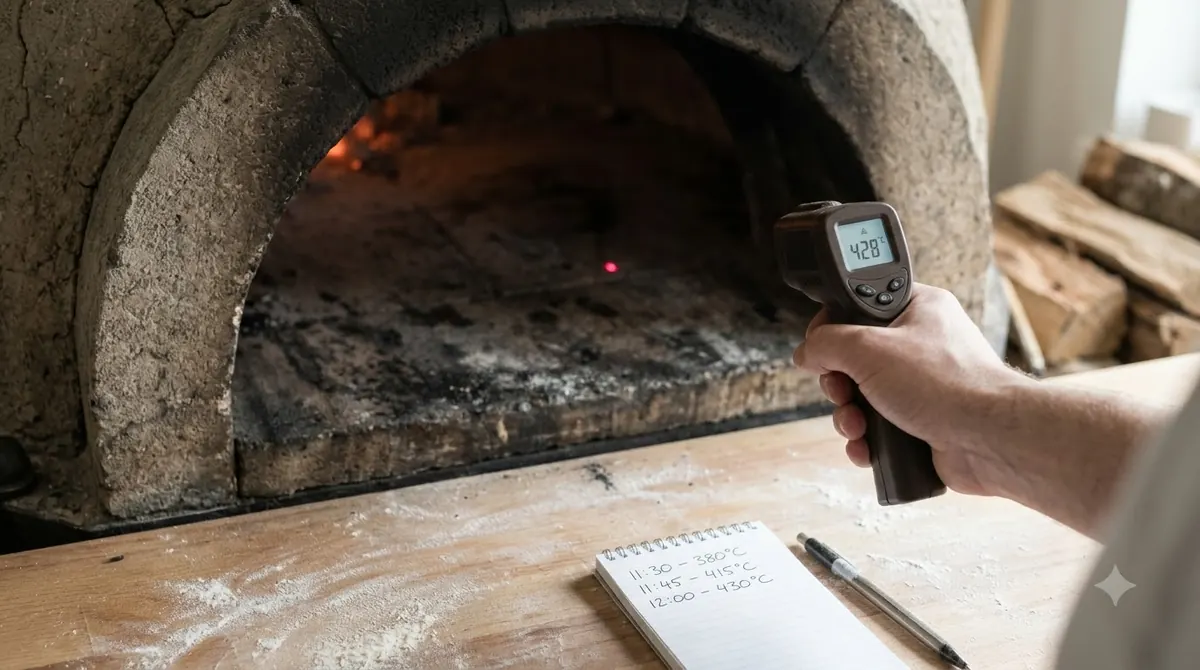
The fuel matters as much as the dough in Solo Stove Pi recipes. The Pi takes kiln-dried hardwood only. Wet, unseasoned or low-density softwoods do not give a hot, low-smoke flame. Cut the wood into uniform small pieces and refuel with consistent timing.
- Light the fire with a natural, food-safe paraffin-based starter.
- Add small, uniform pieces of kiln-dried hardwood as the fire grows.
- Wait until the stone reaches at least 650°F on the infrared thermometer.
- The ash pan collects spent ashes so you can bake for as long as 3 hours, according to the maker.
Interior air and surface temperatures can reach 250°C to 500°C, so keep hands and face away from the openings. Use heat-resistant gloves and the detachable handles whenever you move the door or lift the stone.
Official Topping Combinations for the Pi
The maker names twelve pizzas as starting points for Solo Stove Pi recipes, from a fig and honey pie to a pig-heavy red sauce pie. Each one uses a single base, so you can switch the dough without changing the plan. Use these as inspiration, then adjust the toppings to taste.
| Pizza | Base | Toppings |
|---|---|---|
| Plato | Olive oil | Sliced brie, basil, figs and honey |
| Pizza Keen | Olive oil | Mozzarella, banana peppers, garlic, roasted red peppers, spinach, basil and artichoke hearts |
| Two Pigs | Red sauce | Mozzarella, pepperoni and Italian sausage |
| C.O. | Red sauce | Mozzarella, Italian sausage, pineapple and black olives |
| The Fig and The Pig | Olive oil and balsamic glaze | Mozzarella, goat cheese, sliced figs, prosciutto, basil, arugula and Parmigiano Reggiano |
| Eugene | Red sauce | Mozzarella, pepperoni, bacon, pepperoncini and garlic |
| Barnyard | Alfredo | Mozzarella, goat cheese, spinach, bacon and onions |
| Double Time | Red sauce | Double mozzarella, sliced tomatoes, bacon and sliced mushrooms |
| Spuds Up | Ranch, used lightly | Mozzarella, Jack cheese, thin potato slices, bacon, green onions and rosemary |
| Spring Street | Alfredo | Mozzarella, grilled chicken, spinach and bacon |
| Sam’s | Red sauce | Mozzarella, pineapple and ham |
| The Goon Dock | White truffle oil | Mozzarella, dollops of ricotta and green onion |
For most Solo Stove Pi recipes, the maker suggests keeping toppings light and launching quickly. Wet toppings can soak through holes in the dough and slow the crisping of the bottom.
How Long the Pi Takes to Bake Each Pizza
Most Solo Stove Pi recipes take about 2 minutes per pizza at 650°F, according to the maker. A classic wood-fired Neapolitan pizza usually bakes in 60 to 90 seconds at 485°C (905°F), according to the Neapolitan pizza entry on Wikipedia.
- Dust the peel with flour, cornmeal or semolina before you place the stretched dough on it.
- Add sauce and toppings quickly, because raw dough that sits on the peel is more likely to stick.
- Slide the pizza onto the stone and close the rear door to keep the heat moving around the dome.
- Bake for about 2 minutes, then check the crust color and rotate if one side browns faster.
- Repeat with the next pizza after the stone recovers its heat.
Fixing Common Dough Problems in the Pi
Most dough problems in Solo Stove Pi recipes have a simple fix that the maker lists in its troubleshooting section. Torn, sticky and stuck dough respond well to small changes in flour and handling. A pale bottom can mean the stone is not hot enough yet.
- Dough tears when stretched: switch to bread flour, rest the dough a little longer and stretch from the middle outward.
- Dough is too sticky: knead in one tablespoon of flour at a time until it passes the windowpane test.
- Dough sticks to the peel: add flour, cornmeal or semolina, and launch quickly.
- Crust stays pale on the bottom: let the stone reach at least 650°F and launch thin, room-temperature dough.
Safety Rules Before You Cook Solo Stove Pi Recipes
The Pi is for outdoor use only and produces carbon monoxide, so never run it inside a garage, tent, vehicle or covered patio. The maker sets clear limits on fuel and placement that apply to all Solo Stove Pi recipes.
- Use only kiln-dried hardwood. Do not use wood pellets, other fuels or fuels with additives.
- Keep the oven at least 10 feet from combustible materials (see Solo Stove Pi dimensions to plan the space).
- Store flammable liquids and gas tanks at least 25 feet away.
- Do not burn wood and use the gas burner at the same time.
- Place ashes in a metal container with a sealed lid, away from combustibles, and never in plastic bags.
Check your local outdoor fire rules and any burn ban notices before you light the oven. The maker’s full instruction manual covers each step in more detail, and our Solo Stove Pi instructions guide summarizes the setup.
Frequently Asked Questions
Can I use wood pellets in the Solo Stove Pi?
No. The maker says to use only kiln-dried hardwood and explicitly warns against wood pellets. Stick with small, uniform hardwood pieces for every Solo Stove Pi recipe to keep smoke low and heat steady.
How long should I preheat the Pi before baking?
Preheat until the stone reaches at least 650°F before starting any Solo Stove Pi recipes. Check the surface with an infrared thermometer rather than guessing from the flame. A stone that is too cool gives a pale, soft bottom crust even when the top looks right.
Do I need a rolling pin for Neapolitan dough?
The maker advises against it. Stretch the Neapolitan dough by hand from the center outward, because a rolling pin can squeeze out the airy texture that the long rest creates.
Can I use store-bought dough in the Pi?
Yes. Solo Stove Pi recipes can start from store-bought dough, and the maker says its New York formula suits either option. Shape it on a dusted peel and keep the toppings light for a fast bake.
How many pizzas do Solo Stove Pi recipes make per batch?
The New York dough makes 6 pizzas from six 200 g balls, and the Neapolitan dough makes 7 to 8 pizzas from balls of 210 to 225 g. Plan your batch size around how many people you are feeding.
Among Solo Stove Pi recipes, start with the New York dough if you want a crisp, familiar slice on a short timeline, and try the Neapolitan dough when you can plan a day ahead. Once the stone is at 650°F, most Solo Stove Pi recipes bake in about 2 minutes per pizza, so keep the fuel clean and the toppings light.
 8 min readBy Use & ModelSolo Stove Pi Pizza Dough Recipe: Two Official FormulasUpdated Nov 10, 2026
 8 min readBy Use & ModelSolo Stove Pi Prime Recipes: Easy Guide for 2026Updated Nov 8, 2026
 8 min readBy Use & ModelOoni Koda 16 Recipes: 6 Easy Official Ideas to TryUpdated Nov 6, 2026
 8 min readBy Use & ModelSolo Stove Pi Dimensions: Size, Weight and Cooking SurfaceUpdated Nov 8, 2026
 8 min readBy Use & ModelSolo Stove Pi Prime Manual: Setup, Safety and Care GuideUpdated Nov 8, 2026
 8 min readBy Use & ModelSolo Stove Pi Temperature: How Hot It Gets and How to Read ItUpdated Nov 8, 2026