
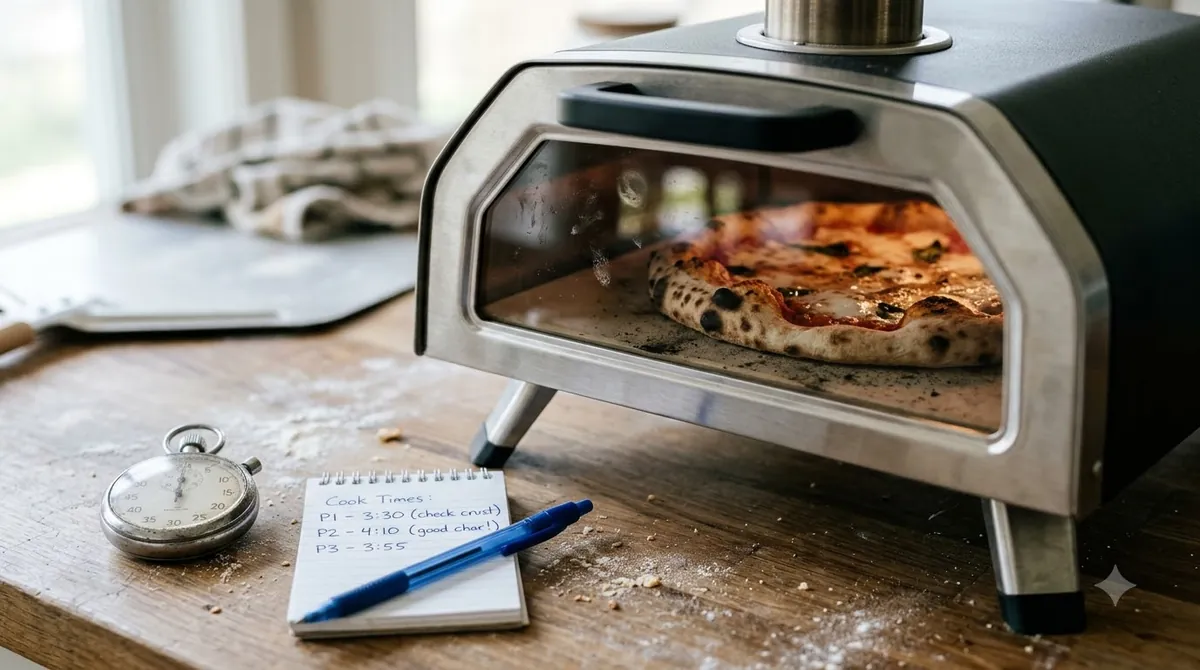

Solo Stove Pi Prime recipes start with a propane-only preheat of about 15 minutes and pizzas that finish in a few minutes, but no named dough formula could be verified. This guide covers the facts confirmed from published reviews, plus a checklist of what to confirm in the manual and recipe book before you bake.
What You Need Before Solo Stove Pi Prime Recipes
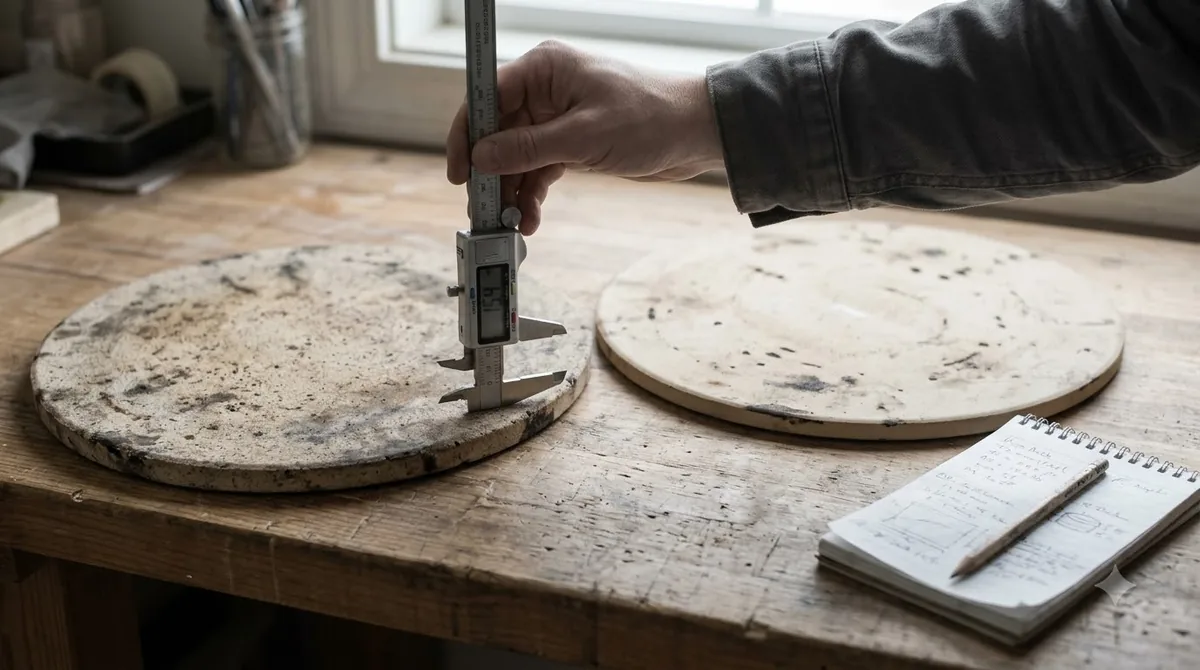
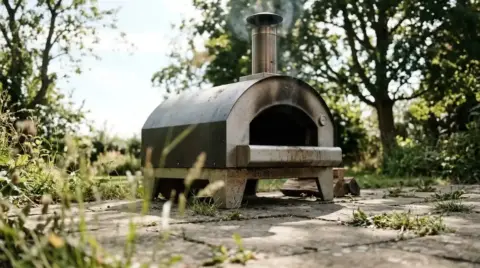
The Pi Prime runs on propane, stands about 15.5 inches (39.4 cm) tall with a 20.5-inch (52.1 cm) diameter, and weighs about 30 pounds (13.6 kg); the Solo Stove Pi Prime dimensions cover fit details. Its body is 304 stainless steel. The reviewed kit includes a match holder, a weatherproof cover, two pizza stones, a manual and a recipe book.
Two details matter before you plan a cook. First, the review at Active Gear Review notes that a peel is best bought separately. Second, Reviewed.com reports that no stand is included. Plan a stable, heat-safe surface, and check the clearances in the Solo Stove Pi Prime manual before you place it.
Preheating Before the First Pizza
Before any of the Solo Stove Pi Prime recipes, expect about 15 minutes of preheating. For the original oven, compare Solo Stove Pi temperature settings. Reviewed.com measured a cooking surface that reached over 900°F in just 15 minutes. Active Gear Review reports about 15 minutes to reach a recommended 750 degrees, but that article does not state the unit, so treat 750 as unverified until the manual confirms it.
Cooling is slower than heating. Reviewed.com found the surface took about 20 minutes to drop from 900°F to 550°F, even with the dial on its lowest setting. That means a hot oven stays useful for a batch of Solo Stove Pi Prime recipes, but it also means you cannot cool it quickly between sessions.
Because the dial and the displayed heat do not tell you the stone or surface temperature directly, Reviewed.com recommends an infrared temperature gun. Aim it at the stone or cooking surface, not the dome, and wait a few seconds for a stable reading before you load the first pizza. This is a general cooking practice rather than a Solo Stove specification, so compare your readings with the manual’s guidance.
Neapolitan and New York-Style Pizza
Solo Stove Pi Prime recipes in the reviews cover Neapolitan and New York-style pizza. Reviewed.com tested New York-style pizza, and its benchmark is 550°F for three to five minutes, and the reviewer’s pizza finished in about three to four minutes but needed more turning than it should have.
In Active Gear Review’s tests of Solo Stove Pi Prime recipes, pizzas were ready “within a few minutes,” with each pizza turned every 10 to 20 seconds. The manufacturer’s claim of cooking pizzas in “as little as 90 seconds” is marketing language, and the review timings are longer.
The reviewed sources do not give a bake time or temperature for Neapolitan pizza among the Solo Stove Pi Prime recipes. For context only, Wikipedia’s Neapolitan pizza article describes a classic wood-fired oven at 485°C (905°F) for 60 to 90 seconds. That is a different appliance, so do not use it as a Pi Prime setting. Use the Pi Prime manual or recipe book for Neapolitan timing.
- Preheat until your surface reading is stable and within the manual’s range.
- Dust the peel or spatula so the dough slides cleanly.
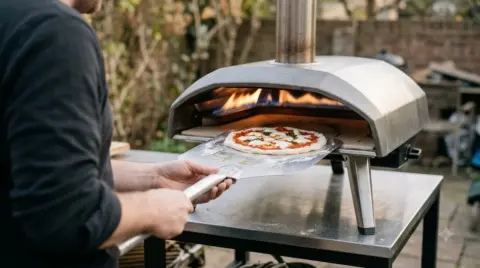
- Slide the pizza onto the stone and turn it early and often, roughly every 10 to 20 seconds.
- Pull the pizza when the crust is set and browned, and check the bottom before you serve.
Solo Stove Pi Prime Recipes: Dough and Toppings Tested
No verified dough formula for Solo Stove Pi Prime recipes was found in the sources that could be read, so this guide does not list flour, water, salt or yeast amounts for the Prime.
The reviewed tests used simple toppings. Active Gear Review made a pepperoni pizza and a BBQ chicken pizza, and a cauliflower-crust pizza was also tried. The article does not give the dough recipe, the topping quantities or the bake settings for those pizzas.
Solo Stove’s Pizza Oven Starter Guide contains dough formulas, but it is written for the original Solo Stove Pi (see the Solo Stove Pi instructions). The Pi Prime is a propane-only model, so do not assume the Pi’s dough weights or stone temperature apply to the Prime without checking the Prime’s own documentation.
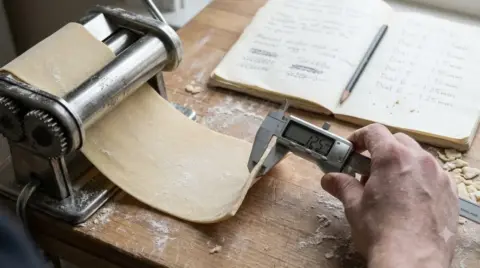
If you use any dough formula, weigh the flour, water and salt on a digital scale instead of using cups. Weight gives repeatable results, and a formula written for another oven still needs a test bake on the Prime before you serve it to guests. If you want a starting point, the Solo Stove Pi pizza dough recipe is written for the original oven, so test it first.
Transferring and Turning the Pizza
Most beginners lose a pizza at the transfer step, so practice it before you try Solo Stove Pi Prime recipes with heavy toppings. Active Gear Review suggests buying a peel separately, and a thin-edged wooden or metal peel lets you slide the dough onto the stone in one motion.
Keep the peel lightly dusted with flour or semolina so the dough does not stick. Work quickly: the stone is hot, and a pizza that sits on the peel too long can droop before it reaches the stone. Once the pizza is on the stone, turn it in short intervals so the crust cooks evenly, since Reviewed.com found that the New York-style pizza needed more turning than the test benchmark expected.
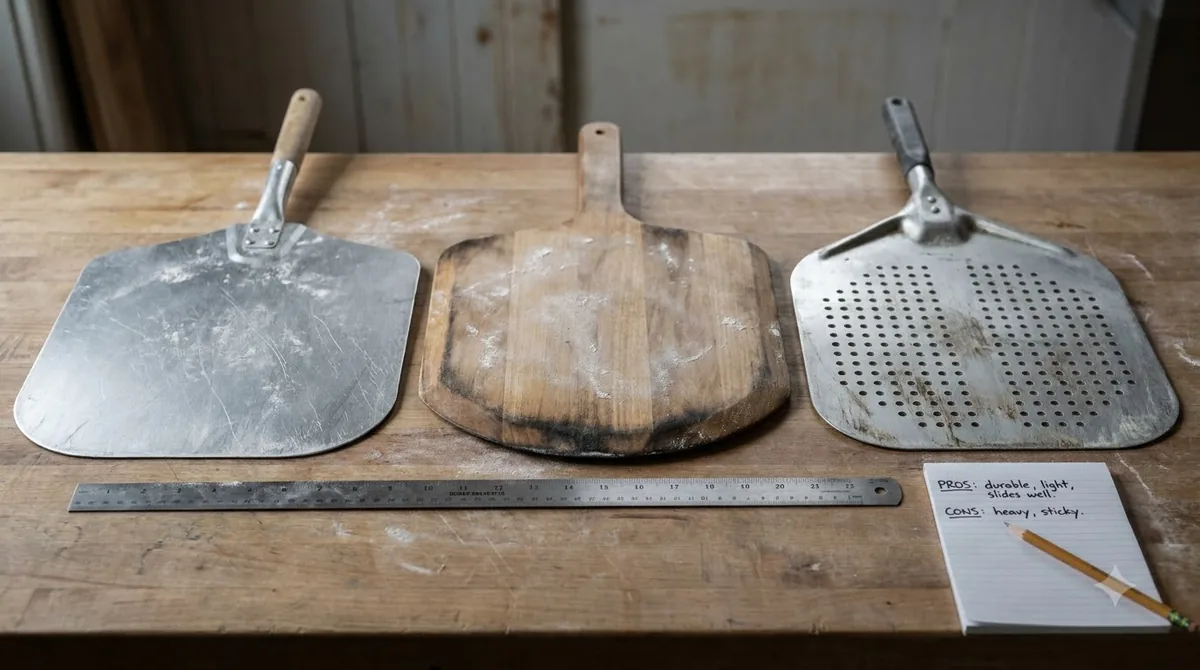
Use heat-safe tongs or a long-handled tool to lift the finished pizza off the stone, and keep your hands away from the opening during turns.
Propane-Only Safety and Fuel
All Solo Stove Pi Prime recipes assume propane, because the reviewed Pi Prime runs on propane, as described in the Active Gear Review article. The original Pi’s starter guide is written for a different model, so its rules do not describe the Pi Prime. Do not burn wood or other fuels in the Prime unless the Prime’s own manual says they are allowed.
Check the manual for gas connection steps, clearance from combustible materials, and what to do if the burner does not light. Do not improvise a gas fitting or fuel substitution. If the manual is unclear, contact Solo Stove support before you cook.
What This Guide Cannot Confirm Yet and How to Check It
Before you try Solo Stove Pi Prime recipes, note that the following points were not confirmed from a readable source, so do not treat them as settled. Check each one in your Pi Prime manual or recipe book before you rely on it.
- The unit for the 750 preheat target. Confirm whether it is °F or °C in the manual.
- The names and contents of the recipes in the recipe book.
- Dough weights, flour type and fermentation time for the Prime.
- Bake times for each pizza style, especially Neapolitan.
- The first-use burn-in time. Confirm it in the manual before the first cook.
The fastest check is to compare the manual’s preheat and stone guidance with an infrared reading. Then run a small test pizza before you cook for a group. Keep a short log of preheat time, surface reading, bake time and any turning problems so you can repeat the batch that worked.
Frequently Asked Questions
What fuel does the Solo Stove Pi Prime use?
The Pi Prime uses propane, according to the Active Gear Review article. Treat it as propane-only unless the manual says otherwise.
How long does the Pi Prime take to preheat?
Reviewed.com measured a surface above 900°F in about 15 minutes. Active Gear Review reports about 15 minutes to reach 750 degrees, with the unit not stated.
Are there official Solo Stove Pi Prime recipes?
The readable reviews do not name any of the Solo Stove Pi Prime recipes, so the verified list is empty. The Pi Prime comes with a recipe book, and that book is the place to look for official formulas and timings.
Do Solo Stove Pi Prime recipes come in a recipe book?
Yes, the reviewed kit includes a recipe book. The reviews do not name any recipe inside it, so check the book itself for the list.
How much does the Pi Prime weigh?
The reviewed Pi Prime weighs about 30 pounds (13.6 kg), and it measures 15.5 inches (39.4 cm) tall with a 20.5-inch (52.1 cm) diameter.
Solo Stove Pi Prime recipes are still thin in published sources, although the Pi Prime is a capable propane oven. Use the reviewed preheat and pizza timings as a starting point, measure your dough by weight, and confirm the unit, recipes and first-use steps in the manual before you bake for guests.
 8 min readBy Use & ModelSolo Stove Pi Prime Manual: Setup, Safety and Care GuideUpdated Nov 8, 2026
 8 min readBy Use & ModelSolo Stove Pi Prime Dimensions: Size, Weight and Panoramic OpeningUpdated Nov 8, 2026
 6 min readBy Use & ModelSolo Stove Pi Prime Accessories: What Each One Is ForUpdated Nov 15, 2026
 8 min readBy Use & ModelSolo Stove Pi Recipes: Official Doughs and Topping IdeasUpdated Nov 8, 2026
 8 min readBy Use & ModelSolo Stove Pi Pizza Dough Recipe: Two Official FormulasUpdated Nov 10, 2026
 8 min readBy Use & ModelSolo Stove Pi Temperature: How Hot It Gets and How to Read ItUpdated Nov 8, 2026