
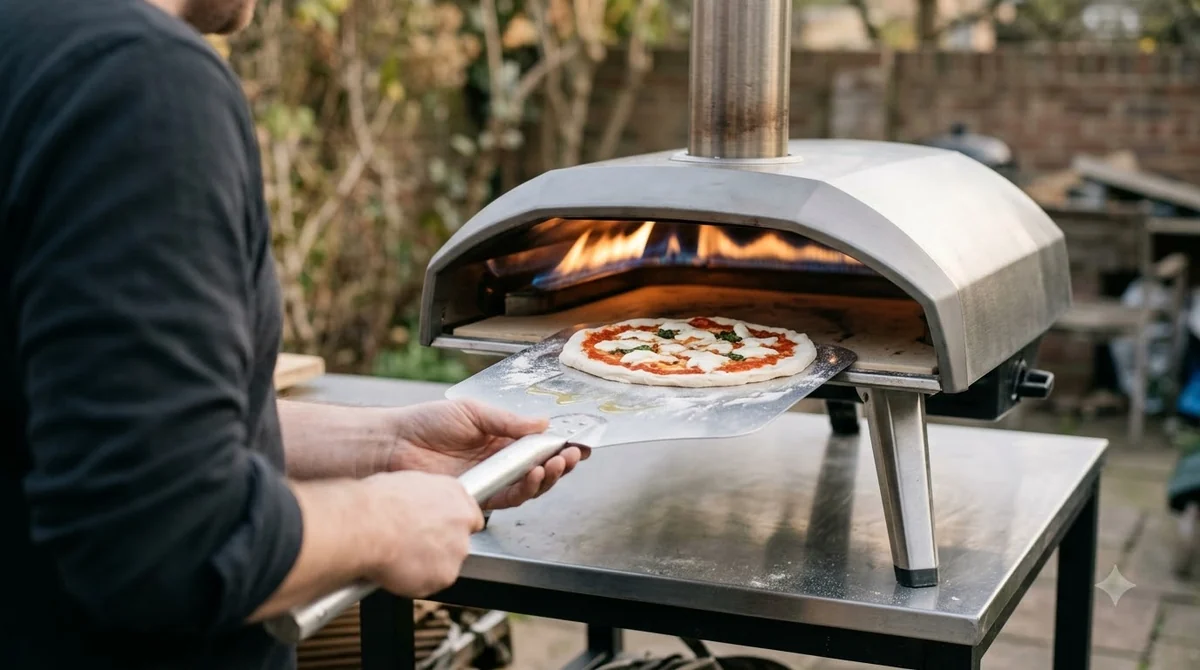

The solo stove pi pizza dough recipe in Solo Stove’s starter guide comes in two versions: New York style and Neapolitan. Both are baked on the Pi stone held at 650°F, as the guide specifies.
Choose the New York dough for same-day pizza and the Neapolitan dough when you can plan a day ahead. Both formulas list weights in grams, which is more precise than cups.
The Solo Stove Pi burns wood or gas at very high heat, so the manufacturer’s safety warnings come before any recipe. Check local outdoor fire rules and burn bans before you light it, and read the Solo Stove Pi instructions.
Solo Stove Pi Pizza Dough Recipe: New York Style
The New York formula uses 720 g of flour, 430 g of warm water and 20 g of instant yeast, and makes six 200 g pizzas. If you need to buy a pack, see our guide to the best instant yeast for pizza dough.
The guide adds sugar and olive oil, which it credits for the golden-brown crust of a New York slice. Its Solo Stove Pi starter guide gives these ingredients for one batch:
- 720 g (4 1/2 cups) all-purpose flour
- 14 g (1 tablespoon) sugar
- 9 g (1 teaspoon) salt
- 20 g (2 tablespoons) instant yeast
- 26 g (2 tablespoons) olive oil
- 430 g (2 cups) warm water
Mix the dry ingredients first, then add the water and oil slowly. Once there are no dry spots, knead on a floured surface until the dough is smooth and passes the windowpane test. This solo stove pi pizza dough recipe is the quicker of the two, so it suits a weeknight bake.
- Cover the dough and rest it for 30 minutes or until it has doubled in size.
- Divide the dough into six 200 g balls. Use them right away or refrigerate them in airtight containers.
- Stretch each ball by hand from the center outward, pushing air bubbles toward the edge, as in how to stretch pizza dough.
- If you prefer a rolling pin, roll back and forth, then turn the dough 90 degrees between passes.
- Transfer the stretched dough to a floured peel before you add sauce and toppings.
Cover the 200 g balls while you work through the batch so they do not dry out. The guide does not give a refrigerator storage time, so use the balls soon after dividing.
Neapolitan Version of the Pi Pizza Dough Recipe
The Neapolitan formula uses 1000 g of 00 flour and only 0.5 g of instant yeast, then rests for 24 hours before stretching.
If you want the Neapolitan version of this solo stove pi pizza dough recipe, plan the timing from the start, because the dough needs more than a full day before it is ready. Neapolitan dough has no oil or sugar, so its flavor comes mostly from the long rest; for a general version, see this Neapolitan pizza dough recipe. For context, the Wikipedia article on Neapolitan pizza lists a wood-fired oven at 485 °C (905 °F), far hotter than the 650°F Pi stone.
- Stir the salt, 25 to 30 g, into 600 ml of room-temperature water until it dissolves.
- Add the 00 flour in small amounts to make a thin batter, then mix in 1 teaspoon (0.5 g) of instant yeast.
- Keep adding flour until a dough forms, then knead on the counter until it is uniform.
- Cover the bowl and let the dough rest for 2 hours.
- Divide into 210 to 225 g balls, put each in its own airtight container, and rest them at 65°F for 24 hours.
- Stretch by hand only. The guide warns that a rolling pin can make Neapolitan dough lose its airy texture.
New York vs Neapolitan Dough Compared
Both versions of this solo stove pi pizza dough recipe come from the same starter guide, so the choice is mainly about your schedule. The two formulas differ in flour, yeast and rest time. New York dough is ready in about 30 minutes, while Neapolitan dough needs about 26 hours of total rest.
| Criterion | New York style | Neapolitan |
|---|---|---|
| Flour | 720 g all-purpose flour | 1000 g 00 flour |
| Water | 430 g warm water | 600 ml room-temperature water |
| Yeast | 20 g instant yeast | 1 tsp (0.5 g) instant yeast |
| Oil and sugar | 26 g olive oil, 14 g sugar | None listed |
| Rest | 30 minutes or until doubled | 2 hours, then 24 hours at 65°F after dividing |
| Yield | Six 200 g balls | 7 to 8 balls of 210 to 225 g |
For this solo stove pi pizza dough recipe, pick the New York dough if you want pizza within an hour. Pick the Neapolitan dough if you can wait a day and want the traditional Neapolitan crust.
Pi Stone and Dome Heat for Pizza Dough
The Pi uses two reversible cordierite stone halves that sit together for full coverage of the cooking surface. The stone is the part of the Pi that shapes every solo stove pi pizza dough recipe result, because it sets the base of the crust.
According to the starter guide, the Demi-Dome construction spreads heat evenly across the stone, so the pizza cooks from the base as well as the top. The stone halves are reversible, which the guide notes as a way to get even wear over time. Those features matter for dough, since the bottom crust depends on how well the stone holds heat.
During a long session, the ash pan holds spent ashes so you can keep baking for up to 3 hours without emptying it, which matters when you are cooking several pizzas in one session. Let the ash pan area cool completely before you remove it.
Preheating the Pi and Baking Each Pizza
The starter guide says the stone reaches 650°F to 800°F in about 15 minutes with the gas burner at full power. Once it is hot, lower the power to hold 650°F (see Solo Stove Pi temperature). Preheating is the step that most affects this solo stove pi pizza dough recipe, because the guide ties a crisp bottom crust to a stone at 650°F.
Dust the peel with flour, cornmeal or semolina before you place the stretched dough on it. After each pizza, the guide says the stone needs a reheating period to return to 650°F before the next launch. A pizza bakes in about 2 minutes, and a 180 degree turn partway through gives an evenly fired crust.
Fixing Common Pi Pizza Dough Problems
Most dough problems come from dough that is too wet or too dry, and the fixes are small flour adjustments. Each fix below comes from the guide’s troubleshooting section, and it applies to either dough.
- Dough tears when stretching: the guide suggests a flour with higher gluten content, such as bread flour, or rolling the dough flat.
- Dough is too sticky: it may be too wet, so knead in a tablespoon of flour at a time until it passes the windowpane test.
- Dough sticks to the peel: add flour, cornmeal or semolina to the peel before you place the dough on it.
- Crust does not brown on the bottom: make sure the stone has reached 650°F, and launch thin, room-temperature dough.
Safety Rules Before You Light the Pi
Fire and hot ash are the main hazards, so read these rules before you mix any solo stove pi pizza dough recipe. The Pi is for outdoor use only, it must stay at least 10 feet from combustible materials, and it burns only kiln-dried hardwood.
- Do not burn wood pellets, other fuels or fuels with additives.
- Light with natural, food-safe paraffin-based fire starters only, not chemicals or accelerants.
- Place cooled ashes in a metal container with a sealed lid, at least 25 feet from combustible materials.
- Never leave the oven unattended while it is in use.
Frequently Asked Questions
Can I use store-bought dough in the Solo Stove Pi?
Yes, for this solo stove pi pizza dough recipe the starter guide says its New York style method works whether you use store-bought or homemade dough. Its troubleshooting notes add that thin, room-temperature dough gives the crispest crust.
What flour should I use with this solo stove pi pizza dough recipe?
The starter guide uses all-purpose flour for the New York dough and 00 flour for the Neapolitan dough. For a sturdier dough that tears less, the troubleshooting section suggests bread flour, which has higher gluten content.
How long does the Pi take to heat up?
The starter guide says the stone reaches 650°F to 800°F in about 15 minutes with the gas burner at full power. Reduce the power after that, and let the stone return to 650°F between pizzas.
How long does one pizza take to bake?
The guide puts the bake time at about 2 minutes per pizza, depending on how thick the dough is. Turn the pizza 180 degrees partway through so it fires evenly.
Can I use a rolling pin on Neapolitan dough?
The guide advises against it. A rolling pin can make Neapolitan dough lose its airy texture, so stretch it by hand from the center outward instead.
Can I burn wood pellets in the Pi?
No. The safety warnings say not to use wood pellets, and to burn only kiln-dried hardwood with no additives.
Start with the New York dough from this solo stove pi pizza dough recipe for your first few bakes because it fits a same-day schedule. Once the stone and peel routine feels natural, try the Neapolitan dough for a longer-fermented crust. Follow the Pi’s safety warnings every time you light it, browse more bakes in the Solo Stove Pi recipes, and treat each bake as a fire-safety task first.
 8 min readBy Use & ModelSolo Stove Pi Recipes: Official Doughs and Topping IdeasUpdated Nov 8, 2026
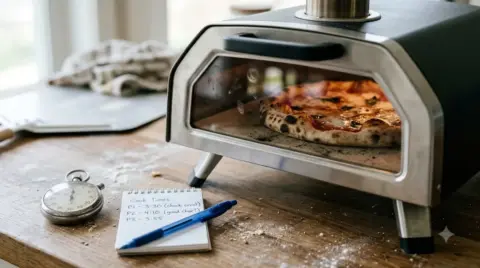 8 min readBy Use & ModelSolo Stove Pi Prime Recipes: Easy Guide for 2026Updated Nov 8, 2026
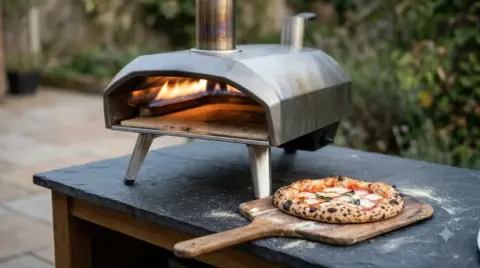 8 min readBy Use & ModelSolo Stove Pi Dimensions: Size, Weight and Cooking SurfaceUpdated Nov 8, 2026
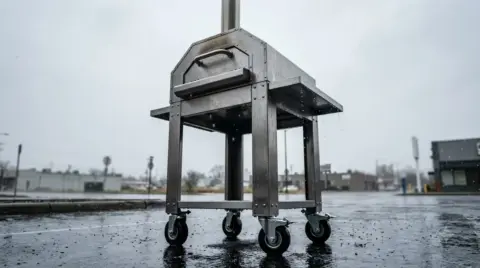 8 min readBy Use & ModelSolo Stove Pi Prime Manual: Setup, Safety and Care GuideUpdated Nov 8, 2026
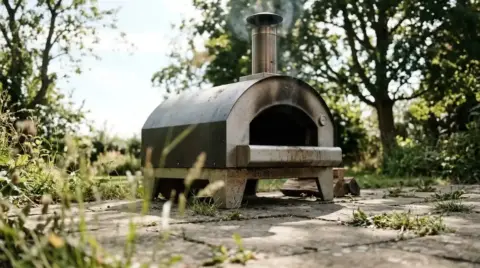 8 min readBy Use & ModelSolo Stove Pi Temperature: How Hot It Gets and How to Read ItUpdated Nov 8, 2026
 8 min readBy Use & ModelSolo Stove Pi Prime Dimensions: Size, Weight and Panoramic OpeningUpdated Nov 8, 2026