
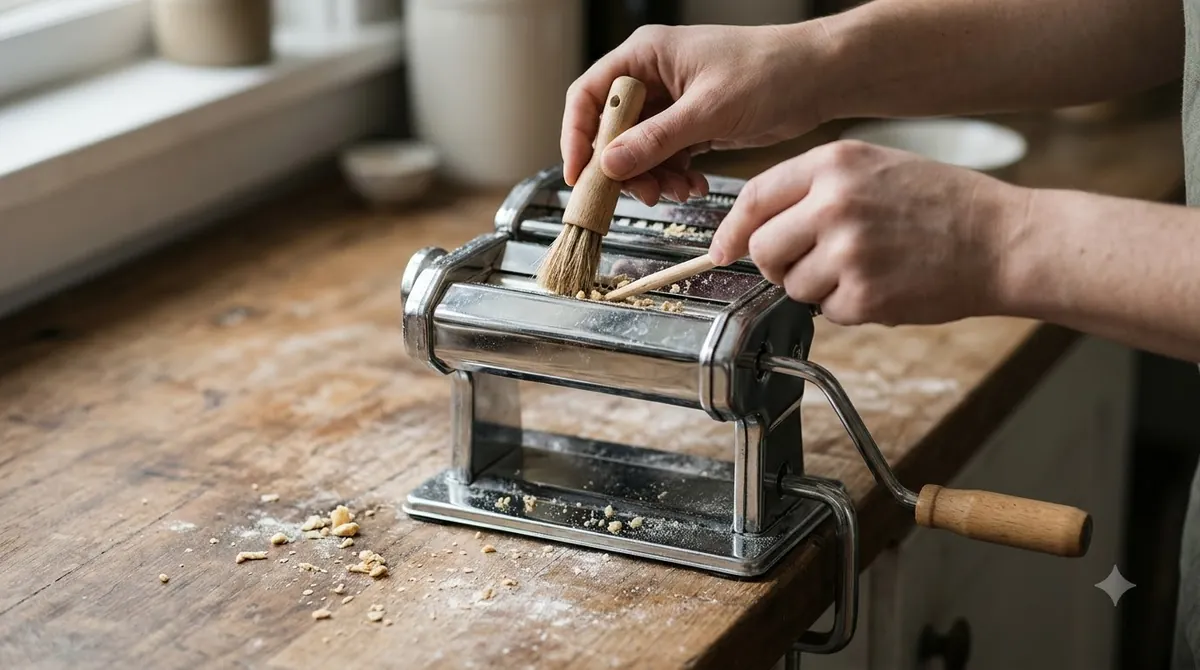

A stainless steel pasta maker is a machine whose rollers, cutting parts or housing are made from stainless steel, an alloy that resists rust better than plain steel. Stainless steel mainly helps with rust resistance and easier upkeep, but it does not make a pasta maker automatically better. Check which parts are stainless, because some machines use chrome-plated steel for other components.
The word “stainless” on a pasta maker is easy to misread, so it helps to know what the metal does, which parts are usually made from it, and how to care for it so the machine lasts.
What Does Stainless Steel Mean in a Stainless Steel Pasta Maker?
Stainless steel is steel with enough chromium to form a thin protective film on its surface, which is why it resists rust better than ordinary steel.
The Wikipedia entry on stainless steel notes that the metal contains at least 10.5 percent chromium, and that this chromium forms a passive film that protects the metal and can repair itself when oxygen is present. That film is the reason stainless resists rust, but it does not make the metal immune to water left sitting on it.
Which Parts of a Pasta Maker Are Usually Stainless Steel?
Rollers are the part most often described as stainless, while the outer housing and other parts can use different finishes. Materials are only one factor, and a pasta maker buying checklist helps you weigh the rest.
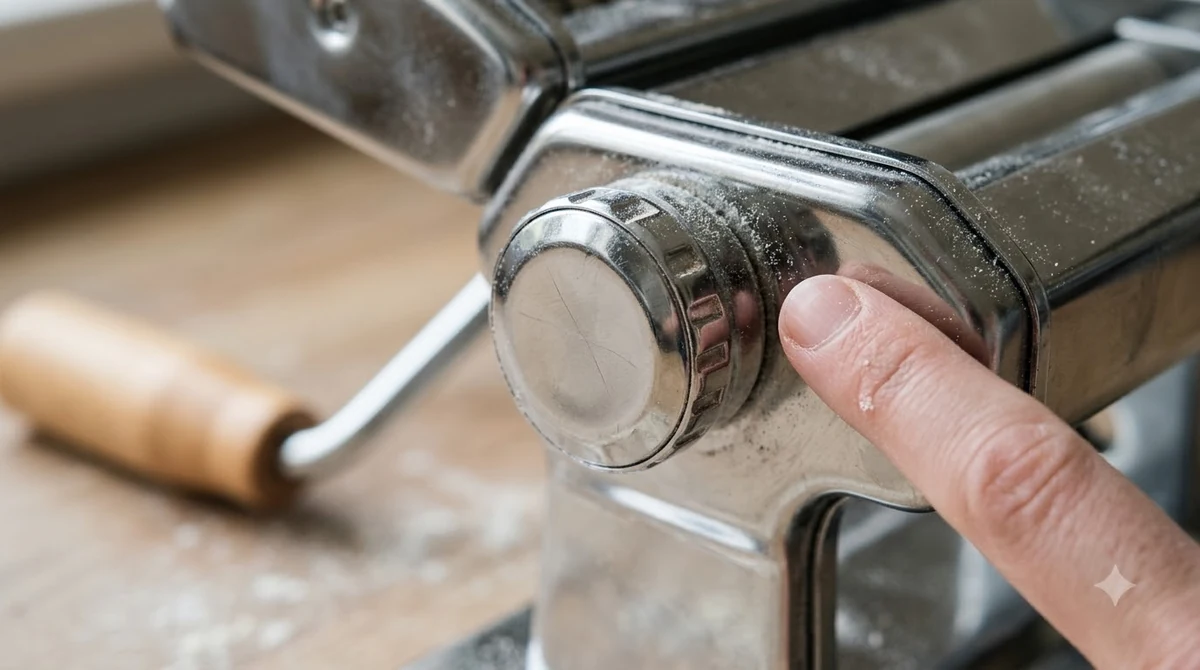
The La Academie guide to cleaning a pasta machine says most brands have moved to stainless steel for their rollers, and it describes stainless as durable. It also mentions that the exterior of many models is chrome-plated. That means one machine can have stainless rollers and a chrome-plated body at the same time.
Tasting Table takes a different view. Its article on keeping a pasta machine clean says pasta makers are made of chrome-plated steel rather than stainless, and warns that the machine is not built to be scrubbed with suds and steel wool. The two sources disagree, so do not rely on the word “stainless” in a title. Look at the spec sheet or manual for each part.
| Part | Common material claim | What to confirm on the spec sheet |
|---|---|---|
| Pasta rollers | Often described as stainless steel | Whether the rollers are stainless or chrome-plated |
| Outer housing | Often chrome-plated, per the La Academie guide | The finish and whether it is plated or solid metal |
| Cutting attachments | Not covered by the sources read for this guide | Material and whether they are dishwasher-safe |
Use the table as a checklist when you compare models, and keep the manual for the final answer on each part.
Also consider how easily the machine comes apart. Tasting Table notes that dough collects in the gears, nooks and crannies, so a model you can take apart is easier to keep clean than one that cannot be opened. That matters more for rust prevention than the metal name on the box.
Does Stainless Steel Rust on a Pasta Maker?
Stainless steel resists rust, but it can still rust if water stays on it, so dry every part fully after cleaning. For a well-known hand-crank example, read our Imperia pasta machine overview. If you are buying for someone else, our pasta-making gift set ideas turns the machine into a complete present.
The La Academie guide says stainless steel manual machines “can easily get rust,” and it advises letting parts dry fully because wet metal can rust and wetness can promote bacteria. For light rust, the same guide suggests lubricating the rollers with mineral oil, running scrap dough through the machine, and then using a mix of white vinegar and rubbing alcohol. If rust remains, it recommends replacing the affected parts.
How Should You Clean a Stainless Steel Pasta Maker?
Clean dough off the machine soon after use, and avoid soaking or putting the whole body in water. If you already own a stand mixer, the KitchenAid pasta roller attachment is another route. For a stand-mixer route, see the KSMPRA roller and cutter set.
Tasting Table advises cleaning after every use, and waiting about 15 minutes so the dough dries without hardening in the gears. It also says not to submerge the machine and to avoid soap, which can trap moisture in the mechanism. The La Academie guide adds that stainless steel parts should not go in the dishwasher, and that rollers can be rinsed as long as they are fully dried before they go back in the machine.
- Let dough dry slightly, then brush off loose bits with a soft brush.
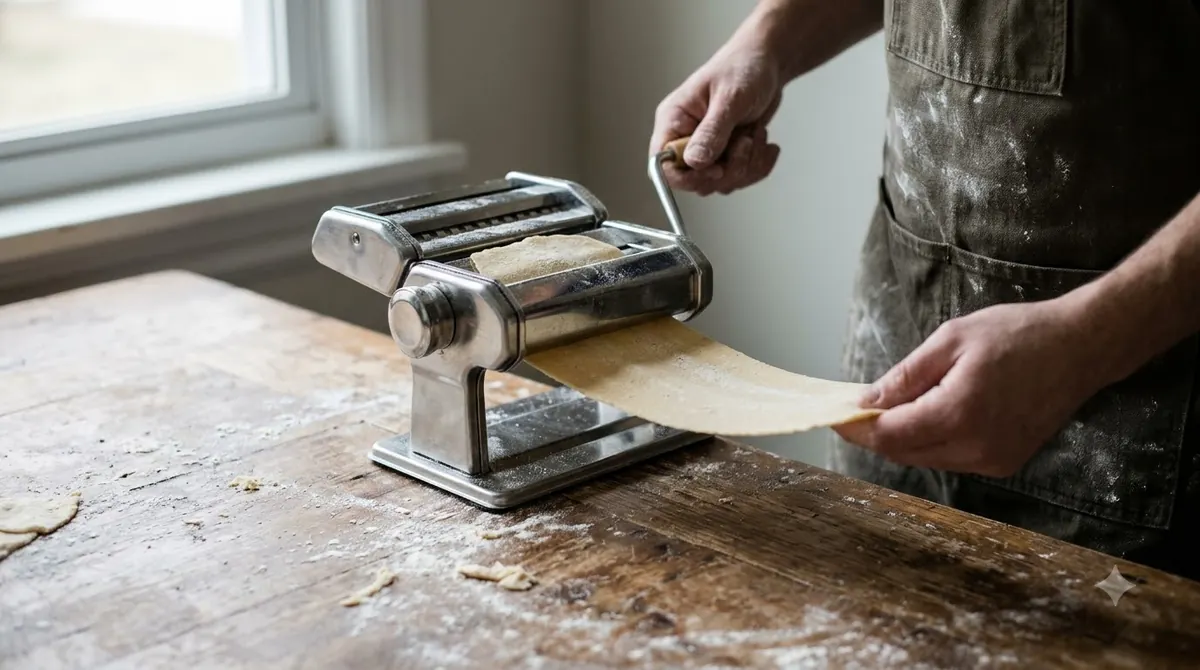
- Run scrap dough or polymer clay through the rollers to pick up residue.
- Wipe the parts with a damp cloth, never a dripping one.
- Dry every part by hand or let it air dry for a couple of hours before storage.
Stainless Steel vs Other Finishes on a Pasta Maker
Stainless steel is usually chosen for rust resistance, while chrome-plated finishes are often praised for a smooth surface. Many classic designs come from Italy, and our roundup of Italian-made pasta machines covers them.
Because the sources read for this guide do not compare the two finishes in detail, the safest approach is to compare the specific parts on each model. A stainless roller and a chrome-plated housing can both be found on one machine, and the care steps above apply to the metal in each part.
Frequently Asked Questions
Is a stainless steel pasta maker better than a chrome one?
Not always. Stainless steel is chosen for rust resistance, but the sources read for this guide do not show that one finish makes better pasta. Check the rollers and the care needs for the model you are considering.
Can I put my stainless steel pasta maker in the dishwasher?
The La Academie guide says stainless steel pieces should not be washed in the dishwasher, and Tasting Table warns against dishwashers and sinks. Use a damp cloth and dry each part fully.
Why is my stainless steel pasta maker rusting?
Rust usually appears where water sat on the metal or was not dried. Dry the parts after cleaning, and follow the manual’s advice before trying any rust removal method.
Should I use soap on the rollers?
Tasting Table advises avoiding soap because it can trap moisture in the gears. Dough scraps, a soft brush and a damp cloth are usually enough for routine cleaning.
A stainless steel pasta maker is easier to keep rust free, but only if you dry it fully and check which parts are actually stainless. Read the spec sheet for the rollers and housing, clean dough off soon after use, and keep the machine dry between sessions.
 5 min readBest PicksBest Spaghetti Maker: Roller, Cutter or Electric DiscUpdated Nov 13, 2026
 8 min readBest PicksBest Pasta Roller for Home Cooks in 2026Updated Nov 14, 2026
 8 min readBest PicksBest KitchenAid Pasta Roller Attachments for Home CooksUpdated Nov 14, 2026
 6 min readBest PicksPasta Maker Black Friday: How to Spot a Real Deal Before You BuyUpdated Nov 13, 2026
 6 min readBest PicksBest Rated Automatic Pasta Maker: How Ratings Really WorkUpdated Nov 13, 2026
 5 min readBest PicksTop 10 Pasta Makers: The Features That Matter MostUpdated Nov 13, 2026