
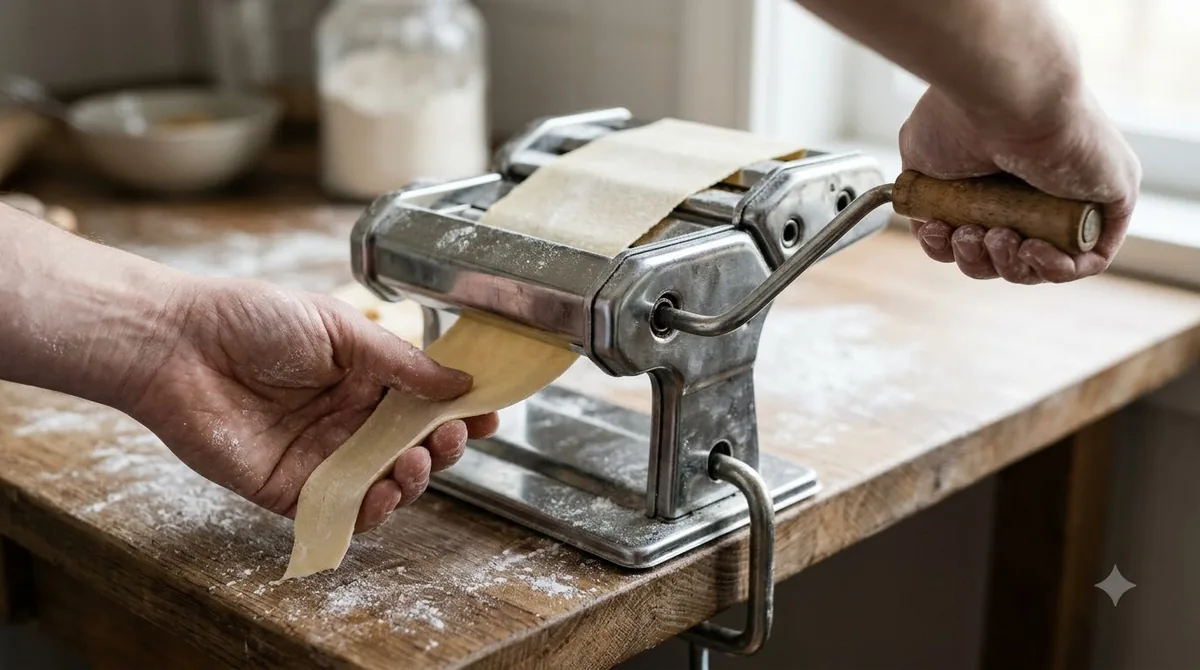

The best Italian pasta maker for home use is a sturdy hand-crank machine with steel rollers and a cutter. It flattens dough into sheets and cuts them into noodles. Pick the Italian pasta maker that fits the shapes you cook and how often you cook.
Attachments decide which shapes you can make, and motorized options change how much effort each batch takes. This guide compares machine types and lists what to check before you buy an Italian pasta maker. For more machines at different budgets, compare our best pasta machines.
| Machine type | Best for | Trade-off |
|---|---|---|
| Hand-crank clamp-on machine | Cooks who want direct control over thickness | You turn the crank for every pass |
| Motorized pasta machine | Frequent batches of dough | Takes counter space and needs a power outlet |
| Stand mixer attachment | Owners of a compatible mixer | Fit depends on your mixer model |
| Extruder for short shapes | Tubes and other short shapes | Limited to the dies you own |

MARCATO Atlas 150 Machine, Made in Italy, Red
Pros & ConsViewHide
Reasons to buy
- Made in Italy hand-crank pasta machine rolling dough in steps
- Includes a pasta cutter and hand crank
- Fits Marcato attachments and the optional motor
Reasons to avoid
- Only rolls and cuts the sheet; tortellini are still shaped by hand
- Takes more counter and storage space than a hand cutter
- Fixed to a countertop edge, so check clamp room

Imperia IPasta Classic Pasta Maker
Pros & ConsViewHide
Reasons to buy
- Made in Italy with chromed steel cutting rollers
- Makes 150 mm sheets, 6.5 mm fettuccine and 2 mm tagliolini
- Six roller thickness settings from 0.5 mm to 5 mm
- Clamp slot accepts a separate motor
Reasons to avoid
- Manual crank, so you turn it for every pass
- Only three cut widths in the box
- Motor is a separate purchase

KitchenAid KSMPRA 3-pc Pasta Roller/Cutter Set
Pros & ConsViewHide
Reasons to buy
- Roller and cutter attachments for KitchenAid stand mixers
- Rolls even sheets without hand cranking
- 88% of 9K Amazon ratings are 5-star
Reasons to avoid
- Needs a compatible KitchenAid stand mixer
- Rolls and cuts the dough, but does not fill or fold tortellini
- One of the costlier tools in this guide

MARCATO Made in Italy Regina Extruder Pasta
Pros & ConsViewHide
Reasons to buy
- Hand crank, so no power is needed
- Comes with 5 dies for bucatini, fusilli, maccheroni, maccheroncini and rigatoni
- Made and assembled in Italy
Reasons to avoid
- 3.6 average rating, the lowest in this group
- Not dishwasher safe: let residue dry and clean with a dry brush
- Needs a table edge to clamp onto
How these picks were chosen
These picks rest on one named-author guide and published manufacturer descriptions. They do not come from hands-on testing, and any figure the sources did not confirm is left out.
Each Italian pasta maker type in the table is described by what it does. A model name appears only when a source confirmed it, so you can check every claim against the page it came from.
The classic hand-crank choice: the Marcato Atlas 150
The Marcato Atlas 150 is a hand-crank machine made in Italy from chrome steel, priced at $75 to $100 as of October 24, 2026.
According to Saturdays in Rome’s pasta maker guide, the Atlas 150 is “the best pasta maker ever made.” The same article quotes Cook’s Illustrated calling Marcato “the Ferrari of the pasta machine world.” These are reviewer opinions, so weigh them against the shapes you plan to cook.
The base set includes rollers and a spaghetti and linguine cutter. The article says the machine makes flat pasta like lasagna and filled pasta like ravioli, and that about 12 other shapes are possible with extra accessories. Those accessories are sold separately, so the total cost grows with each shape you add.
The body of this Italian pasta maker is chrome steel, processed and assembled in Italy, and the handle and clamp use chrome steel and ABS plastic. The article also says the Atlas 180 has rollers 20% wider than the 150, though it gives no millimetre figures for either model. If you want another Italian-made roller, read about the Imperia pasta machine.

Motorized and stand-mixer options
Motorized machines and stand mixer attachments reduce hand effort, but they add equipment, cost and a compatibility check.
A motorized Italian pasta maker suits people who roll dough often, because a motor replaces the crank. An extruder works differently: according to Wikipedia’s pasta article, the size and shape of the dies the dough is pushed through determine the shape of the pasta (see how to use a pasta extruder). Check the power source and whether the machine sits on your counter or needs its own space before you buy.
A stand mixer attachment works only with mixers it is designed for. Confirm the fit against your exact mixer model before ordering, since compatibility depends on the brand and model rather than on the pasta maker itself.
Before you commit to a motorized option, plan where the machine and its attachments will live. An Italian pasta maker with several accessories needs a drawer or shelf, and a stand mixer attachment adds weight to the mixer. Count storage and cleaning time as part of the real cost, not only the purchase price.
What to check before you buy an Italian pasta maker
Check roller width, thickness settings, included cutters, material and clamp type before you buy any Italian pasta maker. Our how to choose a pasta maker guide goes deeper.
- Roller width: wider rollers take wider sheets. The article puts the Atlas 180 at 20% wider than the 150.
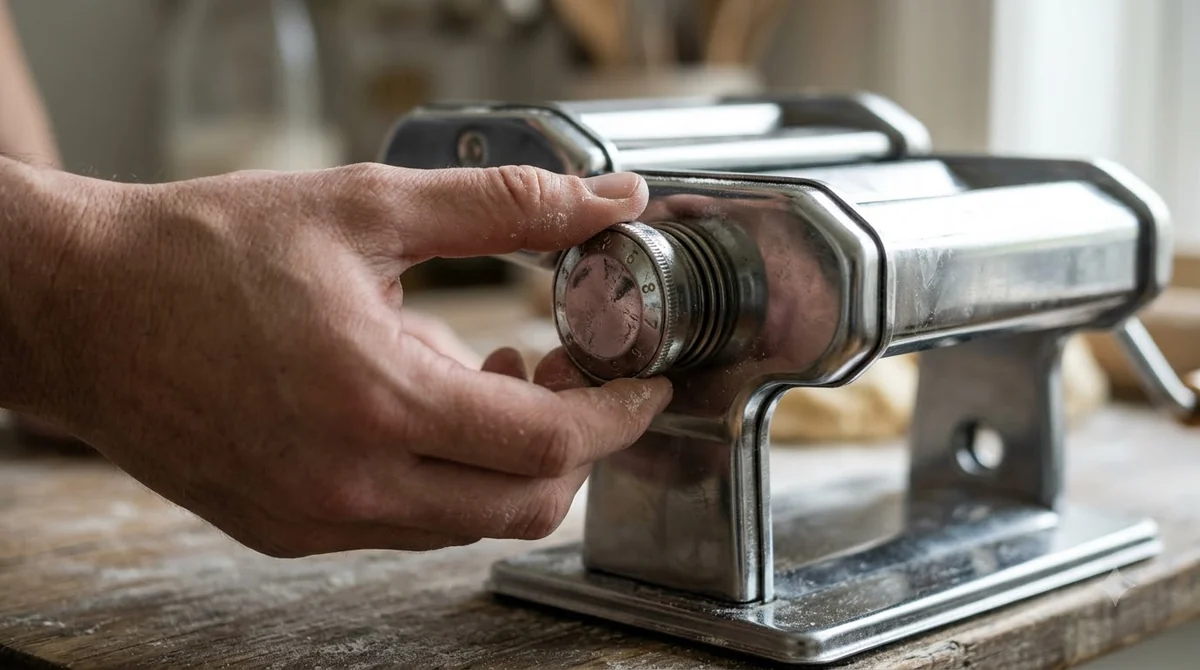
- Thickness settings: confirm the count on the spec sheet, because this guide could not verify it for the Atlas 150.
- Included cutters: the base set may cover only a few shapes, so count the shapes you cook most.
- Material: the Atlas 150 body is chrome steel, according to the article.
- Clamp: the handle and clamp use chrome steel and ABS plastic, so test how the clamp grips your counter.
The article advises starting on the thickest setting and adjusting down until the dough reaches the thickness you want. Thinning in small steps gives you more control than starting thin.
A simple test helps. Roll a small piece of dough through the widest setting first, then check whether the sheet is smooth and even before you go thinner. Use the same test on any Italian pasta maker you are considering, if the shop allows it.
Keep the dough at room temperature and work in small batches so it does not dry out. A dough that cracks at the edges is usually too dry, while one that sticks to the rollers is usually too wet. Adjust the dough before you blame the machine.
Common mistakes with an Italian pasta maker
The most common mistakes are washing the machine with water, skipping the dry brush, and starting on a thin setting.
- Washing the machine with water or in a dishwasher, which the article says can damage the metal.
- Starting on the thinnest setting instead of the thickest.
- Letting dough dry in the rollers before cleaning.
- Buying accessories before checking which shapes the base set already covers.
Most problems with a pasta maker start with the dough. A stiff dough can jam the rollers, and a sticky dough tears and clumps. Fix the dough first, then the machine. This advice applies to every Italian pasta maker, whatever the brand or price.
Cleaning and care for your Italian pasta maker
Clean the Atlas 150 with a dry brush and a dry cloth, because the article warns that water and the dishwasher can damage the metal.
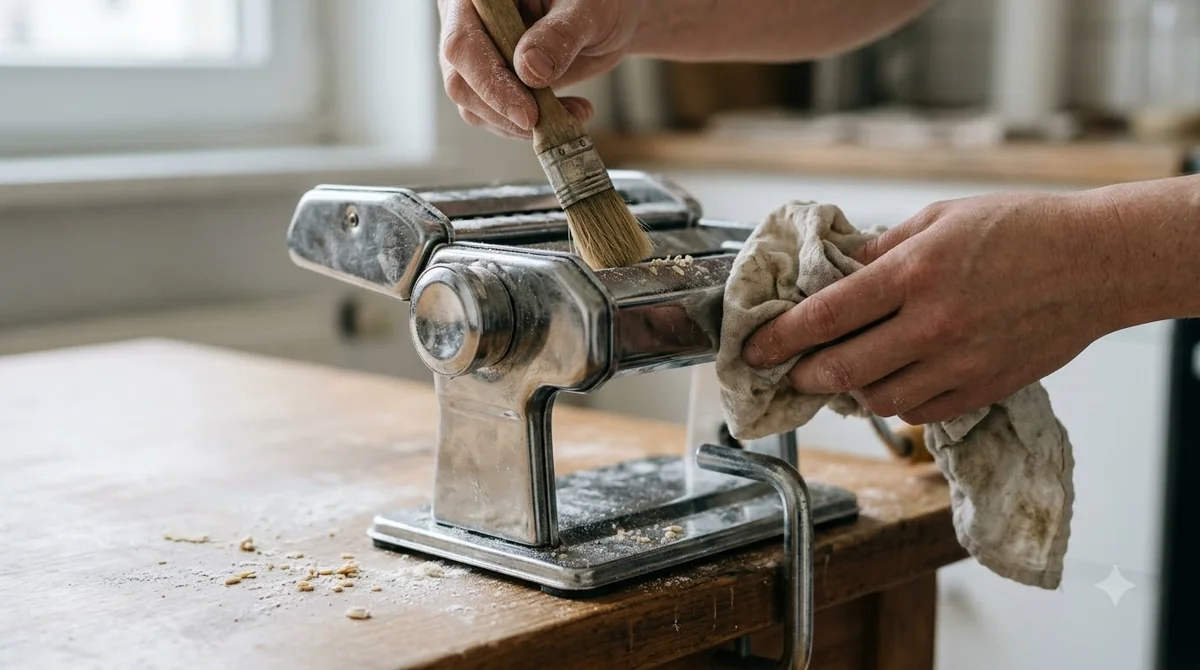
Brush off dried dough and flour after each session, then wipe the metal with a dry cloth. Avoid soaking any part of the machine, since the article advises against water and the dishwasher.
Store the machine in a dry place with its cutters and clamp kept together, so no piece goes missing and the metal stays dry between uses. Our guide on how to clean the Marcato Atlas 150 has the full routine.
What this guide could not confirm
Several Atlas 150 specs were not confirmed on a readable page, including the thickness setting count, roller width in millimetres and overall dimensions.
The official Marcato product page could not be read for this guide, so these figures are left out:
- Number of thickness settings
- Dough width in millimetres
- Weight and overall dimensions
- Warranty length
Check the manual or the manufacturer’s page for the exact model you plan to buy before you compare it with other machines.
Retailer listings for the same model can disagree on materials and dimensions, so treat a listed spec as unconfirmed until it matches the official source.
Frequently Asked Questions
Is a hand-crank Italian pasta maker worth it?
It depends on how often you cook pasta at home. According to Saturdays in Rome, the Atlas 150 is easy to use and maintain, and the author says his own unit has lasted since purchase. Frequent cooks may prefer a motorized option for large batches.
What shapes can a basic pasta maker make?
The base set includes rollers and a spaghetti and linguine cutter. According to the article, the machine makes flat pasta like lasagna and filled pasta like ravioli. Other shapes need accessories sold separately, so the cost grows with each shape you add.
Where should I start the thickness setting?
Start on the thickest setting, then keep passing the dough through and adjusting down until it reaches the thickness you want. Check your model’s dial, because the number of settings is not confirmed in this guide.
Can I wash my pasta machine with water?
No. The article advises cleaning with a dry brush and a dry cloth, and it warns against washing the machine with water or in a dishwasher. Brush off dough residue after each use so it does not dry in the rollers.
How much does a Marcato Atlas 150 cost?
As of October 24, 2026, the article gave a current price range of $75 to $100. Prices change often, so check the current price on a retailer or the manufacturer’s site before you buy.
Is an Italian pasta maker hard for beginners?
Most beginners can start with a hand-crank machine and a basic dough. The article describes the Atlas 150 as easy to use and maintain. Start with flat sheets, then add cutters once you are comfortable with the thickness.
Choose an Italian pasta maker of the classic hand-crank type if you want direct control and are willing to buy extra shapes separately. Choose a motorized machine or stand mixer attachment only if you cook pasta often enough to justify the cost and counter space. Before you buy any model, confirm roller width, thickness settings and included cutters on the manufacturer’s spec sheet.
 6 min readBest PicksItalian Cooking Gifts: How to Choose the Right OneUpdated Nov 13, 2026
 7 min readBest PicksItalian Food Gift Basket: What to Include and How to ChooseUpdated Nov 10, 2026
 9 min readBest PicksBest Countertop Pizza Oven: How to Choose the Right OneUpdated Nov 12, 2026
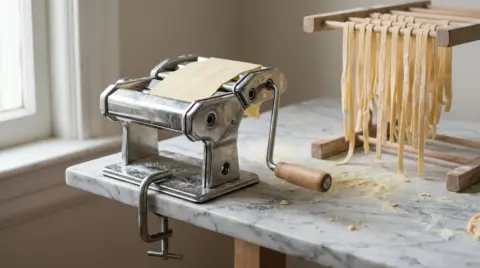 6 min readBest PicksSpaghetti Maker: How It Works and How to Use OneUpdated Nov 13, 2026
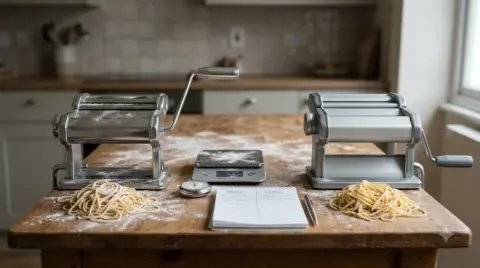 6 min readBest PicksPasta Making Gift Set: What to Include and How to Build OneUpdated Nov 13, 2026
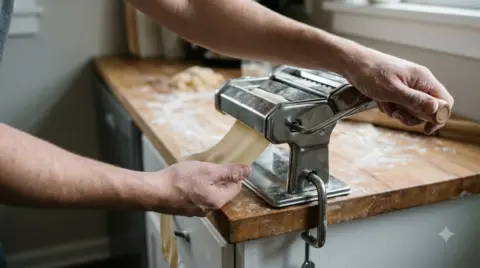 8 min readBest PicksBest Cheap Pasta Makers for Home Cooks on a BudgetUpdated Nov 12, 2026