
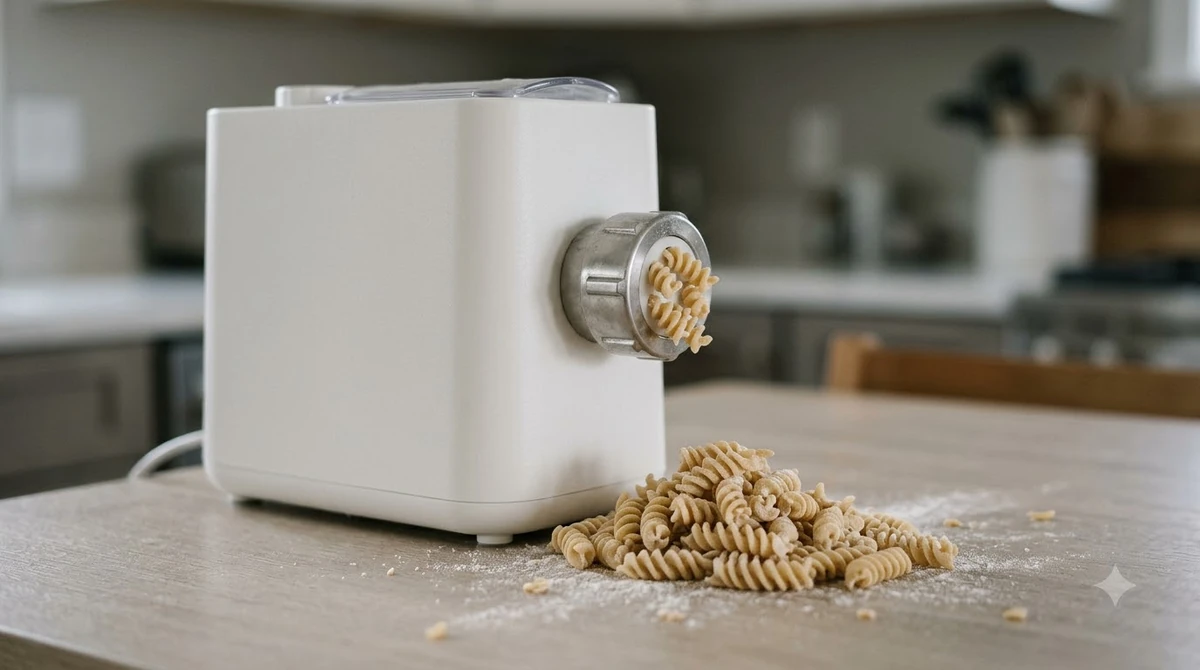

Trofie vs fusilli: trofie is a short, thin, twisted pasta from Liguria with tapered ends, while fusilli is a longer, thicker corkscrew from southern Italy. Both hold sauce in their twists, but trofie is the classic partner for light pesto, and fusilli suits heartier, chunkier sauces. Choose trofie for a delicate Ligurian dish and fusilli when the sauce needs more body.
The two shapes are often treated as close substitutes, since both are twisted and both grip sauce. The differences show up in the size of each piece, the texture, the cooking time and the sauces each one suits best. The sections below cover those differences so you can choose the right shape for your dish.
Trofie vs Fusilli: What Is the Main Difference?
The main difference is size and origin: trofie is a small, thin piece of about an inch, while fusilli is a long, thick spiral.
Trofie is a short, thin, twisted pasta from northern Italy and a staple of Ligurian cooking. A trofie piece is about an inch long, with tapered ends, and it is shaped by rolling a small piece of dough and twisting it. The name comes from the Genoese word strufuggia, meaning to rub, which describes how the dough is worked into its form. The Sporked guide to trofie pasta covers this background.
Fusilli is a long, thick corkscrew pasta with a robust texture. It is traditionally linked to southern Italy, and its tight spiral gives it plenty of surface for chunky sauces. A simple comparison is that trofie is a small bite with delicate twists, while fusilli is a larger, sturdier forkful.
Which Sauce Works Best With Trofie?
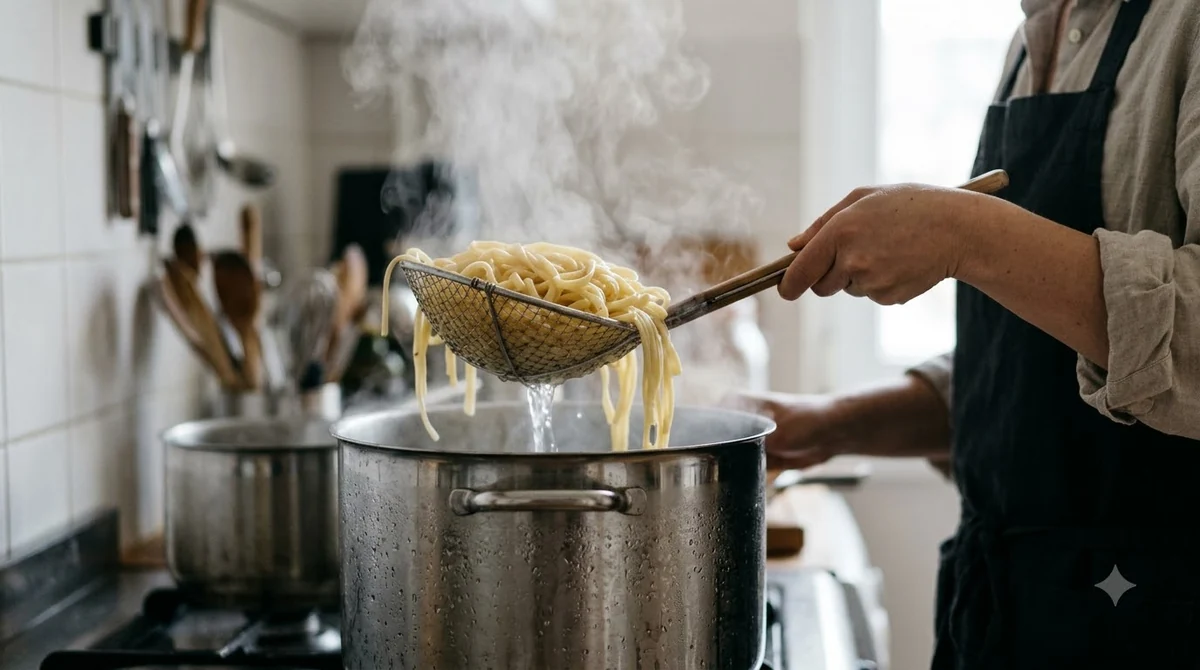
Pesto is the classic sauce for trofie, because the twists let it stick to every nook of the pasta.
The Sporked article says the twisted shape lets pesto cling to the pasta, which is why it is the usual choice. In Liguria, trofie is traditionally served with boiled potatoes and green beans that cook in the same water as the pasta, with pesto stirred in just before serving. The same article says trofie also works with tomato-based, creamy, seafood and vegetarian sauces, so pesto is a starting point rather than the only option.
Which Sauce Works Best With Fusilli?
Fusilli suits thicker and chunkier sauces, because its size and tight coils hold pieces of meat, vegetables and sauce together.
The Texas Real Food substitute guide describes fusilli as a sturdy shape that works with a variety of sauces. A few good matches are:
- Meat ragu: the spiral catches small pieces of minced meat and sauce.
- Tomato with vegetables: roasted peppers, zucchini or eggplant sit in the coils.
- Pesto: works well too, though it is less traditional than trofie.
How Do Trofie and Fusilli Compare in Texture and Cooking?
Fresh trofie cooks much faster than dried fusilli, and the two need different handling in the pot.
The Texas Real Food guide gives a cooking time only for fresh trofie, which takes about 2 to 4 minutes, faster than most dried pasta. It recommends about 1 liter of water per 100 g of pasta and 15 g of coarse salt per liter. Dried fusilli is usually cooked to the package time, so check the box for the brand you buy rather than relying on a general figure.
| Feature | Trofie | Fusilli |
|---|---|---|
| Origin | Liguria, northern Italy | Traditionally southern Italy |
| Size | About 1 inch, tapered ends | Long, thick corkscrew |
| Texture | Delicate, thin twists | Robust, sturdy bite |
| Classic sauce | Pesto | Chunky meat or vegetable sauce |
| Cooking time | About 2 to 4 minutes when fresh | Follow the package time |
Can You Substitute Fusilli for Trofie?
Yes, fusilli is one of the closest substitutes for trofie, especially with a hearty sauce, but the dish will feel heavier.
The substitute guide lists fusilli and penne as shapes that share a similar shape and texture with trofie. It also lists gemelli, two strands twisted together, as having sauce retention similar to trofie. Gemelli is probably the nearest match for a pesto dish, because its twisted strands hold the sauce the way trofie does. Fusilli works if you want a larger piece, and it is a better fit for thicker sauces than a light pesto.
Gluten-free eaters have options too. The same guide rates corn fusilli highly for texture similarity to trofie, and it lists rice twists and chestnut spirals as medium matches for hearty sauces.
When you compare trofie vs fusilli for a family dinner, think about who is eating and how much sauce you are making. Trofie is quick to cook and works well as a small, elegant portion with a spoonful of pesto. Fusilli is more filling per forkful and is a practical choice when you cook a large pot with meat, sausage or roasted vegetables. Either shape works for a weeknight, so the deciding factor is usually the sauce already in your fridge.
If you are shopping, look for fresh trofie in the refrigerated section of a specialty store, and dried fusilli in most supermarkets. Fresh and dried pasta behave differently in the pot, so follow the cooking time on the package in front of you and taste a piece before draining.
Frequently Asked Questions
Is trofie the same as fusilli?
No. Trofie is a short, thin, twisted pasta from Liguria, while fusilli is a long, thick corkscrew from southern Italy. Both are twisted and hold sauce, but they differ in size and origin.
Which is better for pesto, trofie or fusilli?
Trofie is the traditional choice for pesto, because it is the shape served with pesto in Liguria. Fusilli also works with pesto, but it is a heavier bite.
Does fusilli take longer to cook than trofie?
Usually, yes. Fresh trofie cooks in about 2 to 4 minutes, while dried fusilli follows the package time, which is typically longer.
What can I use instead of trofie?
Fusilli, penne and gemelli are the most common substitutes, and corn fusilli is a gluten-free option with a similar texture.
Choose trofie with pesto for a light Ligurian dish and fusilli for a chunkier sauce. Both are twisted shapes that hold sauce well, so the decision comes down to the sauce and how heavy you want the plate to feel.
 8 min readLearnMafaldine vs Pappardelle: Shape, Width and Sauce DifferencesUpdated Nov 6, 2026
 8 min readLearnSpaghetti alla Chitarra: Shape, Sauces and Cooking Time ExplainedUpdated Nov 10, 2026
 8 min readLearnCasarecce Pasta: Simple Guide to Shape, Sauce and CookingUpdated Nov 10, 2026
 8 min readLearnGemelli vs Fusilli: Shape, Cook Time and Which to PickUpdated Nov 11, 2026
 9 min readLearnPaccheri vs Rigatoni: Key Differences and Which Sauce FitsUpdated Nov 6, 2026
 7 min readLearnLasagnette Pasta: Shape, Uses and Cooking TipsUpdated Nov 11, 2026