
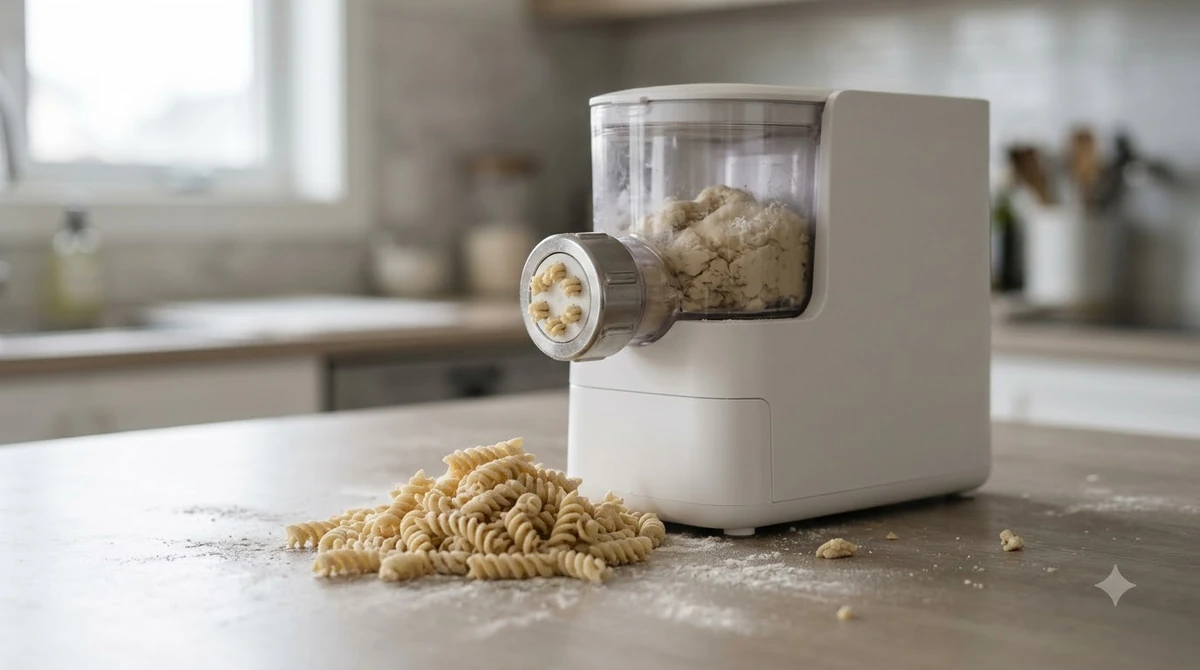

Gemelli vs fusilli comes down to shape. Fusilli is a short Italian corkscrew from southern Italy, while gemelli is a short twisted pasta whose name means “twins.” Both hold sauce well and both work in pasta bakes and cold salads, so they are often swapped in recipes.
This gemelli vs fusilli guide compares the two shapes on texture, cook time and which sauces they carry best. Sources also disagree on a few gemelli details, and this guide says so where that matters.
What Is Fusilli?
Fusilli is a short helical pasta from southern Italy, shaped like a spring or corkscrew. In the United States and Canada the same extruded shape is usually sold as rotini (see our fusilli vs rotini comparison).
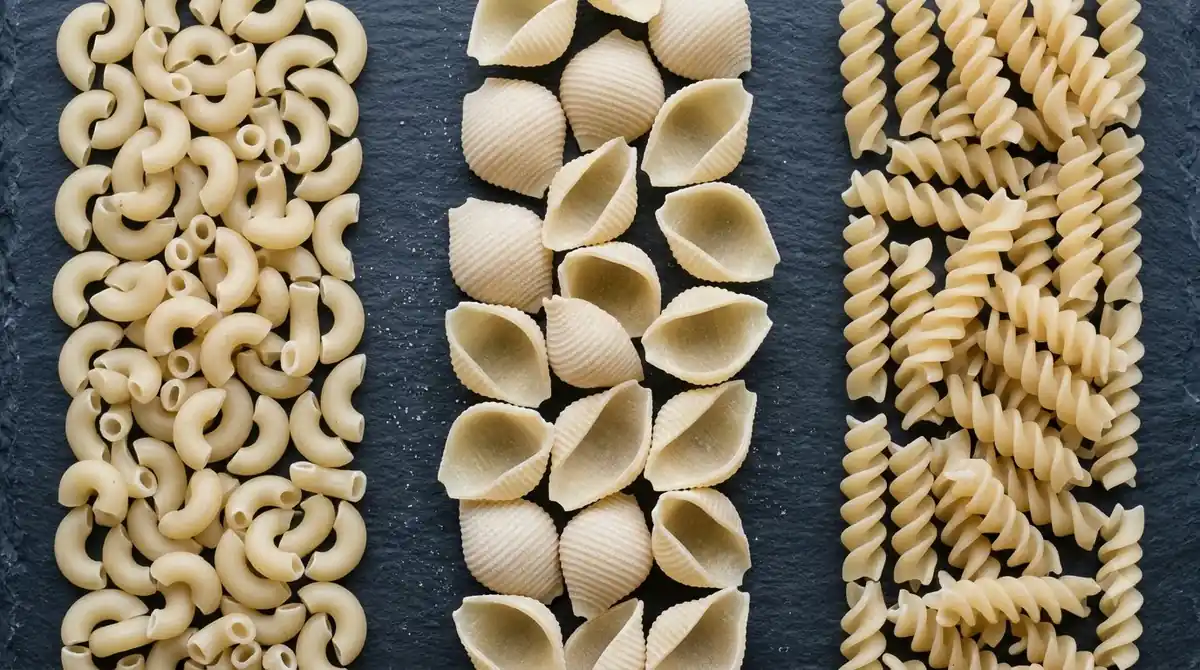
The name comes from fusillo, which means “little spindle” in Italian. Traditionally the dough was wrapped around a spindle, or fuso, to form the spiral. Wikipedia’s fusilli entry gives this origin, and notes that some regional versions are believed to have Arab roots, with names such as busiata in Sicily and busa in Sardinia.
Fusilli comes in several forms. The common extruded variety is a solid short spiral. Fusilli bucati is a hollow corkscrew, and fusilloni and fusilli Sorrento are larger or longer versions. Wikipedia lists these variants and describes the solid short form as the standard fusilli.
What Is Gemelli?
Gemelli is a short Italian pasta, and the word means “twins” in Italian. Its name suggests two tubes twisted together, but Wikipedia says that is not quite the shape: gemelli is a single strand with an S-shaped cross-section, twisted into a spiral.
The producer DeLallo describes gemelli differently. Its guide says the pasta is made from long hollow strands folded over and twisted together before being cut, and that the shape is from Puglia in southern Italy. The Wikipedia entry gives Italy as the place of origin without naming a region. This is one of the few points where the sources do not match, so treat the shape description as a matter of how each maker shapes its pasta.
Gemelli is most often used in casseroles and pasta salads, according to Wikipedia’s gemelli entry. Its short, twisted form gives it plenty of surfaces for sauce to cling to. Wikipedia files gemelli among the short pastas alongside fusilli, which is why gemelli vs fusilli comes up so often in recipes.
Gemelli vs Fusilli: Side-by-Side Comparison
Seen side by side, gemelli vs fusilli is mostly a question of shape and sauce. Both are short pastas made from durum wheat semolina and water, but the shape, the cook time and how each one suits heavier sauces all differ.
| Feature | Fusilli | Gemelli |
|---|---|---|
| Shape | Solid tight spiral, like a spring | Twisted short pasta, S-shaped cross-section (Wikipedia) or two hollow strands (DeLallo) |
| Place of origin | Southern Italy | Italy (Wikipedia); Puglia (DeLallo) |
| Name meaning | Little spindle | Twins |
| Cook time | About 10 to 11 minutes (DeLallo); 9 to 12 minutes (The Pasta Project) | About 7 to 8 minutes (DeLallo) |
| Best sauces | Genovese, bolognese, vodka sauce, pesto, alfredo, white bean | Marinara, fresh pesto, creamy alfredo |
| US name | Rotini (often used interchangeably) | Same name in the US |
| Common uses | Pasta salads, pasta bakes, meat and tomato sauces | Pasta bakes, pasta salads, casseroles |
In short, fusilli is the better pick for hearty sauces and gemelli is the lighter choice. The two are close enough that most home cooks can use either one in a bake or salad, so the gemelli vs fusilli decision usually comes down to the sauce you plan to make.
How Each Shape Is Made
Fusilli is traditionally made by hand, with dough wound around a thin rod called a ferro. Most fusilli sold today is extruded through dies, cut into short lengths and dried, as DeLallo’s fusilli guide describes. The Pasta Project adds that some handmade versions are hollow cylinders, which is where the hollow fusilli bucati family comes from.
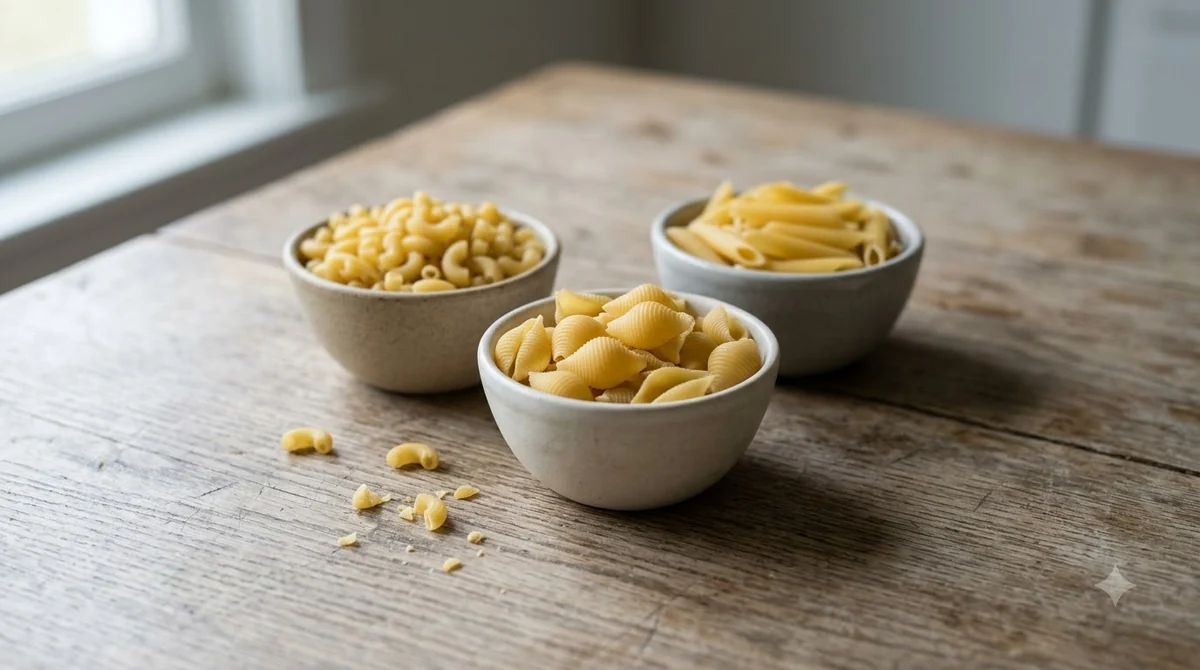
Gemelli is also formed from a long strand. DeLallo says the dough is pushed through bronze dies into long hollow strands, each strand is folded over and twisted, and then the twisted piece is cut into short lengths. The company also notes that factory gemelli is sometimes made by wrapping two separate strands together before trimming.
- Fusilli: dough shaped into a spiral, usually by extrusion, then dried.
- Gemelli: a hollow strand folded and twisted, or two strands wrapped together, then cut.
- Both: made from durum wheat semolina and water. Some homemade fusilli adds eggs, according to The Pasta Project.
Because the shape is different, gemelli vs fusilli also feels different on the fork. The DeLallo guides describe fusilli as a tightly coiled ribbon that catches sauce inside its spiral, and gemelli as a twisted shape that clings to sauce.
Gemelli vs Fusilli Cooking Time and Texture
In gemelli vs fusilli cooking times, fusilli takes longer in the sources we checked. DeLallo gives 10 to 11 minutes for dried fusilli, and The Pasta Project gives 9 to 12 minutes, with checks starting at about 8 minutes. Gemelli takes 7 to 8 minutes according to DeLallo.
- Bring a large pot of water to a rolling boil and salt it generously.
- Add the pasta and stir so the pieces do not stick to each other or the pot.
- Start tasting at the lower end of the time range, and test every 30 to 60 seconds (our how to cook pasta al dente guide shows what to look for).
- Drain when the center is tender with a slight bite.
For a pasta bake, DeLallo advises boiling gemelli about one minute short of al dente, because it keeps cooking in the oven. The sources we checked do not give a bake time for fusilli, so check the package for the exact time, since brands and dies differ.
Which Sauces Suit Each Shape
For sauces, gemelli vs fusilli splits along weight, and fusilli takes heavier sauces well. DeLallo lists genovese and bolognese, plus tomato-based vodka sauce, pesto, alfredo and white bean. The Pasta Project notes that southern Italy often serves fusilli with meat or sausage ragu, while northern dishes use it in pasta salads, light creamy sauces and pesto.
Gemelli pairs best with lighter sauces. DeLallo suggests marinara, fresh pesto and creamy alfredo, and says heartier bolognese and ragu can overwhelm the smaller shape. It also works with a simple garlic, olive oil and lemon sauce with sausage or vegetables.
- Choose fusilli for meat ragu, vodka sauce or a thick white bean sauce.
- Choose gemelli for marinara, pesto or alfredo.
- For pasta salad, either works. Gemelli keeps a pleasant bite when cold.
Can You Swap One for the Other?
Yes, in most recipes, and gemelli vs fusilli is a common swap in bakes and salads. DeLallo calls the two shapes good swaps because both are short spirals that cling to sauce, and it adds that the swap works with slightly different textures. The swap works best in a pasta bake or cold salad, where the texture is the main thing you are after.
If you want a third option, DeLallo names casarecce as an excellent substitute for gemelli. Casarecce is a short pasta made from a sheet of dough rolled into a scroll shape. The same guide also lists cavatappi as a stand-in for fusilli.
Keep the sauce in mind when you weigh gemelli vs fusilli for a swap. DeLallo says heavy bolognese and ragu struggle to hold on gemelli, so choose a lighter sauce or switch to fusilli for that dish.
Frequently Asked Questions
Are gemelli and fusilli the same pasta?
No. Both are short pastas with a twisted or spiral look, but they are made differently and are named for different things. Fusilli is a corkscrew, and gemelli is a twisted shape named for “twins.”
What is fusilli called in the US?
Fusilli is usually labeled rotini in the United States and Canada. Some packages use both names.
How long does gemelli take to cook?
DeLallo gives 7 to 8 minutes to reach al dente. Check the package, because the time can change by brand.
Gemelli vs fusilli: which is better for pasta salad?
Both work. DeLallo calls gemelli especially good in pasta salads because it keeps a nice bite, and it lists fusilli among the common pasta salad shapes. Pick the one that matches the dressing you plan to use.
Gemelli vs fusilli: which shape holds meat sauce better?
Fusilli. DeLallo says fusilli catches meaty sauces better than gemelli, which can struggle with heavy bolognese.
What is casarecce, and does it fit gemelli vs fusilli swaps?
Casarecce is a short Italian pasta made by rolling a sheet of dough into a scroll. DeLallo names it as a good replacement for gemelli.
When you weigh gemelli vs fusilli, pick fusilli when the sauce is heavy and you want the coils to catch it. Pick gemelli for lighter sauces, a pasta bake or a salad. If you are unsure, check the package for the cook time and test a piece before you drain the rest.
 5 min readLearnGemelli Substitute: Fusilli and 3 Other Twisted PastasUpdated Nov 13, 2026
 6 min readLearnTrofie vs Fusilli: Shape, Sauce and Cooking DifferencesUpdated Nov 13, 2026
 8 min readLearnSpaghetti alla Chitarra: Shape, Sauces and Cooking Time ExplainedUpdated Nov 10, 2026
 8 min readLearnManicotti Pasta: Shape, Size, Cooking Times and SubstitutesUpdated Nov 10, 2026
 6 min readLearnHomemade Gemelli: Semolina Dough, Shaping and DryingUpdated Nov 13, 2026
 7 min readLearnGemelli Pasta: What It Is, How to Cook It and SubstitutesUpdated Nov 10, 2026