
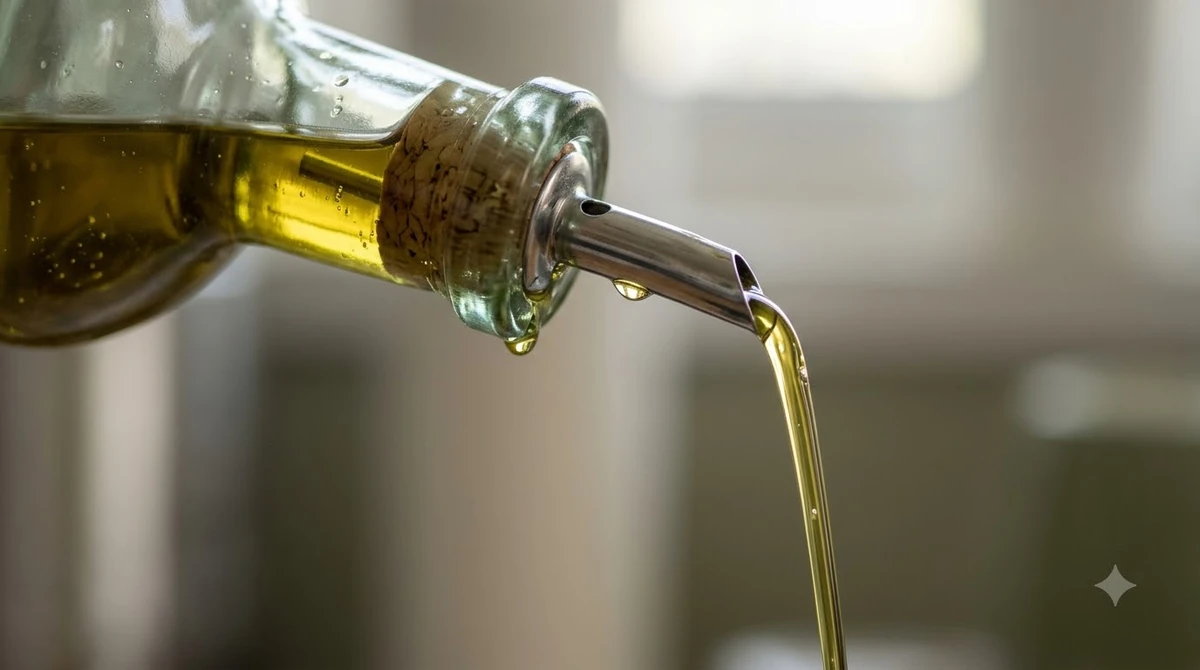

The best balsamic vinegar for everyday cooking is a labeled balsamic vinegar of Modena IGP, with a clear grape must share and a production area printed on the bottle. Thick sweetened condiments often look similar but contain different ingredients. The checklist below helps you read the label before you buy.
Traditional aged bottles cost more and suit finishing a dish. For dressings and marinades, the best balsamic vinegar is usually a standard IGP bottle.
Here is the short answer on the best balsamic vinegar by type. This guide sorts bottles by what their labels and producer rules say, not by taste tests.
| Type | Best for | Key fact |
|---|---|---|
| Balsamic vinegar of Modena IGP | Dressings, marinades, roasting | Grape must makes up 20% to 90% of the product |
| Balsamic condiment | Sweet drizzles on simple dishes | Often thickened, with no acidity minimum |
| Traditional aged balsamic | Finishing a plate | Cooked grape must only, aged at least 12 years |

Giusti 3 Gold Medals Balsamic Vinegar of Modena
Pros & ConsViewHide
Reasons to buy
- 87% of 4.6K Amazon ratings are 5-star
- IGP bottle described as dense and matured in oak barrels
- 8.45 fl oz size works for everyday drizzling and dressings
Reasons to avoid
- IGP style, so it is not a traditional 12-year DOP vinegar
- Listing gives no age statement

Blazing Bella Barrel Aged Balsamic Vinegar
Pros & ConsViewHide
Reasons to buy
- 85% of 1.1K Amazon ratings are 5-star
- Listing describes a thick, barrel-aged vinegar from Modena
- 500 ml bottle gives more volume for regular use
Reasons to avoid
- Listing gives no age statement or DOP claim
- Marketing wording, so confirm the ingredient list on the bottle

Elsa Aged Balsamic Vinegar of Modena, Vecchia Era
Pros & ConsViewHide
Reasons to buy
- Listing states 12 years of aging
- 250 ml bottle (8.5 oz) is a practical size
- 78% of Amazon ratings are 5-star
Reasons to avoid
- Listing shows Balsamic Vinegar of Modena without a DOP statement, so check the label
- 8% of ratings are 1-star
- Only about 100 ratings

La Secchia - "Affinato", Aged minimum 12 Years
Pros & ConsViewHide
Reasons to buy
- Listed as a traditional DOP balsamic aged at least 12 years
- Listing says it has no caramel, dyes or added sulphites
- Small 100 ml bottle with gift box suits finishing drops
Reasons to avoid
- Lowest star average of this group, 65% 5-star on about 110 ratings
- Small bottle costs more per ounce than IGP bottles
- Listing text also mentions a 20-year aging, so check the bottle label for the exact age
What makes a good balsamic vinegar
Finding the best balsamic vinegar starts with a label that names the product type and its production area, because those two facts show what is inside the bottle.
The first clue is the production area. Balsamic vinegar of Modena is a protected product, and according to the Wikipedia summary of the Modena IGP rules, assembly, processing and aging in wood must take place in the provinces of Modena and Reggio Emilia. A bottle that names this area follows a defined set of rules.
The second clue is the ingredient share, which matters most when you compare the best balsamic vinegar options side by side. The IGP product is built from grape must and wine vinegar, and the grape must can come from outside those two provinces. The more grape must in the blend, the more the sweetness and body come from the cooked grapes rather than from added thickeners.
When you compare bottles in a store, check three things on the label:
- The production area: Modena or Reggio Emilia for the IGP product.
- The ingredient line: grape must and wine vinegar, with caramel only if it is listed.
- The age wording: the word “invecchiato” applies only to vinegar aged 3 years or more.
Balsamic vinegar of Modena IGP vs condiments
Balsamic vinegar of Modena IGP is made from 20% to 90% grape must and 10% to 80% wine vinegar, while many condiments add thickeners and have no acidity minimum.
| Attribute | Balsamic vinegar of Modena IGP | Balsamic condiment |
|---|---|---|
| Grape must share | 20% to 90% | Varies by product |
| Wine vinegar share | 10% to 80% | Varies by product |
| Caramel | Up to 2%, to keep color stable | Often added for color |
| Thickeners | Not part of the IGP composition described | Often starch, glucose-fructose syrup, pectin, guar gum or xanthan |
| Acidity | Total acidity of at least 6 g per 100 g | No acidity minimum |
Condiments are often sold as balsamic and look like the real thing. They tend to be thicker and sweeter because of the added starches, syrups and gums. Those ingredients do not make a condiment bad, but they change how the product tastes in a dressing and how it behaves in a pan. If you want the best balsamic vinegar for a salad, the IGP bottle is the closer match.
Caramel is permitted in the IGP bottle up to 2%, and it is there to keep the color even from batch to batch. A caramel line on the label does not decide quality on its own, so read the full ingredient list before you pick the best balsamic vinegar between two bottles.
How to read the label before you buy
Reading the label is the fastest way to spot the best balsamic vinegar on a crowded shelf. Read it for the product name, the production area, the age wording and the acidity, because these are the facts a producer has to follow under the rules.
- Product name: “balsamic vinegar of Modena” points to the IGP rules. A generic “balsamic” label does not tell you which rules apply.
- Age wording: “invecchiato” is used for vinegar aged 3 years or more, so a bottle without it is not signaling extended aging.
- Acidity: the IGP product has a total acidity minimum of 6 g per 100 g, which keeps the vinegar sharp enough to balance sweetness.
- Caramel: allowed up to 2%, for color only.
- Storage line: follow the instructions printed on the bottle, since this guide does not list a fixed shelf life.

Traditional aged balsamic: when the price is worth it
Traditional balsamic vinegar uses only cooked grape must and must age at least 12 years, which explains its much higher price than an everyday bottle.
Traditional production starts from grapes, typically Trebbiano, boiled down to a sugar concentration of at least 30% brix. The vinegar is fermented and then aged in wooden casks, and its flavor intensifies over the years. None of the product may be withdrawn before the minimum aging period of 12 years is complete.
Many producers use a solera system, which draws from the oldest cask and tops up each cask from the next one. This is the reason the age of a traditional bottle is more than a number on the label, since the blend carries vinegar of different ages.
Is the most expensive bottle the best balsamic vinegar? For a small drizzle over a finished plate, where the flavor is the point, a traditional bottle makes sense, and our list of the best aged balsamic vinegar covers that style. For a dressing or a marinade that is mixed with oil and other ingredients, a labeled IGP bottle is usually enough.
Choosing the best balsamic vinegar for each dish
Use a standard IGP bottle for dressings, marinades and roasted vegetables, and keep a traditional bottle for finishing, since the best balsamic vinegar depends on how much it has to work in the dish.
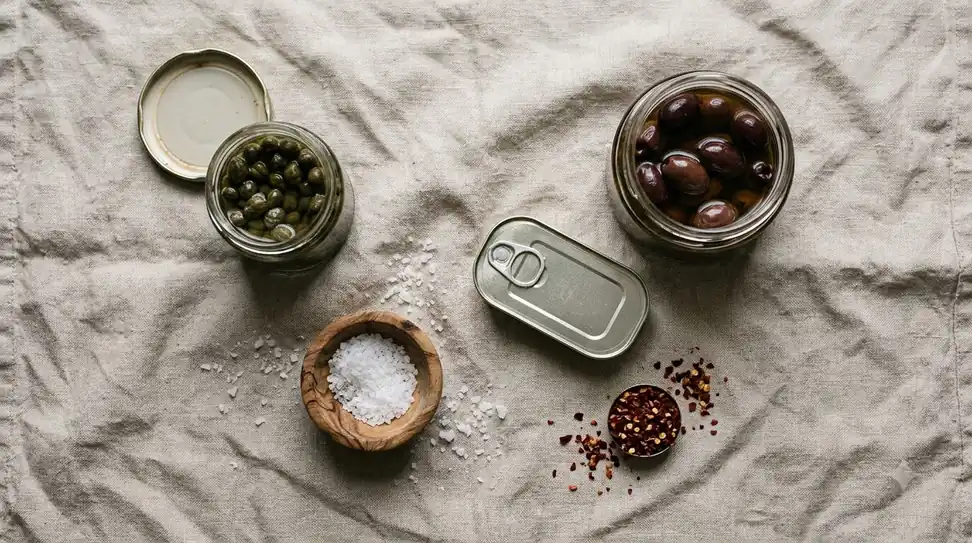
Balsamic adds a sweet and tangy flavor to seafood, meat marinades, roasted vegetables and salad dressing, according to the general Wikipedia overview of balsamic vinegar. Those are the dishes where the best balsamic vinegar for daily use earns its place, ideally paired with a good Italian olive oil for dressings. More pantry picks are in our gear and pantry guides.
| Use | Bottle to pick | Why |
|---|---|---|
| Salad dressing | Balsamic vinegar of Modena IGP | Sweet and tangy flavor blends with oil |
| Meat marinades | Balsamic vinegar of Modena IGP | Adds flavor during the marinating time |
| Roasted vegetables | Balsamic vinegar of Modena IGP | A splash after roasting keeps the flavor bright |
| Finishing a plate | Traditional aged balsamic | Used in small amounts where the flavor is the point |
Common mistakes when buying balsamic vinegar
When choosing the best balsamic vinegar, the most common mistake is expecting a thick condiment to taste like a labeled vinegar, or paying for an aged bottle to use in an everyday dressing.
- Buying a condiment as the best balsamic vinegar for a dressing and expecting the depth of an IGP vinegar.
- Paying for traditional aging to use in a marinade, where it is mixed with other strong flavors.
- Skipping the production area and the age wording on the label.
- Assuming every bottle has the same acidity, when the IGP product sets a minimum and many condiments do not.
Frequently Asked Questions
What is the difference between balsamic vinegar and balsamic glaze?
Balsamic glaze is a thick, sweetened commercial product that imitates aged vinegar. It is not simply a reduction of a bottle at home, so read the label before using it in place of a labeled vinegar. Our comparison of balsamic glaze vs balsamic vinegar explains the difference in more detail.
Does balsamic vinegar of Modena have to be aged?
Yes, the IGP rules require the ingredients to stay in wooden containers for at least 60 days after they are mixed. Vinegar aged 3 years or more may carry the word “invecchiato” on the label, so the age word tells you something about the bottle.
Can balsamic vinegar contain caramel?
Yes. Balsamic vinegar of Modena IGP may contain up to 2% caramel, added to keep the color stable. Caramel does not replace the grape must and wine vinegar, so check the ingredient line for the rest of the blend.
Is aged balsamic vinegar worth the price?
For finishing a dish, a traditional bottle is worth considering because its flavor is the main event. For dressings and marinades, a labeled IGP bottle is usually enough, so the best balsamic vinegar for dressings is usually a labeled IGP bottle, and the aged bottle is for plates where you want that depth.
Where should I store balsamic vinegar?
Follow the storage line printed on the bottle. This guide does not give a shelf life, because no fixed storage period was verified for these bottles, so check the label before buying in bulk.
Why do some balsamic bottles cost so much more?
Aging time is the main driver. Traditional bottles must age at least 12 years and cannot be withdrawn before that period ends. Everyday IGP bottles follow different rules, so the best balsamic vinegar for regular cooking usually costs less.
Start your search for the best balsamic vinegar with a labeled IGP bottle for everyday cooking, and check the production area, the grape must share and the age wording on the bottle. Save a traditional aged bottle for finishing, where its depth is the point of the dish.
 9 min readGear & PantryHow to Choose the Best Balsamic Vinegar of ModenaUpdated Nov 16, 2026
 9 min readGear & PantryThe Best Aged Balsamic Vinegar for Your Kitchen in 2026Updated Nov 17, 2026
 8 min readGear & PantryBest Balsamic Glaze: How to Choose One That Tastes RightUpdated Nov 13, 2026
 8 min readGear & PantryBest Olive Oil: How to Choose the Right Bottle for Your KitchenUpdated Nov 17, 2026
 9 min readGear & PantryBest Truffle Oil: How to Choose a Bottle That Matches Your CookingUpdated Nov 16, 2026
 9 min readGear & PantryThe Best Italian Pasta Brand: How to Choose a Good BagUpdated Nov 17, 2026