
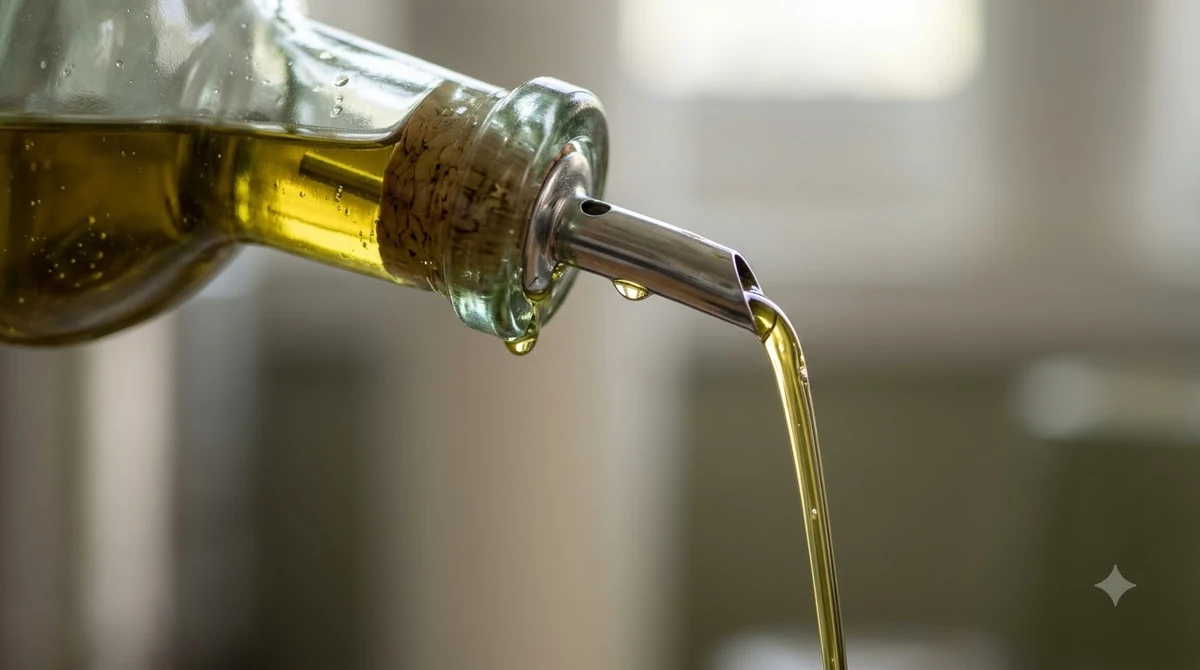

The best Italian olive oil is an extra virgin oil with a visible harvest date, dark packaging and a DOP or IGP name that points to a specific region. Italy makes many oils, but the word Italian on a label is weak evidence of where the olives were grown.
Start with the protected name, then check the harvest date and the bottle itself, because the best Italian olive oil depends on freshness as much as origin. The sections below explain each label, name regional oils that are often recommended, and show how to store what you buy.
| Pick | Best for | Key fact |
|---|---|---|
| DOP oil from a named region | Readers who want a traceable origin | The name ties the oil to one defined area |
| Toscano IGP | A Tuscan oil with a regional protected label | It is an IGP, not a DOP |
| Unlabeled Italian extra virgin | Everyday cooking on a budget | Can contain oil from more than one country |

Azienda Rollo Letizia Extra Virgin Olive Oil
Pros & ConsViewHide
Reasons to buy
- Monti Iblei DOP oil from Tonda Iblea olives
- Sold in a dark glass bottle that protects the oil from light
- 4.5 stars on Amazon
Reasons to avoid
- Only about 50 Amazon ratings
- Premium price for a 500 ml bottle

Frantoi Cutrera - Segreto Degli Iblei
Pros & ConsViewHide
Reasons to buy
- Sicilian Monti Iblei DOP extra virgin oil
- 24.5 fl oz bottle is a generous size for an Italian DOP oil
- 4.8 stars across 202 Amazon ratings
Reasons to avoid
- Listing mentions a 2022/23 harvest, so check the harvest date on the bottle you receive
- Bitter and spicy notes may be too intense for some cooks

ROI Italian Taggiasca Extra Virgin Olive Oil DOP
Pros & ConsViewHide
Reasons to buy
- Riviera Ligure DOP oil from Taggiasca olives
- Delicate profile suits salads and raw dishes
- 4.6 stars across 135 Amazon ratings
Reasons to avoid
- Light flavor can disappear in strongly seasoned cooking
- Priced as a premium 16.9 fl oz bottle

Monini, Oil Olive Extra Virgin Amabile Dop Umbria
Pros & ConsViewHide
Reasons to buy
- Labeled DOP Umbria, one of the protected regions named in this guide
- 79% of Amazon ratings are 5-star
- 16.9 oz bottle suits finishing and dressings
Reasons to avoid
- Only about 100 Amazon ratings
- Listing gives few product details, so read the label for the harvest date
What Makes an Olive Oil Italian
An Italian label alone does not prove origin, because EU rules let an oil be sold as Italian with only a small share of Italian oil. When you look for the best Italian olive oil, read the origin line on the back of the bottle, not just the front.
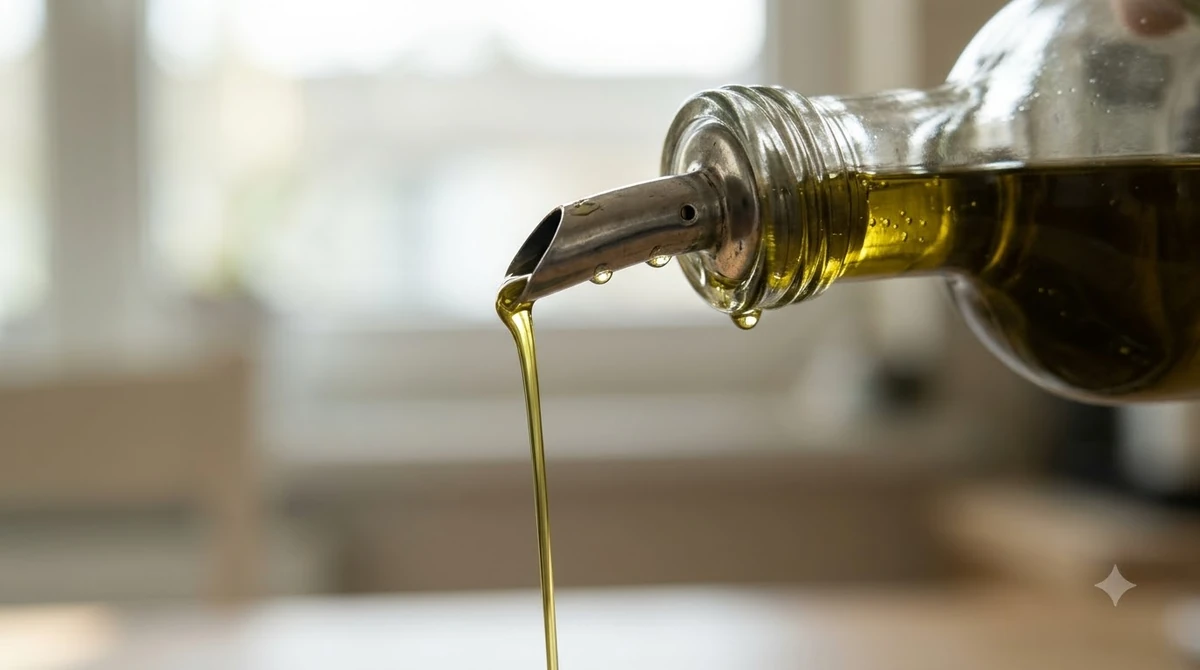
The Wikipedia olive oil article notes that a bottle can carry the Italian name even when most of its oil came from elsewhere. That is why a region name on the label tells you more than a country name alone. A bottle marked only Italian is not automatically the best Italian olive oil for your recipe.
Extra virgin is the first filter in any search for the best Italian olive oil, and for cooking and finishing it is the grade that matters most. Under the International Olive Council standard summarized by Wikipedia (see also our guide to the types of olive oil), extra virgin is the highest virgin grade, made by cold mechanical extraction with no solvents or refining, and it contains no more than 0.8% free acidity.
Some bottles say extra virgin without any origin detail. These can be genuine Italian oil, but the label gives you no way to check the region, the cultivar or the harvest, so treat them as a general everyday choice.
What DOP and IGP Labels Guarantee
DOP (PDO) and IGP (PGI) labels tie an oil’s quality to its place of origin and production method, and Italy has 43 protected olive oils in total. Great Italian Chefs reports 42 DOP oils and one IGP, which together make up about 2.5% of production but about 6% of the value of Italian olive oil. Those protected bottles are a good place to start when you want a verifiable origin.
A DOP name, such as Garda DOP or Monti Iblei DOP, means the oil comes from a defined area and follows a registered standard. Look for the full name and the region printed on the label, not only a regional word in the brand name.
An IGP label such as Toscano IGP is a protected geographic indication, but it is not a DOP. Treat the two as different levels of protection when you compare bottles side by side.
For a short list of protected oils with their cultivars and tasting notes, the Great Italian Chefs guide to Italy’s top PDO oils is a useful starting point.
The Best Italian Olive Oil by Region
Garda DOP, Monti Iblei DOP and Toscano IGP are among the regional oils most often recommended, and each comes from a different cultivar and climate. The table compares the oils by region, main olive variety and the flavor described in the source.
| Oil | Region | Main olive variety | Flavor profile |
|---|---|---|---|
| Garda DOP | Veneto, Lombardy, Trentino | Casaliva | Freshly cut grass, almond, bitter and pungent finish |
| Riviera Ligure DOP | Liguria | Taggiasca | Delicate, almost sweet |
| Toscano IGP | Tuscany | Leccino, Frantoio | Leccino: light and fruity. Frantoio: herbaceous, artichoke |
| Umbria DOP | Umbria | San Felice, Moraiolo | San Felice: grass and artichoke. Moraiolo: intensely bitter, spicy |
| Colline Pontine DOP | Lazio | Itrana | Semi-ripe tomato, herbal |
| Irpinia Colline dell’Ufita DOP | Campania | Ravece | Tomato-scented, intense, well balanced |
| Terra di Bari DOP | Puglia | Coratina | Strong character and pungency |
| Lametia DOP | Calabria | At least 90% Carolea | Green apple, almond, cut grass |
| Monti Iblei DOP | Sicily | At least 90% Tonda Iblea | Ripe tomato aroma |
| Sardegna DOP | Sardinia | Bosana, Tonda di Cagliari and others | Intensely bitter, artichoke and cardoon |
These tasting notes describe each oil’s character, not a ranking. A strong, bitter oil suits grilled vegetables and bean soups, while a delicate one suits salads and fish. Match the oil to the dish instead of choosing one bottle for everything, since that is how the best Italian olive oil earns its place in your kitchen.
Availability changes by country and season, so check a retailer’s current stock before you plan a purchase. If a named DOP is not in stock, a clearly labeled extra virgin bottle with a harvest date is a reasonable substitute. Many regional DOP oils are produced in small batches, and a single bottle may sell out quickly.
How to Check the Best Italian Olive Oil Before You Buy
Check the harvest date, the DOP or IGP name, the packaging and the words extra virgin before you compare prices, because these four details tell you more than the brand name does.
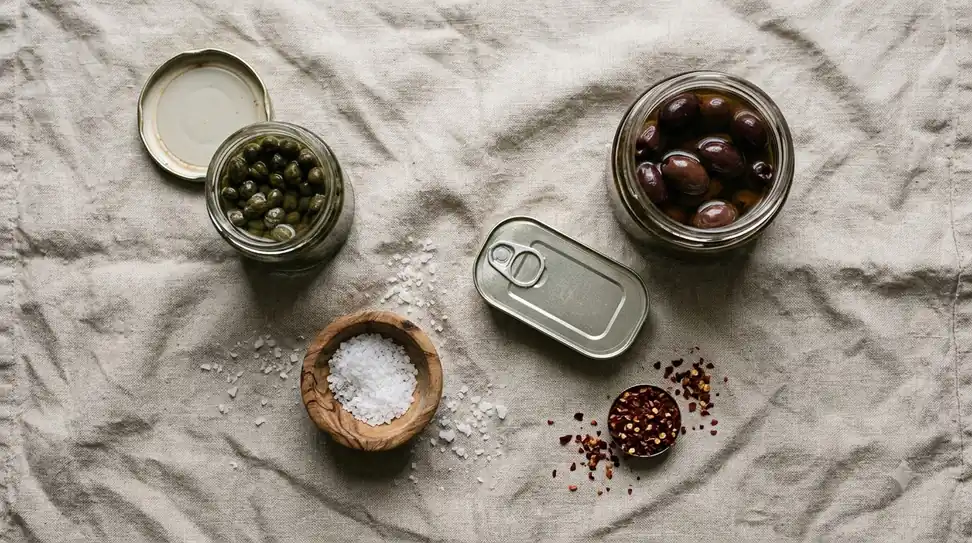
- Find a harvest or crop date. A bottle with only a best-by date makes freshness hard to judge.
- Look for a DOP or IGP name with a region printed on the label.
- Confirm that the bottle says extra virgin, not just olive oil or pure olive oil.
- Choose dark glass or an opaque container, since light reaches clear bottles easily.
- Read the origin line on the back, because it can list more than one country.
A bottle that meets all five checks is a stronger candidate for the best Italian olive oil than a cheaper bottle with a vague label. You may still pay more for a DOP oil, so decide whether the traceable origin matters for your cooking.

Storage and Cooking Tips
Store the best Italian olive oil in dark glass at or below 15 °C, away from the stove and the sunny window, because heat and time reduce its polyphenol content. The Wikipedia olive oil article states that dark glass storage at or below 15 °C is better, and that prolonged storage lowers polyphenols.
Heat is the second concern. Polyphenols degrade largely from heat, and their content drops significantly at 150 °C during cooking, so keep your most aromatic bottle for finishing rather than frying. Our olive oil smoke point guide covers cooking heat in more detail.
Finishing is where the best Italian olive oil shows its character. Great Italian Chefs suggests Riviera Ligure DOP for Pesto alla Genovese, and a few drops of Irpinia Colline dell’Ufita DOP on a Margherita pizza, both uses where the oil is added after cooking.
Common Mistakes When Buying Italian Olive Oil
The most common mistake, when hunting for the best Italian olive oil, is buying on the word Italian alone, because that word can cover blended oils. Several other habits lead to disappointing bottles.
- Choosing a bottle for its Italian flag or countryside picture.
- Ignoring the harvest date and relying only on a best-by date.
- Buying clear glass that sits under bright store lights.
- Paying a protected-name price for a bottle that shows no DOP or IGP name.
- Assuming all DOP oils taste alike, when the cultivar changes the flavor.
Frequently Asked Questions
Is all Italian olive oil extra virgin?
No. Italian olive oil, including the best Italian olive oil, can be extra virgin, virgin or refined, so check the label for the words extra virgin. An Italian origin does not set the grade, and the grade is what determines the oil’s acidity limit. The best Italian olive oil for everyday cooking is usually an extra virgin bottle with a visible harvest date.
What does DOP mean on an olive oil label?
DOP stands for denominazione di origine protetta, which is the same protection as PDO in English. It means the oil is made in a defined area under a registered standard, so the region name on the bottle should match the protected name. A DOP bottle is a practical way to find the best Italian olive oil for a specific dish.
Is Toscano IGP the same as a DOP oil?
No. Toscano IGP is an IGP, or PGI, label, which is a different protection from DOP. Both labels link quality to origin, but the rules and the level of geographic protection differ.
Does dark glass really matter?
Yes, light and warmth both work against olive oil. Wikipedia states that storage in dark glass at or below 15 °C is better, so an opaque bottle of the best Italian olive oil kept in a cool cupboard protects it far better than a clear bottle on a sunny counter.
Can I cook with a good Italian extra virgin oil?
You can, but heat reduces polyphenols significantly at 150 °C, so the most aromatic bottle is better added after cooking. Use a milder oil for high-heat frying and keep the regional DOP bottle for finishing salads, soups and pasta.
For most home cooks, the best Italian olive oil is one extra virgin bottle with a harvest date and a named DOP or IGP region, then keep it dark and cool. Save the most distinctive regional oil for finishing, where its flavor is easiest to notice. For more on that style, see our best finishing olive oil picks, or browse the gear and pantry guides.
 8 min readGear & PantryBest Italian Olive Oil Gift Set: What to Check Before You BuyUpdated Nov 11, 2026
 9 min readGear & PantryBest Extra Virgin Olive Oil: How to Pick One That Holds UpUpdated Nov 17, 2026
 8 min readGear & PantryBest Olive Oil: How to Choose the Right Bottle for Your KitchenUpdated Nov 17, 2026
 5 min readGear & PantryWholesale Italian Food Promo Code for First Orders: What’s RealUpdated Nov 5, 2026
 7 min readGear & PantryHow to Save Money at Wholesale Italian Food: 7 Real TacticsUpdated Nov 5, 2026
 9 min readGear & PantryBest Truffle Salt: How to Pick One That Contains Real TruffleUpdated Nov 10, 2026