
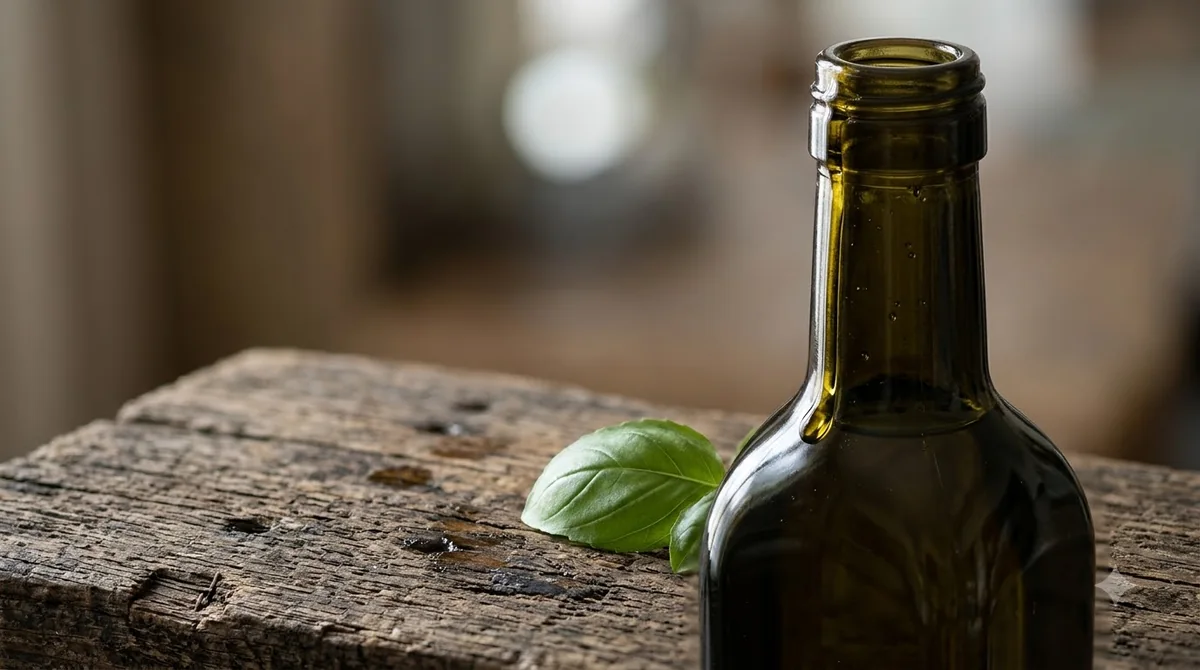

The best balsamic glaze for most kitchens is a thick, sweetened reduction of balsamic vinegar that you drizzle over food after cooking. Choosing the best balsamic glaze comes down to reading the label, since many store-bought versions add sugar, thickeners, and caramel coloring.
Glaze and vinegar are not interchangeable, so match the bottle to the job. Pick a glaze for drizzling and a plain balsamic vinegar for dressings.
| Glaze | Best for | Key fact |
|---|---|---|
| Bertolli | Overall store-bought pick | Scored 9.5 out of 10 in a 2025 taste test |
| DiBruno Bros | Thick glaze that clings | Scored 9 for cling |
| Monari Federzoni | Sweeter drizzle | Scored 8.5 for sweetness |
| DeLallo | Tart flavor with more bite | Scored 8 for tartness |
| Modernacetti | Flavor closest to vinegar | Scored 8 for balsamic flavor |

Colavita Balsamic Balsamic Glaze Pack of 1
Pros & ConsViewHide
Reasons to buy
- Rated 4.6 stars from thousands of ratings on Amazon
- Lower price than the Monari glaze
- Plastic bottle is lighter and harder to break
Reasons to avoid
- Check the label for added sugar and thickeners
- Not one of the glazes in the Sporked scores above

Monari Federzoni Glaze with Balsamic Vinegar
Pros & ConsViewHide
Reasons to buy
- Monari Federzoni scored 8.5 and was named Best Sweet in the Sporked taste test
- Made with balsamic vinegar of Modena
- Rated 4.7 stars on Amazon
Reasons to avoid
- Highest price in this set
- Listed as a pack of 2, so check the size you are buying

365 by Whole Foods Market, Organic Balsamic Glaze
Pros & ConsViewHide
Reasons to buy
- Organic glaze at a low price
- Rated 4.6 stars from about 2,271 ratings on Amazon
Reasons to avoid
- Not one of the glazes in the Sporked scores above
- Check the label for added sugar and thickeners
What is balsamic glaze and what goes into it
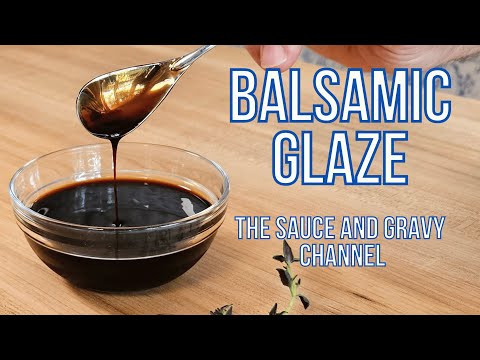
Balsamic glaze is balsamic vinegar reduced over heat until it turns thick and syrupy, according to Giusti’s guide to vinegar and glaze. The thicker texture is what separates a glaze from the liquid vinegar it came from.
Making your own best balsamic glaze at home is a simple reduction. Many commercial products go further. According to the same guide, many commercial glazes add sugar or grape concentrate, thickeners such as starch or gums, and caramel coloring. Added sugar also helps explain why glaze is highly shelf-stable.
A bottle that says balsamic glaze can therefore taste very different from another one. The best balsamic glaze for you depends on how much sweetness, body, and color you want on the plate.
Balsamic glaze vs balsamic vinegar
Balsamic vinegar is thin and naturally aged, while the best balsamic glaze is thicker and sweeter, so the two suit different jobs. Use vinegar where acidity matters and glaze where a rich finish matters. For a deeper comparison, see our balsamic glaze vs balsamic vinegar guide.
| Feature | Balsamic vinegar | Balsamic glaze |
|---|---|---|
| Texture | Fluid | Thick and syrupy, and it keeps thickening as it cools |
| Flavor | Balanced acidity and layered aroma | Sweeter and more direct |
| How thickness forms | Natural concentration over years of aging | Reduction, often with added sugar or thickeners |
| Best use | Vinaigrettes, marinades, deglazing, roasted vegetables | Drizzle on pizza, Caprese, aged cheese, strawberries, gelato |
Giusti notes that vinegar gets its body from natural concentration over time, not from added sugar or thickeners. That is why a plain vinegar works in a dressing, while a sweet glaze can overpower one. Glaze is not ideal for salad dressings or marinades, where acidity does more of the work.
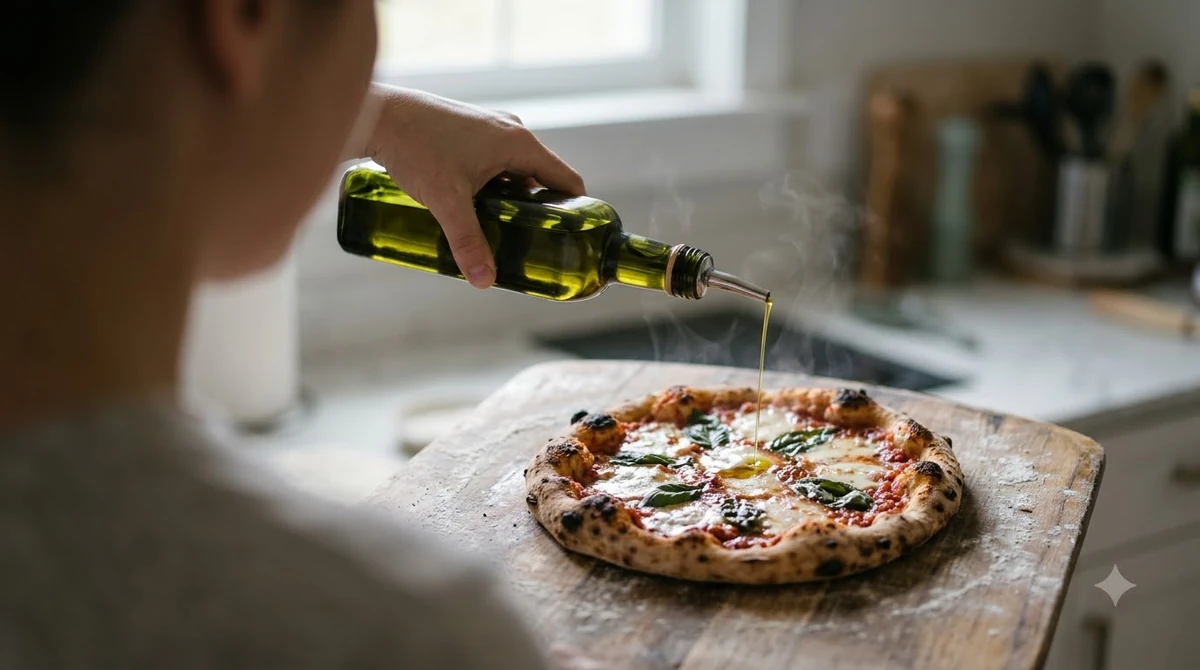
The best balsamic glaze shines as a finishing drizzle. The same guide lists pizza, flatbreads, Caprese salad, aged cheeses, strawberries, and gelato as good places for it. Keep your vinegar for cooking and your glaze for the last step.
How to read the label on a store-bought glaze
Before you buy the best balsamic glaze, check the ingredient list for added sugar, grape concentrate, thickeners, and caramel coloring. Each one changes how the glaze tastes, how it clings, and how it looks on the plate.
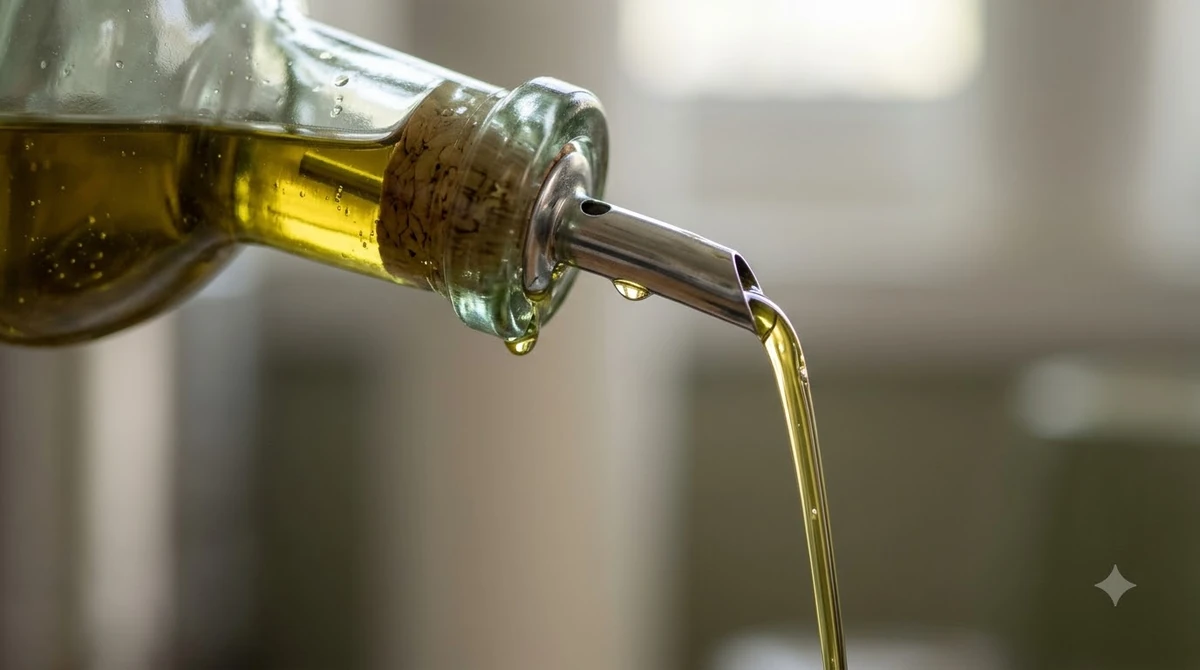
- Sugar or grape concentrate: sweetens the glaze and supports shelf stability.
- Starch or gums: thicken the glaze so it coats food instead of running off.
- Caramel coloring: darkens the bottle without changing the base flavor much.
- Vinegar base: look for cooked grape must and wine vinegar on the label.
A short ingredient list usually means a cleaner, more vinegar-like taste in the best balsamic glaze. A long one usually means more sweetness and a thicker pour. Neither is wrong, but you should know which one you are buying.
Modena IGP and what the official label means
Authentic balsamic from Modena carries an IGP designation, and the consortium sets strict rules for the words printed on the bottle. Learn those markers before you trust a label. For the vinegar itself rather than the glaze, see our best balsamic vinegar of Modena guide.
The consortium’s label guide for Aceto Balsamico di Modena IGP lists three things to look for: the full name Aceto Balsamico di Modena, the words Indicazione Geografica Protetta or IGP, and the yellow and blue PGI logo. A black-and-white version of the logo may also appear.
Aging claims are limited. Vinegar aged more than three years may carry the term Invecchiato, and vinegar aged more than five years may carry Riserva. Words such as extra, fine, selected, superior, or classic are not permitted on the designation.
This rulebook covers Modena IGP balsamic vinegar. If a best balsamic glaze names the vinegar it uses, check that name against these markers. If it does not name one, read the ingredient list instead.
Best balsamic glaze picks from one taste test
In a March 2025 taste test of nine glazes, Sporked ranked Bertolli first with a score of 9.5 out of 10. The review was written by Hebba Gouda, and it is one reviewer’s result, not a lab test.
The reviewer tasted each glaze with mozzarella and on its own. The judging points were sweetness, sourness, how closely the glaze tasted like balsamic vinegar, and how well it clung. The scores below come from that page.
| Glaze | Score | Standout trait |
|---|---|---|
| Bertolli | 9.5 | Best of the Best |
| DiBruno Bros | 9 | Best Cling |
| Monari Federzoni | 8.5 | Best Sweet |
| DeLallo | 8 | Best Tart |
| Modernacetti | 8 | Best Balsamic Flavor |
The page does not show prices, so compare the bottle sizes and ingredient lists in your own store. Among the bottles in the product box above, only the Monari Federzoni glaze is one of the five scored here; the others were not part of that test. Use the standout traits to pick the best balsamic glaze for your dish: a cling-focused bottle for meats and a sweeter one for fruit or dessert.
How to make balsamic glaze at home
Making the best balsamic glaze at home is simple. Simmer balsamic vinegar over low heat for 10 to 15 minutes, stirring, until it is slightly thickened. Giusti’s homemade method works for a plain vinegar, and the result is a simple reduction.
- Pour the vinegar into a small, wide saucepan so it reduces evenly.
- Simmer over low heat for 10 to 15 minutes, stirring now and then.
- Stop when it is slightly thickened. It is not yet at its final texture.
- Let it cool in the pan, because the glaze keeps thickening as it cools.
- Pour it into a clean, sealed bottle once it has cooled.
If your vinegar is already sweetened, your best balsamic glaze will taste sweeter. Check the ingredient list first. A homemade reduction has no stabilizers, so the texture depends on how far you reduce it.
Common mistakes when buying or using glaze
The most common mistake is using the best balsamic glaze where a thin vinegar belongs, such as a vinaigrette. A glaze is thick and sweet, so it can mask the sharp notes that make a dressing work.
- Using glaze in dressings or marinades, where acidity matters more than sweetness.
- Buying on color alone, since caramel coloring can make a glaze look richer than it tastes.
- Skipping the ingredient list and assuming every bottle is the same.
- Judging the texture too early, because the glaze keeps thickening as it cools.
Frequently Asked Questions
Does balsamic glaze go bad?
The best balsamic glaze is highly shelf-stable, according to Giusti, because of its sugar content. Keep the bottle sealed and follow any storage instruction printed on the label. Sugar helps it last, but it is still a food product, so check for changes in smell or appearance before using it.
Is balsamic syrup the same as balsamic glaze?
People often use balsamic syrup as another name for glaze. Brands do not always agree on the term, so the ingredient list is the better guide. Look for sugar, grape concentrate, and thickeners to see how sweet and thick the bottle will be.
Can I use balsamic glaze on pizza?
Yes. Giusti lists pizza and flatbreads among the best uses for glaze, as a finishing drizzle. Add the best balsamic glaze after the pizza is cooked.
Why does my glaze get thicker after it cools?
Giusti notes that glaze keeps thickening as it cools. Take it off the heat when it is only slightly thickened, then let it cool before judging the texture.
Can glaze replace vinegar in a salad dressing?
Not well. Giusti says glaze is not ideal for salad dressings or marinades, where the sharper acidity of vinegar matters more. Use a plain balsamic vinegar for a vinaigrette and keep the glaze for drizzling over the finished salad.
Pick the best balsamic glaze by reading the ingredient list first, then matching texture to the dish. A thick glaze with a short list works well for drizzling over pizza, Caprese, or dessert. For dressings, buy a plain balsamic vinegar instead. More buying guides are in our Gear & Pantry guides.
 9 min readGear & PantryBest Jarred Pizza Sauce: How to Choose One That Tastes FreshUpdated Nov 10, 2026
 8 min readGear & PantryBest Pecorino Romano: How to Pick a Wedge That Tastes RightUpdated Nov 12, 2026
 9 min readGear & PantryBest Food Mill: How to Choose the Right One in 2026Updated Nov 12, 2026
 8 min readGear & PantryGozney Arc Cover: How to Choose the Right OneUpdated Nov 10, 2026
 7 min readGear & PantryCorzetti Stamp: How to Choose the Right One for Home PastaUpdated Nov 10, 2026
 8 min readGear & PantryBest Balsamic Vinegar: How to Choose a Good Bottle in 2026Updated Nov 17, 2026