
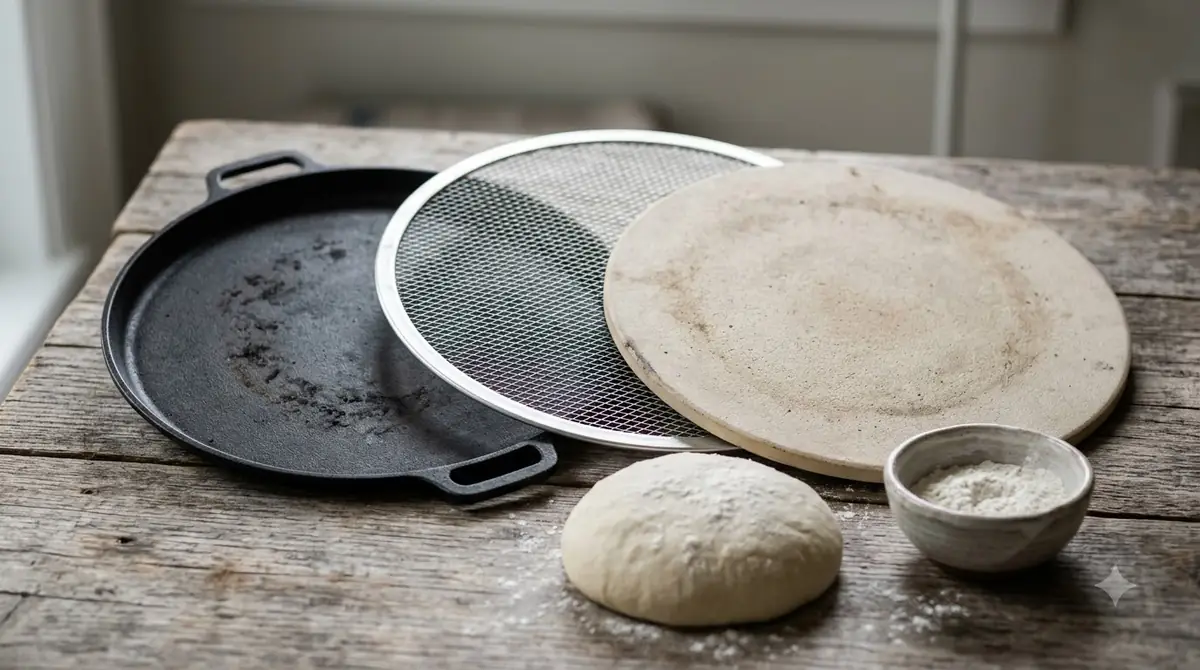

The best cast iron skillet for pizza is a bare, pre-seasoned pan around 12 inches, since cast iron holds heat and helps crisp the bottom crust. Your dough amount and oven space decide the exact size. Prices change often, so check current listings before you buy.
Size, surface and handles matter more than brand names. A smooth, uncoated interior gives the crispest base, which is what the best cast iron skillet for pizza should deliver.
| Pick | Best for | Key fact |
|---|---|---|
| Lodge pizza pan | Bakers who want a pan ready to use | Pre-seasoned with carbonized oil, dual handles |
| Smithey No. 14 | Buyers who want a smoother machine-finished surface | Dual handles and a machine-smoothed surface, per Gear Patrol |
| Bare 12-inch skillet | One large pizza at home | A common favorite in one recipe blog |

Lodge Pre-Seasoned Cast Iron Skillet with Silicone
Pros & ConsViewHide
Reasons to buy
- 12-inch pre-seasoned cast iron skillet that fits one large pizza
- Silicone handle holder helps when lifting a hot pan
- Very high rating from a large number of buyers
Reasons to avoid
- Heavy to lift in and out of a hot oven
- Check oven size before buying a 12-inch pan

Lodge BOLD Pre-Seasoned Cast Iron Pizza Pan
Pros & ConsViewHide
Reasons to buy
- 14-inch pre-seasoned cast iron pizza pan with handles
- Cast iron holds heat for a crisp bottom crust
- Ready to use out of the box
Reasons to avoid
- A flat pan has no sides, so wet toppings can run off
- Heavy and needs hand washing and drying

Lodge Pre-Seasoned Cast Iron Pizza Pan, PFAS-Free
Pros & ConsViewHide
Reasons to buy
- 15-inch pre-seasoned cast iron pizza pan
- Lower price than the other cast iron pizza pans listed
- Cast iron holds heat for a browned crust
Reasons to avoid
- Large pan, so measure the oven before buying
- Heavy and needs hand washing and drying

Field Company No.10 Large Cast Iron Skillet
Pros & ConsViewHide
Reasons to buy
- Smooth, polished cooking surface
- Pre-seasoned and lighter than many cast iron skillets
- 11.6-inch size fits one pizza
Reasons to avoid
- Much higher price than a standard cast iron skillet
- Fewer buyer ratings than the larger brands
Why cast iron works for pizza
Cast iron works for pizza because it holds heat well, which is the main reason the best cast iron skillet for pizza browns the bottom of the crust so reliably. Lodge describes its cast iron as having great heat retention for even cooking, and says it heats up fast.
Lodge also says cast iron can withstand high temperatures without breaking or warping. That matters when the pan goes into a hot oven for a long preheat and then holds that heat while you slide in the dough.
Heat retention only helps when the pan is fully hot before the dough goes in. A cold pan gives a pale, soft base even if the skillet itself is well made, so preheating is not optional.
How to choose the right size
Size comes first when you shop for the best cast iron skillet for pizza. Choose a 12-inch pan when you want one large pizza from a single dough ball. A pan of 10 inches or smaller works when you cut the dough in half and make two pizzas.
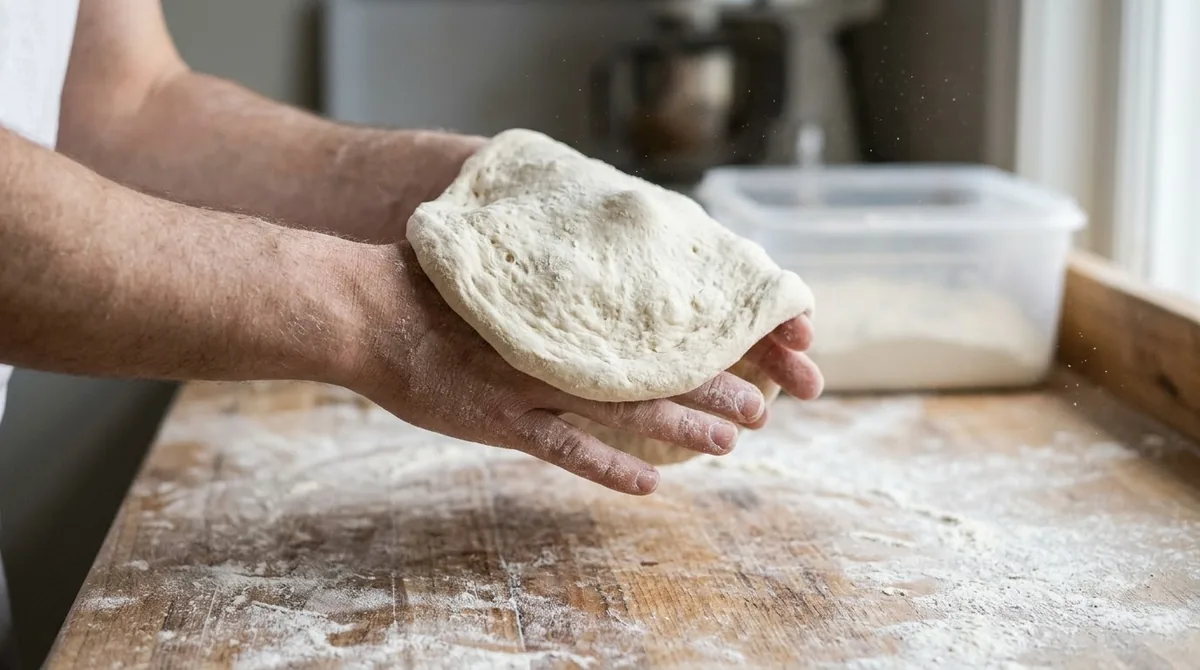
One recipe blog uses a 14- to 16-ounce dough ball, which yields one 12- to 14-inch pizza or two 6- to 10-inch pizzas. Match your dough to the pan before you buy the best cast iron skillet for pizza, so the crust fills the surface without spilling over the rim. Pans sized for focaccia follow the same logic, as our guide to the best focaccia pans explains.
| Pan size | Dough use | Result |
|---|---|---|
| 10 inches or smaller | Cut one dough ball in half | Two smaller pizzas |
| 12 inches | One 14- to 16-ounce ball | One large pizza |
Gear Patrol notes that a skillet with about 10 inches of cooking space makes a pizza with a thicker crust. If you prefer a thinner base, a wider pan gives you more room to stretch the dough before it goes in.
Oven fit matters as much as dough size. Measure your oven’s interior before you buy, because a 12-inch pan needs room on the middle rack with air around its edges. A pan that touches the oven walls will heat unevenly.
What to look for in a pizza skillet
When you shop for the best cast iron skillet for pizza, look for a bare, uncoated interior, a smooth cooking surface and dual handles, because each one affects browning, release and safe lifting.
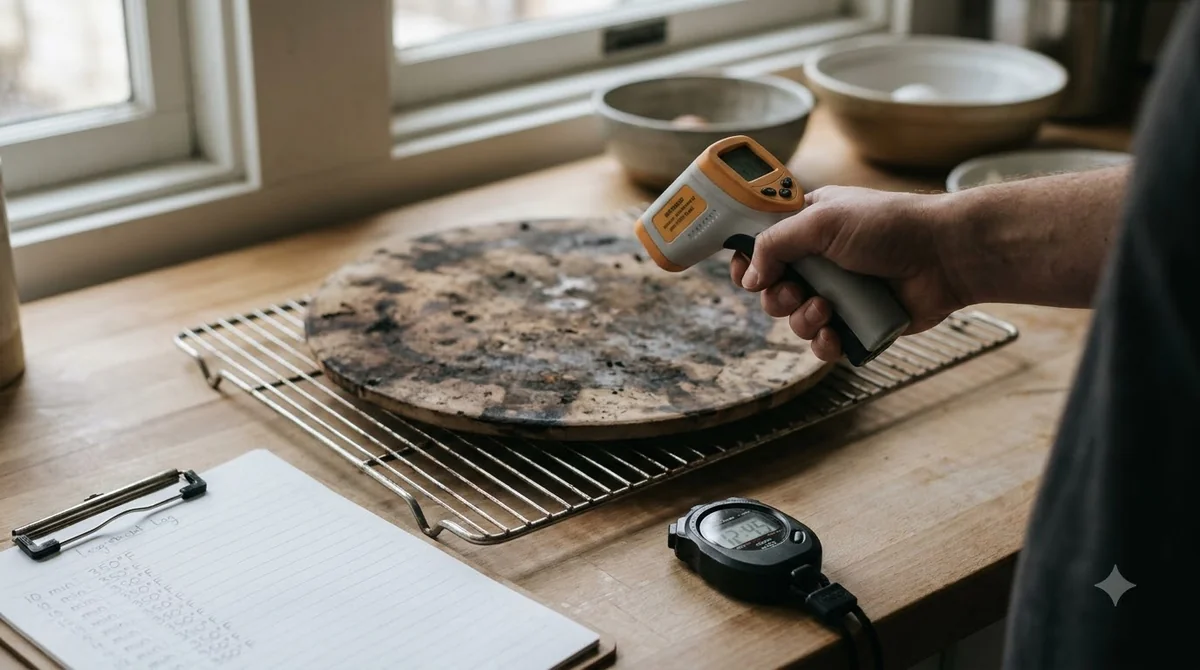
- Bare interior. One recipe blog warns that an enamel coating stops the pizza from browning evenly and getting a crisp crust.
- Smooth surface. Gear Patrol says cheaper skillets have a coarse texture that grabs food, so a smoother finish matters for dough release.
- Dual handles. The Lodge pizza pan and the Smithey No. 14 both have two handles, which helps when you lift a hot pan from the oven.
- Pre-seasoning. Lodge’s pizza pan comes with a layer of carbonized oil, so it is ready to use out of the box.
Handles are a safety point as much as a convenience. On the best cast iron skillet for pizza, a pan with two handles lets you grip it on both sides when it comes out of a 500 F oven, which lowers the chance of a one-handed slip.
Skip a pan whose surface looks rough or uneven. Gear Patrol’s point about cheaper textures applies here, because a rough finish can hold dough and make the pizza harder to slide off.
Top picks for the best cast iron skillet for pizza
Two options stand out for pizza: the Lodge pizza pan, which ships pre-seasoned, and Smithey’s No. 14, which Gear Patrol featured in a 2020 article that was updated in 2022.
Lodge’s pizza pan is seasoned with a layer of carbonized oil and has dual handles. Lodge’s pizza pan guide also suggests sprinkling cornmeal or semolina so the pizza slides off the pan.
Gear Patrol’s Smithey pizza skillet article presents the No. 14 as a pizza skillet and cites its machine-smoothed surface and dual handles. The article does not state the cooking surface size, so confirm it on the product page, since retailer listings disagree on it.
Either one can be the best cast iron skillet for pizza for you. Choose the Lodge pizza pan if you want a pan ready to use. Choose the Smithey No. 14 if the smoother surface that Gear Patrol describes matters more to you. Price is a real factor, because Gear Patrol says the No. 14 is not cheap and names Lodge as the cheaper alternative. Prices change often, so check the current price in the product boxes above.

How to bake pizza in a cast iron skillet
Preheat the oven to 500 F for 45 minutes to 1 hour, with the rack in the middle, then bake the pizza 10 to 12 minutes, according to one recipe blog.
- Place the rack in the middle and preheat the oven to 500 F for 45 minutes to 1 hour.
- If you start on the stovetop, heat the empty pan on medium for 3 to 5 minutes before adding oil and dough.
- Sprinkle cornmeal or semolina in the pan, then shape one 14- to 16-ounce dough ball to fit.
- Bake 10 to 12 minutes, until the edges are golden and the bottom browns evenly.
Lodge calls preheating the key to a crispy crust, but its page gives no time, so the 45-minute figure comes from the recipe blog. Use the blog’s numbers as a starting point and adjust for your oven.
The same method works in any bare cast iron pan that fits your oven (our cast iron skillet pizza recipe shows a full bake), so it applies to whichever best cast iron skillet for pizza you pick. Check the bottom edge before you pull the pizza, because a golden edge is a better sign of doneness than the clock alone.
Common mistakes to avoid
The most common mistake when shopping for the best cast iron skillet for pizza is buying an enameled skillet, because the coating keeps the bottom from browning the way a bare cast iron pan does.
- Using an enameled pan, which blocks the crisp bottom crust.
- Skipping preheat, so the dough starts cool and sticks.
- Choosing a pan too small for the dough ball, forcing you to split it.
- Forgetting cornmeal or semolina, which Lodge recommends for sliding the pizza out.
A quieter mistake is assuming every pan sold as the best cast iron skillet for pizza performs the same way. The surface, the size and the handles each change how the pizza behaves, so check all three before you commit to a purchase.
Care after baking
Wash cast iron by hand, dry it fully with a lint-free cloth or paper towel, then rub on a light layer of cooking oil. Lodge recommends this routine after each use, and it keeps the seasoning in good shape. If your pan has lost its finish, our guide on how to season a cast iron pizza pan walks through the fix, and looking after the best cast iron skillet for pizza this way keeps it ready for the next bake.
Avoid leaving a wet pan on the counter, since moisture is the main enemy of a seasoned surface. Dry the pan on the stove for a moment if you need to speed things up.
Frequently Asked Questions
What is the best cast iron skillet for pizza by size?
A 12-inch skillet is a common favorite because it fits one large pizza from a 14- to 16-ounce dough ball. Pans of 10 inches or smaller work if you cut the dough in half and make two pizzas.
Can I use an enameled cast iron skillet for pizza?
Avoid it if you want a crisp bottom. One recipe blog says the enamel coating keeps the pizza from browning evenly, so a bare cast iron pan is the safer choice.
Do I need to preheat a cast iron skillet for pizza?
Yes. Lodge calls preheating the key to a crispy crust. One recipe blog suggests 45 minutes to 1 hour in a 500 F oven, or 3 to 5 minutes on medium on the stovetop.
Should a cast iron pizza pan come pre-seasoned?
A pre-seasoned best cast iron skillet for pizza is easier to start with. Lodge’s pizza pan comes with a layer of carbonized oil, so you can start baking without a seasoning routine. Check the care notes on any pan you buy, because seasoning practices vary by brand.
How much dough do I need for a skillet pizza?
One recipe blog uses a 14- to 16-ounce dough ball for a skillet pizza. That amount yields one 12- to 14-inch pizza or two 6- to 10-inch pizzas, depending on the pan you choose, so size your best cast iron skillet for pizza to the dough you usually make.
How do I keep pizza dough from sticking to a cast iron pan?
Sprinkle cornmeal or semolina in the pan before the dough goes in, as Lodge suggests. Preheating the pan well also helps the crust release more easily, whichever best cast iron skillet for pizza you choose.
If you want one large pizza, the best cast iron skillet for pizza for your kitchen is a bare 12-inch pan with dual handles. You will find more cookware picks in the Gear & Pantry guides. If you cook for one or two, a 10-inch pan keeps the dough portions small and easier to handle.
 10 min readGear & PantryHow to Season a Cast Iron Pizza PanUpdated Nov 11, 2026
 9 min readGear & PantryBest Pizza Peel for Gozney Tread: How to Choose the Right Size and TypeUpdated Nov 11, 2026
 9 min readGear & PantryBest Pizza Peel for Ooni Karu 12: How to Choose the Right Size and MaterialUpdated Nov 10, 2026
 9 min readGear & PantryLasagna Pan: How to Choose the Right Size, Depth and MaterialUpdated Nov 16, 2026
 9 min readGear & PantryPasta Pot Buying Guide: How to Choose the Right Size and InsertUpdated Nov 16, 2026
 9 min readGear & PantryHow to Choose a Pizza Stone Size That Fits Your OvenUpdated Nov 11, 2026