
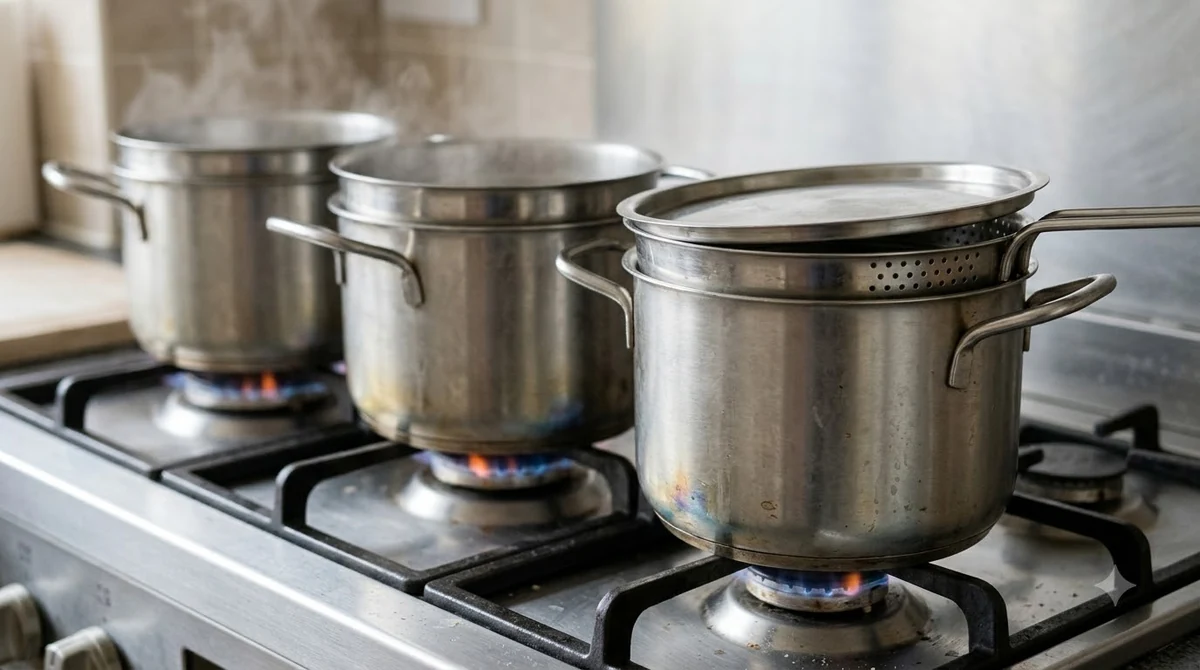

A pasta pot is a tall stockpot sized to boil a pound or more of dried pasta at once, and many models include a strainer insert that lifts the noodles out of the water. Most cooking guides suggest 4 to 6 quarts of water for each pound of pasta, so a 6 to 8 quart pot is the usual choice for a family. The sizes and materials below help you match a pot to your stove and the way you cook, as of 2026-11-07.
What Is a Pasta Pot and How Is It Different from a Stockpot?
A pasta pot is a large, deep pot made for boiling pasta in volume, and it is closely related to the stockpot. A stockpot is a large, often deep pot used to prepare soups or simmer liquids, and it is typically a wide pot with a flat bottom and straight sides. Stockpots do not come in standard sizes, and the examples on record include a 12 liter pot and a pot 28 cm across, so a pasta pot should be checked against your own stove.
The main difference is the job the pot is designed for. A pasta pot is sized for boiling a large batch of noodles, and some models add a strainer insert, while a general stockpot has no fixed pasta role. You can use a stockpot for pasta if it is tall enough for the water to boil without spilling and wide enough to hold the noodles loosely.
- Check the total capacity in quarts or liters on the product sheet.
- Check the diameter, because a strainer insert must match it.
- Check that the handles stay cool enough for a full pot to be lifted safely.
How Many Quarts Do You Need for a Pound of Pasta?
Most guides put the water needed at about 4 to 6 quarts for every pound of dried pasta. Eataly describes 4 quarts of boiling water for each pound as a good rule of thumb, while Lidia Bastianich stands by 6 quarts per pound and notes that 4 quarts still produces an acceptable dish, according to a New York Times report quoted by Tasting Table. The ratio is a starting point, not a law, so a pasta pot with a little extra room is safer than one that is filled to the brim.
| Source | Water guidance | Pot guidance |
|---|---|---|
| Eataly (rule of thumb) | 4 quarts per pound | Not stated |
| Lidia Bastianich (NYT) | 6 quarts per pound, 4 quarts acceptable | Not stated |
| Smithsonian Magazine | Not stated | 6 to 8 quart pot, about three-quarters full for 1 pound |
A pasta pot in the 6 to 8 quart range fits the Smithsonian guidance, and it also leaves room for the water to rise when it boils hard. The pot must still hold enough water for the pasta to move freely, whichever end of the range you choose.
Stainless Steel, Aluminum or Copper: Which Pot Material Works Best?
Stainless steel is a common material for a pasta pot, but it is not the best conductor of heat on its own. According to Wikipedia’s cookware and bakeware overview, stainless steel has relatively poor thermal conductivity, which is why many stainless pots are clad over an aluminum or copper core to spread heat more evenly. Stockpots are also made from aluminum, copper and enamel on metal.
- Stainless steel: common and widely sold, but poor on its own at spreading heat.
- Aluminum: very good thermal conductivity, and uncoated aluminum can react with acidic foods.
- Copper: the highest conductivity among non-noble metals, but it is reactive with acidic foods, so it is often lined.
- Enamel on metal: a coated option that is listed among common stockpot materials.
For a pasta pot that boils large volumes of water often, a clad stainless steel body is a practical default. Uncoated aluminum should not be used to hold acidic sauces for long, so check the coating before using it that way.
How a Strainer Insert Works
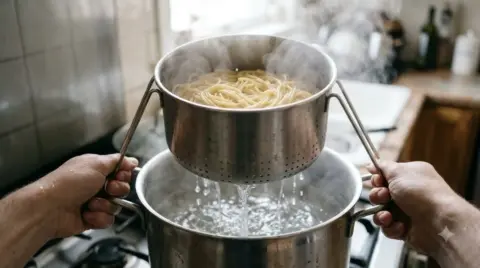
A strainer insert is a perforated basket that sits inside the pasta pot and lifts cooked pasta out of the boiling water without a separate colander for pasta. A colander is a bowl-shaped utensil with holes that strains food, and it is made from aluminum, thin stainless steel, plastic, silicone, ceramic or enamelware. Wikipedia’s colander entry notes that a colander fitted inside a cooking pot lets the food drain as it is lifted out.
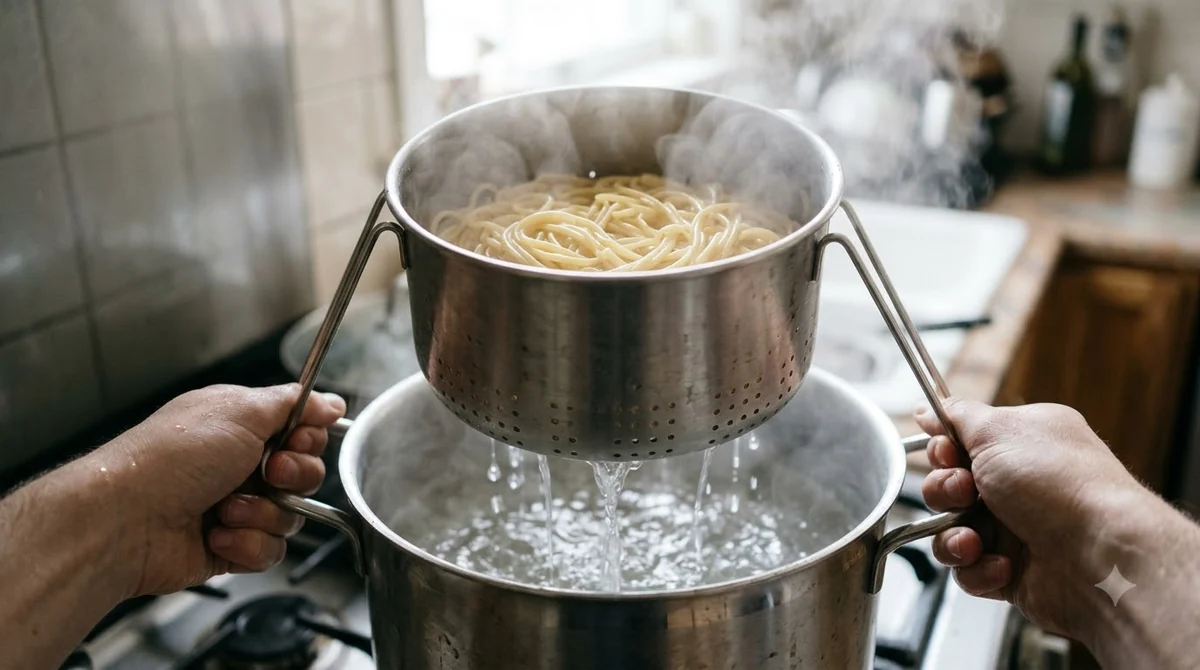
The Made In Pasta Insert is one example of how these inserts are specified. The brand says it fits 6 and 8 quart stock pots, and its listed total diameter is 10.75 inches, with a cooking surface of 7.75 inches. It weighs 1.7 pounds and is made of premium stainless steel, and the brand page gives a price of USD 99.00 as of 2026-11-07. The page recommends hand washing and says the insert is oven safe up to 800 F.
Use this checklist before you buy an insert:
- Compare the insert diameter with the pot’s inside diameter.
- Confirm the pot size named in the insert listing, such as 6 or 8 quarts.
- Choose a handle design that you can lift with oven mitts while the pasta is hot.
How Big Should a Pasta Pot Be for Your Kitchen?
For most home cooks, a 6 to 8 quart pasta pot covers a pound of dried pasta with enough water to boil freely. The Smithsonian guidance on a 6 to 8 quart pot filled about three-quarters of the way up is a practical reference point for one pound.
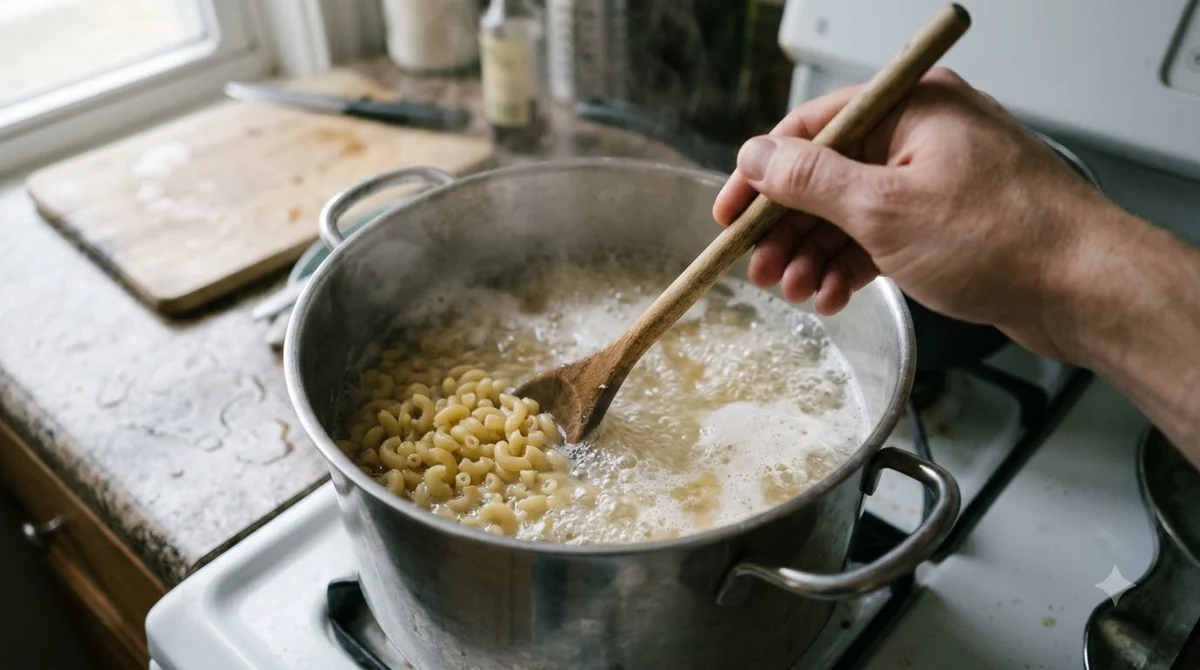
A larger pot is useful when you cook for a crowd or make a double batch, but it needs more water and a stove burner that can heat it. A smaller pot can work for a single serving, though it is harder to stir and the water may not return to a boil quickly after the pasta goes in. Measure your largest burner before choosing a large pot, since a wide base on a small burner heats unevenly, so a pasta pot that fits the burner is the safer buy. Our tips on cooking pasta for a large group explain how to time the batches.
Salt, Water and Timing: Common Mistakes With a Pasta Pot
Add salt to the cooking water, because salt is part of the standard method for Italian pasta, and it does not change how fast the pasta cooks. The Wikipedia entry on pasta states that it does not matter whether the salt goes in before or after the water comes to a boil.
- Filling the pot to the brim, which makes the water overflow when the pasta goes in.
- Adding the insert after the water is hot, which can splash boiling water.
- Skipping salt because it is assumed to change the cooking time.
- Using a pot that is too short for the amount of water the recipe needs.
Pasta Pot Checklist Before You Buy
Before you buy, check the capacity, diameter, material, insert fit and care instructions. The table below lists what to look for and why it matters.
| Attribute | What to check |
|---|---|
| Capacity | 6 to 8 quarts for one pound of pasta, per the guidance above |
| Diameter | Match the insert to the pot, since an insert listed for one size may not fit another |
| Material | Clad stainless steel or aluminum for even heat; check any coating |
| Care | Hand wash or dishwasher safe, as stated on the product sheet |

What Remains Unverified
Several details are not confirmed in this guide. The manufacturer pages for some other pasta pots could not be read, so their capacity, dishwasher safety and insert fit are not stated here. The Made In dishwasher rating is not stated on its page, so check the care label or contact the brand before putting the insert in a dishwasher. Prices change, so confirm the current price with the seller.
If you need to confirm a specific model, look for the product’s dimensions and capacity on the manufacturer’s sheet, then compare the diameter with your existing pot. More cookware picks are listed in the Gear & Pantry guides.
Frequently Asked Questions
Can a stockpot replace a pasta pot?
Yes, if the stockpot is tall enough to hold the water without spilling and large enough for the pasta to move freely. Check the capacity in quarts and the diameter before using it for a full pound.
How many quarts of water do I need for two pounds of pasta?
The same ratio applies, so plan for roughly 8 to 12 quarts of water for two pounds, which means a larger pot than one used for a single pound. Use a pasta pot large enough to hold that water with room left at the top.
Do I need a strainer insert?
No, but an insert lets you lift the pasta out without a separate colander and without pouring boiling water through a sink strainer. It is most useful for large batches, and its diameter must match the pot.
Should I add salt to the pasta water?
Yes, salt is added to the cooking water for Italian pasta. Wikipedia notes that the timing does not matter and that salt does not change how quickly the pasta cooks.
Can I put a pasta insert in the dishwasher?
The Made In Pasta Insert page recommends hand washing, and it does not state dishwasher safety. Follow the care label on your pasta pot and insert, and check with the brand if the label is unclear.
How much does the Made In pasta insert cost?
The brand page listed USD 99.00 as of 2026-11-07. Prices can change, so check the current price on the brand site before you buy.
A pasta pot is a simple tool, but the right size and insert fit make a real difference to how easily you cook and drain a full batch. Start with the capacity and diameter, then choose the material and care method that fit your kitchen. Measure your pot before buying an insert, because a mismatch is the most common reason an insert does not work.
 9 min readGear & PantryHow to Choose a Pasta Pot Size That Fits Your CookingUpdated Nov 11, 2026
 9 min readGear & PantryLasagna Pan: How to Choose the Right Size, Depth and MaterialUpdated Nov 16, 2026
 9 min readGear & PantryBest Pizza Peel for Ooni Karu 12: How to Choose the Right Size and MaterialUpdated Nov 10, 2026
 9 min readGear & PantryBest Pizza Peel for Gozney Tread: How to Choose the Right Size and TypeUpdated Nov 11, 2026
 9 min readGear & PantryBest Cast Iron Skillet for Pizza: How to Choose the Right SizeUpdated Nov 13, 2026
 9 min readGear & PantryHow to Use a Pasta Pot with Strainer, Step by StepUpdated Nov 11, 2026