
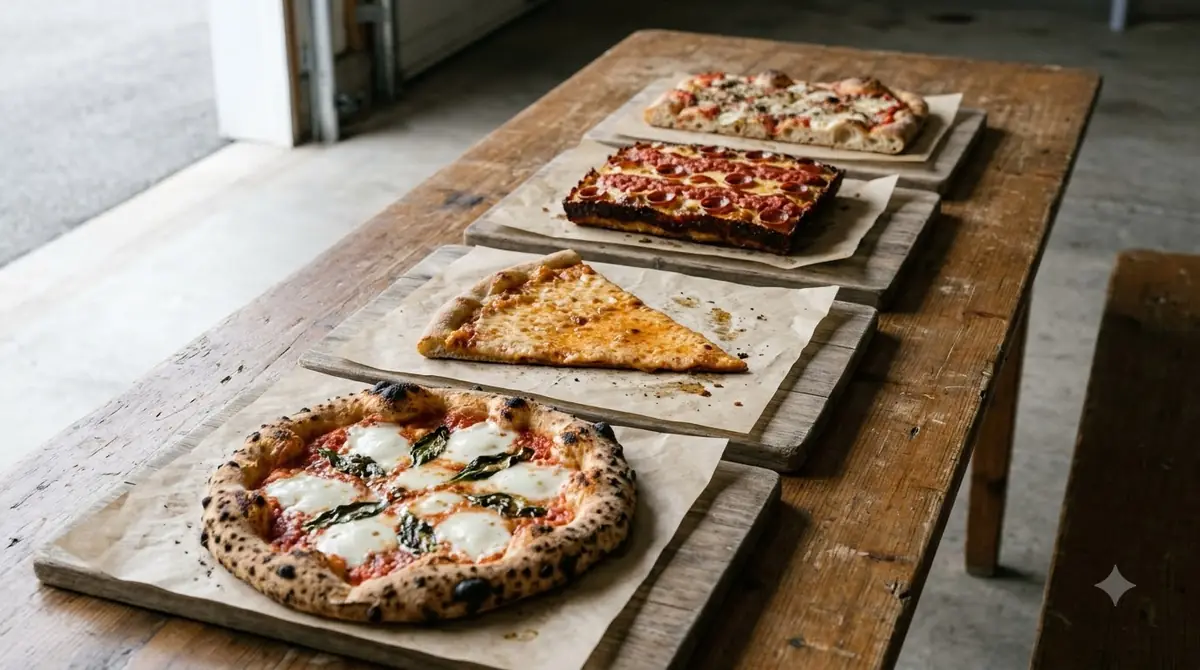

The best focaccia pan for most home bakers is a dark aluminum pan, because aluminum conducts heat fast and dark metal browns the bottom well. In King Arthur Baking’s side-by-side test of four 9 inch pans, the black aluminum pan gave the crispiest base.
The best focaccia pan also depends on loaf height: choose a Detroit-style pan for a thicker, taller loaf, and a nonstick pan for easier release. Glass dishes and shiny tinfoil give the weakest bottom crust.
| Pick | Best for | Key fact |
|---|---|---|
| Dark anodized aluminum pan | Crispy, deep golden bottom | Best browning in King Arthur’s test |
| USA Pan 9×13 (aluminized steel) | Even bake with an airflow surface | 9 x 13 x 2.25 inches |
| Detroit-style deep pan | Thick, airy focaccia | 10 x 14 x 2.5 inches |
| Nonstick 9×13 cake pan | Easy release | Heavy-duty build, standard cake depth |
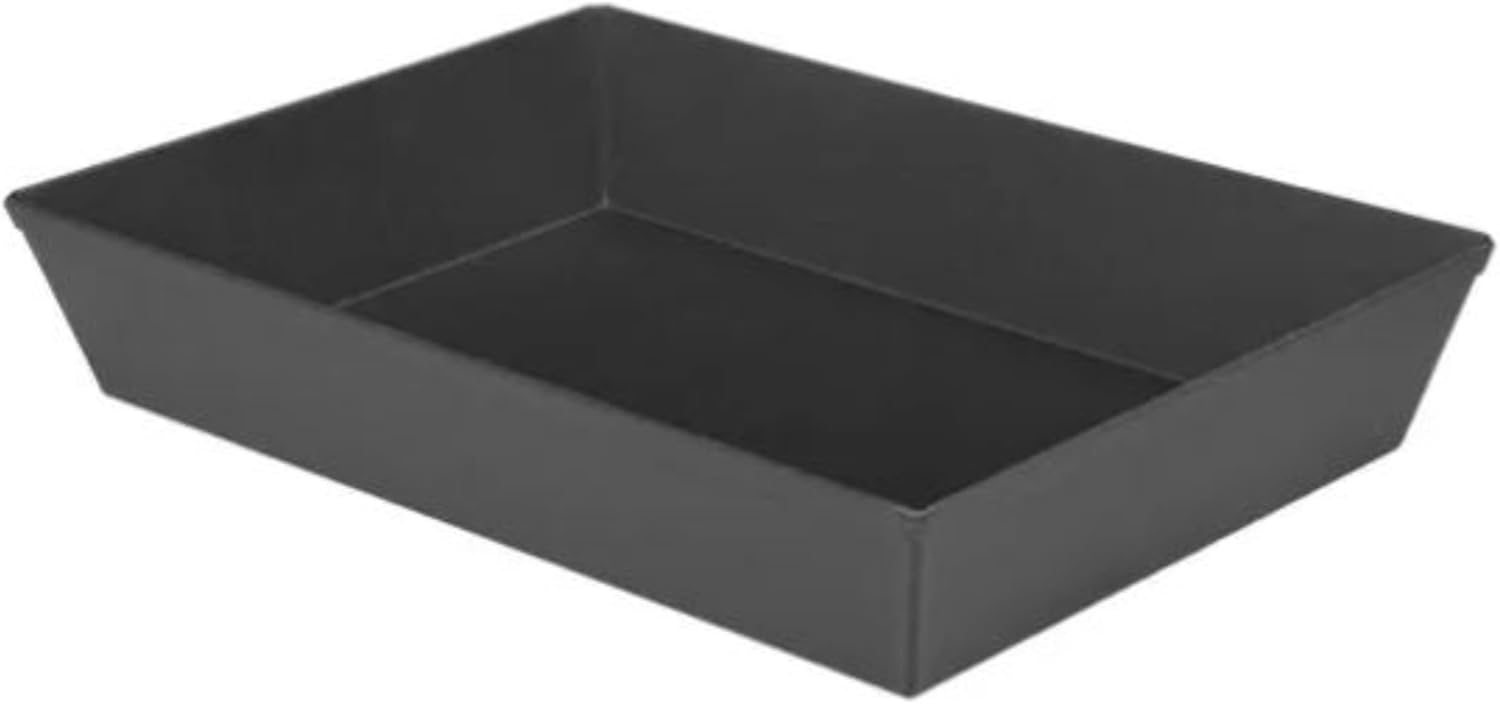
Lloyd Pans Detroit Style Pizza Pan 10 by 14 by 2.5
Pros & ConsViewHide
Reasons to buy
- 10 x 14 x 2.5 inch size suits a thick, airy focaccia
- Deep sides give a tall loaf with crisp edges
- Highly rated by buyers
Reasons to avoid
- Costs more than a standard 9x13 cake pan
- Check the manufacturer's care label for heat limits

USA Pan Bakeware Nonstick Rectangular Cake Pan
Pros & ConsViewHide
Reasons to buy
- Aluminized steel body conducts heat well
- Standard 9x13 size for a medium focaccia
- Corrugated surface is said to improve airflow under the dough
Reasons to avoid
- Nonstick coating needs hand washing
- Airflow benefit is a reviewer claim, not a lab measurement

Farberware Nonstick Bakeware 9-Inch x 13-Inch
Pros & ConsViewHide
Reasons to buy
- Nonstick surface helps the baked bread release
- Standard 9x13 size
- Lowest price of the three pans
Reasons to avoid
- Gray nonstick finish, not the bare dark metal that gave the crispiest base in King Arthur's test
- Depth is standard cake pan depth, so check the spec
How we chose
This list rests on published tests and named review guides, not on our own kitchen trials. Each pan type is judged as a candidate for the best focaccia pan, by how well it conducts heat and by the size and depth it bakes.
The strongest evidence comes from King Arthur Baking’s test, which baked focaccia in four 9 inch square pans and compared the crust, bottom browning and interior texture. For sizes and depths, this page also uses a KitchenwareSets review by Jennifer Smith, updated April 7, 2026, which lists pan dimensions and materials.
Where a source does not state a figure, such as weight or rim height, this page leaves that figure out rather than guess.
Material matters most
Dark aluminum browns focaccia fastest, and King Arthur’s test ranked it first, which makes it the best focaccia pan for a crispy, chewy base. Heat moves from the pan into the dough, so the metal and its color control how quickly the bottom sets and browns.
According to King Arthur Baking’s focaccia pan article, aluminum and aluminum-steel combinations are highly conductive, while stainless steel alone is not. Cast iron conducts well too, but it takes much longer than aluminum to heat through. Glass, stoneware and ceramic heat more slowly.
The four test results, all in 9 inch square pans, were:
- Black aluminum (Fabulous Focaccia Pan): best browning, crispiest bottom, and a moist, chewy interior.
- Gray steel-aluminum: moderately browned crust, a good choice if you do not need an extra-crisp bottom.
- Clear tempered glass: light gold crust, little bottom crispness, and a moister interior.
- Shiny tinfoil: underbaked, with a barely browned bottom and a gummy interior.
Color matters too. A dark interior heats faster than a shiny or light one, so a dark pan usually bakes focaccia more quickly than a light ceramic dish. If you want the crispest bottom, start your search for the best focaccia pan with dark, highly conductive metal.
Types of focaccia pans
The five common types are dark anodized aluminum, aluminized steel, Detroit-style deep pans, nonstick cake pans and rimmed sheet pans. Each one can be the best focaccia pan for a different dough and loaf height.
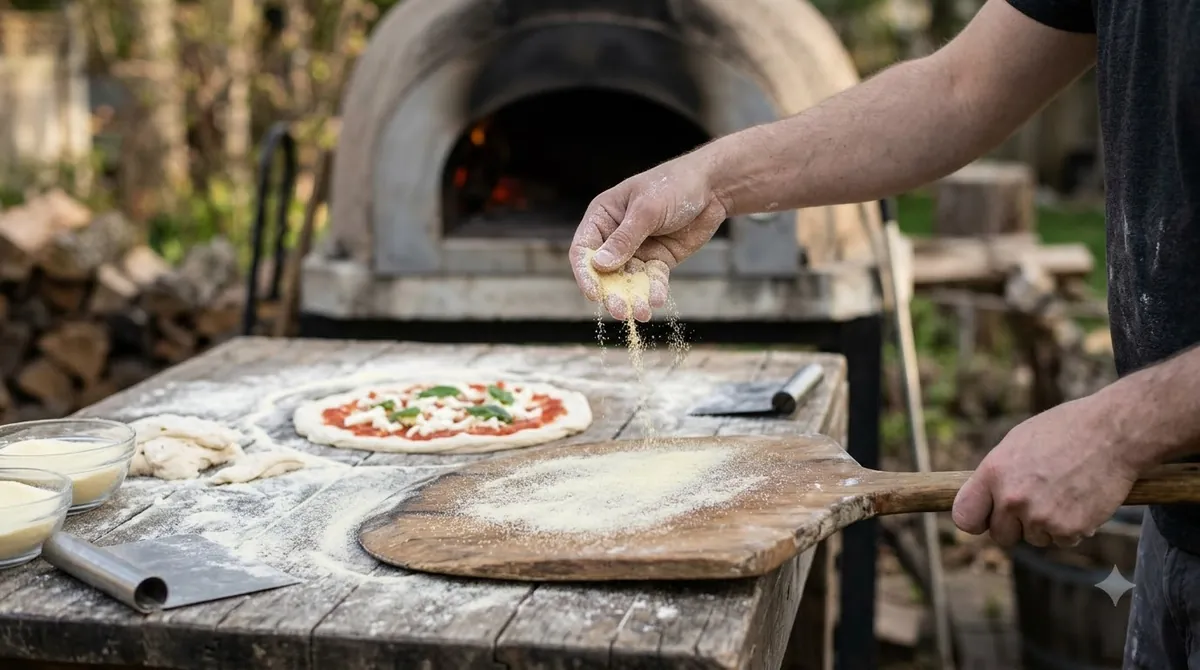
Dark anodized aluminum pan
This is the type King Arthur’s test rated first. Its black aluminum body heats quickly and gives a deep golden bottom. The tested Fabulous Focaccia Pan has a generous 2 inch depth, which makes it a strong pick for a thick focaccia with a moist center.
Aluminized steel with a corrugated surface
The USA Pan 9×13 measures 9 x 13 x 2.25 inches and is made of aluminized steel. Its corrugated surface is said to improve airflow under the dough, which may help prevent a soggy bottom. That is the reviewer’s claim, not a lab measurement, so judge it with your own bake. USA Pan’s site describes its bakeware as aluminized steel with an Americoat silicone nonstick coating, but that page did not list this specific pan.
Detroit-style deep pans
Detroit-style pans from brands such as Lloyd Pans and Jisculo measure 10 x 14 x 2.5 inches. The extra depth makes this the best focaccia pan for a thick, airy loaf with crisp edges, and our guide to the best Detroit-style pizza pans compares more of them. Jisculo is a hard-anodized aluminum pan, but its listing gives two heat limits, 500 F in the title and 800 F in the specs, so check the manufacturer’s care label before you go to high heat.
Nonstick 9×13 cake pans
A nonstick 9×13 pan, such as the heavy-duty Farberware version, makes the baked bread easier to lift out. That review lists the depth only as standard cake pan depth, so check the spec before you buy. A nonstick version can be the best focaccia pan for easy release, but King Arthur’s data points to bare dark metal for the crispest bottom.
Rimmed sheet pans
A rimmed sheet pan can be the best focaccia pan when you want a wide, thin loaf that works well for sandwiches, and the best pizza pans list covers similar options. Sizes vary by brand, so measure your oven before you buy. None of the sources used here confirms a specific sheet pan dimension, so this page does not give one.
Size and depth change the bread
A 9×13 pan bakes a medium focaccia, while a 10 x 14 Detroit pan with 2.5 inch depth gives a taller, airier loaf. Size controls how thick the dough sits, since a wider pan spreads the same dough thinner, so the best focaccia pan for you depends on the loaf you want.
| Pan type | Size | Depth | Best for |
|---|---|---|---|
| Dark aluminum (King Arthur test) | 9 inch square | 2 inches (Fabulous Focaccia Pan) | Crispy, medium-thick focaccia |
| USA Pan aluminized steel | 9 x 13 inches | 2.25 inches | Even bake with airflow surface |
| Detroit-style deep pan | 10 x 14 inches | 2.5 inches | Tall, airy focaccia |
| Farberware nonstick | 9 x 13 inches | Standard cake pan depth (not stated) | Easy release |
| Rimmed sheet pan | Varies by brand | Varies by brand | Wide, thin focaccia |
Dark pans bake faster, so check the crust earlier than the time in your recipe. A 9 inch square pan suits a smaller batch, but it holds noticeably less dough than a 9×13 pan.

Common mistakes with focaccia pans
Shiny tinfoil and clear glass gave the weakest bottoms in King Arthur’s test, so avoid them when you want a crisp base. Avoiding these mistakes matters as much as buying the best focaccia pan, because the wrong pan is the most common reason a loaf comes out pale or gummy underneath.
- Using shiny foil pans: they underbake the bottom and leave the inside gummy.
- Choosing glass for a crisp base: it browns lightly and does not match the bottom crispness of metal.
- Assuming every metal pan conducts the same way: stainless steel alone is not highly conductive, so check the material.
- Ignoring depth: a shallow pan gives a thinner focaccia than a 2 inch or 2.5 inch pan.
Cast iron conducts heat well but heats slowly, so give it a longer preheat than an aluminum pan before the dough goes in. If you use one, read how to season a cast iron pizza pan first.
How to choose the best focaccia pan
Finding the best focaccia pan starts with a dark, conductive metal, then choose the size by how thick you want the focaccia. Check the depth and coating before you buy, since those change the loaf more than the brand name does.
- Pick aluminum or aluminum-steel for the fastest bottom browning.
- Choose a 9×13 pan for a standard focaccia, or a 9 inch square for a smaller batch.
- Choose 2 to 2.5 inch depth for a tall, airy loaf.
- Pick nonstick only if easy release matters more than the crispest base.
Wash the pan by hand with mild soap and dry it fully after each bake. Oil the pan lightly before the dough goes in, using the amount your recipe gives. Our focaccia recipe is a good place to start, and you can browse more pasta and pizza gear guides while you shop.
Frequently Asked Questions
Is a dark pan the best focaccia pan?
For a crisp bottom, yes. In King Arthur’s test, the black aluminum pan gave the best browning and the crispiest bottom, with a moist, chewy interior.
Can I use a glass dish for focaccia?
You can, but expect a lighter crust. Glass is not the best focaccia pan for crispness, and the clear glass pan in the same test had little bottom crispness and a moister interior than the dark metal pans.
What size is a common 9×13 focaccia pan?
The USA Pan 9×13 listed in one review measures 9 x 13 x 2.25 inches. Sizes differ by brand, so check the label on any pan you buy before you plan the dough.
Do I need a nonstick focaccia pan?
No. Nonstick helps release the baked bread, but King Arthur’s test points to bare dark metal for the crispest bottom. Choose nonstick only if easy release matters most to you.
How much oil and dough do I need?
King Arthur’s article does not give these amounts and points to a separate recipe. Use the oil and dough quantities in the recipe you choose, sized to your pan.
For the crispiest bottom, the best focaccia pan is a dark aluminum pan or a 2.5 inch Detroit-style pan, depending on how thick you like your focaccia. Skip shiny foil and glass if a crisp base matters most.
 8 min readGear & PantryBest Italian Breadcrumbs for Crispy Coatings and ToppingsUpdated Nov 12, 2026
 8 min readGear & PantryBest Pizza Crust Mix: How to Choose One for Home PizzaUpdated Nov 12, 2026
 8 min readGear & PantryBest Gluten Free Pizza Crust Mix: 4 Honest Picks for 2026Updated Nov 12, 2026
 7 min readGear & PantryBaking Steel vs Pizza Stone: Which Gives Better Crust?Updated Nov 15, 2026
 10 min readGear & PantryHow to Season a Cast Iron Pizza PanUpdated Nov 11, 2026
 8 min readGear & PantryDetroit Style Pizza Pan: What It Is and How to Choose OneUpdated Nov 16, 2026