
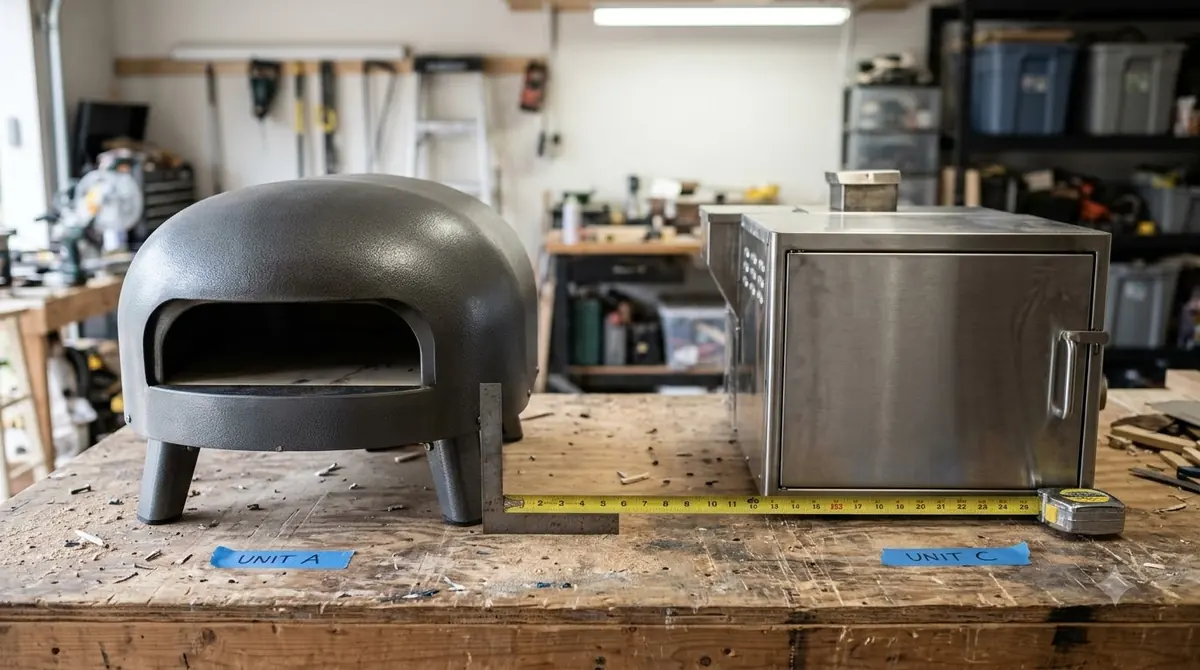

Learning how to choose a pizza stone size starts with your oven’s interior. Then you match the stone to the pizzas you bake most often. A stone that fits with room to spare heats more evenly and leaves space for airflow and handling. This guide walks through each check before you buy.
Size is only one part of how to choose a pizza stone size. Thickness and material also decide whether the stone works well at your oven’s temperature, so check them before you order.
Start With Your Oven Before You Choose a Pizza Stone Size
The oven sets the upper limit, so measure the cooking chamber before you decide how to choose a pizza stone size for your kitchen.
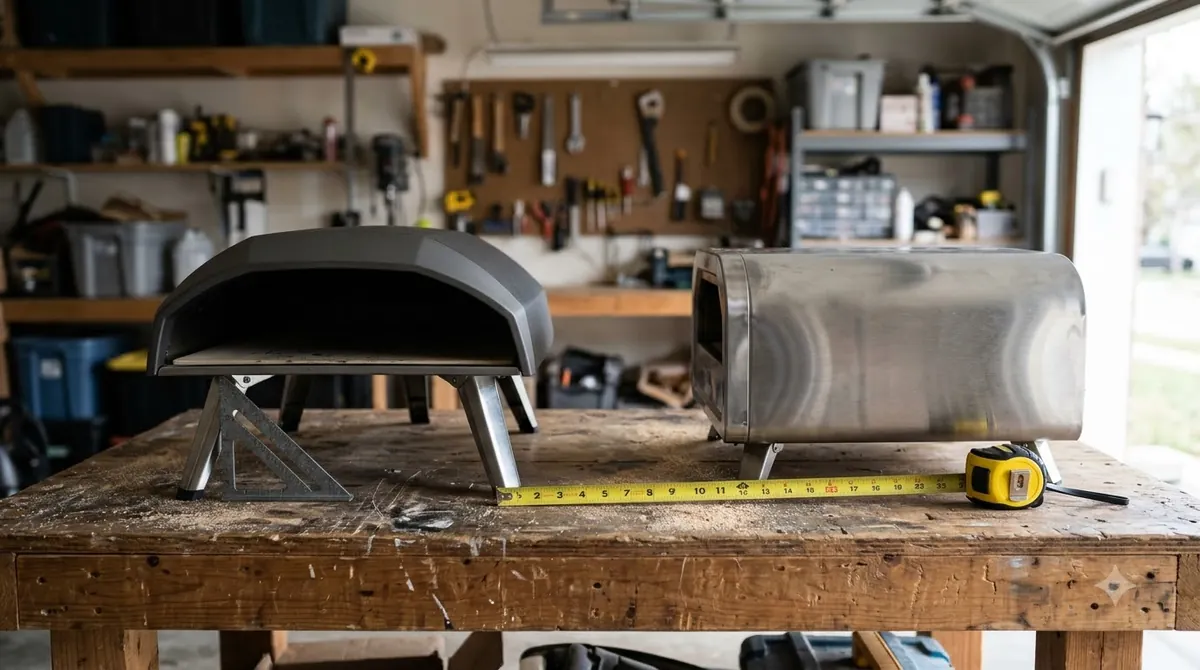
Measure the width and depth of the cooking chamber, not only the outside of the oven, because the inside is the real limit. Some buying guides advise leaving a clear gap around the stone so air can move and you can handle it safely. Use these steps:
- Measure the inside width and depth at the height where the stone will sit.
- Measure the height to the ceiling or top element, so the stone and any tools clear it.
- Check for vents, a fan or a back wall that the stone must not block.
- Choose the largest stone that still leaves a clear gap on every side.
If a stone covers the vents or touches the back wall, air cannot circulate well and the stone may heat unevenly. A slightly smaller stone is usually the safer choice than one that fills the oven.
Oven size is often the hardest limit to change, so measure first and shop second. Write the numbers down and keep them with you while you compare listings. When you apply how to choose a pizza stone size to your own kitchen, the listed stone dimensions are only a starting point. The real test is whether the stone sits flat, clears the walls and leaves room for air once it is inside the oven.

Match the Stone to the Pizzas You Make
Knowing how to choose a pizza stone size starts with the pizza. Choose a stone that holds your largest regular pizza with space to launch and turn it, because the dough you stretch sets the pizza diameter.
A big oven does not automatically need a big stone. If you usually shape one dough ball into one pizza, that dough ball is a better guide than the oven’s total size. A stone that is only just wide enough makes it harder to slide a peel under the pizza and to rotate it during baking.
Think about how you bake, not only how you eat. A household that makes one large pie for the whole table needs a different stone than a cook who makes several small pizzas for guests. Dough hydration and your stretching habits also change the final diameter, so the same dough ball can produce a slightly different pizza from one bake to the next. Build in a small margin rather than cutting the fit close.
- Start with the pizza you bake most often, not the largest pizza you might bake once a year.
- Count how many pizzas you bake at a time, since one stone holds one pizza at a time.
- Leave room at the front and sides for the peel edge.
- Consider a second, smaller stone if you bake both small and large pies.
Thickness and Material Set the Heat Limit
For how to choose a pizza stone size, a common reference point is a stone about 1/2 inch thick, and the material decides the highest oven temperature the stone can handle.
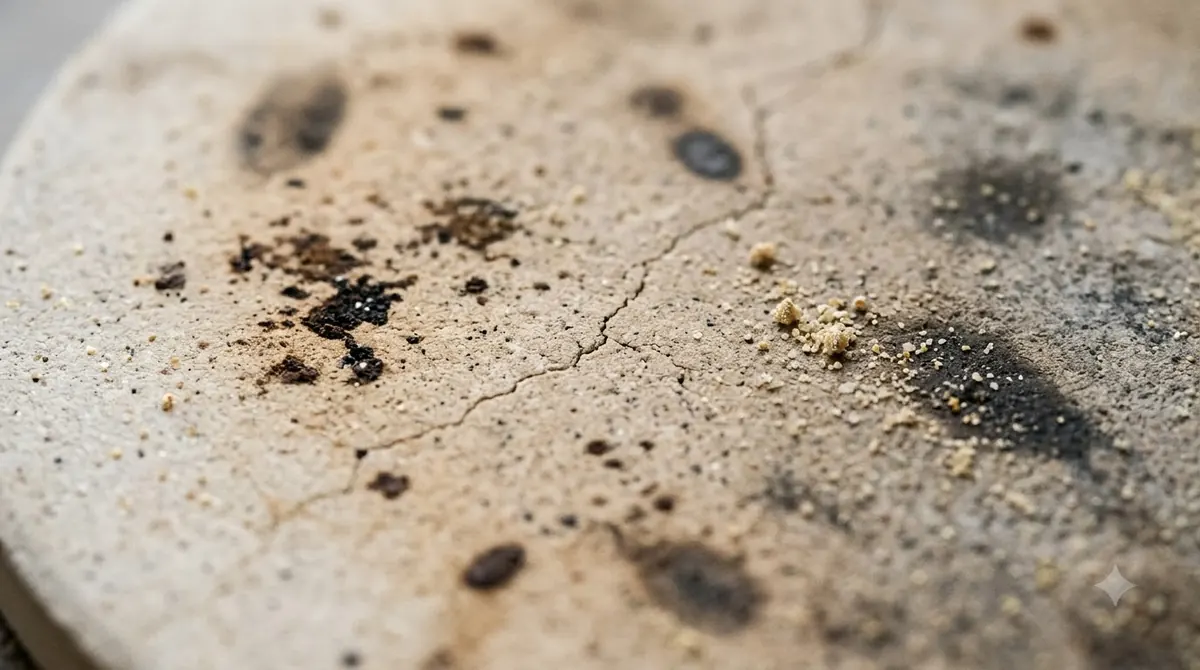
According to Pizza Ovens’ pizza stone guide, thicker stones hold more heat but take longer to heat up and use more energy. A thinner stone heats faster but stores less heat for the crust. Thickness is a trade-off between heat retention and how long you wait before the first bake.
| Material | Temperature guidance | Practical note |
|---|---|---|
| Cordierite | Recommended for ovens below 500 F | Usually lower in cost and widely available |
| Soapstone | Needs an oven above 525 F to work correctly | Can cook a pizza in about four minutes at 525 F |
Check the highest temperature your oven reaches before you buy. If a stone needs more heat than your oven gives, it may not perform as described. Confirm the temperature rating in the manufacturer’s manual or listing for your model. For a closer look at materials, see cordierite vs ceramic pizza stone, or browse our pizza stone buying guide.
Heat-up time matters as well. A heavier stone needs a longer preheat, so plan to run the oven at full temperature before the first bake. Preheat times vary by oven model, fuel and room temperature, so follow the manufacturer’s guidance rather than a fixed rule of thumb. Our guide on how long to preheat a pizza stone covers the wait in a home oven. Settle the thickness part of how to choose a pizza stone size by asking whether your oven can heat the stone fully within the time you are willing to wait.
Round or Square: Which Shape Fits Better
Round stones suit traditional pizza, while square or rectangular stones give more usable room for large pies. Shape is a secondary part of how to choose a pizza stone size, so pick it after the size and thickness checks.
- Round stones match the shape of a classic pie and are easy to turn.
- Square or rectangular stones use more of a box-shaped oven’s floor.
- Corners can make a large square stone harder to fit, so measure the diagonal of your oven floor when you can.
Think about how you launch and turn the pizza. A round stone is easier to rotate by hand, while a rectangle may need a peel whose length matches the stone. Storage counts too. A large square or rectangular stone may need a shelf that clears the oven door, so check that before you commit to a shape.
Common Mistakes in How to Choose a Pizza Stone Size
The most common mistake when you learn how to choose a pizza stone size is buying the largest stone without measuring the oven, which can block airflow and make the stone hard to handle.
- Buying by the listed size alone, without checking the oven interior.
- Choosing a stone so large that it blocks vents or the back wall.
- Ignoring the temperature limit of the material.
- Picking a thick stone for a small oven that takes too long to preheat.
Some listings give only one number, and it is not always clear whether that number is the cooking surface or the outer footprint. Ask the seller or read the manufacturer page to find out which one it is before you compare sizes.
A quick final check prevents most of these errors. Confirm that the stone fits the oven interior with the door closed, sits flat, leaves space for a peel, and that the material’s temperature limit is above the heat you run. If any answer is no, move to the next size down.
This guide covers general sizing rules, and it is a practical way to think about how to choose a pizza stone size for most home ovens. Stones made for a specific oven model are sized to that model, so compare the dimensions in the manufacturer’s listing with your own measurements before you order. Once the stone arrives, how to use a pizza stone walks through the first bake.
Frequently Asked Questions
How big should a pizza stone be?
Learning how to choose a pizza stone size depends on your oven’s interior and the pizzas you make. Measure the cooking chamber first, then choose the largest stone that still leaves a clear gap on every side for airflow and handling.
Can a pizza stone be too big for my oven?
Yes. Part of how to choose a pizza stone size is avoiding one that touches the walls or covers the vents, since that can restrict airflow and make it hard to slide in and out. Choose a smaller stone that fits with clearance, or check the dimensions listed for your oven model.
Does a thicker pizza stone always work better?
Not always. Thicker stones hold more heat, but they take longer to heat up and use more energy. A thickness of about 1/2 inch is a common reference point in buying guides.
Is a bigger stone better for a small oven?
No. A stone that fills a small oven leaves little room for airflow. When you work out how to choose a pizza stone size for a small kitchen, pick a smaller stone that fits with clearance, and shape your pizzas to fit it.
How do I know the stone will fit my oven?
Measure the inside of the cooking chamber, including its height and any vents, and compare those numbers with the stone’s listed dimensions. If you are unsure, check the oven manual or the manufacturer’s listing for your model. Confirming the fit this way is the final step in how to choose a pizza stone size, so do not skip it.
Should I measure the oven or the pizza first?
When you work out how to choose a pizza stone size, measure the oven first, because it sets the largest stone that can fit safely. Then compare that limit with the pizza you bake most often. If the oven allows a stone larger than your usual pizza, you have room to launch and turn it without crowding the walls.
Start with your oven, then match the stone to the pizzas you bake most often, and the answer to how to choose a pizza stone size will follow. If you are unsure between two sizes, choose the slightly smaller stone that still leaves a clear gap, because it is easier to fit, handle and keep at the right temperature.
 9 min readGear & PantryHow to Choose a Pasta Pot Size That Fits Your CookingUpdated Nov 11, 2026
 6 min readGear & PantryNinja Woodfire Pizza Oven Cover: 4 Fit and Size ChecksUpdated Nov 15, 2026
 8 min readGear & PantryPizza Oven Table: How to Choose a Stand That Is Stable and Heat-SafeUpdated Nov 17, 2026
 9 min readGear & PantryHow to Choose a Pizza Peel Size for Your OvenUpdated Nov 11, 2026
 8 min readGear & PantryOoni Karu 16 Replacement Stone: Fit, Size and Care GuideUpdated Nov 10, 2026
 8 min readGear & PantryBest Pesto: How to Choose a Jar That Fits Your PastaUpdated Nov 16, 2026