
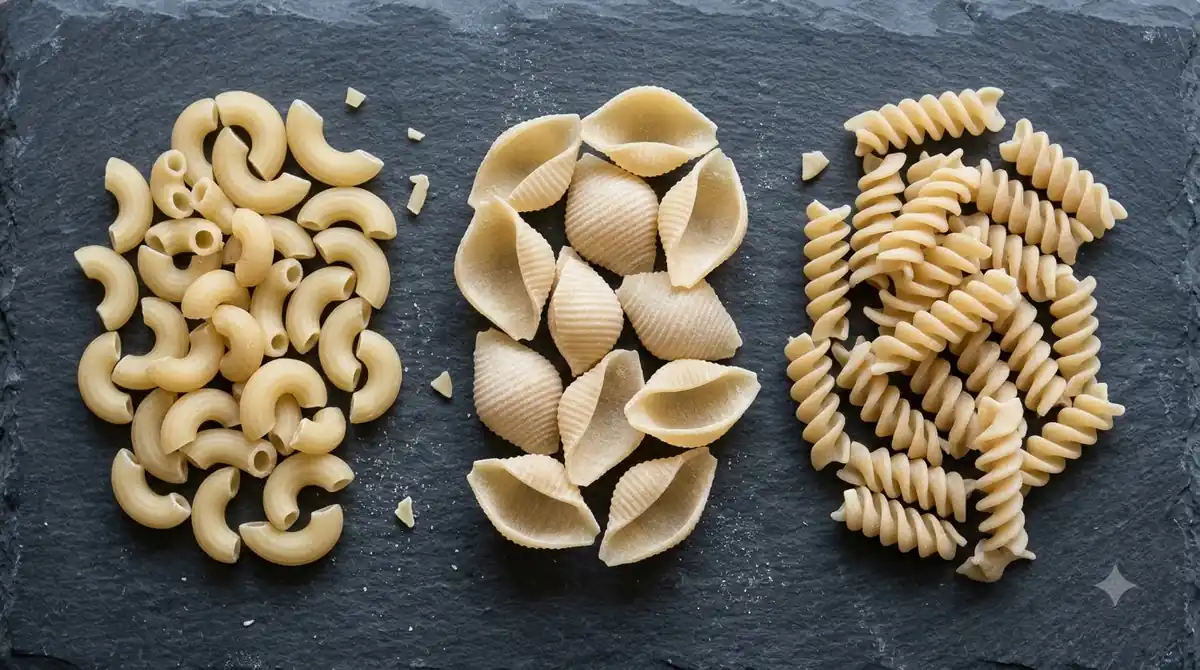

The best dried pasta is made from 100% durum wheat semolina and water, dried slowly, and has a rough surface that holds sauce. Start with the label, because a good box usually shows these details before you compare brands. Two terms matter most: bronze-cut dies and slow drying.
| Criterion | What to look for | Why it matters |
|---|---|---|
| Ingredients | 100% semolina or durum wheat semolina | Semolina is high in gluten, which gives a better bite |
| Die | Bronze cut or bronze die | A rougher surface holds sauce better |
| Drying | Slow dried, described on the package | Cooks more evenly and is easier to take to al dente |
| Color and surface | Golden color, rough and matte | Shiny, smooth pasta is less ideal for sauce |
| Freshness | No flour coating, little to no broken pieces | A flour coating can mean the pasta is old |

De Cecco Spaghetti No. 12 Pasta, 16 Oz
Pros & ConsViewHide
Reasons to buy
- Slow-dried durum wheat spaghetti, the No. 12 cut
- Low shelf price per 16 oz box
- 83% of 3K Amazon ratings are 5-star
Reasons to avoid
- Single box means more reorders for a weekly cook
- Price can change by store and seller
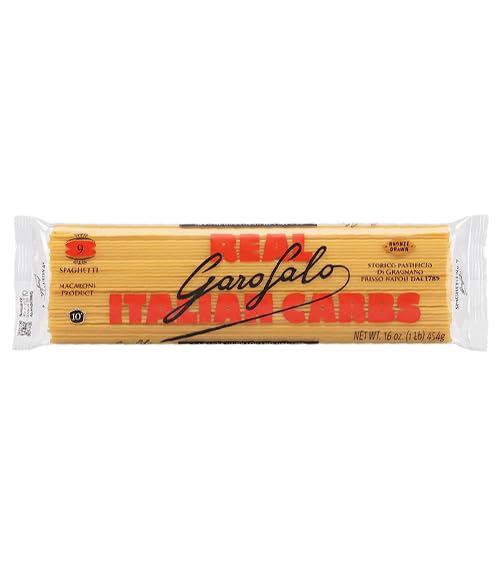
Garofalo - Premium Durum Wheat Semolina Spaghetti
Pros & ConsViewHide
Reasons to buy
- Bronze-drawn spaghetti for a rougher surface that holds sauce
- Made from durum wheat semolina in Italy
- Rated 4.6 stars across a smaller number of Amazon ratings
Reasons to avoid
- Costs more per pound than supermarket spaghetti
- Fewer reviews than the long-standing big brands

Al Bronzo by Barilla Spaghetti Pasta
Pros & ConsViewHide
Reasons to buy
- Bronze-cut spaghetti with a rough, porous surface for sauce grip
- Made in Italy from durum wheat
- 4.7 stars on Amazon
Reasons to avoid
- Listing does not state the drying time
- About 200 ratings, fewer than mass-market boxes

Pastai Gragnanesi Organic Spaghetti di Gragnano
Pros & ConsViewHide
Reasons to buy
- Spaghetti di Gragnano IGP, bronze die cut
- Listing says slow dried at low temperature and made with organic durum semolina
- 4.6 stars on Amazon
Reasons to avoid
- Only about 60 Amazon ratings
- Sold through a gourmet reseller, so check the seller before ordering
What Makes the Best Dried Pasta Good
The best dried pasta starts with durum wheat semolina and water, and most dried pasta takes its shape from extrusion through dies, with moisture near 12%.
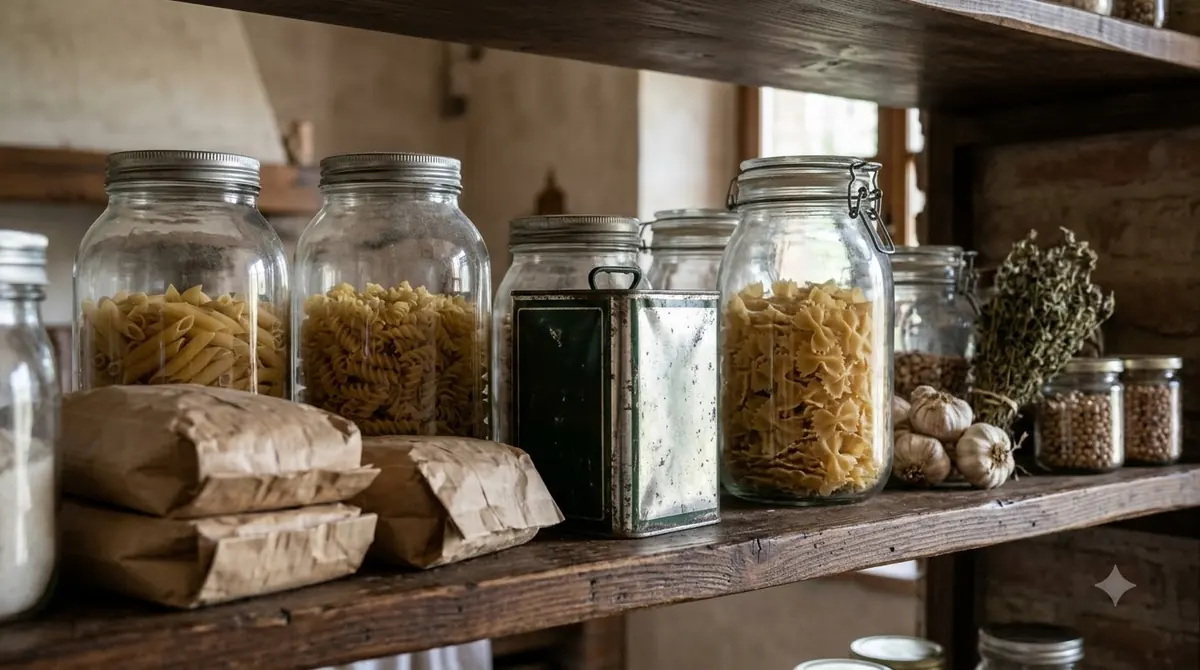
Dried pasta is one of the two main categories of pasta, the other being fresh. It is factory-made in large amounts, so the ingredients and the drying process decide most of the quality in the best dried pasta. According to Wikipedia’s pasta entry, durum wheat is used predominantly in southern Italy, and Italian rules allow dried durum pasta to be made only from durum wheat semolina or durum whole-meal semolina and water.
The Italian rules allow up to 3% soft-wheat flour in dried durum pasta. Eggs are optional. They are added for flavor and richness in some styles, but a plain dried pasta needs only semolina and water. When you compare boxes, the first ingredient on the list should be semolina, not a blend of flours. Look for the best dried pasta with a short ingredient list.
Most dried pasta is made by extrusion. Dough is pushed through dies, and the die size and shape set the final pasta shape. Even the best dried pasta usually sits around 12% moisture, which keeps it brittle until it is cooked. That low moisture is also why a sealed box can keep for a long time on the shelf.
Shelf life is one of the practical strengths of the best dried pasta. Uncooked dried pasta can keep about a year in a cupboard if it stays airtight and in a cool, dry place. Once opened, close the bag or box tightly so that moisture and pantry odors stay out.
Quantity is easy to get wrong with the best dried pasta, so check it before you cook. About 0.5 kg (1 lb) of dried pasta serves up to four people, and it roughly doubles in size once cooked (see our guide on how much pasta per person). Plan for that growth when you measure, especially for long shapes that are hard to portion by eye.
How to Read the Label
Look for the best dried pasta with 100% durum semolina on the label, a golden color, and a box with little to no broken pieces, because these signs point to a better bite and fresher pasta.
Lidia Bastianich, in her buying tips reported by The Takeout, advises choosing pasta made from 100% semolina flour. She says semolina is high in gluten, which gives a better bite and mouthfeel. Use the list below when you check a box of the best dried pasta in the store.
- Ingredients: “100% semolina” or “durum wheat semolina” should be the only flour listed.
- Color: choose golden pasta. Bastianich recommends golden color, and the source gives no separate reason.
- Broken pieces: pick a box with little to no broken pieces.
- Flour coating: if the pasta looks covered in flour, pick another box or brand, since that can mean it is old.
- Die terms: look for “bronze cut,” “bronze die,” or “trafilata al bronzo.”
- Cooking time: check the package, because cooking time varies by shape and brand.

Bronze Die vs Smooth Die
Bronze-cut is a key marker of the best dried pasta: it has a rougher surface that holds sauce and releases more starch into the cooking water, and it often costs a little more per box.
Bronze dies create friction as the dough is pushed through, which leaves a rougher, more textured and slightly porous surface. Smooth dies produce a slippery surface that sauce clings to less. A retailer guide from Chefshop notes that bronze-cut pasta also releases more starch into the cooking water, which helps sauce come together.
| Feature | Bronze-cut | Smooth die |
|---|---|---|
| Surface | Rough, matte, porous-looking | Smooth and slippery |
| Sauce | Holds sauce well | Sauce clings less |
| Starch in cooking water | More starch released | Less starch released |
| Price per box | Often a little more | Usually less |
Drying matters as much as the die for the best dried pasta. Mass-produced pasta is often dried hotter and faster, while artisan pasta is dried more slowly at lower temperatures under controlled conditions. Slow drying can take many hours or even several days, depending on the shape and the producer, and the sources do not give an exact time.
Slow-dried pasta cooks more evenly and is easier to take to al dente. If the package says it was slow dried, that is a good sign. Bronze-cut is not the only quality marker, but it is the one shoppers can spot most easily on the label.
Match the Shape to the Sauce
Long strands suit clinging sauces, tubes trap chunky sauce, and twists hold small pieces, so pick a shape that fits the sauce before you pick the best dried pasta brand.
| Shape family | Examples | Works best with |
|---|---|---|
| Long strands | Spaghetti, linguine, bucatini | Smooth, clinging sauces |
| Tubes | Penne, rigatoni, paccheri | Chunky sauces that fill the tube |
| Twists and curls | Fusilli, gemelli | Chunky bits and small pieces |
| Ridged shapes | Ridged tubes and twists | Sauces that need extra surface area |
Italy has hundreds of pasta shapes, so the label alone rarely tells you which shape is the best dried pasta for your dish. Use the sauce as the guide. Chunky ragù and thick vegetable sauces suit tubes and twists, while a light oil-based sauce usually clings best to long strands.
How to Store Dried Pasta
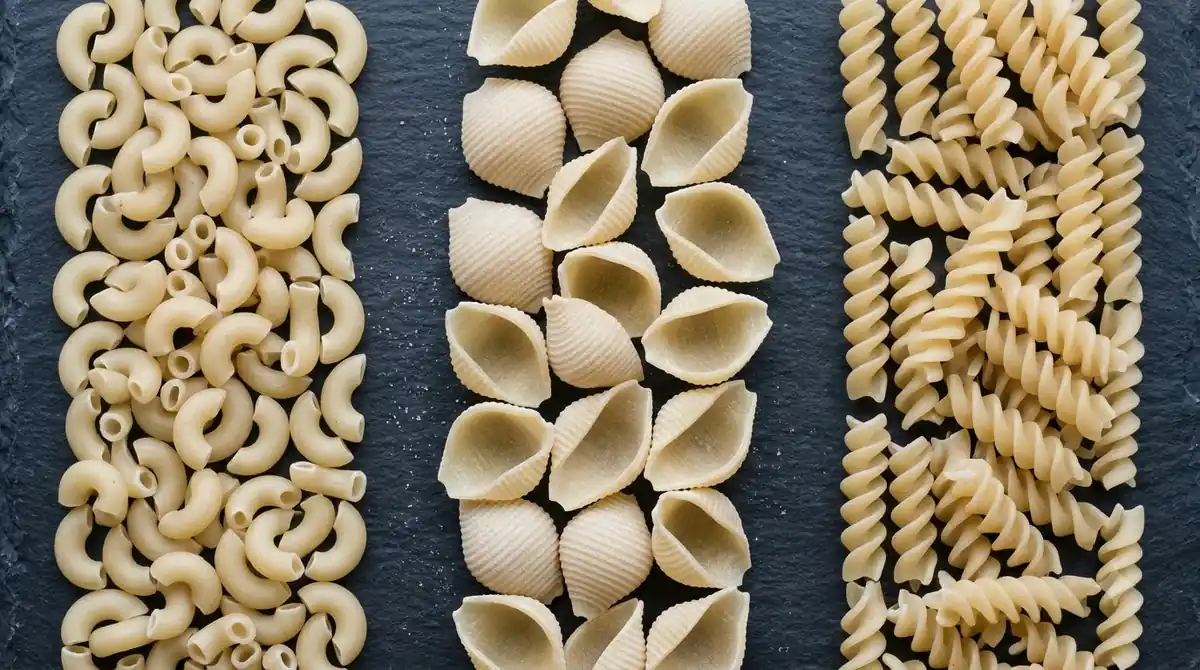
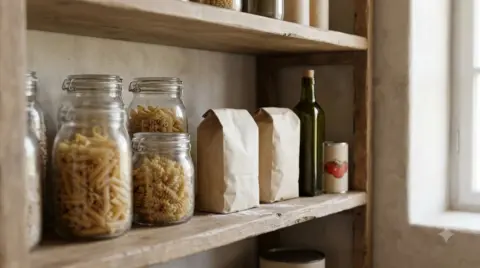
Store uncooked dried pasta in an airtight container in a cool, dry cupboard, where it can keep for about a year.
The best dried pasta stays fresh only when it is stored well. Keep the package sealed between uses, and move opened pasta into a container that closes tightly, such as one of the best pasta storage containers. Check the box before you buy: a flour coating on the pasta is a sign it may be old, and broken pieces are a sign of rough handling in the package.
Common Mistakes When Buying Dried Pasta
The most common mistake with the best dried pasta is choosing by box design or shine alone, since a shiny, smooth surface holds sauce less well than a rough one.
- Choosing the shiny box. Bastianich says shiny, smooth pasta may look appealing in the box but is not the ideal kind for sauce.
- Ignoring the ingredient list. A blend of flours is not the same as 100% durum semolina.
- Buying only by price. Bronze-cut pasta often costs a little more, and that gap is often worth it for sauce-heavy dishes.
- Choosing the shape before the sauce. Match the shape to the sauce you plan to cook.
- Skipping the freshness check. A flour-coated box can be old, so pick another one.
- Under-salting the cooking water. Salt it generously, though not as salty as seawater.
Frequently Asked Questions
Is expensive dried pasta always better?
Not always. For the best dried pasta, the label matters more than the price. Bronze-cut and slow-dried pasta often cost a little more per box and usually cling to sauce better, so they are worth it for sauce-heavy dishes. Check the ingredients and color before you decide.
How much dried pasta do I need per person?
About 0.5 kg (1 lb) of dried pasta serves up to four people. It roughly doubles in size when cooked, so plan for that when you measure. Adjust the amount for big appetites or for dishes with other heavy ingredients.
What is durum wheat semolina?
Durum wheat semolina is the flour made from durum wheat (more in our guide on what semolina flour is), and it is the traditional base of dried pasta along with water. Durum wheat is used predominantly in southern Italy. Italian rules allow only durum semolina or whole-meal durum semolina, with up to 3% soft-wheat flour.
Can I use any shape with any sauce?
Most shapes work with most sauces, but the best match depends on the sauce. Long strands suit smooth, clinging sauces, and tubes suit chunky sauces that can fill the shape. Use the shape table above as a starting point.
How long does dried pasta last?
Uncooked dried pasta can keep about a year in a cupboard if it stays airtight and in a cool, dry place. A flour coating on the pasta can be a sign that it is old, so check the box before you buy.
Choose the best dried pasta by its label first: 100% durum semolina, a golden color, a rough surface and few broken pieces. Then match the shape to the sauce you plan to cook. A slightly higher price for bronze-cut, slow-dried pasta is often worth it for sauce-heavy dishes. More pantry picks are in our gear and pantry guides.
 9 min readGear & PantryBest Dried Oregano: How to Pick the Right Type and Store ItUpdated Nov 10, 2026
 9 min readGear & PantryRummo vs De Cecco: Which Dried Pasta Brand Should You Buy?Updated Nov 7, 2026
 7 min readGear & PantryCorzetti Stamp: How to Choose the Right One for Home PastaUpdated Nov 10, 2026
 7 min readGear & PantryBest 00 Flour for Pasta: How to Choose the Right BagUpdated Nov 10, 2026
 9 min readGear & PantryPasta Pot Buying Guide: How to Choose the Right Size and InsertUpdated Nov 16, 2026
 8 min readGear & PantryBest Sun Dried Tomatoes: Picks, Storage and How to ChooseUpdated Nov 12, 2026