
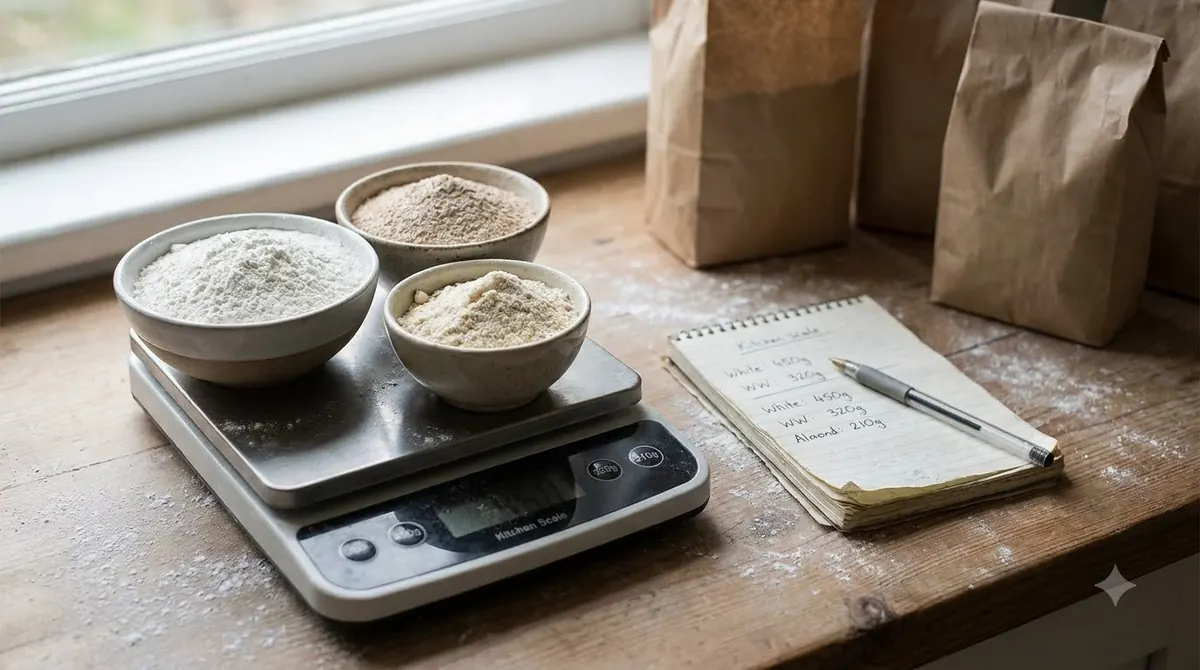

The best flour for pizza dough depends on your style and oven, but for most home cooks bread flour is the strongest all-round choice because it contains 12 percent or more protein. That protein builds more gluten than all-purpose flour, which gives the dough more chew and structure. Use 00 flour for a classic Neapolitan pie, and bread flour or strong white flour for a New York style crust baked in a home oven.

Antimo Caputo Pizzeria Flour Blue, 11 Pound (5Kg)
Pros & ConsViewHide
Reasons to buy
- Made for elastic, chewy Neapolitan-style crusts
- 11 lb (5 kg) bag suits regular pizza nights
- 86% of 1.8K Amazon ratings are 5-star
Reasons to avoid
- Browns slowly in home ovens without a very hot stone or steel
- Too much flour to store if you only bake occasionally

POLSELLI Super, Type 00, Double Zero
Pros & ConsViewHide
Reasons to buy
- Labeled for Roman-style pizza, including longer-fermented doughs
- 11 lb (5 kg) bag for frequent baking
- 84% of Amazon ratings are 5-star
Reasons to avoid
- Specialized flour, less flexible than an all-purpose 00
- Around 320 ratings, fewer than the bestselling Classica

POLSELLI Vivace, Type 00 Double Zero Flour
Pros & ConsViewHide
Reasons to buy
- Type 00 blend aimed at artisan pizza dough
- 90% of Amazon ratings are 5-star
- Same 11 lb (5 kg) size as other Polselli bags
Reasons to avoid
- Only around 230 ratings, a smaller track record than Classica
- Large bag needs airtight storage once opened
Best Flour for Pizza Dough Starts With Protein
For the best flour for pizza dough, protein is the number to check first, because gluten forms from it and gluten gives pizza dough its stretch, chew and structure.
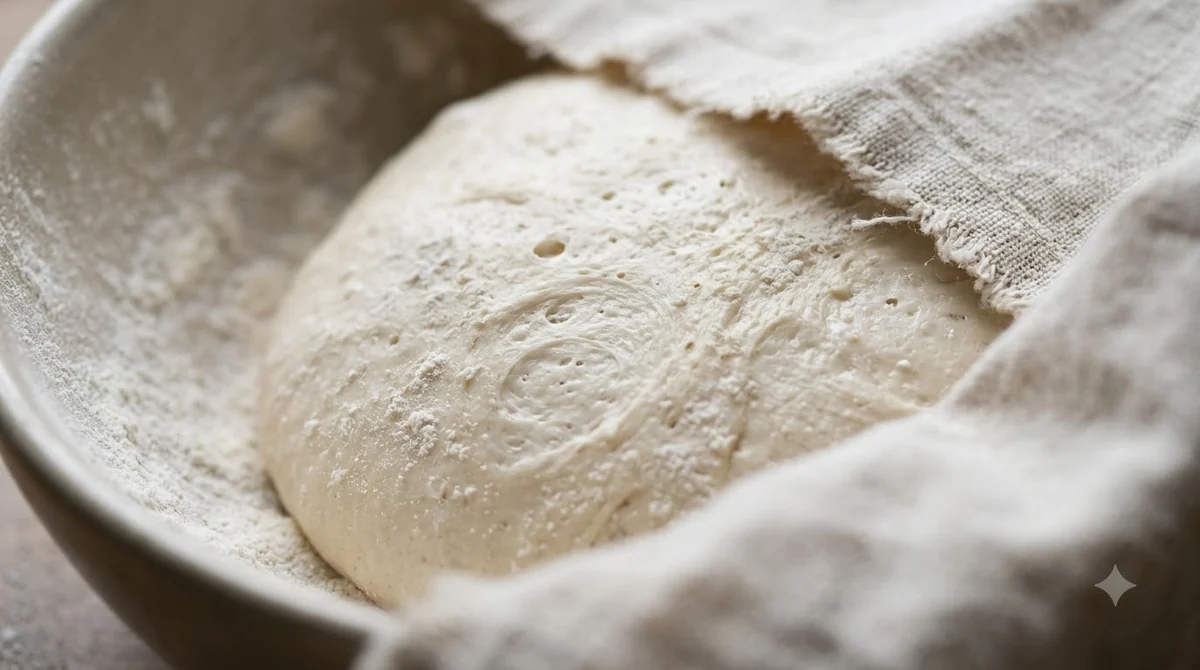
Gluten forms when glutenin molecules cross-link into a network attached to gliadin. That network contributes viscosity and extensibility to the dough, as described in the Wikipedia entry on gluten. A stronger network holds the gas that yeast produces, so the crust rises well and keeps its chew after baking.
America’s Test Kitchen gives plain protein ranges for common flours in its guide to bread flour types. All-purpose flour is moderate at 9 to 12 percent, bread flour is high at 12 percent or above, and whole-wheat flour is about 13 percent. Cake flour sits at 6 to 8 percent and is rarely used for pizza or bread. The same guide ties bread flour’s protein to “good flavor, chewy texture, and a crisp crust,” which is the combination most home cooks want from a pizza base.
The Wikipedia article on bread flour makes the same point in general terms: the higher the protein content, the harder and stronger the flour, and the more it will produce crispy or chewy breads. When you compare bags, look for three things:
- The protein figure in grams or percent, printed on the bag or in the manufacturer’s spec sheet.
- The flour style, such as bread, strong white, 00 or all-purpose, which tells you the intended use.
- The proving time the recipe expects, because higher-protein flours usually tolerate a longer rest.
Bread Flour vs All-Purpose Flour for Pizza
Bread flour usually beats all-purpose flour as the best flour for pizza dough because of its higher protein, but all-purpose flour still works if you accept a softer crust.
| Flour | Protein (source) | Typical pizza result |
|---|---|---|
| All-purpose flour | 9 to 12 percent (America’s Test Kitchen) | Workable, but a less crisp crust |
| Bread flour | 12 percent or above (America’s Test Kitchen); 11.5 to 13.5 percent (Wikipedia) | Chewy with a crisp crust |
| Wholemeal flour | About 12 percent (Which?) | Blend in 25 to 40 percent of strong white flour for flavor |
| Cake flour | 6 to 8 percent (America’s Test Kitchen) | Not suited to pizza |
Water is the other difference. America’s Test Kitchen notes that different flours absorb water differently: the same amount of water can make a “soft, sticky dough” with all-purpose flour, while the same water gives “a supple, workable dough” with bread flour. If you switch to all-purpose flour, add the water gradually and stop when the dough feels workable rather than wet.
As a substitute, America’s Test Kitchen says all-purpose flour “can be used in a pinch, but the resulting crust will be less crisp.” That is the trade-off to expect: a usable dough with a softer, less structured bite.
Matching Flour to Pizza Style
The best flour for pizza dough changes with the style: Neapolitan pizza usually calls for a medium-strength flour, New York style uses strong white flour, and a standard home oven suits bread flour best.
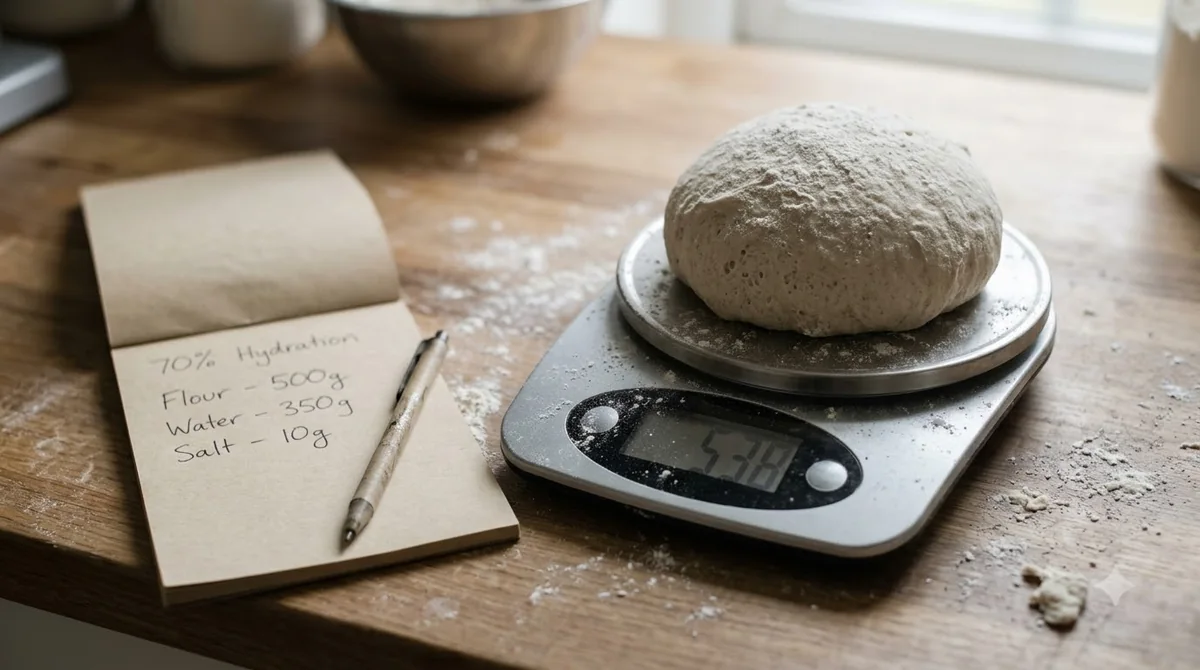
Neapolitan style: 00 flour
00 flour is finely milled Italian flour. Which? describes its protein as “medium to high, typically at around 12.5% to 14%,” and calls it “often lauded as the best flour for making classic Neapolitan-style pizza.” The same article recommends a proving time of one to two days, depending on where the protein falls. Our Neapolitan pizza dough recipe puts that flour to use.
Traditional rules are stricter. The Wikipedia article on Neapolitan pizza quotes the requirement for genuine Neapolitan dough as “medium-strength (W value of 250 to 320; 11 to 13.5% protein)”, with no more than 20 percent strong flour, and it describes baking “for 60 to 90 seconds in a 485 °C (905 °F) wood-fired oven.” A home oven will not match a wood-fired oven at that heat, so 00 flour gives the classic texture only when your oven can get very hot. Our Caputo 00 flour review looks at one 00 brand.
New York style: strong white flour
Which? states that “New York-style pizzas you pick up with your hands are best made with strong white flour.” At around 12 percent protein, that flour needs a proving time of about 24 hours at room temperature. For more flavor, the same article suggests a “slow ferment” of several days in the fridge.
Home oven: bread flour
For a standard home oven, bread flour is the best flour for pizza dough in practice. Its 12 percent or higher protein gives a chewy interior and a crisp base without needing a wood-fired oven, and it is the flour used in the America’s Test Kitchen recipe covered later in this guide. To see how semolina changes the dough, read our semolina pizza dough guide.
How to Read Flour Labels and Specs
Protein figures are the most reliable way to compare bags, because Italian type numbers only set minimums.
- Look for a protein figure in grams or percent. Compare that number instead of the brand name or the style word on the front.
- Treat Italian type numbers with care. The Wikipedia article on 00 flour notes that “Italian flour types only specify minimum protein content, but actual protein content can vary significantly within a type,” so a 00 bag may sit above or below the usual range.
- Check the W value if the spec sheet gives one. The Wikipedia article on strong flour lists medium-strength flour at W 160 to 250 with 10 to 12.5 percent protein, which it notes is used for pizza, and strong flour at W above 300 with protein above 13 percent.
- Check the recipe. America’s Test Kitchen puts it plainly: “Not all breads and pizzas require bread flour, so be sure to check the recipe before shopping.”
This guide does not list brand-specific protein figures for the best flour for pizza dough, because the manufacturer pages we could read did not confirm them. Check the bag or the manufacturer’s spec sheet before you buy.

A Starting Recipe Using Bread Flour
The America’s Test Kitchen bread flour dough uses 567 grams of flour, about four cups, with a mix of warm and room-temperature water. Weigh the flour if you can, because volume measures vary. Yeast matters too, so see our guide to yeast for pizza dough.
- Dissolve 1 envelope (2 1/4 teaspoons) of rapid-rise yeast in 1/2 cup of warm water at 105 to 115 degrees F, and let it stand until it dissolves and swells, about 5 minutes.
- Add 567 grams (20 ounces) of bread flour, 1 1/4 cups of room-temperature water, 2 tablespoons of extra virgin olive oil and 1 1/2 teaspoons of salt.
- Knead until the dough is smooth and elastic, about 5 minutes. The recipe uses a dough hook in a stand mixer.
- Let the dough rise until doubled in size, 1 1/2 to 2 hours.
- Divide and shape. Which? uses dough balls of around 250 grams for a 12-inch pizza, which is a useful starting size.
The America’s Test Kitchen recipe gives the rise time but does not state a rising temperature, so judge the dough by its size and feel. To scale the dough for your pizza size, use our pizza dough calculator. If the dough feels stiff, add water a little at a time, because the goal is a supple, workable dough.
Water, Proving Time and Slow Fermentation
Higher-protein flours usually need a longer proof to develop flavor, while plain flour can only be proofed for a few hours before it goes wrong.
| Flour | Protein | Proving time (Which?) |
|---|---|---|
| Plain flour | About 9.5 percent | A few hours at most |
| Strong white flour | About 12 percent | About 24 hours at room temperature |
| 00 flour | 12.5 to 14 percent | One to two days |
| Very strong white flour | About 14 percent or more | At least two days |
For most home cooks, the bread flour recipe above is the simplest place to start with the best flour for pizza dough. If you want more flavor, Which? suggests a slow ferment of several days in the fridge, which suits strong white and 00 flours better than plain flour. Whatever the flour, the rule from America’s Test Kitchen still applies: adjust the water by feel.
Common Mistakes When Choosing Pizza Flour
Most mistakes when choosing the best flour for pizza dough come from choosing by name instead of by protein, style or recipe.
- Using cake flour, which has 6 to 8 percent protein and too little structure to hold a stretched base.
- Assuming 00 always has more protein. Which? puts 00 at 12.5 to 14 percent, but Italian labels only set minimums, so check the bag.
- Expecting all-purpose flour to match bread flour. The crust will be less crisp, and the dough may need less water.
- Giving plain flour a long proof. Which? says it cannot be proofed for more than a few hours.
- Skipping the recipe. Not every pizza dough calls for bread flour, so the recipe’s flour is the first thing to follow.
Frequently Asked Questions
Is 00 flour or bread flour better for pizza dough?
The best flour for pizza dough depends on the style. For a Neapolitan pie, 00 flour is the traditional choice, but it needs a very hot oven. For a home oven and a chewy New York style crust, bread flour or strong white flour is usually the more practical pick.
Can I use all-purpose flour for pizza?
Yes. America’s Test Kitchen says it can be used in a pinch, but the crust will be less crisp than one made with bread flour.
What protein level should the best flour for pizza dough have?
It depends on the style. The Neapolitan rule quoted by Wikipedia is 11 to 13.5 percent protein, Which? gives 12.5 to 14 percent for 00 flour, and America’s Test Kitchen puts bread flour at 12 percent or above.
Does cake flour work for pizza?
No. America’s Test Kitchen puts cake flour at 6 to 8 percent protein and notes that it is rarely used in pizza or bread recipes.
How long should pizza dough rise?
For the America’s Test Kitchen bread flour dough, let it rise 1 1/2 to 2 hours until doubled. Higher-protein flours can take longer: about 24 hours for strong white flour and one to two days for 00, according to Which?.
Choose the best flour for pizza dough by matching the style you want and the oven you have. For most home cooks, bread flour is the safe choice, and 00 is worth the effort only when you can bake very hot. Check the protein on the bag before you buy.
 9 min readGear & PantryBest Pizza Flour: How to Choose by Type, Style and OvenUpdated Nov 17, 2026
 8 min readGear & PantryDetroit Style Pizza Pan: What It Is and How to Choose OneUpdated Nov 16, 2026
 8 min readGear & PantryBest Flour for Pasta: How to Choose by Dough TypeUpdated Nov 16, 2026
 8 min readGear & PantryPolselli 00 Flour Review: Which Bag Fits Your Pizza Dough?Updated Nov 10, 2026
 8 min readGear & PantryPolselli Super vs Classica 00 Flour: Which Fits Your Dough?Updated Nov 10, 2026
 11 min readGear & PantryBest Yeast for Pizza Dough: How to Choose the Right TypeUpdated Nov 16, 2026