
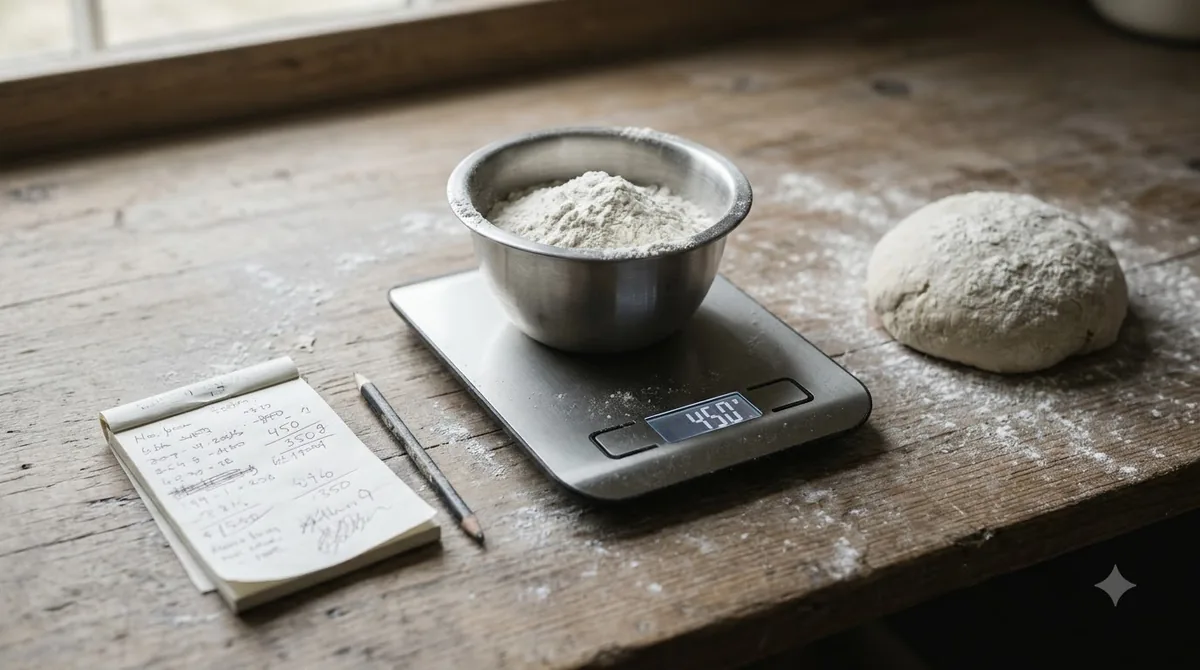

The best flour for pasta depends on your dough. For eggless dough, semolina is the most reliable choice, while 00 or all-purpose flour suits fresh egg pasta best.
Use the comparison below to find the best flour for pasta for your dough, then check the label for protein and grind before you buy.
Which Flour Works Best for Egg Pasta
For egg pasta, the best flour for pasta is usually 00 or all-purpose flour, because both roll easily when mixed with eggs.
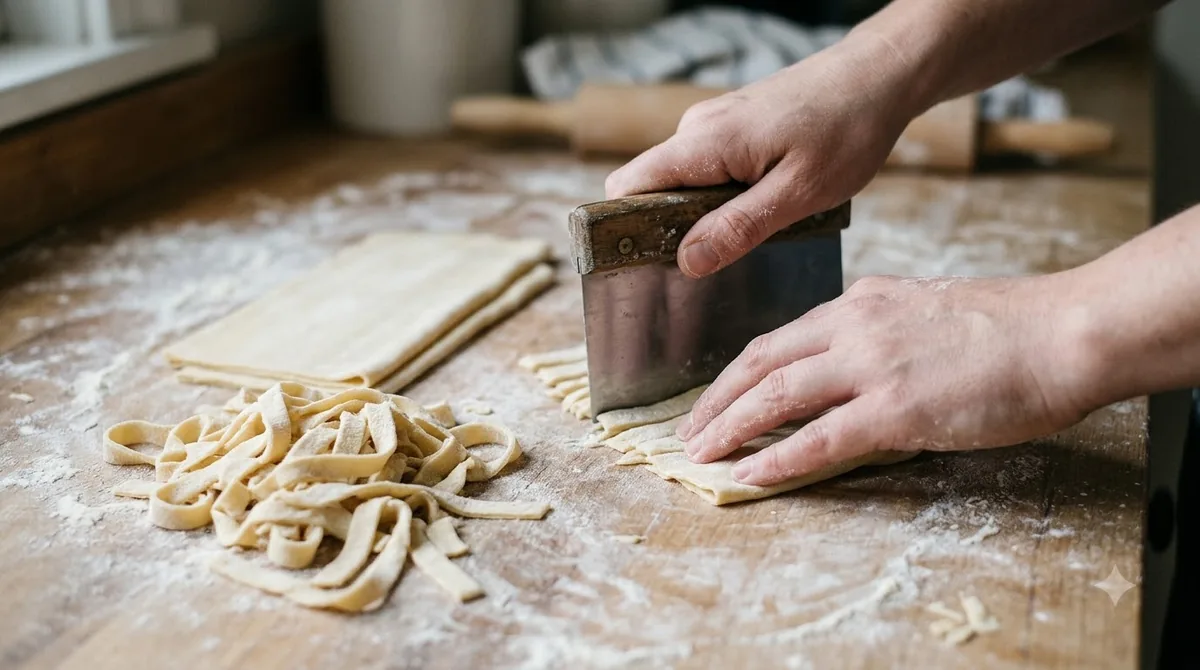
00 flour is finely milled, elastic and easy to roll thin. The Kitchen Professor describes it as a good match for fresh egg pasta and delicate sheets that you eat the same day.
Not every Italian maker uses 00 for egg pasta. Granoro’s egg pasta FAQ describes its egg pasta as made with durum semolina and at least four eggs per kilogram of semolina.
All-purpose flour also works well with eggs. King Arthur lists the protein of its all-purpose flour at 11.7%, which it says is high enough to support pasta that is toothsome but still easy to roll. Its egg noodles come out closer to boxed pasta than those made with its Italian-style flour.
All-purpose flour is still a fallback rather than the best flour for pasta. The Kitchen Professor says its pasta is softer and less chewy, and harder to bring to an al dente bite than pasta made with semolina or 00.
When you pick a flour for egg dough, look for these points:
- A fine grind, which gives smooth sheets that roll without tearing.
- A protein level that holds shape. King Arthur uses its all-purpose flour for cheese ravioli because the filled pasta stays together.
- A fine, soft flour such as 00 for lasagna or other delicate sheet pasta.
- Unbleached flour, which the next section covers in more detail.
Which Flour Works Best for Eggless Pasta
For eggless pasta, semolina is the most reliable flour and the best flour for pasta without eggs, because durum wheat forms enough gluten with only water to hold the dough together.
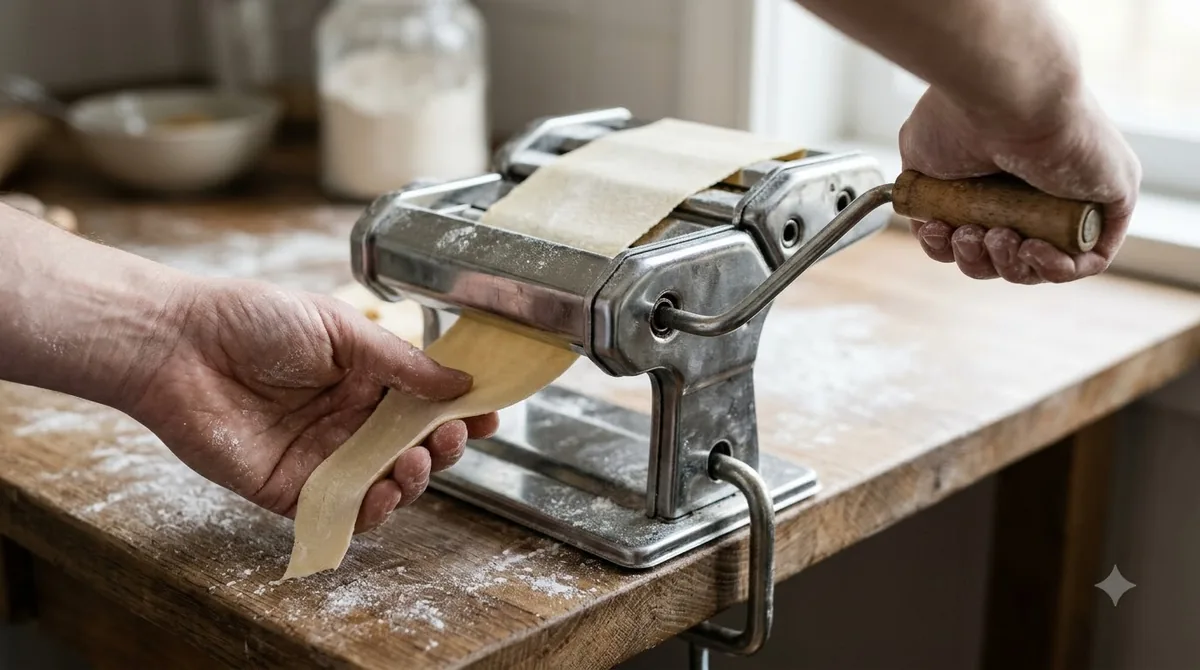
The Kitchen Professor calls semolina the most reliable choice for eggless dough. It also notes that 00 is usually blended with semolina when the dough has no eggs.
Grind matters here. America’s Test Kitchen pasta flour guide says conventional semolina is too coarse for this dough. It recommends fine semolina labeled semola rimacinata, extra-fancy or #1, which Italian markets and large supermarkets often carry.
Eggless dough is also harder work. The same test kitchen says it takes more effort to roll out, especially without a manual or electric pasta machine. To make it smoother, follow these steps:
- Buy fine semolina, not the coarse kind sold for couscous-style dishes.
- Add water a little at a time until the flour forms a dough that holds together.
- Roll the dough through a pasta machine if you have one, since hand rolling takes more effort.
Semolina has a second benefit. King Arthur notes that it helps keep fresh noodles from sticking together, and its slightly coarser surface gives sauce more to cling to. That makes semolina a practical choice for ribbons and shapes you plan to serve with a thick sauce. For a closer look at the two doughs, see our semolina pasta vs egg pasta comparison.
Semolina, 00 and All-Purpose Compared
In a best flour for pasta comparison, semolina gives the most chew, 00 gives the silkiest texture, and all-purpose flour is the easiest fallback for egg dough.
| Flour | Best dough | Texture | Protein figure |
|---|---|---|---|
| Semolina | Eggless dough and sturdy shapes | Chewy and firm | About 12.7 g per 100 g (Wikipedia nutrition table) |
| 00 flour | Fresh egg pasta and delicate sheets | Silky and tender | Not stated in the sources reviewed |
| All-purpose flour | Egg dough as a fallback | Softer and less chewy | 11.7% (King Arthur) |
The protein figures come from different sources and use different units, so read them as rough guides rather than a ranking. America’s Test Kitchen notes that the “00” on a label refers to how finely the flour is milled, not to its wheat type or protein level.
Blending semolina and 00
The Kitchen Professor suggests a 50/50 blend of semolina and 00 as a reliable starting point for most fresh pasta. A blend that is 60 to 70 percent semolina gives more chew and structure, which suits sturdier shapes.
Going the other way, a blend that is 60 to 70 percent 00 gives a softer, more delicate pasta. The same source notes that some 00 flours are less forgiving on their own, so blending them with semolina is the safer route. Put the blend to work with our fresh pasta dough recipe.

How to Read Flour Labels for Pasta
When you shop for the best flour for pasta, check the protein figure, the grind and the wheat type on the label, since these decide how chewy the pasta is and how easily the dough rolls.
- Durum wheat or semolina: made from hard wheat. King Arthur describes durum flour as high in protein and says it gives an al dente bite, which suits chewy shapes such as orecchiette and eggless dough.
- “00”: describes how finely the flour is milled, not its protein or wheat type.
- Protein figure: King Arthur’s Type 00 pizza flour lists 11.0% protein with a tolerance of plus or minus 0.2%, so a stated figure shows how tightly a brand controls its flour. Our King Arthur 00 flour review looks at that bag.
- Fine semolina terms: semola rimacinata, extra-fancy or #1 point to a finer grind for eggless dough.
Semolina is coarse by nature. Wikipedia’s semolina entry describes it as a coarse flour made from hard durum wheat, pale yellow in color, and notes that its high protein and gluten content make it especially suitable for pasta. The nutrition table there lists 12.68 g of protein per 100 g.
Common Mistakes When Choosing the Best Flour for Pasta
The most common mistakes when picking the best flour for pasta are using bleached flour, using coarse semolina for eggless dough, and buying flour without checking which dough it suits.
- Using bleached all-purpose flour. America’s Test Kitchen says bleach weakens the proteins and makes the starches prone to bursting when boiled, which leaves pasta pitted.
- Using coarse semolina for eggless dough. Fine semolina gives a dough that holds together better.
- Using one flour for every shape. King Arthur suggests durum flour for shaped pasta such as orecchiette and for extruded pasta such as spaghetti. If you buy dried pasta instead, see our guide to bronze cut pasta brands.
- Skipping the label. The protein figure and grind tell you more than the bag’s name.
This guide does not include verified figures for whole wheat or bread flour. If you want to use either, check the label and test a small batch before you cook for guests.
Frequently Asked Questions
Is 00 flour better than all-purpose for pasta?
For fresh egg pasta, 00 gives a finer, silkier texture, while all-purpose flour is easier to find and still works well. Choose 00 for delicate sheets and all-purpose for an everyday dough that holds its shape. Either way, the best flour for pasta in your kitchen is the one that matches your recipe.
Can I make pasta without eggs?
Yes. Semolina is the most reliable flour for eggless dough, because durum wheat forms enough gluten with water alone, according to The Kitchen Professor.
Is bleached flour OK for pasta?
No. America’s Test Kitchen says bleach weakens the proteins and makes the starches burst when boiled, leaving pasta with a pitted surface.
What does 00 mean on a flour bag?
It describes how finely the flour is milled. It does not describe the wheat type or the protein level, according to America’s Test Kitchen.
Can I mix semolina and 00?
Yes. The best flour for pasta is often a blend, and a 50/50 mix is the usual starting point. Moving toward more semolina adds chew, while moving toward more 00 gives a softer bite.
Does semolina dough need a pasta machine?
A machine is not required, but semolina dough takes more effort to roll out by hand. America’s Test Kitchen notes that the work is easier with a manual or electric machine. Our guide to the best noodle maker machines covers the options.
Does bread flour work for pasta?
This guide does not include a verified protein figure or a pasta test for bread flour. Check its label and test a small batch first. Semolina and 00 blends are the better-documented options here.
Start with the dough, because the best flour for pasta is the one that suits the dough you are making. Use semolina for eggless pasta, 00 or all-purpose for egg pasta, and a 50/50 blend when you want both chew and silkiness. Read the grind and protein on the label before you buy, and make a small batch first when you try a new flour.
 9 min readGear & PantryBest Flour for Pizza Dough: How to Choose by Style and OvenUpdated Nov 16, 2026
 9 min readGear & PantryBest Pizza Flour: How to Choose by Type, Style and OvenUpdated Nov 17, 2026
 11 min readGear & PantryBest Yeast for Pizza Dough: How to Choose the Right TypeUpdated Nov 16, 2026
 7 min readGear & PantryBest 00 Flour for Pasta: How to Choose the Right BagUpdated Nov 10, 2026
 8 min readGear & PantryPolselli Super vs Classica 00 Flour: Which Fits Your Dough?Updated Nov 10, 2026
 8 min readGear & PantryPolselli 00 Flour Review: Which Bag Fits Your Pizza Dough?Updated Nov 10, 2026