
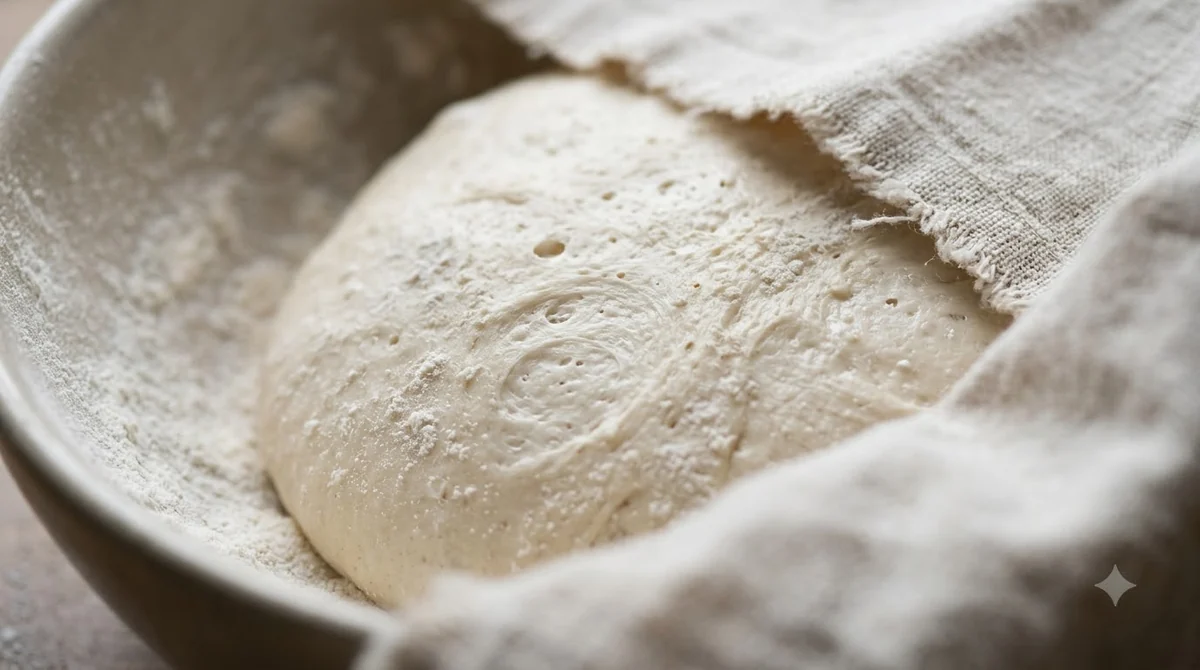

The best yeast for pizza dough is the type that matches how you mix and when you bake, not one product that suits every kitchen. Instant yeast can be stirred straight into flour, while active dry yeast is usually dissolved in warm water first.
Active dry, instant, fresh and sourdough starter all make workable pizza dough, but each needs a different water temperature and storage routine, so the best yeast for pizza dough depends on your method. This guide explains how to choose, how to convert between types and how to read the label.
Choosing the Best Yeast for Pizza Dough
No single yeast is the best yeast for pizza dough in every home kitchen. The right choice depends on how you add it to the dough, how well you control water temperature and how quickly you plan to use the package.
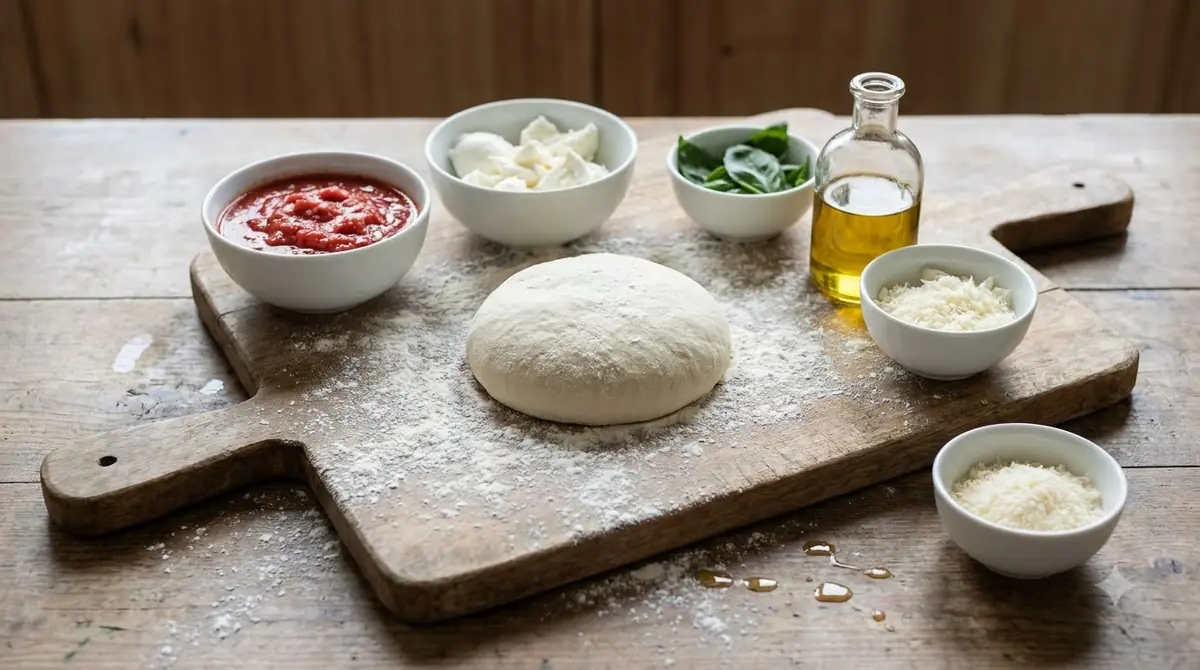
Most home bakers choose between two dry types. Active dry yeast has to be activated in warm water before it joins the flour. Instant yeast can be stirred directly into the dry ingredients, which removes one step from the process. Neither is a shortcut to better flavor on its own. Both produce a rise when the water temperature and proofing time are right; how long to proof pizza dough depends on the recipe. Once you have picked a type, our guide on how much yeast for pizza dough helps you measure the right amount for your batch size.
Gozney, a pizza oven brand, puts it simply: all four common yeast types can make great pizza dough, and the best one for you depends on your exact needs. That is a useful starting point, because it moves the decision from brand to method.
Use this quick check before you buy:
- If you want to mix everything in one bowl without a proofing step, look for instant yeast.
- If you already proof yeast in water and want a familiar routine, active dry yeast fits well.
- If you can buy fresh yeast soon and keep it cold, fresh yeast is an option for same-week baking.
- If you want a natural culture and can wait one to two weeks, a sourdough starter is the slow route.
The Four Yeast Types You Will See
You will mainly meet four yeast types in stores and recipes: active dry, instant, fresh and sourdough starter. Each one behaves differently when it meets water and flour, so the label and the recipe should match.
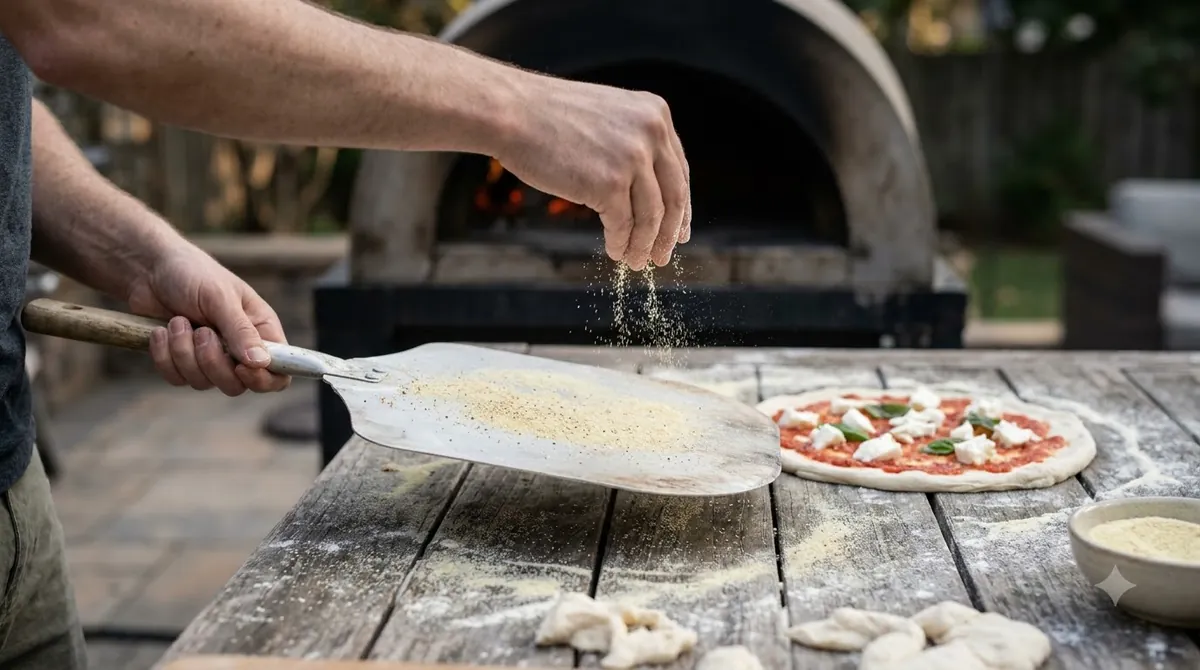
Active Dry Yeast
Active dry yeast is the most widely sold type in supermarkets. It has been dehydrated for a longer shelf life, so it needs warm water to wake up. Fleischmann’s, a yeast maker, gives 100 to 110°F as the ideal temperature for active dry yeast in its Yeast 101 guide. Dissolve it, wait for foam, and then add it to the flour.
Instant Yeast
Instant yeast is similar to active dry yeast but has additives that make it more reactive. It does not need to be mixed with water first, so you can sprinkle it into the dry mix. Fleischmann’s lists RapidRise and bread machine yeasts as instant types, and says they can be used interchangeably. Its ideal water temperature for these is 120 to 130°F when the yeast is added to dry ingredients.
Because instant yeast skips activation, it is less affected by extra salt and sugar in the dough. That makes instant yeast a strong candidate for the best yeast for pizza dough when the recipe is mixed and rested in one bowl.
Fresh Yeast
Fresh yeast, sold as a moist cake, is less processed and less concentrated than dried yeast. Gozney says it gives dough slightly more flavor than dry yeast, a difference it calls subtle. Dissolve it in tepid water, which Fleischmann’s puts at 70 to 90°F, or crumble it into the dry ingredients.
Fresh yeast does not keep long, so it is the best yeast for pizza dough only when you can use it quickly. Fleischmann’s says it should be refrigerated, should not be stored in the freezer, and is best used within several weeks of purchase.
Sourdough Starter
A sourdough starter is made from flour and water and is not classed as commercial yeast. Gozney says a starter is usually built over one to two weeks, and describes sourdough pizza crust as crispier than regular pizza, with a light, airy interior. For a full method, see the sourdough pizza dough recipe.

Water Temperature and the Proofing Test
Water temperature is the variable most home bakers get wrong, whichever is the best yeast for pizza dough in their kitchen. Yeast that is too cold works slowly, and yeast that is too hot can be killed. Fleischmann’s notes that a cool liquid slows or stops yeast action, and a hot liquid destroys the yeast so the dough cannot rise.
Use a thermometer rather than your wrist when you can. The reference points below come from the Fleischmann’s guides cited in this article:
- Active dry yeast: 100 to 110°F for water or liquid where you dissolve it first.
- Instant yeast: 120 to 130°F when it goes into dry ingredients, as the ideal range for RapidRise and bread machine types.
- Fresh yeast: 70 to 90°F of tepid water, or crumbled into the flour.
If you are unsure whether a packet is still alive, run a simple proofing test. Fleischmann’s method uses one quarter cup of lukewarm water at 100 to 110°F, one teaspoon of sugar and the yeast. Wait 10 minutes. Active yeast will bubble or foam and roughly double in size. If nothing happens, the yeast is not active, and you should replace it before you make dough.
Salt is the other ingredient that changes the rise. Fleischmann’s explains that salt draws water out of yeast and slows the rise, which is useful for flavor but needs balance. The same guide says salt can be cut by one-third in a recipe but should not be removed entirely.
Converting Between Yeast Types
If your pantry holds a different type than the best yeast for pizza dough in your recipe, you can swap one yeast type for another, but you need the right conversion. Gozney publishes a set of divisors and multipliers, and Fleischmann’s gives its own substitution rules. The two sets are close but not identical, so use them as a starting point and check the result.
| From | To | Gozney factor |
|---|---|---|
| Active dry | Instant | Divide by 1.35 |
| Instant | Active dry | Multiply by 1.35 |
| Fresh | Active dry | Divide by 2 |
| Fresh | Instant | Divide by 2.7 |
Fleischmann’s gives a different rule for one common swap. When you use active dry yeast in place of RapidRise, it advises using 25 percent more active dry yeast, proofing it in warm liquid at 100 to 110°F for five minutes, and adding 20 minutes to the rise time. Gozney’s factor of 1.35 implies a larger increase, so the two rules differ by about ten percentage points. For a single pizza, that gap is small, but it is worth noting if your dough is tight on time.
Going the other way, Fleischmann’s says you can use an equal amount of RapidRise in place of active dry. Heat the wet ingredients to 120 to 130°F, and replace the first rise with a 10-minute rest after kneading. Fleischmann’s also gives packet equivalents: one packet is 2 1/4 teaspoons, a small 0.6-ounce cake of fresh yeast equals one packet, and a large 2-ounce cake equals three.
Storage, Shelf Life and Labels
Storage is part of choosing the best yeast for pizza dough, and sealed dry yeast keeps well, and Fleischmann’s says a sealed dry package lasts about two years. Most packaged yeast can be stored at room temperature, and refrigerating any yeast may extend its life. Fresh yeast must be kept cold and should not go in the freezer.
Once you open a jar of yeast, Fleischmann’s says it can be kept in the fridge for up to four months. Write the opening date on the lid, because the printed use-by date is still the best guide for peak activity.
When you read a label to find the best yeast for pizza dough, check four things before you buy:
- The yeast type named on the front, such as active dry, instant or RapidRise.
- The use-by date, and whether the packet is sealed and undamaged.
- The net weight, so you can compare cost per packet or per ounce.
- Any note that says the yeast is sold for pizza or bread machines, and whether it is instant.
Some packages carry the word pizza on the front. Read the yeast type in the small print and match it to the method in your recipe, because the front label alone does not tell you whether the yeast is instant or active dry.
Common Mistakes With Pizza Yeast
Even the best yeast for pizza dough will fail if it is handled badly, and most failed doughs trace back to a few simple mistakes. Check these before you blame the flour or the oven.
- Adding hot water, which can kill yeast before the dough starts to rise.
- Using cold water with active dry yeast, which slows the rise well below the 100 to 110°F range.
- Skipping the proofing test on old yeast, especially a package you have had for months.
- Swapping yeast types without changing the water temperature or the rise time.
- Putting fresh yeast in the freezer, where Fleischmann’s advises against it.
If your pizza dough is not rising at all, check the yeast and the water temperature first. Fleischmann’s notes that both cool liquid and salt slow the rise, so those are the next two things to review.
Frequently Asked Questions
Is instant yeast the same as active dry yeast?
They are close but not identical, so the best yeast for pizza dough depends on your method. Instant yeast has additives that make it more reactive and can be stirred directly into dry ingredients. Active dry yeast is usually dissolved in warm water first, and its ideal temperature is 100 to 110°F according to Fleischmann’s.
Can I use active dry yeast instead of instant yeast?
Yes, but use more of it. Fleischmann’s advises 25 percent more active dry yeast than the recipe calls for when replacing RapidRise, proofed at 100 to 110°F for five minutes, with 20 extra minutes of rise time. Gozney’s factor of 1.35 is slightly higher, so check the dough as it rises.
How do I know if my yeast is still alive?
Dissolve the yeast in a quarter cup of lukewarm water at 100 to 110°F with one teaspoon of sugar. If it bubbles or foams and roughly doubles within 10 minutes, it is active. Fleischmann’s describes this as its proofing test.
Does fresh yeast need to be refrigerated?
Yes. Fleischmann’s says fresh yeast should be refrigerated, should not be stored in the freezer, and is best used within several weeks of purchase. Keep it in an airtight container at the back of the fridge.
How long does sealed yeast last?
Fleischmann’s says sealed dry yeast packages last around two years. Use the printed date as the guide for peak activity, and once a jar is open, Fleischmann’s says it can be kept in the fridge for up to four months.
Does the water temperature change for each type?
Yes. Fleischmann’s gives 100 to 110°F for active dry yeast dissolved in water, 120 to 130°F for RapidRise and bread machine yeasts, and 70 to 90°F for fresh yeast dissolved in tepid water. Match the temperature to the type on the label.
What Sources Do Not Confirm
The sources used here do not give a freezer rule for dry yeast, a shelf life for every instant product, or a sourdough starter ratio. This article leaves those out rather than guess. Check the printed instructions on your package and the recipe you are following for any number not listed here.
Gozney’s sourdough note is a general description of crust texture, not a measured result, so treat it as an expectation rather than a promise.
Pick the best yeast for pizza dough for your own method, match the water temperature to the label, and keep a spare packet only if you bake often enough to use it before the date. Flour matters just as much, so read the best flour for pizza dough guide next.
 9 min readGear & PantryBest Pizza Peel for Gozney Tread: How to Choose the Right Size and TypeUpdated Nov 11, 2026
 8 min readGear & PantryBest Flour for Pasta: How to Choose by Dough TypeUpdated Nov 16, 2026
 9 min readGear & PantryBest Instant Yeast for Pizza: What to Look ForUpdated Nov 10, 2026
 8 min readGear & PantryPizza Dough Roller: Types, Uses and What to Check Before You BuyUpdated Nov 8, 2026
 8 min readGear & PantrySpiral Mixer for Pizza Dough: Best Types and Picks for 2026Updated Nov 10, 2026
 9 min readGear & PantryBest Flour for Pizza Dough: How to Choose by Style and OvenUpdated Nov 16, 2026