

A baking steel conducts heat faster than a pizza stone, so it usually gives a crisper, better-browned crust. A pizza stone, often made of cordierite ceramic, works well but transfers heat less efficiently and can crack over time. The better choice depends on your oven type, the crust style you want and how you plan to clean and store the surface, rather than on a single winner. This baking steel vs pizza stone guide covers that choice step by step.
Baking Steel vs Pizza Stone: The Core Difference
The main difference is how the surface moves heat into the dough. Steel is metal and has higher thermal conductivity, so it hands heat to the bottom of the pizza more quickly. A stone is usually cordierite, a ceramic rather than natural stone, which conducts heat less well than metal. For baking steel vs pizza stone, this is the first thing to compare.
That gap shows up mainly in the first minute of baking. The steel tends to give faster cooking, better browning and a crispier base, while the stone works well but is a step behind. If you bake in a standard home oven and want the fastest bottom heat, the steel is the stronger tool. In any baking steel vs pizza stone test, the difference is most visible on the base.

Choose by Oven Type
Your oven matters more than the surface. Both products need an oven that can reach a high temperature, and both need time to heat fully before you bake. That is true for any baking steel vs pizza stone choice. If you want a second opinion on the same question, read a side-by-side of pizza stones and steels.
Standard Home Oven
In a standard oven, a baking steel is the better option if you want fast bottom heat. Preheat for at least an hour, with the surface reaching at least 500 F on an infrared thermometer. A stone works in the same oven, but expect a slower recovery and a paler base.
Self-Cleaning Oven
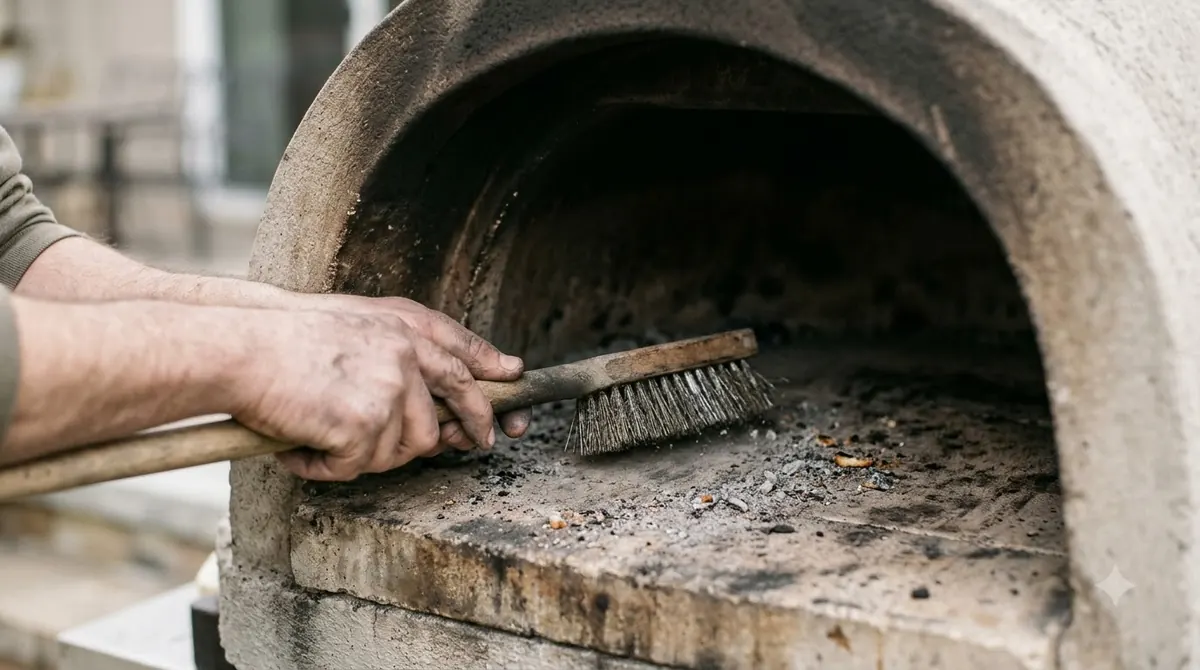
Do not leave a pizza stone in a self-cleaning oven. Rapid temperature changes can fracture a stone through thermal shock. A steel is described as far more durable, but you should still check your oven manual before you leave any accessory inside during a cleaning cycle.
Broiler or Grill
Steel can handle a broiler or a grill, which makes it useful if you finish pizza under high top heat. Stone can also be used this way, but the thermal shock risk is higher, so heat it gradually and avoid placing cold dough on a very hot stone without a short rest.
Choose by Crust Style
The crust you want is the second question. Steel and stone produce different results, and neither is wrong for every style. Crust style is where baking steel vs pizza stone results differ most. Once you lean toward steel, browse pizza steel options.
- Thin, crisp, well-browned crust: the steel is the stronger choice because it transfers heat quickly.
- Softer, slower-baked crust: the stone gives a gentler bottom heat and is less likely to burn the base.
- Bread and cookies: steel can produce too much heat for these, so a stone may suit a mixed baking routine better.
Stone’s high thermal mass and poor heat conduction make food less likely to burn, which is why some home cooks keep one for bread. If you only bake pizza, steel is usually the simpler choice. That is one reason the baking steel vs pizza stone choice depends on what else you bake.
Durability, Cracking and Weight
Durability is one of the clearest differences. A stone can deteriorate and crack over time, while a steel is described as pretty much indestructible. A cracked stone is a common reason bakers replace theirs, so this matters if you bake often. For many home bakers, it is a decisive point in baking steel vs pizza stone shopping. If a stone wins for your oven, see pizza stone options.
Weight and size are less standardized. The sources read for this guide do not give a weight for either a steel or a stone, so check the product specification or manual for the exact figure before you plan a move or a shelf. A typical steel is about 16 by 16 inches and a quarter inch thick, so measure the space and oven rack first. Check the baking steel vs pizza stone specs before you buy.
Preheating and Recovery Between Pizzas
Both surfaces need a long preheat. The recommended approach is to preheat for at least an hour, aiming for at least 500 F on the surface. Once you start baking, give the surface at least five minutes to recover between pizzas. Without that gap, each pie comes out paler and less crisp than the one before. The preheat step is the same for a baking steel or a pizza stone.
Cleaning and Seasoning
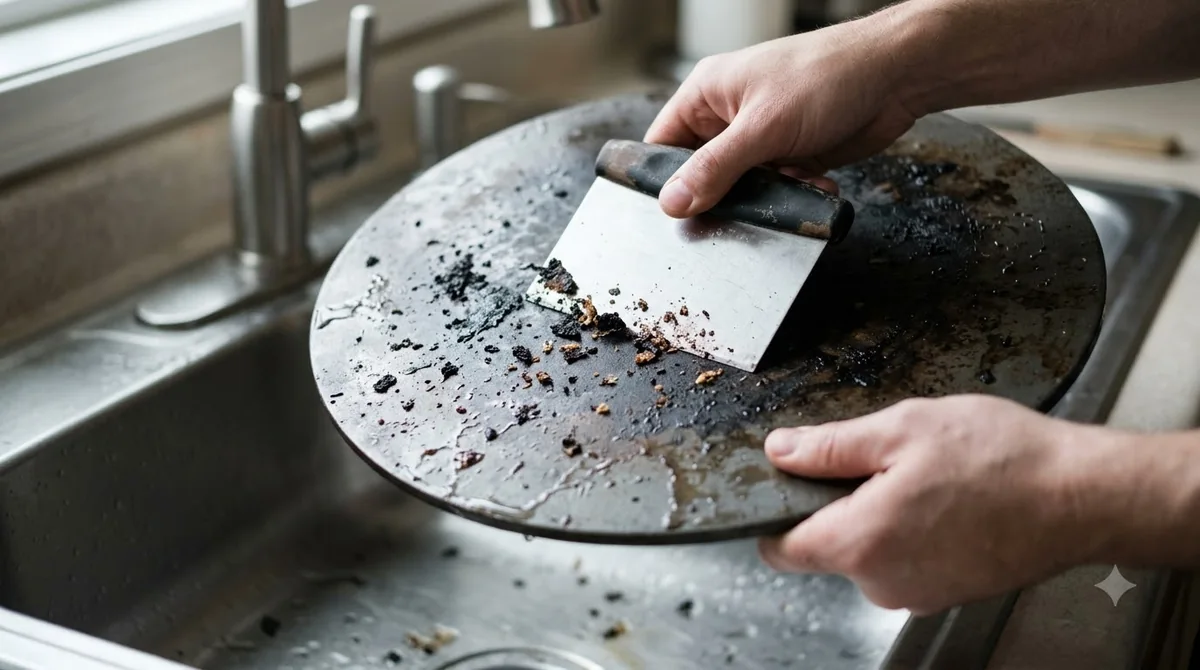
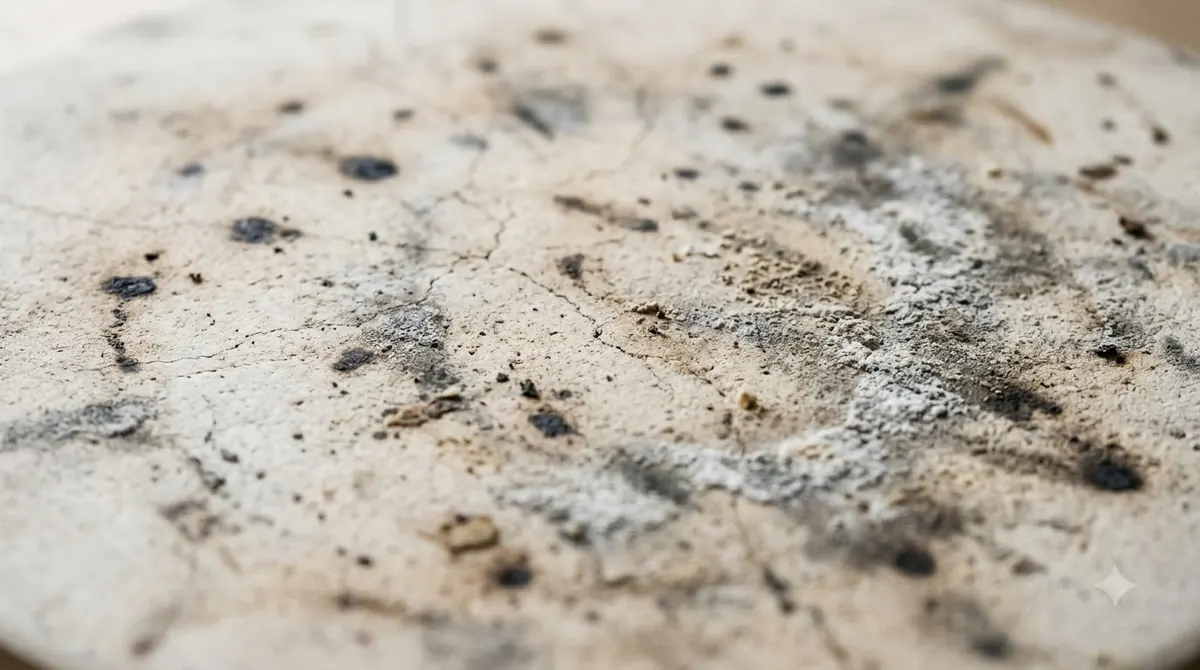
Cleaning is the other practical difference. A stone is porous and absorbs liquids, including detergent, which can flavor later pizzas. Brush or scour it, then rinse with plain hot water and skip the soap. A steel must be pre-seasoned before first use, and it is usually cleaned by scraping off burnt bits while the surface is still warm. The cleaning routine is the last practical check in a baking steel vs pizza stone comparison.
Who Each Option Suits
Choose a baking steel if you bake pizza often, want fast bottom heat and do not plan to bake much bread. Choose a pizza stone if you bake a mix of breads and pizza and want a gentler base, or if the stone is the one you already own and it still performs well. Use the table below to finish your baking steel vs pizza stone comparison.
| Factor | Baking steel | Pizza stone |
|---|---|---|
| Heat transfer | Faster, higher conductivity | Slower, ceramic |
| Crust | Crisper, better browning | Gentler, a step behind |
| Durability | Very durable | Can crack over time |
| Self-cleaning oven | Check your oven manual | Remove before cleaning |
| Cleaning | Scrape while warm | Brush, rinse with hot water, no soap |
Frequently Asked Questions
Is a baking steel better than a pizza stone?
For most pizza bakers, yes. Steel transfers heat faster and gives a crisper base, and it is far less likely to crack. A stone still works well if you want a gentler bake or already own one. The baking steel vs pizza stone answer also depends on your oven.
Can I use a pizza stone in a self-cleaning oven?
Avoid it. Rapid temperature changes can crack a stone, so remove it before running a self-cleaning cycle.
How long should I preheat a steel or a stone?
Preheat for at least an hour, aiming for a surface temperature of 500 F or more, checked with an infrared thermometer. Convection settings can speed up the process for either surface.
Should I wash a pizza stone with soap?
No. A stone is porous and can absorb detergent, which may flavor later pizzas. Scrub it, then rinse with plain hot water.
Pick a baking steel if you want fast bottom heat and long durability, and pick a stone if you want a gentler bake or already have one that works. Either way, preheat fully, give the surface time to recover between pizzas, and clean it the way its material requires.
 9 min readGear & PantryPizza Stone vs Pizza Steel: Which One Bakes Better at Home?Updated Nov 15, 2026
 8 min readGear & PantryHow to Choose a Baking Steel ThicknessUpdated Nov 11, 2026
 9 min readGear & PantryHow to Clean a Baking Steel: Scrape, Dry, and Re-SeasonUpdated Nov 11, 2026
 9 min readGear & PantryHow to Use a Baking Steel in a Home OvenUpdated Nov 10, 2026
 8 min readGear & PantryBest Gluten Free Pizza Crust Mix: 4 Honest Picks for 2026Updated Nov 12, 2026
 8 min readGear & PantryBest Pizza Crust Mix: How to Choose One for Home PizzaUpdated Nov 12, 2026