
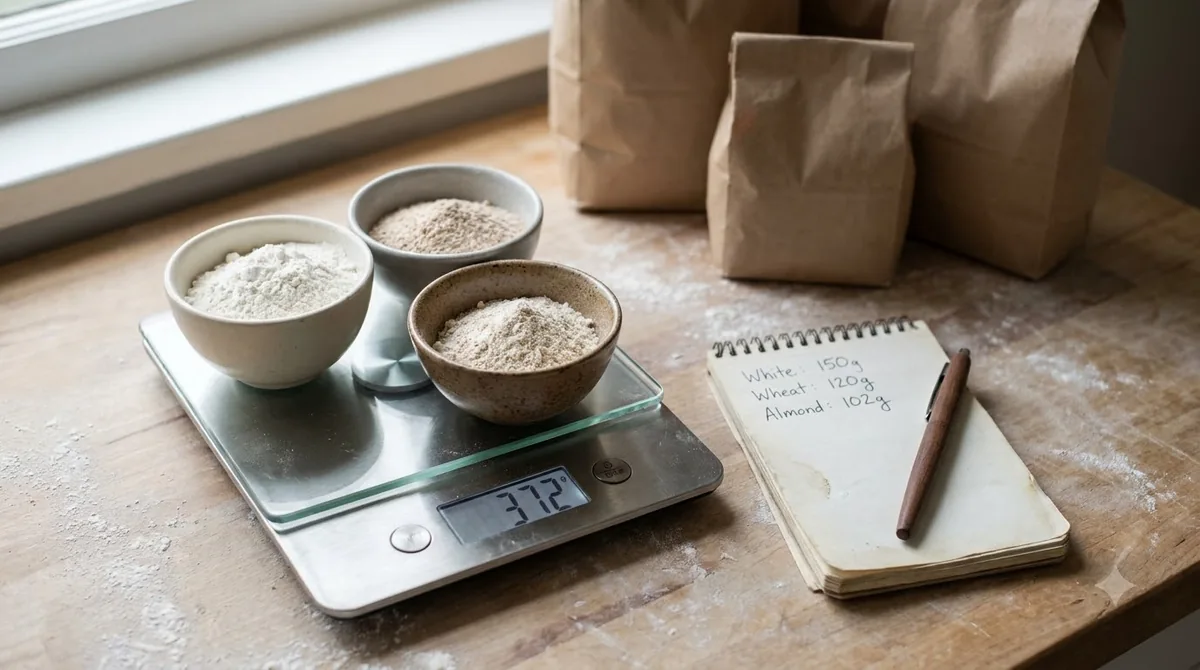

The best pizza crust mix for home cooks is the one that matches your oven, the water temperature on its label and the crust style you want. Most mixes are a dry blend you combine with warm water and oil, then shape and bake in a hot oven. Your oven, your preferred crust and whether you need gluten-free all change the answer, so use the table below to narrow your choice.
| Pick | Best for | Key fact |
|---|---|---|
| Dough mix for a bread machine or stand mixer | Hands-off mixing at home | Prepared Pantry gives separate bread machine and stand mixer methods |
| Quick thin-crust mix | A thin base on a weeknight | The quick thin-crust method bakes 13 to 17 minutes until the edges brown |
| Gluten-free mix | Gluten-free diets | Needs its own water and handling directions |
| Homemade dough from flour | Full control of rise and crust | King Arthur’s thin crust rises 1 to 1 1/2 hours |

Betty Crocker Pizza Crust Mix, 6.5
Pros & ConsViewHide
Reasons to buy
- Six 6.5 oz pouches per order
- 4.5 average rating from over 300 Amazon ratings
- Pouch mix, so only water and oil are needed
Reasons to avoid
- Directions are on the pouch and differ from other brands
- Wheat-based, not gluten-free

Martha White, Pizza Crust, Thin & Crispy Mix
Pros & ConsViewHide
Reasons to buy
- Labeled thin and crispy, a match for a quick thin crust
- Six 6.5 oz pouches per order
- 4.5 average rating from about 450 Amazon ratings
Reasons to avoid
- Thin style only, not a thick or deep-dish crust
- Wheat-based, not gluten-free

Weisenberger Pizza Crust Mix, 6.5 oz - 3 Pack
Pros & ConsViewHide
Reasons to buy
- Three 6.5 oz pouches per order
- 4.4 average rating from over 2,000 Amazon ratings
- Large rating count gives a longer track record
Reasons to avoid
- Lowest average rating of the group
- Wheat-based, not gluten-free

Jiffy PIZZA CRUST Mix 6.5oz (12 pack)
Pros & ConsViewHide
Reasons to buy
- Twelve 6.5 oz pouches per order
- 4.6 average rating from over 130 Amazon ratings
- Pouch mix, so only water and oil are needed
Reasons to avoid
- Twelve pouches is a lot to store for occasional pizza nights
- Wheat-based, not gluten-free
Best Pizza Crust Mix: What It Is and How It Differs from Store-Bought Dough
A pizza crust mix is a dry blend you turn into dough at home by adding water and oil. It sits between buying ready-made dough and measuring flour from scratch.
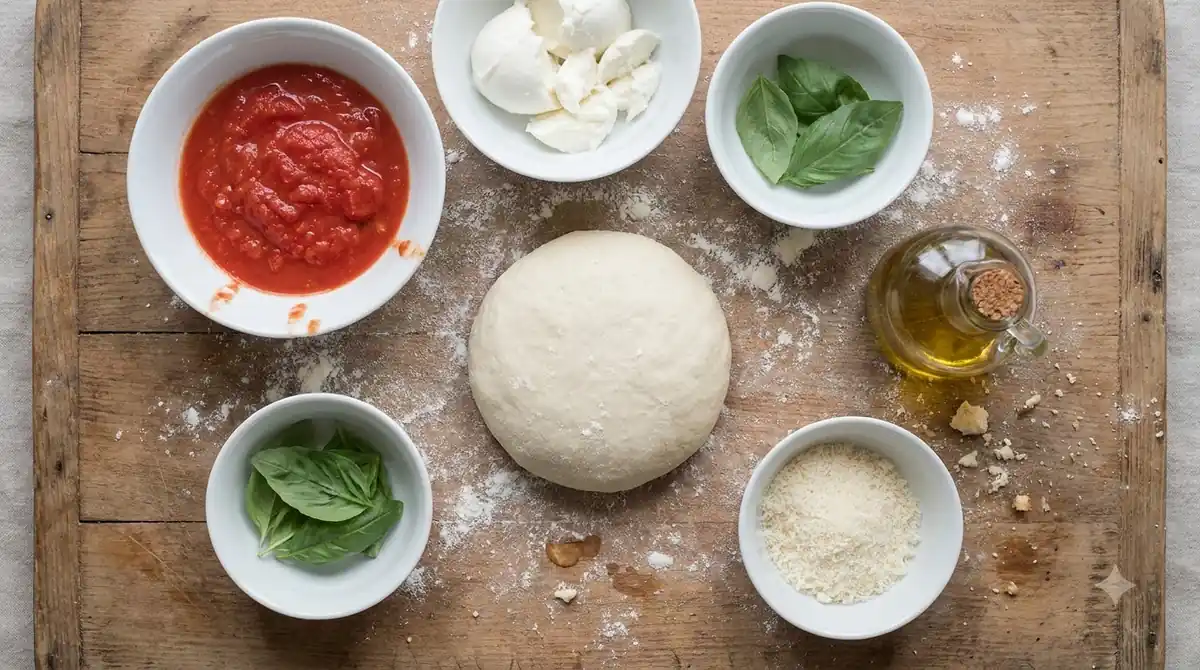
The best pizza crust mix on the shelf still depends on your method. According to Prepared Pantry’s dough mix instructions, one package makes a 15-inch medium thick crust or two 10 to 11-inch crusts. The pouch mixes in the box above have their own directions, so treat the numbers here as one brand’s example and follow the pouch you buy.
Store-bought dough is ready to shape. A mix asks you to add water and oil, mix and rest the dough first, which gives you more say in the final texture.
| Option | Preparation | Control over the dough |
|---|---|---|
| Pizza crust mix | Add warm water and oil, mix, rest, then shape | Set by the box directions |
| Homemade dough from flour | Measure flour, mix, rise 1 to 1 1/2 hours | You adjust flour, water and rise time |
Read the yield line on the label before you buy. Prepared Pantry’s yield of one 15-inch medium thick crust or two 10 to 11-inch crusts tells you how many pizzas one package covers, which matters more than the brand name when you cook for several people.
How to Use a Best Pizza Crust Mix: Water, Oil and Oven Temperature
Prepared Pantry’s bread machine method uses 3/4 cup of water at 80°F and 2 tablespoons of olive oil. Its stand mixer method calls for 3/4 cup of warm water at 110°F.
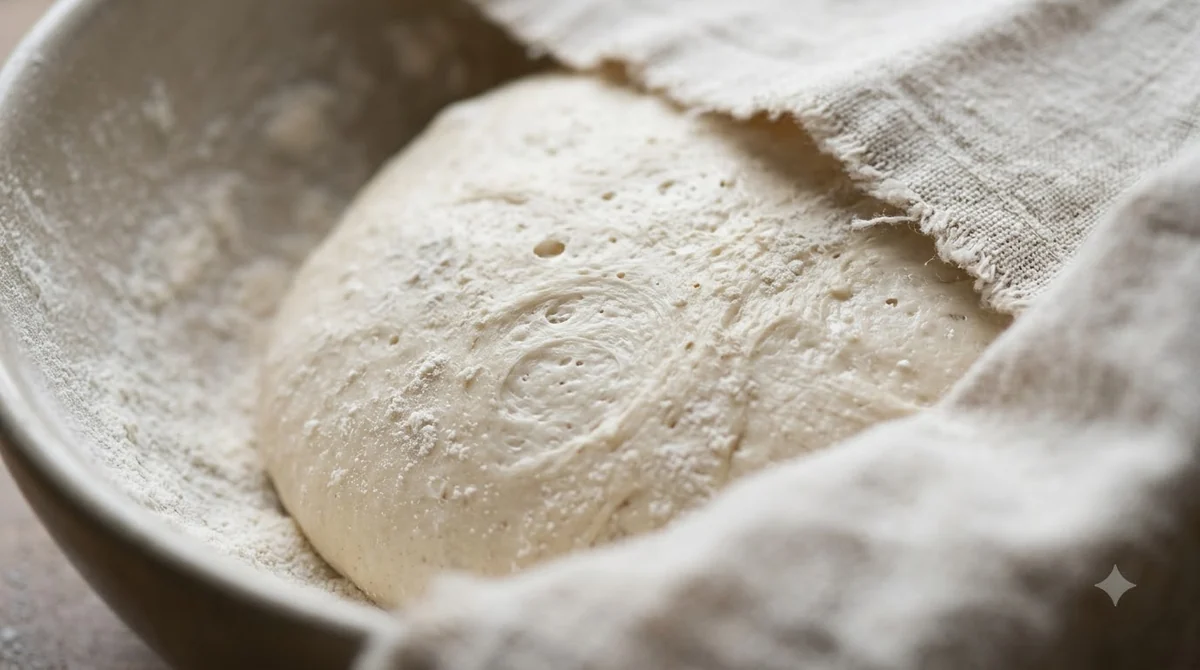
Using the best pizza crust mix well comes down to four steps, all listed on the package or in the manufacturer’s instructions.
- Warm the water to the temperature on the box. Prepared Pantry asks for 80°F in a bread machine and 110°F in a stand mixer.
- Beat the water, oil and yeast with half the mix using a dough hook for about 30 seconds. Add the rest of the mix, knead, then let the dough rise in a greased, covered bowl until doubled.
- Let the shaped crust rest about 30 minutes, until it looks soft and is twice as thick.
- Preheat the oven to 425°F. Bake 15 to 20 minutes on the lowest rack for a thick crust, or 13 to 17 minutes for a quick thin crust.
Water temperature and oven setting differ between brands, so the label on your box beats any general number for the best pizza crust mix you buy. Prepared Pantry’s mix instructions are a useful reference when a label is unclear.
Thin, Thick and Crispy Crust: Which Mix Style Fits You
A thin crust bakes in 13 to 17 minutes with Prepared Pantry’s quick method, while a medium thick crust takes 15 to 20 minutes on the lowest rack.
Crust thickness with the best pizza crust mix depends on how much dough you use and how you roll it, and our guide to pizza crust types shows the common styles. Prepared Pantry notes that a crust of uniform thickness bakes better, and that cutting the dough ball in half makes two thinner pizzas from one package.
| Crust style | Dough and shape | Bake guidance |
|---|---|---|
| Thin | Quick thin-crust method; for a very thin crust, cut the dough ball in half | 13 to 17 minutes at 425°F until the edges brown |
| Medium thick | One 15-inch crust from one package | 15 to 20 minutes on the lowest rack at 425°F |
| Crispy | Keep an even thickness across the crust | Move the pizza to a different rack halfway through baking |
These bake times for the best pizza crust mix come from one brand’s instructions. Use them as a starting point, then check the crust edges near the end of baking.
Gluten-Free and Special-Diet Mixes
Gluten-free mixes follow their own directions (see our best gluten free pizza crust mix guide), so you should not reuse the water and bake times from a wheat-based mix.
Choosing the best pizza crust mix for a gluten-free diet starts with the label. A product that is not labeled gluten-free can contain wheat ingredients, so read the front and the ingredient list before you buy.
- Confirm the gluten-free label on the best pizza crust mix you choose, then check the ingredient list on the back.
- Follow the water amount and handling steps printed on that package.
- Check the bake time and rest steps on that box rather than copying a wheat-based method.
If you have another dietary need, treat any mix as a starting point and check the label for every ingredient.
A gluten-free dough can handle differently from wheat dough during shaping, so compare the box directions for water, rest and bake time side by side before you commit. If the package gives no bake time for your oven, use the temperature and rack instructions on the label as your guide rather than a number from another brand.
Mix or Homemade Dough: How to Decide
The best pizza crust mix suits quick, repeatable pizza, while homemade dough from flour suits cooks who want to set the rise time and crust style. King Arthur’s thin crust rises 1 to 1 1/2 hours.
King Arthur’s ultra-thin pizza crust recipe starts from flour, not a mix. It rises until puffy, then bakes at 450°F for 12 to 15 minutes on a baking stone or steel.
The King Arthur page does not discuss store-bought mixes. Use it to compare the oven step and rise time with the directions on your own box. King Arthur’s page also notes that its Perfect Pizza Blend will puff up a bit more because of the baking powder in the blend, so the flour you choose changes how the crust rises.
Common Mistakes With Pizza Crust Mix
The most common mistakes with the best pizza crust mix are skipping the rest, leaving dough too long in a bread machine and baking before the oven is hot enough.
- Skipping the rest. Let the shaped crust rise about 30 minutes until it is twice as thick.
- Leaving dough in a bread machine after the dough cycle. It keeps rising and may overflow.
- Baking before the oven reaches 425°F, the setting Prepared Pantry gives.
- Leaving a finished pizza on the pan or cutting board. Move it to a wire rack so the bottom does not sweat.
The sources checked for this guide do not cover storing leftover dough, so check the package date and storage advice before you keep dough from the best pizza crust mix for later.
Frequently Asked Questions
Can I make a thin crust from a pizza crust mix?
Yes. Prepared Pantry’s quick thin crust method bakes 13 to 17 minutes at 425°F until the edges brown. For an even thinner base, cut one dough ball in half and make two pizzas from one package.
How much water do I add to a pizza crust mix?
Follow the box first. Prepared Pantry’s bread machine method uses 3/4 cup of water at 80°F, and its stand mixer method uses 3/4 cup of warm water at 110°F. Water temperature differs by brand, so check the label before you start.
Do I need a pizza stone?
No. A stone is not required for the best pizza crust mix. Prepared Pantry suggests rolling the dough to about 1/4 inch when you bake on a stone (see how to use a pizza stone), and it recommends the lowest rack for a thick crust.
Is a pizza crust mix gluten-free?
Only if the package says so. Wheat-based mixes are not gluten-free, and gluten-free mixes need their own water and handling directions, so follow the label closely.
Can I freeze dough made from a pizza crust mix?
The sources checked for this guide do not cover freezing mixed dough. Read the package and its dough instructions before you freeze dough from the best pizza crust mix, because freezing may not work the same way for every mix.
Is the best pizza crust mix better than store-bought dough?
It depends on your priorities. A mix gives you a measured blend and steps you can repeat at home. Store-bought dough saves the mixing and rising time. Compare the yield and bake time on each label before you decide.
Pick the best pizza crust mix that matches your oven and the crust you want, then follow the water and temperature on that box rather than a different brand’s label. If you need gluten-free, buy only products whose labels say so, and plan rise and bake times from the package.
 8 min readGear & PantryBest Gluten Free Pizza Crust Mix: 4 Honest Picks for 2026Updated Nov 12, 2026
 7 min readGear & PantryBaking Steel vs Pizza Stone: Which Gives Better Crust?Updated Nov 15, 2026
 8 min readGear & PantryPizza Oven Thermometer: Best Picks and How to Choose OneUpdated Nov 17, 2026
 9 min readGear & PantryBest Jarred Pizza Sauce: How to Choose One That Tastes FreshUpdated Nov 10, 2026
 7 min readGear & PantryPizza Rocker Cutter: What It Is and How to Choose OneUpdated Nov 10, 2026
 8 min readGear & PantryPizza Turning Peel: How It Works and How to Choose OneUpdated Nov 16, 2026