
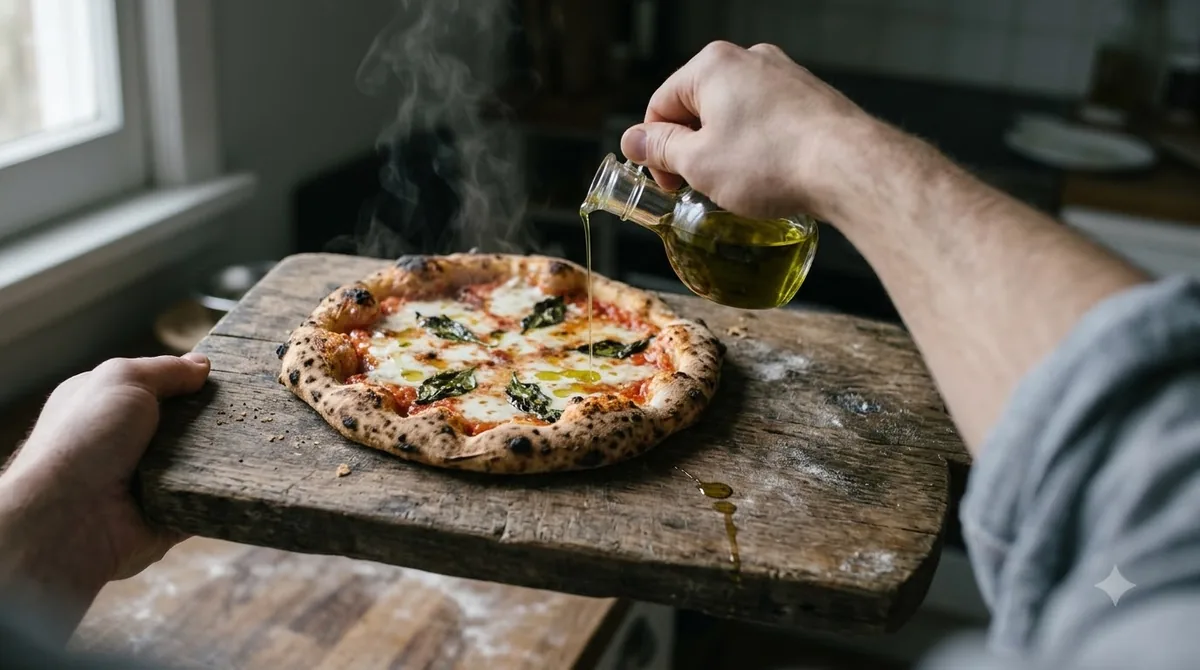

This bruschetta recipe turns toasted Italian bread into a quick appetizer topped with garlic, olive oil, diced tomato, and basil. Use a sturdy loaf, toast it until crisp, and add the topping only when you are ready to serve.
The version below comes from King Arthur Baking and makes about 40 pieces from two baguettes. Keep the tomato mixture chilled until serving time so the toasts stay crisp.
What Bruschetta Is and Where the Name Comes From
Bruschetta is an Italian antipasto of bread that is grilled or toasted, then topped with garlic, olive oil, and salt. The name comes from the Romanesco verb bruscare, which means to toast, according to Wikipedia’s bruschetta entry.
The same article describes the dish as grilled bread with garlic, olive oil and salt, most often served with toppings of tomatoes, vegetables, beans, cured meat or cheese. Its infobox lists bruschetta as served warm when it is bread only, or cold. In the United States, the word sometimes refers to a jarred, tomato-based topping, a sense the article says is unknown in Italian.
The origin is hard to pin down. Some writers trace the food to ancient Rome, but Wikipedia says the earliest oil tasting was likely an oil-soaked piece of bread that may or may not have been rubbed with garlic. The first English documentation it cites is from 1954, when Elizabeth David noted that bruschetta were eaten with the new oil in Tuscany and Umbria.
The tomato topping most people picture today is one of several types found in Italy, not the only original form. Knowing that helps you adjust this bruschetta recipe to the toppings you have on hand.
Ingredients for This Bruschetta Recipe
This version uses two medium tomatoes, two garlic cloves, one tablespoon of basil, three tablespoons of extra-virgin olive oil, and a small pinch of kosher salt. The full list comes from King Arthur Baking’s bruschetta recipe, which yields about 40 pieces.
| Ingredient | Amount |
|---|---|
| Tomatoes | 2 medium (340 g), diced |
| Garlic | 2 cloves, minced |
| Fresh basil | 1 tablespoon, minced |
| Extra-virgin olive oil | 3 tablespoons (35 g) |
| Balsamic vinegar | 1 tablespoon |
| Kosher salt | 1/8 teaspoon |
| French-style baguettes | 2 loaves, 15 to 16 inches each |
King Arthur’s page asks for ripe tomatoes, fresh garlic and fresh basil, and says only those should be used. Because the garlic and basil are not cooked, their flavor stays sharp in the finished topping.
Delallo’s guide suggests optional additions such as minced onion or shallot or a sprinkle of Parmesan, but this bruschetta recipe does not require them. The King Arthur list already includes 1 tablespoon of balsamic vinegar. Delallo also notes that cherry tomatoes have a sweet, concentrated flavor, so you can swap them in if you prefer that taste. With so little oil in the mix, it helps to pick one of the best extra virgin olive oils, and fresh basil keeps better with the tips in how to store fresh basil.
How to Make This Bruschetta Recipe Step by Step
Combine the tomato mixture first, slice the bread on the diagonal, brush it with oil, and broil until lightly browned. Top each slice with a scant tablespoon of tomato mixture only when you serve it.
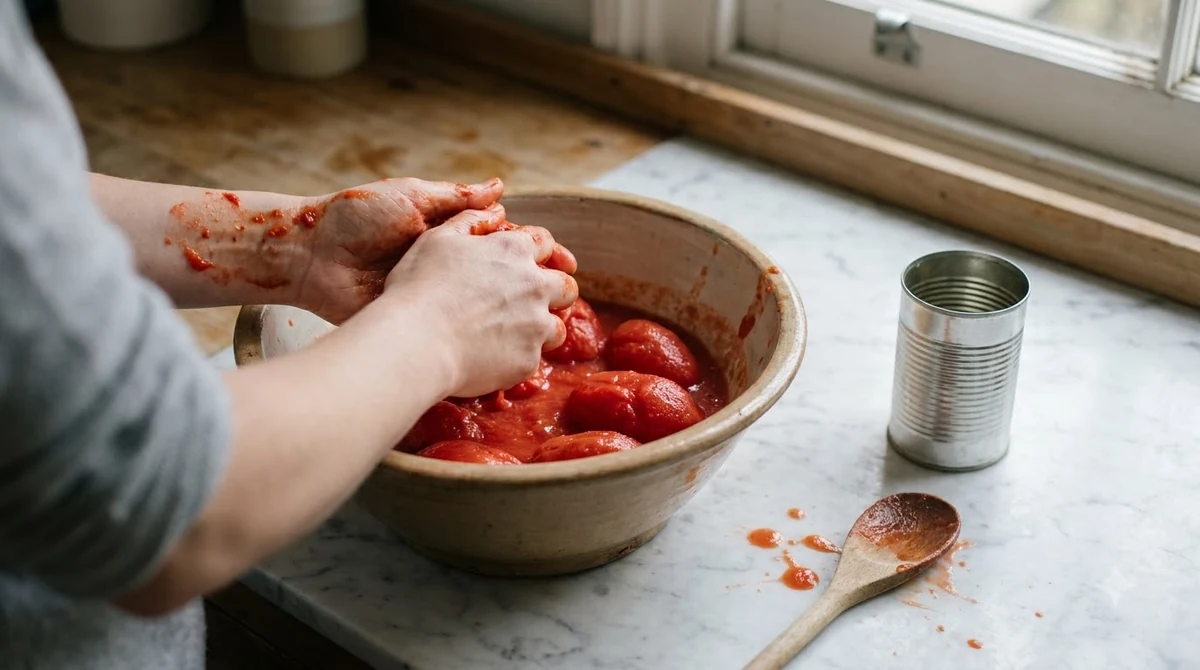
Delallo’s method starts by lightly salting the chopped tomatoes and draining them in a colander for about 10 to 15 minutes. That step is meant to remove excess moisture from the tomatoes before they go on the bread.
The same guide brushes the bread lightly with olive oil and toasts it until just golden and crispy. It gives no oven temperature or toasting time, so the King Arthur range is the only timing figure cited here.
- Combine the tomatoes, garlic, basil, 3 tablespoons of olive oil, balsamic vinegar and salt in a small glass or ceramic bowl. Let the mixture rest at least 10 minutes at room temperature, then refrigerate it until needed.
- Slice the baguettes about 3/4 inch thick on the diagonal. Brush one side of each slice with olive oil.
- Arrange the slices oil side up on a baking sheet. Broil until lightly browned, watching closely, since the page lists a bake time of 5 to 8 minutes.
- Cool the toasts completely, then pack them in an airtight container.
- Just before serving, spoon a scant tablespoon of the tomato mixture onto each toast.
King Arthur’s page does not give an oven temperature, so this bruschetta recipe relies on the broiler. Check the bread often, and pull the slices once they are lightly browned, since the page gives only the time range.
Because the King Arthur method yields about 40 pieces, one full batch of this bruschetta recipe fills a large platter. Broil the slices in rounds rather than crowding them onto one sheet, so every piece browns evenly under the heat.

Choosing the Right Bread and Tomatoes
A sturdy, crusty loaf holds the topping best, and ripe tomatoes give the clearest flavor in any bruschetta recipe.
- Baguette: slice it on the diagonal to give the topping more surface area.
- Ciabatta or artisan sourdough: a crusty outside with an airy inside, both named in Delallo’s guide.
- Thick slices: they resist moisture from the topping better than thin ones.
- Cherry tomatoes: Delallo says they have a sweet, concentrated flavor, which suits a topping made with few ingredients.
Both guides point to crusty bread, so a soft sandwich loaf is a poor fit for this bruschetta recipe. Both sources describe a crisp, toasted base, which a soft loaf does not give.
Choose tomatoes that are ripe, and drain them as the method describes before you combine them with the other ingredients. With so few ingredients in this bruschetta recipe, the bread and tomatoes carry most of the flavor.
Common Mistakes That Make Bruschetta Soggy
Bruschetta turns soggy when the tomato topping sits on the bread for too long, so keep the two separate until guests are ready to eat.
- Assembling too early: Delallo advises keeping the toppings separate and assembling right before serving.
- Skipping the drain: a 10 to 15 minute rest in a colander removes excess liquid from the tomatoes.
- Packing warm toast: King Arthur says to cool the toasted slices completely before storing them in an airtight container.
Overloading each slice is another easy error. King Arthur specifies a scant tablespoon of topping per slice, so measuring the portions keeps the platter consistent and stops the tomato from pooling on any one piece.
King Arthur also keeps the two parts apart, refrigerating the tomato mixture and packing the cooled toasts separately. Neither source gives a storage time for the assembled toasts or the tomato mixture, so this page does not list one.
Bruschetta Variations Across Italy
Tomato is one topping among many, and regional versions show how the dish changes from place to place. If you want a topping beyond tomato, the base steps in this bruschetta recipe still apply: toast the bread, add the topping, and serve it while the toast is crisp. If you are building a full starter spread, see these antipasto platter ideas, and browse our Italian cooking guides for more.
In Tuscany, fettunta is usually served without toppings, especially in November, so people can taste the first oil of the season. Wikipedia notes that bruschetta, crostini and fettunta are sometimes used interchangeably.
In Abruzzo, one version spreads ventricina, a spiced raw pork paste, on slices of bread that are sometimes grilled. Wikipedia says the dish was developed as a way of salvaging bread that was going stale. In Campania, the tomato version is popular but is eaten only when tomatoes are in season. Other Campania toppings include salted anchovy and butter, and garlic-flavored beans.
Frequently Asked Questions
Can you make this bruschetta recipe ahead of time?
You can prepare the parts ahead, but assemble just before serving. King Arthur’s method chills the tomato mixture and packs cooled toasts in an airtight container, and Delallo recommends keeping the toppings separate until serving.
Is bruschetta served warm or cold?
Bruschetta can be served either way. Wikipedia’s infobox lists it as warm when it is bread only, or cold. King Arthur’s version cools the toasts completely before storing them and adds the topping at serving time, which keeps the toast crisp until the topping goes on.
Can I use sourdough or ciabatta instead of baguette?
Yes. Delallo lists ciabatta and artisan sourdough as good choices because they have a crusty exterior and an airy interior. Cut the slices thick enough to hold the topping without turning soft. Whichever loaf you pick, the same bruschetta recipe steps apply, and only the bread changes.
Is garlic rubbed on the bread?
Traditional versions rub toasted bread with raw garlic, according to the history section of Delallo’s guide. King Arthur’s bruschetta recipe instead mixes minced garlic into the tomato topping, so you can follow either method.
What is the difference between bruschetta and crostini?
The sources used here say bruschetta, crostini and fettunta are sometimes used interchangeably. The names depend on region and restaurant, and none of the sources gives a size or shape rule that separates them.
Start with the King Arthur quantities for your first batch, drain the tomatoes, and assemble only when guests are ready. Once the method feels familiar, try beans or cheese as a second topping, since both are common in Italian versions. Every batch of this bruschetta recipe is a good chance to compare how the bread, the tomatoes and the timing change the result.
 7 min readLearnHow to Make Pasta Puttanesca: A Quick Classic RecipeUpdated Nov 13, 2026
 8 min readLearnBolognese Sauce Recipe: How to Make a Classic Ragu at HomeUpdated Nov 10, 2026
 8 min readLearnClam Pizza Recipe: A Classic White Clam Pie You Can Make at HomeUpdated Nov 6, 2026
 8 min readLearnPink Sauce Recipe: How to Make Creamy Tomato Pasta Sauce at HomeUpdated Nov 11, 2026
 9 min readLearnArrabbiata Sauce Recipe: How to Make Spicy Roman Tomato SauceUpdated Nov 10, 2026
 8 min readLearnTiramisu Recipe: 7 Easy Steps for a Classic DessertUpdated Nov 12, 2026