
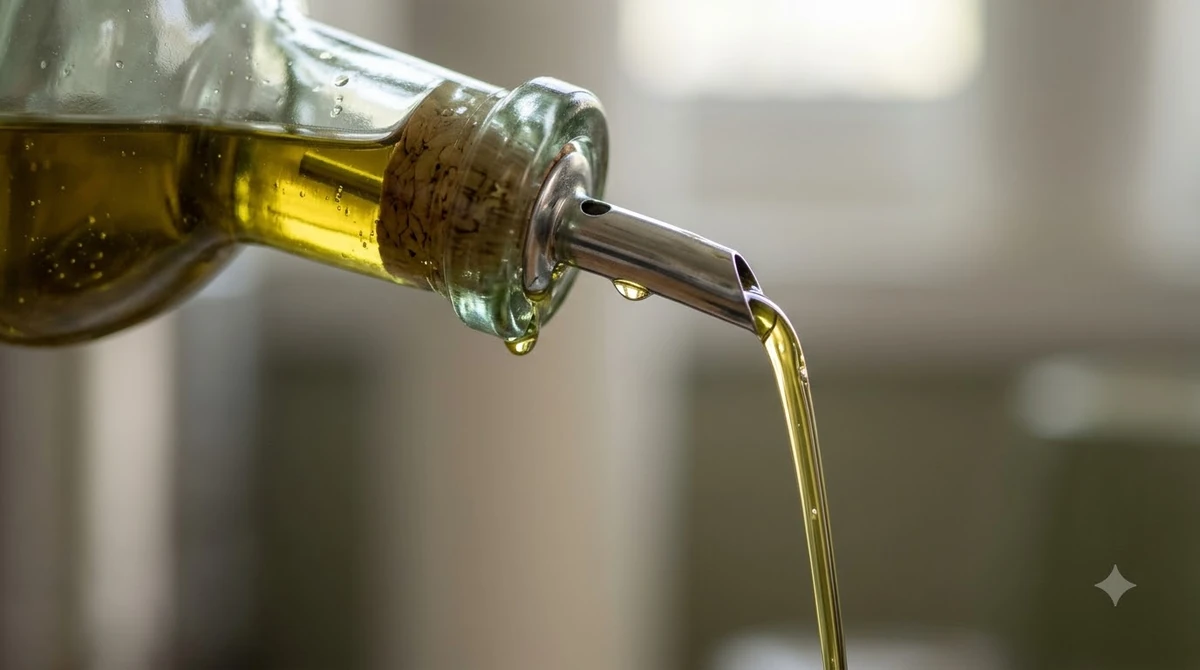

The best extra virgin olive oil is the one with a recent harvest date that passes both chemical and taste tests. Consumer tests from CHOICE and America’s Test Kitchen show that labels and awards do not decide quality on their own.
Use the harvest date, the test results and your storage conditions to choose. Price is not a reliable guide, so treat the tested picks below as a starting point for your own shopping.
| Pick | Best for | Key fact |
|---|---|---|
| Monini Classico | Buyers who want the top CHOICE result | Rated 88%, the only Gold-level oil in CHOICE’s test |
| Carapelli Original Extra Virgin | Everyday grocery shopping in the US | Winner of America’s Test Kitchen’s blind tasting |
| Cobram Estate Classic Flavour | Buyers who want an Australian-tested oil | Rated 80% in CHOICE’s test |
The bottles below are widely sold options for anyone shopping for the best extra virgin olive oil. Bertolli, California Olive Ranch and Pompeian were among the oils America’s Test Kitchen recommended, but check the harvest date on the bottle you receive, because that matters more than the brand.

Bertolli Extra Virgin Olive Oil, Rich Taste
Pros & ConsViewHide
Reasons to buy
- Rated 4.8 stars across more than 4K Amazon ratings
- 16.9 fl oz bottle is a manageable size to finish while fresh
- Labeled first cold pressed extra virgin
Reasons to avoid
- Check the bottle for a harvest or best-by date before you buy
- Rich-taste style is a mainstream blend, not a single-estate oil

Pompeian Smooth Extra Virgin Olive Oil
Pros & ConsViewHide
Reasons to buy
- Rated 4.8 stars across more than 41K Amazon ratings
- Large 2 L (68 fl oz) bottle for heavy home use
- Pompeian is one of the brands America's Test Kitchen recommended
Reasons to avoid
- Two liters is a lot to finish within about six months of opening
- Check the bottle for a harvest date before you rely on freshness

Cobram Estate Mild 100% California Extra Virgin
Pros & ConsViewHide
Reasons to buy
- Labeled 100% California extra virgin, first cold pressed
- Mild, mellow style suits everyday cooking and dressings
- Rated 4.8 stars on Amazon
Reasons to avoid
- Only a few hundred ratings so far
- Mild flavor may feel too gentle for a peppery finishing oil

Atlas Organic Extra Virgin Olive Oil, Moroccan
Pros & ConsViewHide
Reasons to buy
- Organic extra virgin oil from Morocco
- Listed as high polyphenol
- Rated 4.7 stars across a very large number of Amazon ratings
Reasons to avoid
- Check the label for the harvest date
- Higher price per ounce than store-brand bottles

California Olive Ranch California Extra Virgin
Pros & ConsViewHide
Reasons to buy
- Chef's bottle of 100% California extra virgin olive oil
- 16.9 fl oz size is easier to finish within months of opening
- 4.4-star average on Amazon
Reasons to avoid
- Smaller than the 2 L bag-in-box, so cost per ounce is higher
- Harvest date is not shown on the listing
What makes an olive oil qualify as extra virgin
An oil qualifies as extra virgin only if it passes both chemical tests and a blind taste test, according to the method CHOICE used in its olive oil review.
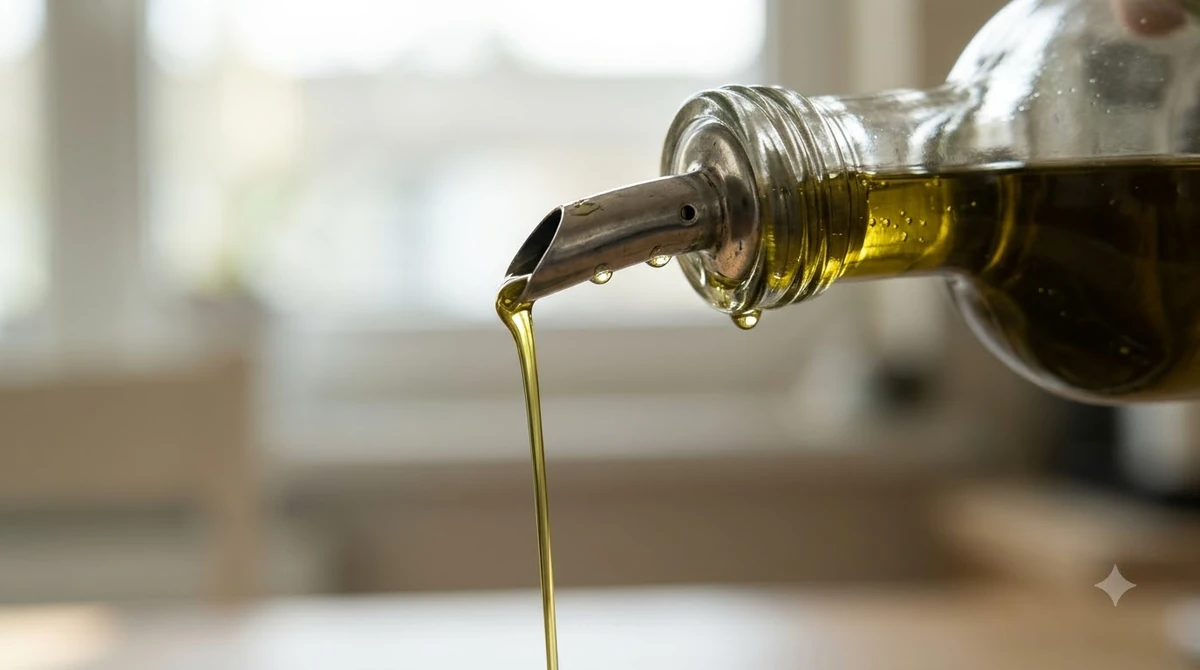
CHOICE sent 30 Australian and European extra virgin olive oils to a state government laboratory. Each oil was run through three chemical tests approved by the International Olive Council. Four trained tasters then scored the oils blind, rating aroma, flavour and palate, and overall impression.
The sensory result matters as much as the lab result when you look for the best extra virgin olive oil. A bottle with clean chemistry can still fail the tasting, and CHOICE treated that as a fail. The tasting is the part a label cannot promise you.
CHOICE bought its samples from retailers, kept them out of sunlight, and tested each one with at least five months left before its best-before date. That detail shows why the date printed on a shelf bottle tells you less than you might expect.
For a shopper, the practical takeaway is simple. A bottle labeled extra virgin is only a starting point (the types of olive oil explain how grades differ), and the best extra virgin olive oil for your kitchen is the one whose harvest date, storage and taste you have checked yourself.
Results from two consumer tests of the best extra virgin olive oil
CHOICE rated Monini Classico highest at 88% in its test of 30 oils, while America’s Test Kitchen named Carapelli Original Extra Virgin its winner in a blind test of 10 national brands sold in US grocery and big-box stores.
| Oil | Test | Result |
|---|---|---|
| Monini Classico | CHOICE | 88%, the only Gold-level oil |
| Villa Rossi | CHOICE | 83% |
| Cobram Estate Classic Flavour | CHOICE | 80% |
| Carapelli Original Extra Virgin | America’s Test Kitchen | Winner, with a grassy aroma and a fresh, buttery flavor |
| Bertolli Rich Taste | America’s Test Kitchen | Recommended for its buttery start and peppery finish |
The two rankings cannot be placed side by side. CHOICE tested Australian and European oils against a 30-bottle field, while America’s Test Kitchen tested 10 US grocery brands with hidden labels. A high score in one test does not predict a win in the other.
Both tests still point to the same habit. Buy the best extra virgin olive oil that tastes fresh on the day you open it, and read the date before you read the award.
The CHOICE list covers Australian and European oils, so some names may not appear on US shelves. Cobram Estate, for one, has its own Cobram Estate olive oil review. The America’s Test Kitchen list covers national brands that many grocery stores carry. Use both lists as a shortlist, then check the harvest date on the bottle you actually find when you go looking for the best extra virgin olive oil in your own store.

Read the harvest date, not the best-by date
Look for a harvest date within the past year, because best-by dates are set at bottling and are not regulated. Olives are picked in fall and winter in the Northern Hemisphere and usually reach shelves the following spring, so a recent harvest date tells you more about freshness. For the best extra virgin olive oil, that date matters more than the printed best-by date.
America’s Test Kitchen explains that a best-by date can fall up to a year after harvest, which means an oil can look fresh on the shelf and still be old. The test team’s freshness advice gives a short checklist for shoppers:
- Find a harvest date within the past year.
- Skip bottles close to their best-by date.
- Buy in person, so you can read the harvest date before you pay.
- Avoid cloudy, unfiltered oil unless it was pressed within a few months.
CHOICE gives the same advice. It recommends looking for a “harvested on” date, because best-before dates are not a reliable guide to freshness.
On a shelf, a recent harvest date and clean storage are the most useful signals you can check before you buy the best extra virgin olive oil for everyday use.
Store it so it stays fresh
Keep extra virgin olive oil in a cool, dark place away from the stove, oven and windows, and use it within about six months of opening. Heat, air, light and time all reduce quality, even before a bottle is opened.
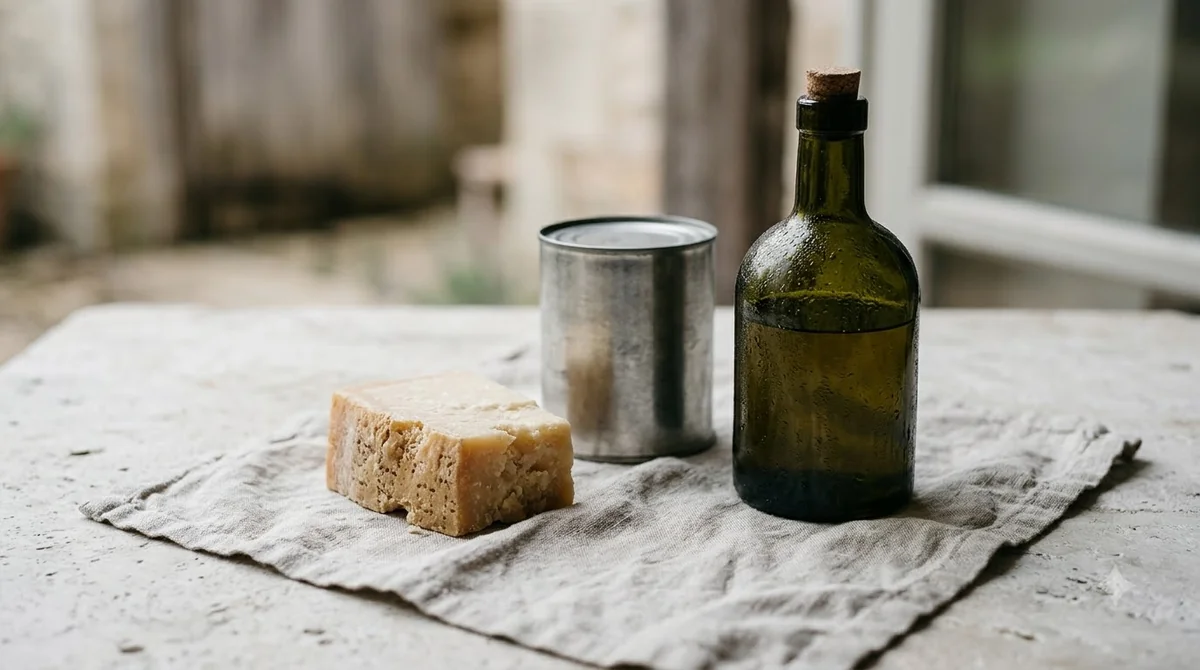
- Keep the bottle tightly stoppered after each pour.
- Store it away from the stove, the oven and sunlit windows.
- Note the opening date and plan to finish the bottle within about six months.
Buying a size that matches your monthly use matters for the same reason. A large bottle that stays open for months gives the air and light more time to work on what is left.
Freshness after opening is the part most shoppers control. Keep the bottle capped, away from heat, and finish it within about six months, so the best extra virgin olive oil you bought stays close to how it tasted on the day you opened it.
Choosing for finishing or everyday cooking
Choose a fresh, flavorful bottle for finishing and drizzling, and a larger everyday bottle for cooking, since the tests above judged freshness and taste rather than how much heat an oil can take.
A premium bottle makes the most sense when the oil is tasted directly: over bread, over a finished bowl of pasta, or over a simple salad. Those are the uses where the aroma and flavor that the tasters scored are most noticeable, so the best extra virgin olive oil for finishing is the freshest one you can find.
Skip the expensive bottle if most of your oil goes into long, hot cooking where the flavor will not come through. Neither test described here measured heat tolerance, so this section cannot rank oils for high-heat frying. The olive oil smoke point guide covers heat limits.
Many home cooks keep two bottles for this reason: a fresh finishing oil for the table, and a larger, plainer bottle for everyday cooking. That split lets you spend more on the best extra virgin olive oil only where its flavor is actually tasted.
Common mistakes when buying extra virgin olive oil
The most common mistake is trusting the extra virgin label or a best-by date alone, since neither confirms freshness. Four habits are worth avoiding when you shop for the best extra virgin olive oil.
- Assuming the label guarantees quality, when CHOICE found that an oil must pass both the chemical and taste tests.
- Relying on the best-by date, which is set at bottling and is not regulated.
- Buying a bottle too large for your monthly use.
- Keeping the bottle near the stove or in a sunlit window.
None of these mistakes needs special equipment. A quick look at the harvest date, a check of where the bottle has been stored, and a purchase size that matches your use will avoid most of them when you shop for the best extra virgin olive oil.
Frequently Asked Questions
Does a higher price mean better extra virgin olive oil?
Not on its own. Price does not decide the best extra virgin olive oil. The tests judge freshness and taste, and America’s Test Kitchen named a widely sold grocery bottle as its winner. Check the harvest date and the test results before paying more.
Are best-by dates a good sign of freshness?
Not reliably. When you shop for the best extra virgin olive oil, a best-by date is a weak signal. It is set at bottling, which can be up to a year after harvest, and it is not regulated. Look for a harvest date instead.
Is cloudy olive oil bad?
Not automatically. America’s Test Kitchen advises avoiding cloudy, unfiltered oil unless it was pressed within a few months, so check the harvest date before you buy.
How long does extra virgin olive oil last once opened?
CHOICE advises using it within about six months of opening. Keep the bottle tightly stoppered in a cool, dark place away from the stove and windows.
Do I need to buy in person to check a harvest date?
Buying in person is the easiest way. America’s Test Kitchen recommends it because you can read the harvest date on the bottle before you pay.
Choose the best extra virgin olive oil by harvest date and test results, then buy the size you will finish within about six months. A fresh bottle from a shop with high turnover will serve you better than the most expensive label on the shelf.
 9 min readGear & PantryWhat Is Extra Virgin Olive Oil? A Simple Guide for Home CooksUpdated Nov 10, 2026
 9 min readGear & PantryBest Italian Olive Oil: How to Choose a Real OneUpdated Nov 17, 2026
 9 min readGear & PantryBest Truffle Oil: How to Choose a Bottle That Matches Your CookingUpdated Nov 16, 2026
 9 min readGear & PantryBest Olive Oil for Cooking: 4 Types for Every Heat LevelUpdated Nov 17, 2026
 8 min readGear & PantryBest Olive Oil: How to Choose the Right Bottle for Your KitchenUpdated Nov 17, 2026
 8 min readGear & PantryBest Finishing Olive Oil: What to Look For and Which Bottles Stand OutUpdated Nov 17, 2026