
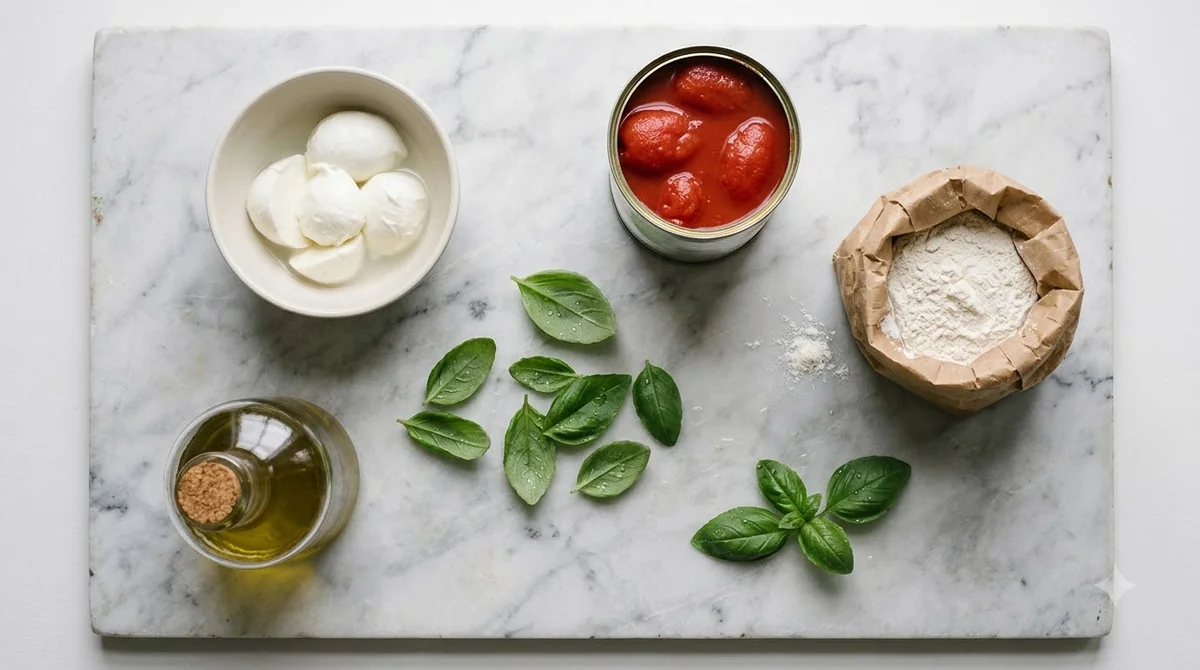

What is mozzarella di bufala? It is a fresh, soft Italian cheese made from the milk of water buffalo. Its name is legally protected, so the origin and the method are set by rules rather than by marketing.
The cheese is stretched, brined and usually eaten soon after it is made. Knowing what mozzarella di bufala is helps you pick it over regular mozzarella and read the label with confidence.
What Is Mozzarella di Bufala and How It Is Made
Mozzarella di bufala is made from pasteurized water buffalo milk and belongs to the pasta filata family of stretched-curd cheeses.
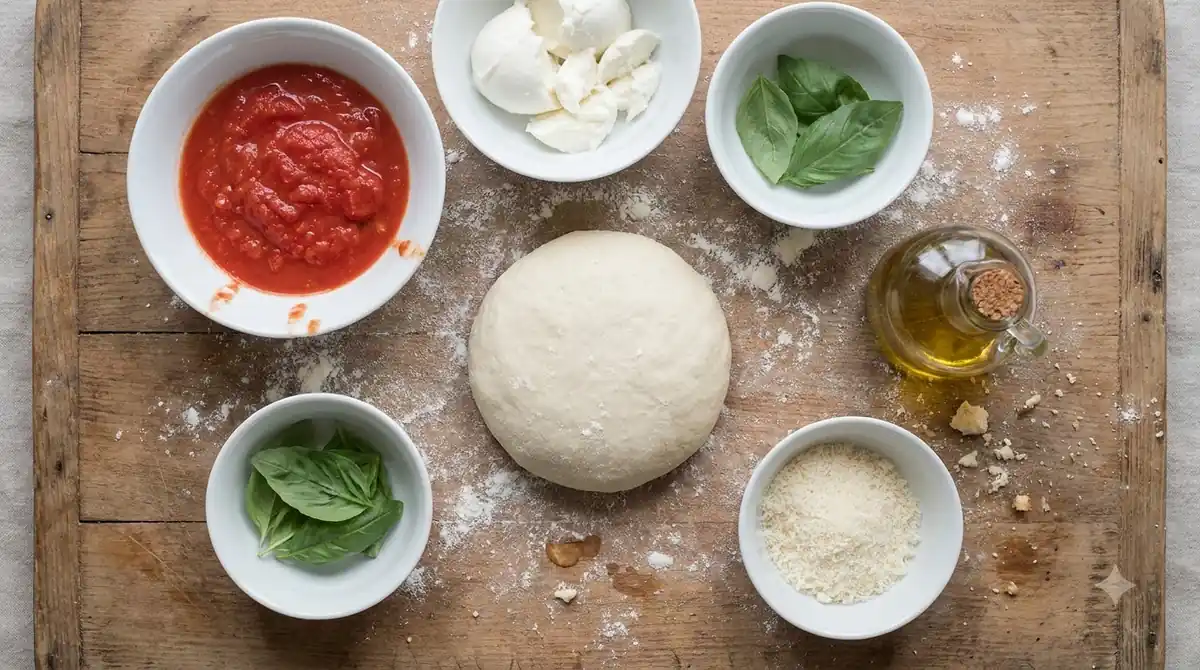
Pasta filata means the curd is stretched and worked rather than only pressed into shape. According to Wikipedia’s entry on buffalo mozzarella, the curd is softened with hot water and stretched, then shaped, cooled in cold water and pickled in whey. That process gives the cheese its characteristic texture.
The result is soft, moist and somewhat granular, with a white color. Fresh mozzarella also makes a distinct squeaky sound when you chew or rub it, which is one quick way to recognize a fresh product. Cheese.com describes the texture as creamy, smooth and springy, so tasters use several words for the same cheese.
Where It Comes From and the DOP Label
This cheese is made in a defined zone across Campania, Lazio, Molise and Puglia, under a protected designation of origin.
A protected designation of origin, or DOP, is an EU label that ties a product name to a place and to a traditional method. For mozzarella di bufala, the label means the milk and the making process follow the rules for the defined zone, so the pack is the simplest place to confirm what you are buying.
The protected name sets where the milk is produced and how the cheese is made. The buffalo mozzarella entry on Wikipedia lists the zones: all of Caserta and Salerno provinces, plus parts of Benevento and Naples provinces in Campania; parts of Frosinone, Latina and Rome provinces in Lazio; part of the comune of Venafro in Molise; and part of Foggia province in Puglia.
Campania is the traditional home of the cheese, and the same source describes it as traditionally produced there. Italian buffalo are raised across the country, but the protected name only covers the defined zones, so the production area on the label matters.
Sources differ on the year the protection took effect. The same Wikipedia entry gives 1996 for the EU designation in one place and 2008 in another, so do not rely on a date alone. Look for the protected name and the zone on the pack instead.
Buffalo Mozzarella Versus Fior di Latte
Buffalo mozzarella is made from buffalo milk, while fior di latte is the cow’s milk version of the same stretched-curd style. Our guide to what is fior di latte covers the cow’s milk side.
| Point | Mozzarella di bufala | Fior di latte |
|---|---|---|
| Milk | Water buffalo milk | Cow’s milk |
| Protected name | Yes, a protected designation of origin with defined zones | Not covered by the sources reviewed for this article |
| Taste | Mild, milky and slightly sour | Check the producer’s description |
The main difference is the milk, and the milk shapes the taste. Cheese.com gives the fat content of mozzarella di bufala as 21%. The same source says buffalo milk is higher in calcium and protein and lower in cholesterol than cow’s milk. These are one source’s figures, so compare the nutrition panel on the pack when the numbers matter to you.
If you see both on a menu or shelf, the label tells you which milk you are getting. Read the milk line first, then the protected name, then the production zone.
How to Store and Serve It
Fresh buffalo mozzarella stays in its brine in the refrigerator, and vacuum-sealed packs keep up to a week or longer.
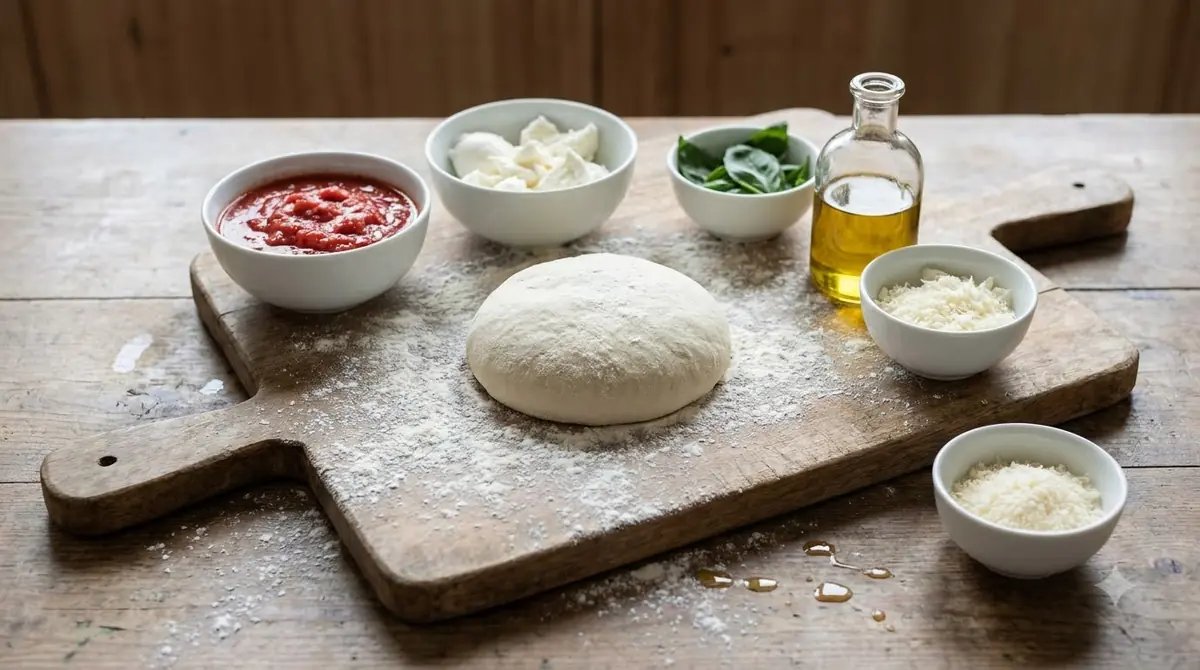
The Wikipedia mozzarella entry says fresh mozzarella can be kept in brine for up to a week or longer when sold in vacuum-sealed packages. Once a pack is opened, use it sooner rather than later, and keep it covered and cold until you serve it.
- Keep the cheese in its brine in the refrigerator until you need it.
- Check the date on the pack before you buy it and again before you serve it.
- Drain it lightly and pat it dry before slicing, so the surface does not water down a salad.
- Take it out of the refrigerator shortly before serving, and return any leftovers to the brine.
Mozzarella changes as it ages. According to Wikipedia, it develops a sour flavor and softens over time, so the freshest pack gives the best texture. Follow the storage and serving instructions printed on your pack, because timing can differ by producer.
How to Choose a Real One
Look for mozzarella di bufala on the label, the protected name and a stated production zone before you buy.
- Read the product name. It should say mozzarella di bufala or buffalo mozzarella, not only mozzarella.
- Look for the protected name mark that shows the cheese follows the protected rules.
- Check the stated production zone against the regions listed above.
- Read the milk line. Fior di latte on the label means the cheese is made from cow’s milk.
Labels and packaging change, so read the pack you hold rather than relying on a general guide. If the label is unclear, ask the seller where the milk came from and which zone the cheese was made in.
A package that says only mozzarella, with no milk line and no zone, does not confirm buffalo milk. Treat it as regular mozzarella until the pack or the producer says otherwise.
How to Use It at Home
Buffalo mozzarella suits antipasti, salads, pasta, calzones and vegetable sides, where its soft texture stays on show.
Cheese.com lists these uses and notes that the cheese goes well in antipasti dishes, salads, pastas, calzones, vegetables and various side dishes. Simple pairings with tomato and basil let its mild, slightly sour flavor stand out. Another fresh cheese worth knowing is burrata.
Because fresh mozzarella has a high moisture content, drain it and pat it dry before it goes on pizza or into a salad. Extra water makes a pizza soggy and dilutes the dressing on a salad. For pizza, compare low-moisture vs fresh mozzarella for pizza, or try it on a margherita pizza recipe.
Cheese.com also pairs buffalo mozzarella with Beaujolais and Sauvignon Blanc, which gives you a starting point for a simple meal.
Frequently Asked Questions
Is mozzarella di bufala the same as regular mozzarella?
No. Mozzarella di bufala is made from water buffalo milk, while regular mozzarella is often made from cow’s milk. Fior di latte is the cow’s milk version, so check the milk line on the label before you assume a difference.
What is mozzarella di bufala made from?
Mozzarella di bufala is made from pasteurized milk of the Italian Mediterranean water buffalo. The curd is stretched in hot water, shaped and cooled, then kept in brine. Check the pack for the milk line and the production zone.
Where is mozzarella di bufala made?
It is made in a protected zone covering parts of Campania, Lazio, Molise and Puglia. Campania is the traditional home of the cheese, and the protected name on the pack is the way to confirm the origin.
How long does mozzarella di bufala last?
Vacuum-sealed fresh mozzarella in brine can keep up to a week or longer, according to Wikipedia. Once opened, use it promptly and follow the date and storage instructions on the pack, since timing varies by producer.
What does mozzarella di bufala taste like?
It tastes mild, milky and slightly sour. Its texture is soft and moist, and fresh pieces squeak lightly when you chew them.
Is buffalo mozzarella more nutritious than cow’s milk mozzarella?
Cheese.com says buffalo milk is higher in calcium and protein and lower in cholesterol than cow’s milk. That is one source’s comparison, so the nutrition panel on the pack you buy gives the figures for that product.
Choose mozzarella di bufala when you want the soft texture and mild sour taste of buffalo milk, and read the label for the protected name and the zone. For storage, keep the cheese in its brine, respect the date on the pack and use it while it is fresh. Browse more pizza and pasta guides for related ingredients.
 7 min readLearnWhat Is Fior di Latte? A Simple Guide to Italy’s Cow’s Milk MozzarellaUpdated Nov 10, 2026
 7 min readLearnWhat Is Prosciutto di Parma? A Simple Guide to Italy’s Protected HamUpdated Nov 11, 2026
 7 min readLearnWhat Is Colatura di Alici? Italy’s Anchovy Drip SauceUpdated Nov 11, 2026
 8 min readLearnWhat Is Pecorino Toscano? A Mild Sheep’s Milk Cheese GuideUpdated Nov 11, 2026
 8 min readLearnWhat Is Pecorino Romano? A Sheep’s Milk Cheese GuideUpdated Nov 10, 2026
 7 min readLearnWhat Is Fontina? A Simple Guide to Italy’s Alpine Melting CheeseUpdated Nov 11, 2026