
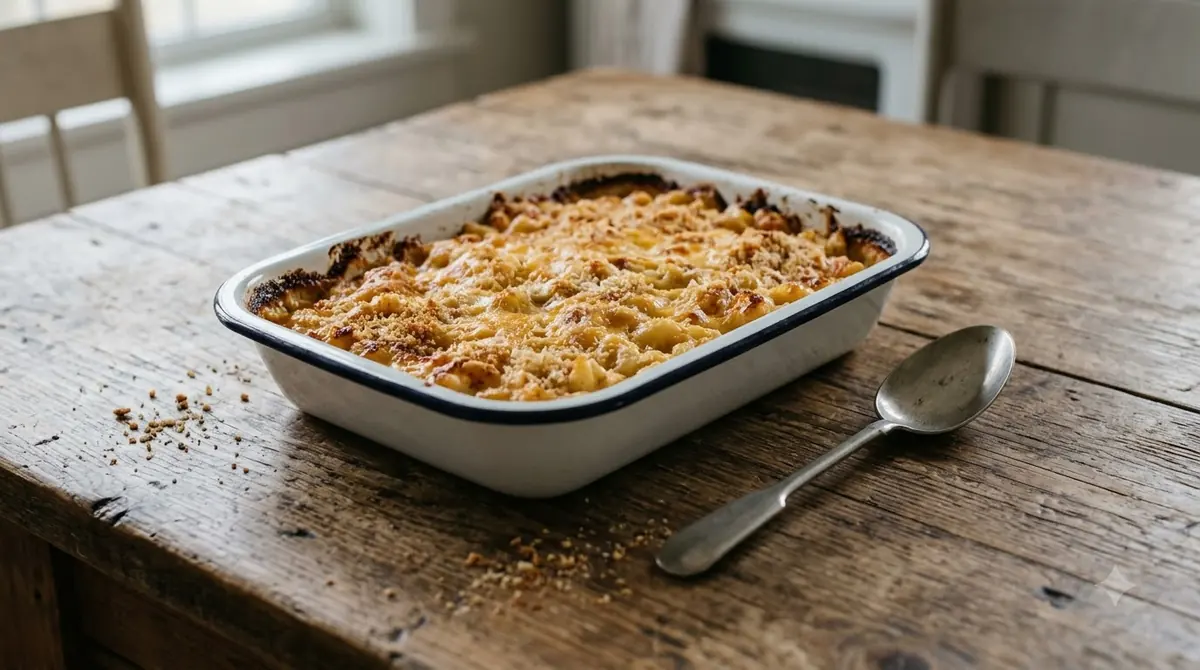

An eggplant parmesan recipe is an Italian dish of fried eggplant slices layered with tomato sauce, mozzarella and Parmesan, then baked. The main decisions are how you cook the eggplant and how much sauce you add, since both change the final texture.
What Is Eggplant Parmesan?
Eggplant parmesan is a baked Italian dish of fried eggplant, tomato sauce, mozzarella and Parmesan, and several southern Italian regions claim its origin.
The Wikipedia entry on eggplant parmigiana says Calabria, Campania, Apulia and Sicily all claim the dish. Its ancestor appears in Vincenzo Corrado’s 1786 cookbook, Il cuoco galante.
The modern version, with Parmesan and tomato ragù, appears in Ippolito Cavalcanti’s cookbook published in Naples in 1837. Some food writers trace the dish to Naples, while other attributions name Sicily or Parma.
The name has several theories. One links it to Parma, where Parmesan is made. Another comes from a Sicilian word for a wicker sleeve, and a third from a word for louver, because the eggplant slices resemble its slats.
The classic method is fried, sliced eggplant layered with mozzarella and tomato sauce, then baked. Eggplant absorbs fats and sauces easily, which can enhance the flavor of the finished dish.
Every version of the eggplant parmesan recipe rests on the same three parts: fried eggplant, a tomato base and melted cheese. Regional cooks change the proportions, the vegetable or the coating, but those three parts stay central.
Ingredients for Your Eggplant Parmesan Recipe
A classic eggplant parmesan recipe uses eggplant, tomato sauce, mozzarella, Parmesan, extra virgin olive oil and basil.
- Eggplant, the main layer, usually fried in slices
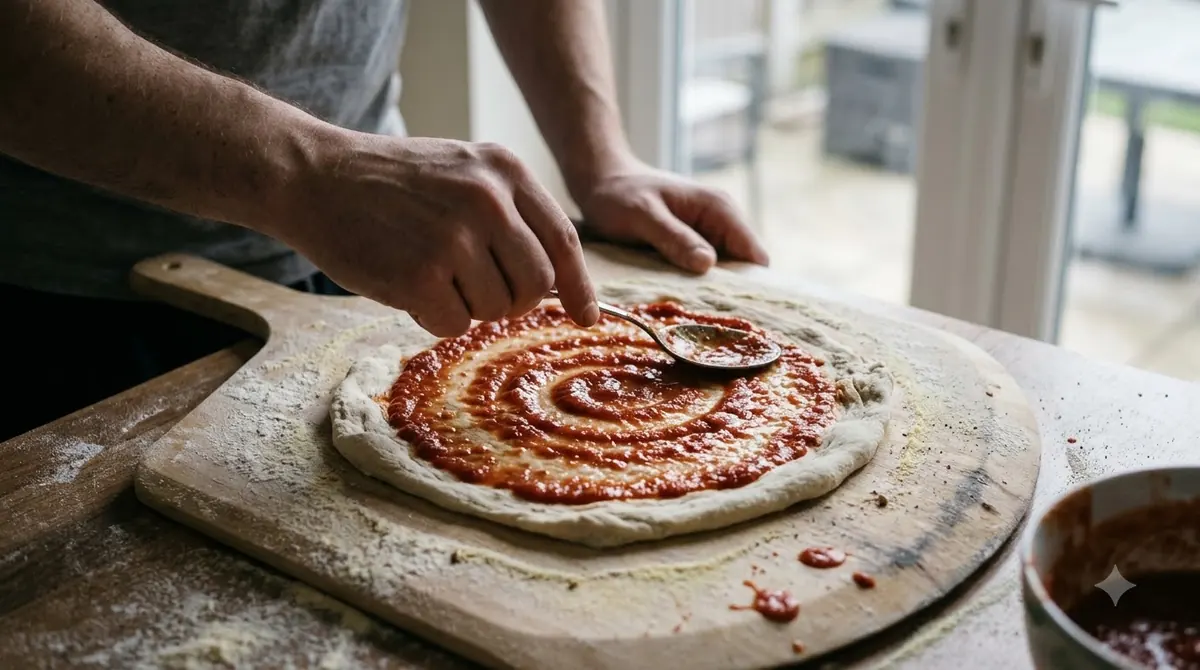
- Tomato sauce, which should be thick rather than watery
- Fresh or low-moisture mozzarella
- Grated Parmesan or Parmigiano-Reggiano
- Extra virgin olive oil for frying and for the sauce
- Fresh basil for finishing
For amounts, the Once Upon a Chef eggplant parmesan recipe serves 6 to 8 and uses 2½ pounds of eggplant (2 to 3 medium) cut into ¼-inch slices, ¾ cup of flour, 3 large eggs, 2 cups of seasoned Italian bread crumbs and about 3 cups of vegetable oil for frying.
The layers in this eggplant parmesan recipe use one 24-ounce jar of marinara sauce, 3 cups (12 ounces) of shredded whole milk mozzarella and 2 tablespoons of finely grated Parmigiano-Reggiano, and the recipe also adds a béchamel made from 3 tablespoons of butter, 3 tablespoons of flour and 1½ cups of milk. If you prefer homemade sauce for your eggplant parmesan recipe, see our guide to how to make marinara sauce. Choose a baking dish large enough to hold the slices in a flat layer, such as one of the pans in our guide to the best lasagna pans.
Mozzarella is the cheese most people picture in an eggplant parmesan recipe, but the type you pick changes the result. Fresh mozzarella gives a creamy layer yet releases more water, while low-moisture mozzarella holds less water and suits baked dishes.
Keep the rest of the ingredient list simple. A good eggplant parmesan recipe lets the eggplant, tomato and cheese carry the flavor, with basil added at the end so it stays fresh.
How to Prepare the Eggplant
Rinsing, draining and salting sliced eggplant may remove the bitterness that raw fruit can have.
Preparation is the step that most affects the final texture of an eggplant parmesan recipe. Uneven slices cook unevenly, so cut them to a similar thickness before you start.
- Slice the eggplant evenly so the pieces cook at the same rate.
- Salt the slices, then rinse and drain them. The Once Upon a Chef recipe uses 1 teaspoon of salt, layers the slices between paper towels and lets them sit for 1½ to 2 hours before pressing out the liquid.
- Pat the slices dry before frying.
- Fry in batches so the slices brown instead of steaming. The same eggplant parmesan recipe uses a 12-inch skillet with about ¼ inch of oil over medium heat and fries each side for about 3 minutes, until golden brown.
The eggplant entry on Wikipedia notes that raw eggplant can taste bitter and astringent. It also says rinsing, draining and salting the sliced fruit may remove that bitterness. The Wikipedia entry gives no salting time, so use the 1½ to 2 hours from the tested recipe above as a guide.
Because the fruit takes up cooking fat, the amount of oil matters. Keep the oil hot, and drain fried slices on a rack or paper towels before you start layering. If you would rather serve eggplant with pasta, try pasta alla norma, the Sicilian version with ricotta salata.
Layering and Baking Your Eggplant Parmesan Recipe
Layer the fried slices with tomato sauce, mozzarella and Parmesan, then bake until the cheese melts and the sauce bubbles.
- Spread a thin layer of tomato sauce in the baking dish.
- Add a layer of fried eggplant slices.
- Top with mozzarella, Parmesan and a little more sauce.
- Repeat the layers, finishing with cheese and sauce.
- Bake until the cheese melts and the sauce bubbles, then rest the dish before cutting.
Choose the number of layers that fits your dish and your eggplant parmesan recipe. The Once Upon a Chef recipe bakes at 425°F with the rack in the middle, until the dish is bubbling and golden brown, which takes 30 to 35 minutes. Oven times vary, so watch the top of the dish as it bakes.
Resting the dish briefly before cutting helps the slices hold their shape on the plate. The same eggplant parmesan recipe cools the dish, loosely covered with foil, for about 20 minutes before slicing. A freshly baked eggplant parmesan recipe is still very soft, so give it time to set before you serve.
Check the dish near the end of baking. Cheese that has browned on top while the center is still loose needs more time in the oven, and the bake time in your recipe is a starting point rather than a rule.

Choosing the Right Cheeses
Parmigiano-Reggiano has been protected in Italy since 1955 and is aged at least 12 months, while mozzarella comes fresh or low-moisture.
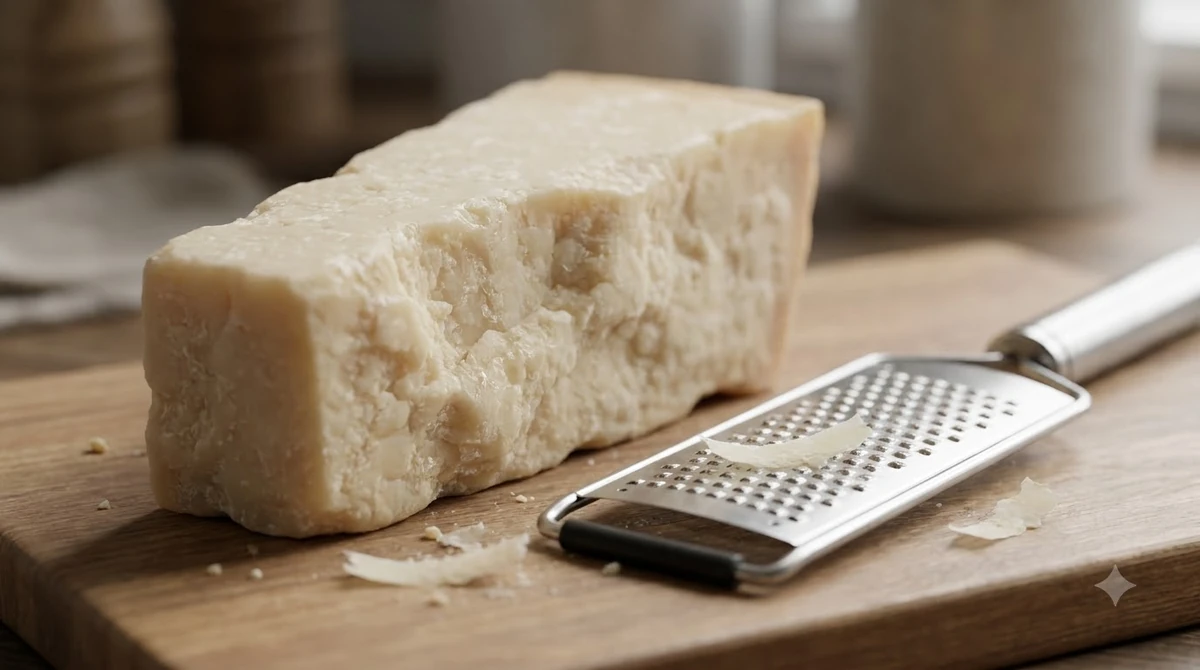
Parmigiano-Reggiano is made in the provinces of Parma, Reggio Emilia and Modena, plus parts of Bologna and Mantua. The Parmigiano-Reggiano entry on Wikipedia lists the EU protected status as dating from 1992.
The name comes from Parma and Reggio Emilia. English borrowed parmesan from French, which took it from the Italian parmigiano.
When you buy cheese for an eggplant parmesan recipe, check the label for the protected name. A product labeled Parmigiano-Reggiano follows the protected production area and aging rules, while a generic grated cheese may not.
Grate the Parmesan yourself when you can (our guide to Parmigiano Reggiano vs Parmesan explains the labels), and taste a small piece before you commit to the full amount in your eggplant parmesan recipe.
| Cheese | What the sources say | Role in the dish |
|---|---|---|
| Parmigiano-Reggiano | Protected in Italy since 1955, aged at least 12 months | Grated over the top and between layers |
| Fresh mozzarella | Semi-soft, high moisture, traditionally eaten fresh | Creamy layer, but it releases more water as it bakes |
| Low-moisture mozzarella | Contains somewhat less water, formulated for pizza and baked dishes | Suits layered baked dishes; a denser variant is used in dishes such as lasagna |
Buffalo mozzarella with protected status is made in Campania, Lazio, Apulia and Molise. Fior di latte is made with cow’s milk, so it is a different option from the buffalo version for the same layer.
For an eggplant parmesan recipe with a creamy center, pair fresh mozzarella with grated Parmigiano-Reggiano on top. If you want a firmer slice, low-moisture mozzarella is the better fit because it contains less water.
Regional Variations of Eggplant Parmesan
Naples serves a lighter version, tepid, with less sauce and cheese, while Campania makes a white version without tomato sauce.
- Naples: zucchini, fennel or artichokes can replace the eggplant, and eggs may go between the layers.
- Campania: the white version dips the eggplant in flour and beaten egg, or fries it without coating.
- United States: chicken or veal parmigiana, often called parm, is usually served with pasta such as spaghetti.
Check which style your eggplant parmesan recipe follows, because the amount of sauce and the serving temperature change with it.
The parmigiana idea also travels beyond Italy. In England, parmo uses pork or chicken with béchamel instead of tomato sauce. In Australia, chicken parma is a similar breaded dish, sometimes with ham or bacon.
If you cook the Neapolitan style, serve it tepid rather than piping hot. That temperature suits the lighter sauce and cheese of that version.
Common Mistakes to Avoid
The most common mistake is skipping the salting and draining step, which can leave the eggplant bitter and add extra liquid.
- Skipping the salt and drain, so the slices stay bitter.
- Using a thin sauce, because tomato sauce is thinner than paste and purée.
- Crowding the pan, which cools the oil and makes the slices greasy.
- Cutting the slices too thick, which slows how fast they cook through.
Passata is strained, uncooked tomato purée. If you use it as your base and it runs thin, simmer it until it thickens before layering.
Each mistake is easy to avoid. Salt and drain the slices first, choose a thicker sauce, fry in smaller batches, and cut even slices before you start your eggplant parmesan recipe.
Frequently Asked Questions
Is eggplant parmesan the same as chicken parmesan?
No. Eggplant parmesan uses fried eggplant as the main layer, while chicken or veal parmigiana uses meat. According to the Wikipedia entry on eggplant parmigiana, the meat versions originated in the United States.
Should you salt eggplant before frying?
Salting is a common step in an eggplant parmesan recipe because it may remove the bitterness of raw eggplant. Rinse and drain the slices, then pat them dry before frying so they brown instead of steaming.
Why is my eggplant parmesan watery?
The usual cause is a thin tomato base or slices that were not drained. Tomato sauce is thinner than tomato paste and purée, so choose a thicker base or simmer it down before layering.
What is the difference between Parmigiano-Reggiano and Parmesan?
Parmigiano-Reggiano is a protected cheese from Parma, Reggio Emilia and nearby areas, aged at least 12 months. Parmesan is the English word, borrowed from French, which took it from the Italian parmigiano.
Can you use another vegetable in an eggplant parmesan recipe?
Yes, in the Neapolitan style. According to the Wikipedia entry on eggplant parmigiana, zucchini, fennel or artichokes can replace the eggplant. That version is lighter, and the source describes it as served tepid.
How should leftovers be stored?
Once Upon a Chef says you can assemble this eggplant parmesan recipe up to 2 days before baking, and freeze it baked or unbaked for up to 3 months, thawing it in the refrigerator overnight before reheating or baking. For cooked leftovers, Texas A&M’s leftover storage guidance says to refrigerate within 2 hours, keep them 3 to 4 days and reheat to 165°F.
Start with the eggplant, since salting and frying shape most of the texture of any eggplant parmesan recipe. Choose a thick tomato base and cheeses that suit how creamy or firm you want the dish. If you want a lighter result, follow the Neapolitan approach with less sauce and cheese.
 8 min readLearnCarbonara Recipe: Ingredients, Steps and How to Avoid Scrambled EggsUpdated Nov 10, 2026
 9 min readLearnAglio e Olio Recipe: 4 Steps, Oil Tips and Common MistakesUpdated Nov 10, 2026
 8 min readLearnLemon Pasta Recipe: Quantities, Steps and Common MistakesUpdated Nov 10, 2026
 8 min readLearnPasta alla Norma Recipe: Fried Eggplant, Tomato and Ricotta SalataUpdated Nov 10, 2026
 7 min readLearnPizza Alla Norma Recipe: Eggplant, Ricotta Salata and Oven SettingsUpdated Nov 11, 2026
 8 min readLearnChicken Parmesan Recipe: How It Works and How to Make It at HomeUpdated Nov 10, 2026