
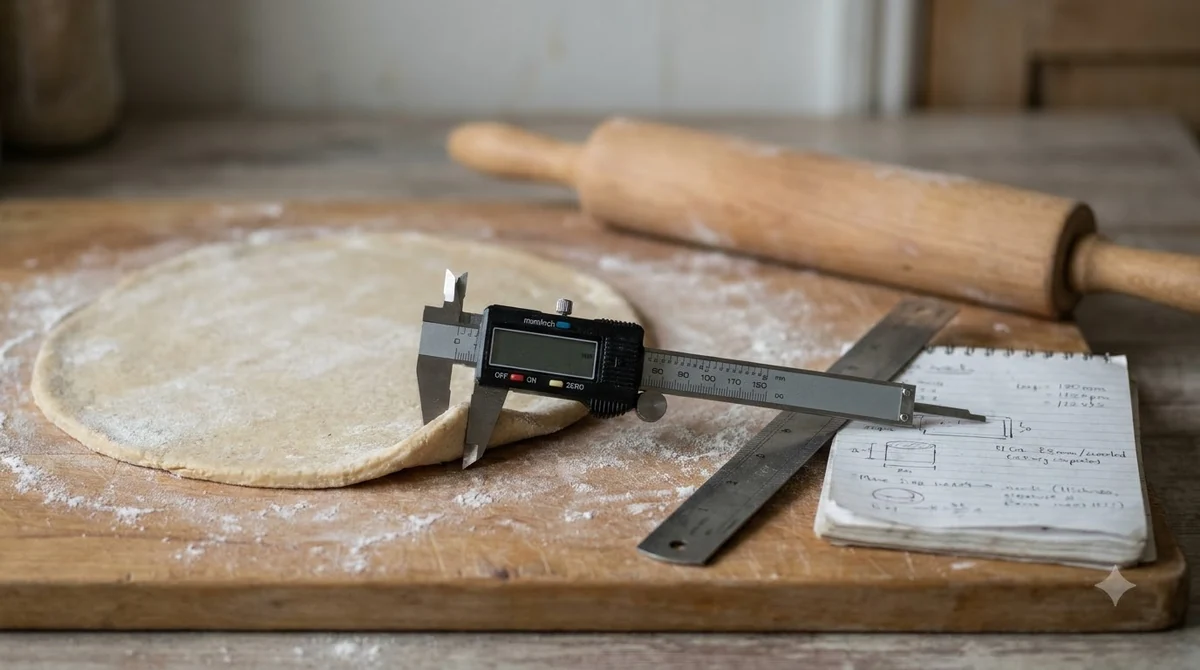

A cordierite vs ceramic pizza stone choice mostly comes down to thermal shock, care and price. Cordierite is a mineral-based ceramic composite that is generally described as more resistant to sudden temperature changes. Ceramic usually means unglazed fired clay, which is porous and calls for a slow preheat.
The right cordierite vs ceramic pizza stone pick depends on how often you heat your oven and how you clean up afterward. Each claim below is labeled by its source, whether a reference site, a manufacturer or a retailer, so you can weigh it yourself.
Cordierite vs ceramic pizza stone: what is the difference?
In a cordierite vs ceramic pizza stone comparison, a cordierite stone is made from a heat-resistant mineral composite, while a ceramic stone is usually a fired-clay tile. Both are sold as baking surfaces for home ovens, and both are porous.
Ceramic pizza stones are commonly sold as unglazed ceramic tiles or unglazed fired clay tiles, often from tile shops and hardware stores, as described in Wikipedia’s pizza stone entry. The same source notes that baking stones can also be made of stone or salt, so read the label before you buy.
Cordierite is a ceramic composite of minerals, and a retailer that sells cordierite describes it as a heat-resistant ceramic and mineral composite. That retailer also sells a natural clay stone, so its comparison favors its own product in places.
How do cordierite and ceramic stones handle thermal shock?
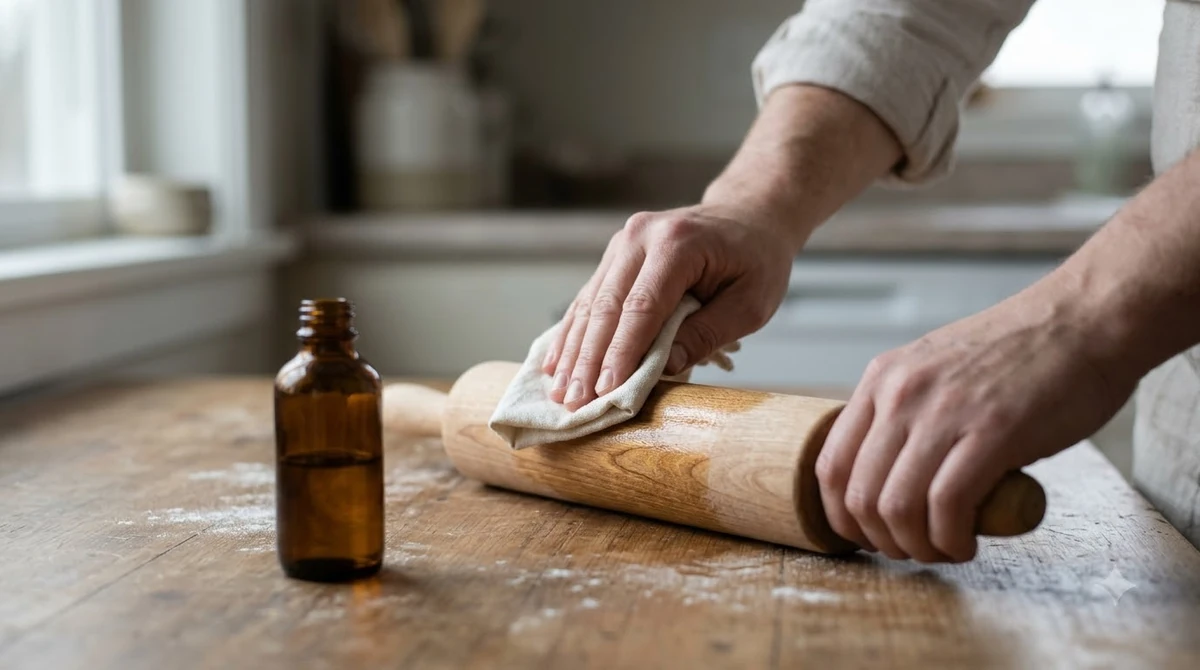
When you weigh a cordierite vs ceramic pizza stone on thermal shock, cordierite is generally described as more resistant to thermal shock, which is the cracking that happens when a stone heats or cools too fast. That is the main reason many bakers consider it a durable choice for a home oven.
According to Wikipedia’s cordierite entry, synthetic cordierite crystals are aligned to exploit very low thermal expansion along one axis. The same article says cordierite is used as kiln furniture because of its thermal shock resistance, and it lists pizza stones among high-temperature uses. The article gives no numeric rating for either material.
For a cordierite vs ceramic pizza stone, a manufacturer, IPS Ceramics, says cordierite is extremely resistant to thermal shock cracking. That is a company claim rather than an independent test, so treat it as a starting point and not a measured result.
Preheating advice applies to stones in general, whatever the material. Wikipedia’s pizza stone entry says some bakers heat a stone from a cold oven over at least 45 minutes to keep it from fracturing, and it warns against leaving a stone in an oven running its self-clean mode. Follow the maker’s instructions first. Where none are given, this routine is a safe default:
- Put the stone in a cold oven before you turn it on.
- Set the oven to your target temperature and let the stone heat for at least 45 minutes.
- Do not run the self-clean cycle while the stone is inside.
- Switch the oven off and let the stone cool slowly inside the oven.
Ceramic and cordierite both need this patience. The difference is the margin: cordierite is the material with the stronger thermal shock claims, so it leaves more room for a quick preheat, while a standard unglazed clay stone calls for the slow routine every time.
Cordierite vs ceramic pizza stone: heat retention and baking results
Heat retention is the least settled point in this comparison, so your oven and pizza style matter more than the label on a cordierite vs ceramic pizza stone. The sources we read give no verified heat-retention time for either stone.
The retailer comparison rates cordierite as having decent heat retention at medium temperatures. It also says cordierite can burn the bottom of a Neapolitan-style pizza at high heat, with a burn risk it labels medium. The same page rates its own clay stone as having very low burn risk. Read this as one seller’s view, since the page is from a company that sells one of the stones being compared, as shown on the retailer’s comparison page.
Wikipedia explains that stones bake well because of their thermal mass and poor heat conduction, which make food less likely to burn than on metal or glass bakeware. That explanation applies to both materials, because both are dense stones rather than metal plates.
The table below sums up what each source says, and labels each row by its origin.
| Attribute | Cordierite | Ceramic (unglazed fired clay) |
|---|---|---|
| Thermal shock | Generally described as more resistant; a manufacturer says extremely resistant | No rating in the sources we read; use the slow preheat |
| Heat retention | Decent at medium temperatures (retailer) | Thermal mass helps; no verified number |
| Even heating | Heats evenly (manufacturer) | Not verified in the sources we read |
| Porosity | Porous, lets steam escape (manufacturer) | Porous, absorbs liquids (Wikipedia) |
| Price tier as of 2026-11-07 | Affordable, tier $ to $$ (retailer) | Not verified; compare current listings |
How porous are these stones, and how should you clean them?
Both stones in a cordierite vs ceramic pizza stone comparison are porous, so they soak up liquid, and the safe routine is to scrape and brush them, then rinse with plain hot water rather than using detergent.
Porosity has two sides in any cordierite vs ceramic pizza stone. A manufacturer says cordierite’s porous structure lets steam escape from the base, which helps keep the crust crisp. The same structure can absorb spilled sauce, and a sauce stain on a porous surface can be hard to remove. If yours has darkened, see why a pizza stone turns black.
Wikipedia’s pizza stone entry advises a dry brush or scouring pad, then a rinse with plain hot water. It also warns against detergent, because a porous stone absorbs it and can later flavor your food. For more detail, see how to clean a pizza stone. Use this routine for either material:
- Let the stone cool completely before you touch it with water.
- Scrape off stuck cheese or dough with a scraper or scouring pad.
- Brush away crumbs and dust with a dry brush.
- Rinse with plain hot water and skip the soap.
- Dry the stone fully before its next bake.
Are cordierite or ceramic pizza stones more expensive?
When you weigh a cordierite vs ceramic pizza stone on price, a retailer rates cordierite as affordable and widely available, with a price tier from $ to $$ as of 2026-11-07. The sources we read do not give a verified dollar gap between cordierite and ceramic, so this article does not state one.
The same retailer places its own natural clay stone in its top price tier. Prices move often, and listings vary by size, thickness and seller, so compare the exact product you want rather than a material label.
Before you buy a cordierite vs ceramic pizza stone, check the current price on the seller page, and confirm the stone’s size and thickness match your oven rack. A cheaper stone is only a better deal if it fits your oven and your preheating routine.
Cordierite vs ceramic pizza stone: which one should you choose?
For a cordierite vs ceramic pizza stone decision, choose cordierite if you bake often at high oven temperatures and want more margin against cracking. Choose ceramic if budget comes first and you are willing to preheat slowly and clean carefully.
- Cordierite fits you if you bake several times a week and worry about cracking.
- Cordierite fits you if you want the stone with the stronger thermal shock claims.
- Ceramic fits you if budget comes first and you can preheat for at least 45 minutes.
- Ceramic fits you if you already own an unglazed clay tile and want to use it.
- Skip either stone if your oven manual forbids placing a stone inside.
Grill use needs extra care with a cordierite vs ceramic pizza stone. In the sources we read, neither material has a verified grill rating, so check the manufacturer’s manual for the maximum temperature and grill use before you place a stone on a gas or charcoal grill.
We did not test either stone. We could not confirm a verified price gap, a grill rating or a specific heat-retention number. To check the stone you have, look at the product page or packaging for the material, the maximum temperature and the care instructions.

Hans Grill Circular Pizza Stone
Pros & ConsViewHide
Reasons to buy
- Porous cordierite made for oven or grill use
- Rated heat resistant to 1112 F by the seller
- 70% of 13.9K Amazon ratings are 5-star
Reasons to avoid
- Stains are normal and will not go away
- Can crack if heated or cooled too fast
- Listed with a wooden peel, so check what ships in the box
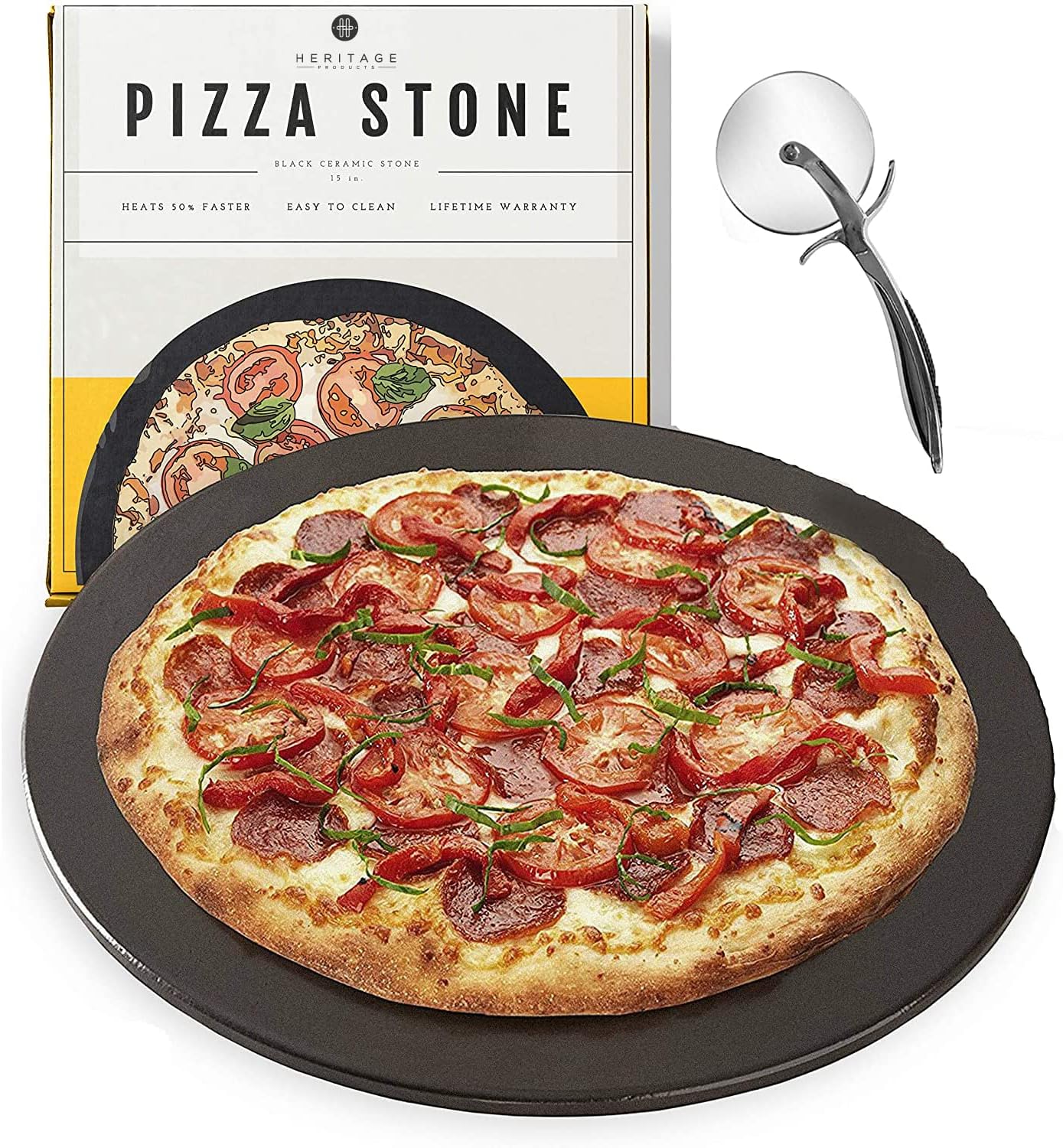
Heritage 15" Ceramic Pizza Stone Set - Non-Stick
Pros & ConsViewHide
Reasons to buy
- Ceramic stone with a non-stick glaze that resists stains
- Sold as a set with a bonus cutter
- 76% of 4.3K Amazon ratings are 5-star
Reasons to avoid
- Glazed surface is less porous than a bare stone
- 15 inch round may not fit smaller ovens
- Ceramic can crack if heated too fast

Emile Henry Flame Top 14.5" Ceramic Pizza Stone
Pros & ConsViewHide
Reasons to buy
- Made in France with a durable, scratch-resistant glaze
- Safe on gas, charcoal and wood grills up to 900 F
- Handles make it easier to carry
Reasons to avoid
- Costs far more than most stones
- Glazed ceramic is heavier than thin cordierite
- Seller lists a 900 F limit, lower than some cordierite stones
Frequently Asked Questions
Cordierite vs ceramic pizza stone: which is better?
Cordierite is generally described as more resistant to thermal shock, so it suits frequent high-heat baking. Ceramic needs more careful preheating and cleaning. Compare current prices and your oven habits before you decide, because the sources we read give no verified winner on taste alone.
Can I use a cordierite or ceramic pizza stone on a grill?
Check the manufacturer’s manual first. The sources we read do not give a verified grill rating for either stone, and the maximum temperature in the manual decides whether a stone is safe on a gas or charcoal grill.
Why did my pizza stone crack?
The usual cause is a fast temperature change. Heat the stone from a cold oven over at least 45 minutes, avoid the self-clean cycle, and let it cool slowly inside the oven. Wikipedia’s pizza stone entry describes these steps as common practice. If yours has already split, read what to do with a cracked pizza stone.
How do I clean a cordierite or ceramic pizza stone?
Let it cool, scrape off stuck food, brush away crumbs and rinse with plain hot water. Do not use detergent, because the stone is porous and can absorb it and later flavor your food.
Do I need to season a cordierite vs ceramic pizza stone?
The sources we read do not describe seasoning for either stone. Follow the maker’s care sheet, and do not add soap to clean the surface.
Does cordierite cost more than ceramic?
We did not find a verified price gap. A retailer rates cordierite as affordable and widely available, as of 2026-11-07. Check current listings for the size and thickness you need before you buy.
Pick your cordierite vs ceramic pizza stone based on your oven and your habits. If you bake often at high heat, the thermal shock claims for cordierite are the strongest reason to prefer it. If budget comes first and you can preheat slowly, ceramic can still give good results. Confirm grill use and the maximum temperature in the manual before you decide. To compare a stone with a metal slab, read pizza stone vs pizza steel, or browse the gear and pantry guides.
 9 min readGear & PantryRummo vs De Cecco: Which Dried Pasta Brand Should You Buy?Updated Nov 7, 2026
 8 min readGear & PantryRummo Pasta Review: Bronze-Cut Texture, Price and Who Should BuyUpdated Nov 8, 2026
 8 min readGear & PantryCarbone Marinara Sauce Review: Ingredients, Price and Who Should Buy ItUpdated Nov 16, 2026
 10 min readGear & PantryBreville Pizzaiolo Stone Replacement: What to Check Before You BuyUpdated Nov 11, 2026
 9 min readGear & PantryPizza Stone vs Pizza Steel: Which One Bakes Better at Home?Updated Nov 15, 2026
 9 min readGear & PantryPizza Stone Buying Guide for Home OvensUpdated Nov 16, 2026