
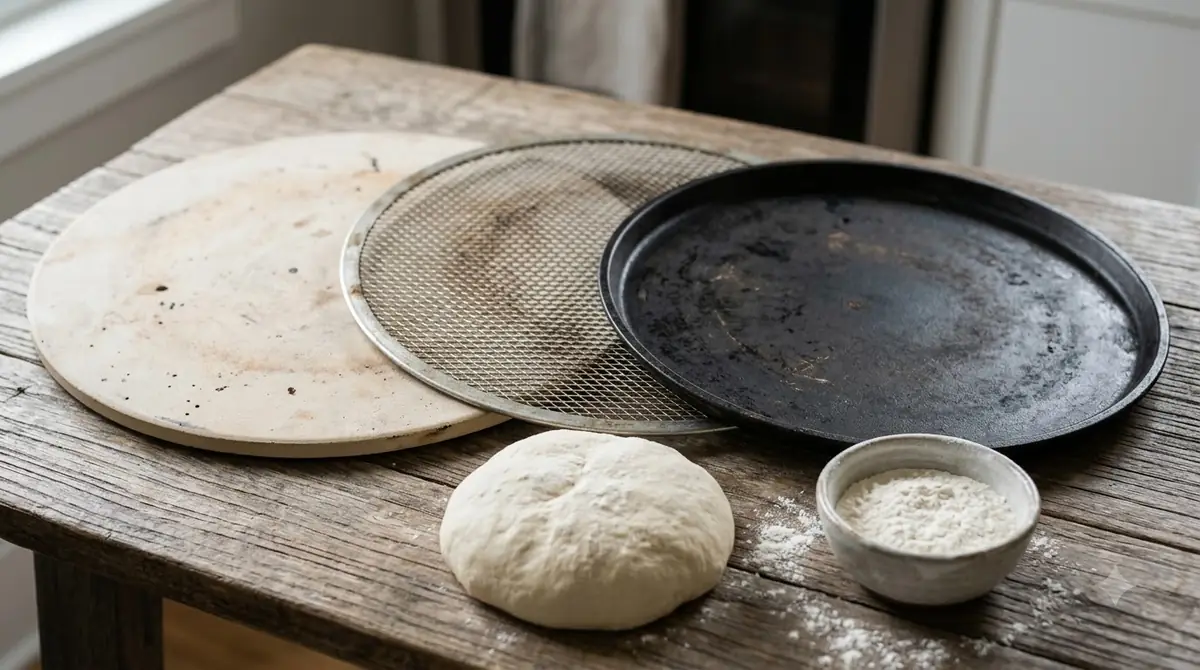

A pizza stone is a flat baking stone designed for cooking pizza at home, usually made from ceramic, stone or salt. It holds heat and absorbs moisture from the dough, which helps the base of your pizza cook evenly and turn crisp. After you buy one, our guide to step-by-step pizza stone use shows how to preheat it and launch the pizza.
Choosing one comes down to your oven size, the material and how you plan to clean and store it. A steel plate is the main alternative, and it needs different handling.

Hans Grill Circular Pizza Stone
Pros & ConsViewHide
Reasons to buy
- Porous cordierite made for oven or grill use
- Rated heat resistant to 1112 F by the seller
- 70% of 13.9K Amazon ratings are 5-star
Reasons to avoid
- Stains are normal and will not go away
- Can crack if heated or cooled too fast
- Listed with a wooden peel, so check what ships in the box

Heritage 15" Ceramic Pizza Stone Set - Non-Stick
Pros & ConsViewHide
Reasons to buy
- Ceramic stone with a non-stick glaze that resists stains
- Sold as a set with a bonus cutter
- 76% of 4.3K Amazon ratings are 5-star
Reasons to avoid
- Glazed surface is less porous than a bare stone
- 15 inch round may not fit smaller ovens
- Ceramic can crack if heated too fast

Emile Henry Flame Top 14.5" Ceramic Pizza Stone
Pros & ConsViewHide
Reasons to buy
- Made in France with a durable, scratch-resistant glaze
- Safe on gas, charcoal and wood grills up to 900 F
- Handles make it easier to carry
Reasons to avoid
- Costs far more than most stones
- Glazed ceramic is heavier than thin cordierite
- Seller lists a 900 F limit, lower than some cordierite stones
Pizza Stone Selection and Care Video Guide
This video guide helps home bakers choose the right pizza stone based on material, oven size, and care routines. It covers comparing ceramic, stone, and salt options, measuring your oven rack, proper preheating methods, cleaning with plain warm water instead of soap, and avoiding common mistakes that cause thermal shock.
Watch Pizza Stone: How to Choose the Right Material and Size on YouTube
What a Pizza Stone Is and How It Works
A pizza stone is a baking surface that stores heat and draws moisture from the dough, so the crust cooks through and crisps. Its job is similar to a cookie sheet, but the material behaves differently in the oven.
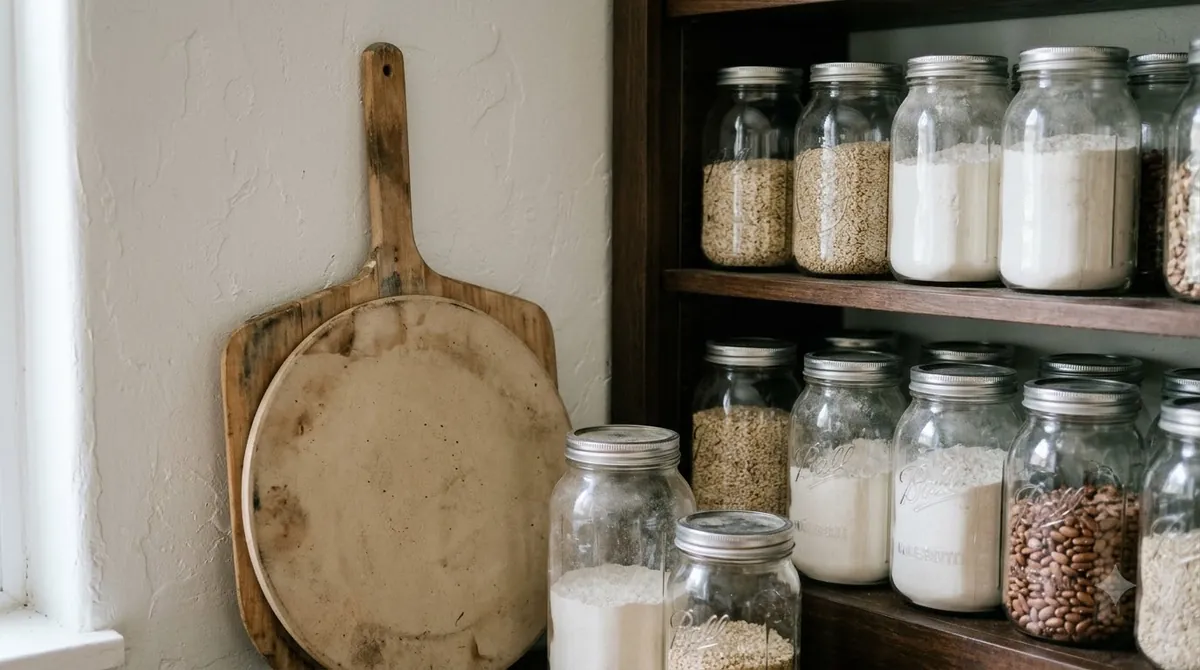
Wikipedia’s baking stone entry describes the material as porous, which lets it absorb moisture and can give a crisper result. Because it has high thermal mass and conducts heat poorly, food is less likely to burn on a pizza stone than on metal or glass bakeware.
The stone is not a magic tool, though. It needs time to heat fully, and it rewards careful handling because sudden temperature changes can crack it. Most of the results you see come from preheating well and keeping the stone in good condition.
A pizza stone works best as part of a routine: preheat it, prepare the dough on a peel, bake, then clean and store the stone correctly. Each step affects the next bake.
Materials: Ceramic, Stone and Salt Compared
Pizza stones are most often made from ceramic or stone, and some are made from salt. Each material holds heat and moisture a little differently, so the care notes that come with your stone matter as much as the material itself.
| Material | What the source says | What to check |
|---|---|---|
| Ceramic | Named as a common material. Unglazed ceramic and fired clay tiles are cited as options. | Confirm the surface is unglazed and follow the maker’s care notes. |
| Stone | Named as a common material. Its porous surface absorbs moisture. | Because it is porous, avoid soap and wash with plain water only. |
| Salt | Named as a newer material for baking stones. | The source gives no separate care guidance for salt, so use the maker’s instructions. |
If you are comparing products, look for the material named on the product page and the care instructions in the manual. The material tells you how the stone behaves, while the manual tells you how to keep it working for years. For one common pairing, see our cordierite vs ceramic pizza stone comparison.
The steel plate, by contrast, is not a pizza stone, so it needs its own care routine. Keep the two separate in your mind when you read product pages.
Choosing the Right Size for Your Oven
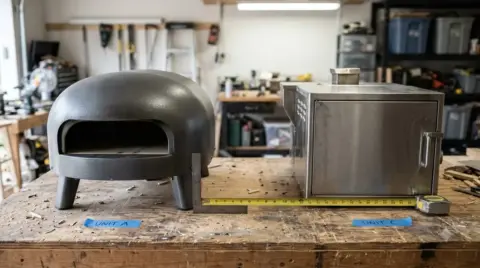
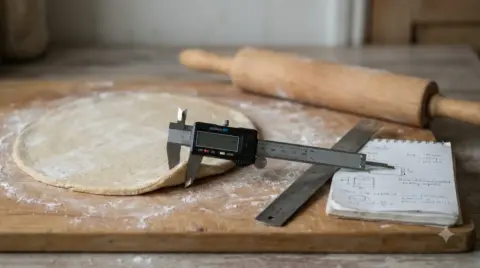
Measure your oven’s usable interior before you buy, and choose a stone that leaves room around its edges for heat to move. A stone that is too large can block airflow and make it harder to slide a pizza on and off.
- Measure the usable width and depth inside the oven, not only the rack.
- Leave clearance from the heating element and the oven walls.
- Check the manual for any limit on stone size or placement.
- Remember that a stone kept in the oven takes up space, which matters in a small oven.
The sources used for this guide do not give one correct size for home ovens. Treat any size chart as a starting point, and check the current product listing and your oven’s dimensions before you order.
Whichever pizza stone you choose, measure it against the rack you plan to use, not only the rack that came with the oven.
How to Use a Pizza Stone Step by Step
Preheat the stone fully before the pizza goes on. Wikipedia describes one method that places the stone in a cold oven for at least 45 minutes, while other bakers heat the stone before the food is added.
- Place the stone on the rack and preheat it, following the cold-oven method or the maker’s heating instructions.
- Dust the stone with cornmeal or flour, or lay parchment paper on it, so the crust does not stick.
- Slide the dough onto the stone quickly with a pizza peel, then close the door.
- Bake until the crust is done, and check the result on the first try to learn how your oven behaves.
- If you used the cold-oven method, switch the oven off and let the stone cool slowly inside it.
Never move a cold stone straight into a hot oven. Rapid temperature changes can fracture it, so heat up slowly and let it cool down slowly.
Once you are comfortable with one pizza stone, adjust the preheat time and placement to suit your oven, because every oven heats differently.
Cleaning and Storage
Clean a pizza stone once it has fully cooled (our guide on how to clean a pizza stone has more detail), using a stiff brush and a brief rinse with plain warm water instead of soap. Food Network’s cleaning guide says to cool the stone completely first so it does not crack from a sudden change.
Soap is unnecessary, and the porous surface absorbs it, which can make your next pie taste soapy. For stuck-on bits, use coarse salt or baking soda, but do not overdo it. Soaking the stone is also a poor idea, so rinse only as needed.
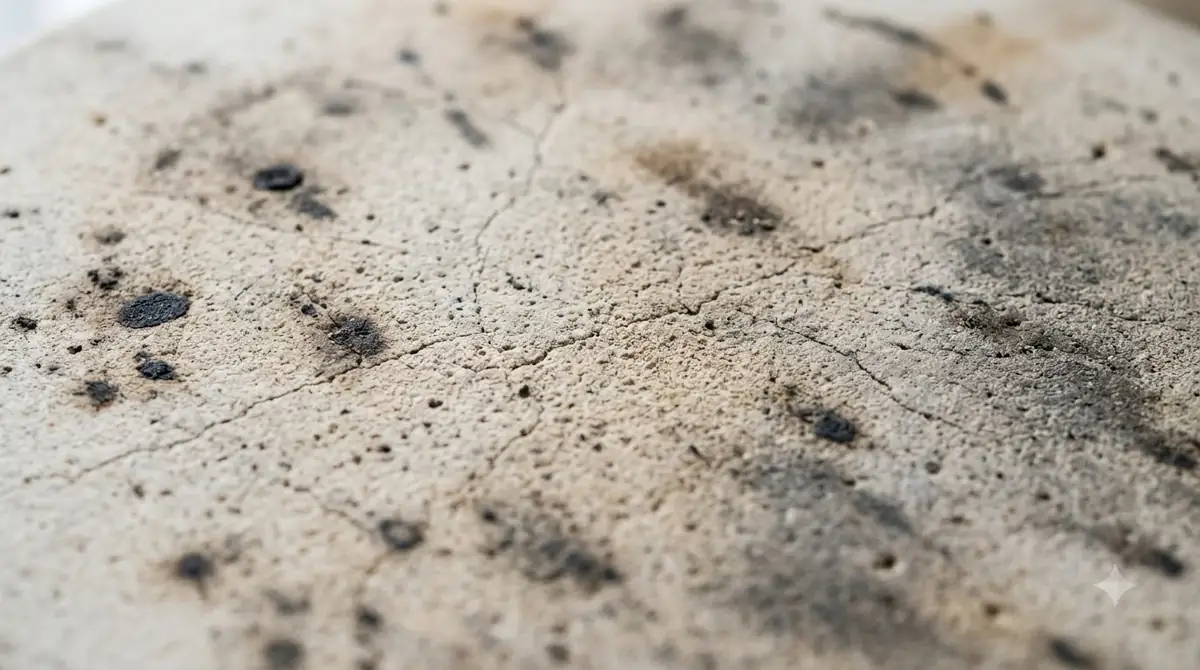
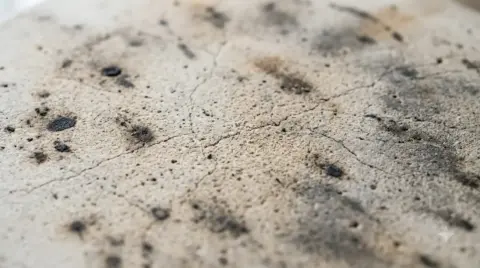
Color change and some staining are normal. A darker stone is not automatically a dirty one, and it does not mean the stone has failed.
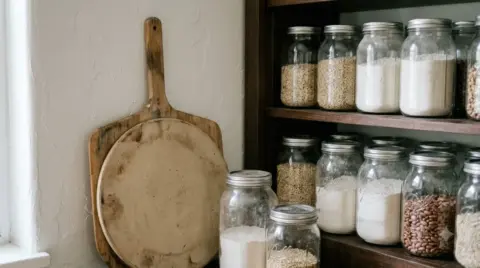
Many cooks keep the stone in the oven, which avoids moving it and can help minimize hot spots. If you store it elsewhere, keep heavy items such as a cast-iron skillet or Dutch oven off the top to prevent chips and cracks.
Stone or Steel: Which Suits Your Baking
A steel plate conducts heat better than a stone and is safe under a broiler or grill, but it can run too hot for bread, cookies and croissants. A stone is the gentler choice for everyday baking.
| Attribute | Pizza stone | Steel plate |
|---|---|---|
| Heat conduction | Poor, with high thermal mass | Better than stone |
| Under a broiler or grill | Not covered by the sources | Safe, according to Wikipedia |
| Bread, cookies and croissants | A gentler choice for everyday baking | Can run too hot |
| Preparation | Brush and rinse, no soap | Needs pre-seasoning |
| Size example | Varies by maker | 16 in x 16 in x 1/4 in (410 x 410 x 6.4 mm) |
The best steel thickness depends on oven temperature, so check the maker’s guidance before you choose a plate. If you bake mostly pizza, a stone is simpler to live with, and our pizza stone vs pizza steel comparison goes deeper. If you go with steel, our guide on how to use a baking steel covers the preheat and the first bake.

Common Mistakes That Crack a Stone
The most common damage comes from thermal shock, which means a sudden temperature change, as covered in why a pizza stone cracks. Wikipedia also warns against leaving the stone in an oven running its self-clean mode.
- Putting a cold stone into a hot oven.
- Leaving the stone in the oven during self-clean mode.
- Setting heavy items, such as a cast-iron skillet, on top of the stone.
- Using soap, which can flavor later food.
- Soaking the stone instead of brushing and rinsing it briefly.
Stains and darker spots are normal, so do not treat them as damage. Focus on the temperature changes and the cleaning method instead.
Keeping a pizza stone clean and undamaged is the simplest way to get the same results each time you bake.
Frequently Asked Questions
How long should I preheat a pizza stone?
Wikipedia describes preheating a stone in a cold oven for at least 45 minutes, then letting it cool slowly inside after switching the oven off. Other bakers heat the stone before adding the food, so follow your maker’s instructions if they differ.
Can I use soap on a pizza stone?
No. Food Network’s cleaning guide and Wikipedia both advise against detergent, because the porous surface absorbs it and can flavor later food. Brush and rinse with plain water instead, and use coarse salt or baking soda only for stuck-on bits.
Why did my pizza stone crack?
Thermal shock is the usual cause, because sudden temperature changes can fracture a stone. Let it cool completely before cleaning, avoid self-clean mode and do not move it straight from a hot oven to a cold surface.
Should I keep my pizza stone in the oven?
Many cooks do, because it avoids moving the stone and can help minimize hot spots. The downside is that it takes up space in a small oven and slightly increases preheat time.
Is a steel better than a stone?
A steel plate conducts heat better and is safe under a broiler or grill, according to Wikipedia. It can run too hot for bread, cookies and croissants and needs pre-seasoning, so neither option suits every bake.
A pizza stone is a practical tool for home pizza, and one that fits your oven and suits your cleaning habits is a sound choice. Read the care notes before first use, because material and thickness guidance varies by product. Check the maker’s manual before you put the stone in the oven for the first time.
 9 min readGear & PantryHow to Choose a Pizza Stone Size That Fits Your OvenUpdated Nov 11, 2026
 8 min readGear & PantryOoni Koda 16 Pizza Stone: Replacement Options and What to CheckUpdated Nov 17, 2026
 8 min readGear & PantryOoni Koda 12 Pizza Stone: Size, Replacement Checklist and CareUpdated Nov 17, 2026
 9 min readGear & PantryCordierite vs Ceramic Pizza Stone: Which Should You Buy?Updated Nov 7, 2026
 9 min readGear & PantryPizza Stone vs Pizza Steel: Which One Bakes Better at Home?Updated Nov 15, 2026
 9 min readGear & PantryHow to Use a Pizza Stone at HomeUpdated Nov 10, 2026