

When you compare a pizza stone vs pizza steel, the steel usually wins on heat transfer, while the stone costs less and weighs less. Both surfaces store heat for a home oven that tops out near 500°F. Choose by how often you bake and how much you want to spend.
What Is a Pizza Stone and What Is a Pizza Steel?
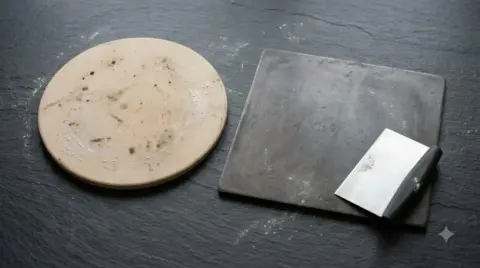
A pizza stone is usually made of cordierite ceramic, while a pizza steel is a slab of steel with sanded edges. Those materials explain most of the difference you will notice when you compare a pizza stone vs pizza steel side by side.
King Arthur Baking points out that many stones are often not actually made of stone at all, but rather a ceramic called cordierite. Cordierite is valued for its impressive thermal shock resistance, which is why it also appears in high temperature applications such as catalytic converters. A steel is metal, so its surface behaves differently under heat and handling. For a closer look at stone materials, see cordierite vs ceramic pizza stones.
Home cooks often ask which one to buy first when they weigh a pizza stone vs pizza steel. King Arthur Baking recommends steel if you can only choose one, while a stone remains a workable choice for many kitchens.
Pizza Stone vs Pizza Steel: Heat Transfer and Bake Speed
A pizza steel moves heat into dough faster than a stone, so the crust sets and browns sooner. Baking Steel reports 4 to 6 minutes for a steel and 8 to 10 minutes for a stone, though these are the maker’s figures rather than independent tests.
The verdict in King Arthur Baking’s comparison is similar: steel transfers heat better and heats faster, so it is the better choice if you can pick one. Both surfaces still need a long preheat before the first pizza goes on.
Recovery matters when you bake several pies in a row, so it belongs in any pizza stone vs pizza steel comparison. Baking Steel says its steel returns to temperature within a few minutes after the oven door opens, while a stone can take 10 minutes or more. A surface that recovers quickly keeps the bake more consistent from one pizza to the next.
Durability and Cracking Risk
A pizza stone can crack from thermal shock, while a steel is described as pretty much indestructible. This gap is the main durability difference when you weigh a pizza stone vs pizza steel for everyday use. For another way to decide, read a decision guide by oven type and crust style.
King Arthur Baking warns that stones can deteriorate and crack over time. If yours has already split, read what to do with a cracked pizza stone. Cracks usually follow sudden temperature swings, and that risk shapes the pizza stone vs pizza steel decision, which is why a surface that is moved quickly between a cold kitchen and a hot oven deserves extra care.
Steel has its own care rule in any pizza stone vs pizza steel comparison. Baking Steel notes that steel can rust if it is not cared for, so dry it fully after each wash and avoid soaking it. Stone care has its own rules, covered in how to clean a pizza stone. Check both surfaces with these points in mind:
- Stone: look for hairline cracks before each preheat.
- Steel: dry the surface completely after washing.
- Both: let the oven heat gradually rather than moving the surface from cold to hot in a hurry.
Weight, Size and Fit in Your Oven
A pizza steel weighs 15 to 27 pounds, while a pizza stone weighs 5 to 10 pounds, according to Baking Steel’s comparison page. That difference decides how easily you can lift the surface in and out of the oven.
Size matters as much as weight. The Baking Steel Original measures 16 by 14 inches and fits most home ovens, according to the maker. King Arthur Baking advises choosing a rectangular piece as large as your oven fits, which leaves room for a second pie.
Before you choose a pizza stone vs pizza steel, measure the interior depth and the clearance above the top element. A piece that crowds the heating element or blocks the door will make the preheat harder to manage. If a standard oven feels too limiting, our comparison of indoor and outdoor pizza ovens covers a dedicated alternative.
Cost and Long-Term Value
As of 2026-11-07, Baking Steel lists stones at 30 to 80 USD and steels at 139 to 189 USD on its own comparison page. Those are seller figures, so check current prices before you buy.
A stone is the cheaper entry point, and it can still bake a very good pizza. The price gap narrows once you count how long the surface lasts, since the maker says stones often crack within one to three years. That is a maker claim, not an independent test.
When budget decides a pizza stone vs pizza steel purchase, a steel costs more up front and makes the most sense if you bake every week. A stone suits occasional bakers who want a surface that heats the oven well without a large outlay.
Preheating and Recovery Between Pizzas
Both surfaces need at least one hour of preheating, and King Arthur Baking advises checking for at least 500°F with an infrared thermometer before you bake. The same routine applies to either side of the pizza stone vs pizza steel choice.
- Set the oven to its highest setting and place the surface inside.
- Wait at least one hour so the surface heats through.
- Check the surface with an infrared thermometer for at least 500°F.
- Wait at least five minutes between pizzas so the surface recovers.
The waiting time is the real cost of either surface, not the price tag. Plan for the preheat on baking nights, since skipping steps is the quickest way to end up with a pale base, and how to get a crispy pizza crust covers the rest of the routine. That routine applies to any pizza stone vs pizza steel setup.
Side-by-Side Comparison: Pizza Stone vs Pizza Steel
The steel leads on bake speed, recovery and durability, while the stone leads on price and weight. The table below puts the figures side by side, with maker claims marked as such.
| Feature | Pizza stone | Pizza steel |
|---|---|---|
| Material | Usually cordierite ceramic | Steel slab with sanded edges |
| Bake time (maker claim) | 8 to 10 minutes | 4 to 6 minutes |
| Recovery after door opens (maker claim) | 10 minutes or more | 2 to 3 minutes |
| Durability | Can crack from thermal shock | Pretty much indestructible |
| Weight (maker claim) | 5 to 10 pounds | 15 to 27 pounds |
| Price (maker claim, as of 2026-11-07) | 30 to 80 USD | 139 to 189 USD |
| Care | Avoid sudden temperature changes | Dry fully to prevent rust |
The table shows the pizza stone vs pizza steel trade-off in one view: speed and durability on one side, price and lighter weight on the other. Read the rows that matter most for how you bake.

Baking Steel Original 14x16 | Pre-Seasoned Pizza
Pros & ConsViewHide
Reasons to buy
- Pre-seasoned carbon steel, ready for the first bake
- 14x16 size holds a 13 inch pizza or two loaves
- Made in the USA by the maker that started the category
Reasons to avoid
- Heavy to lift in and out of a home oven
- Needs hand washing and drying to avoid rust
- Costs more than a typical ceramic stone

Hans Grill Circular Pizza Stone
Pros & ConsViewHide
Reasons to buy
- Porous cordierite made for oven or grill use
- Rated heat resistant to 1112 F by the seller
- 70% of 13.9K Amazon ratings are 5-star
Reasons to avoid
- Stains are normal and will not go away
- Can crack if heated or cooled too fast
- Listed with a wooden peel, so check what ships in the box
Which One Should You Buy?
Choose a pizza steel if you bake often and can spend more, and choose a pizza stone if you bake occasionally on a budget. Both store heat that the oven air alone cannot hold.
For a weekly pizza night, the pizza stone vs pizza steel choice turns on speed: the steel’s faster bake and quicker recovery are worth the higher price, and its durability lowers the risk of a cracked surface. If you want a lower-cost surface to learn with before you commit, a stone gets you started for less.
- Choose a steel if you bake several pizzas in one session.
- Choose a steel if you want a surface that is pretty much indestructible.
- Choose a stone if your budget is tight or you bake only now and then.
- Choose a stone if you need a lighter piece to lift in and out.
Whichever you buy, follow the full preheat routine above, since both surfaces need it. Your choice of pizza stone vs pizza steel matters less than using it correctly every time. More gear picks are in our pizza gear and pantry guides.

Frequently Asked Questions
Does a pizza steel rust?
Yes, steel can rust if it is not cared for, according to Baking Steel. Dry it fully after each wash and avoid soaking it. Follow the care instructions that come with your own piece, since the maker’s guidance is the basis for this answer.
What is the highest temperature a home oven reaches?
Baking Steel says home ovens max out at 500°F, while wood-fired ovens run at 900°F. That limit is why both surfaces help in a home kitchen, since they store heat that the oven air alone cannot hold.
Is a pizza steel heavy to move?
Yes, a pizza steel weighs 15 to 27 pounds according to the maker, compared with 5 to 10 pounds for a stone. Plan for that weight if you lift it in and out often, and use a heat-resistant glove when you handle it.
How long does a pizza take on each surface?
The maker reports 4 to 6 minutes on a steel and 8 to 10 minutes on a stone. These are the company’s own figures, so your oven temperature and your dough will change the real time.
Why do pizza stones crack?
Cracks usually come from thermal shock, because the ceramic can crack when its temperature changes too quickly. King Arthur Baking notes that stones can deteriorate and crack over time, so inspect the surface regularly.
If you are still undecided, start with the surface you can afford and use the full preheat routine every time. When you settle a pizza stone vs pizza steel decision, a steel is the stronger long-term choice for frequent bakers, while a stone is a sensible first step for occasional pizza nights. Either way, check the surface for cracks or rust before each bake. If you pick steel, our guide on using a pizza steel the right way covers the preheat and the care routine.
 7 min readGear & PantryBaking Steel vs Pizza Stone: Which Gives Better Crust?Updated Nov 15, 2026
 8 min readGear & PantryPizza Steel: How to Choose, Preheat and Care for One at HomeUpdated Nov 16, 2026
 9 min readGear & PantryMetal Pizza Peel: How to Choose Aluminum or SteelUpdated Nov 17, 2026
 9 min readGear & PantryHow to Use a Pizza Steel for Crisp Home PizzaUpdated Nov 10, 2026
 9 min readGear & PantryBest Olive Oil Dispensers for Fresher, Better-Pouring OilUpdated Nov 13, 2026
 9 min readGear & PantryCordierite vs Ceramic Pizza Stone: Which Should You Buy?Updated Nov 7, 2026